Hepper is reader-supported. When you buy via links on our site, we may earn an affiliate commission at no cost to you. Learn more.
How to Crate Train a Border Collie: 9 Expert Tips
In this article
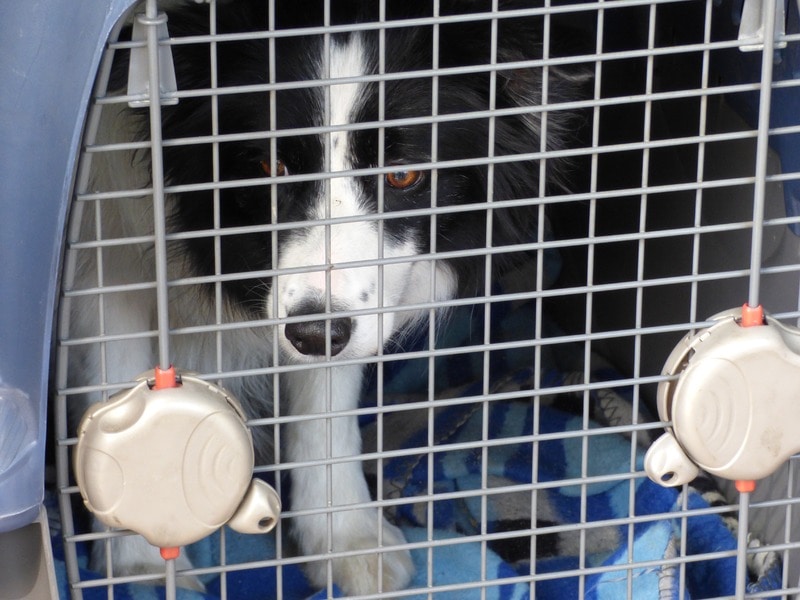
Crate training refers to training your dog to accept a crate or cage as a safe location. When the environment around your dog becomes too overwhelming or loud for them, they can seek out the crate to feel safe and comfortable.
Crate training can potentially take 4 to 6 months, depending on the dog's breed and how well of a job you do. Although it is a lengthy process, it's worth it.
In this guide, we look at expert tips to crate train your Border Collie. Since the breed is very intelligent, you won't have difficulty crate-training your pup if you follow these tips.

The 9 Expert Tips for Crate Training a Border Collie
1. Choose the Right Crate
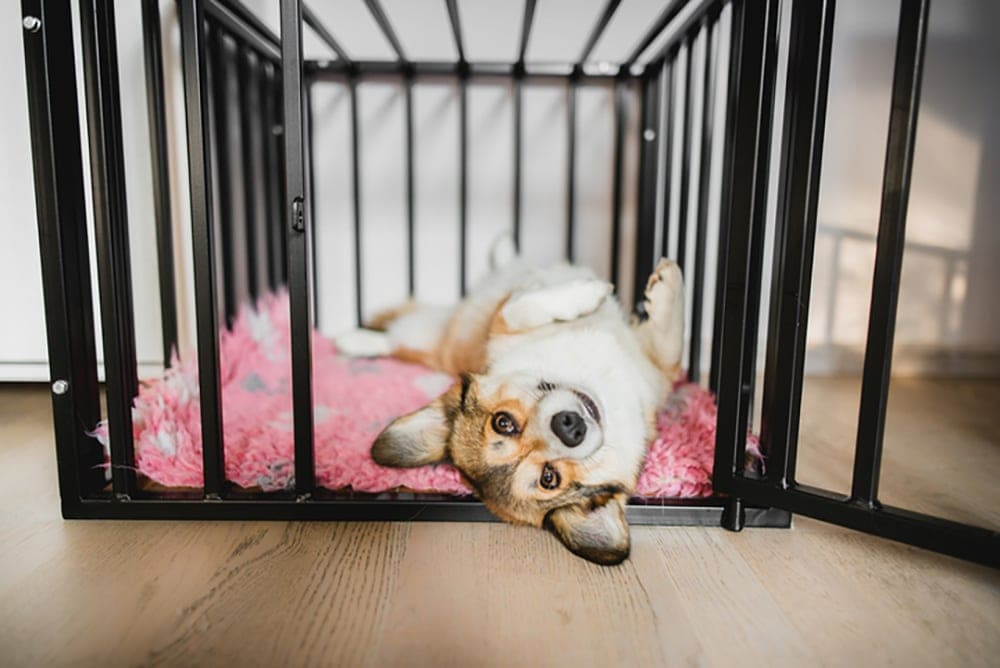
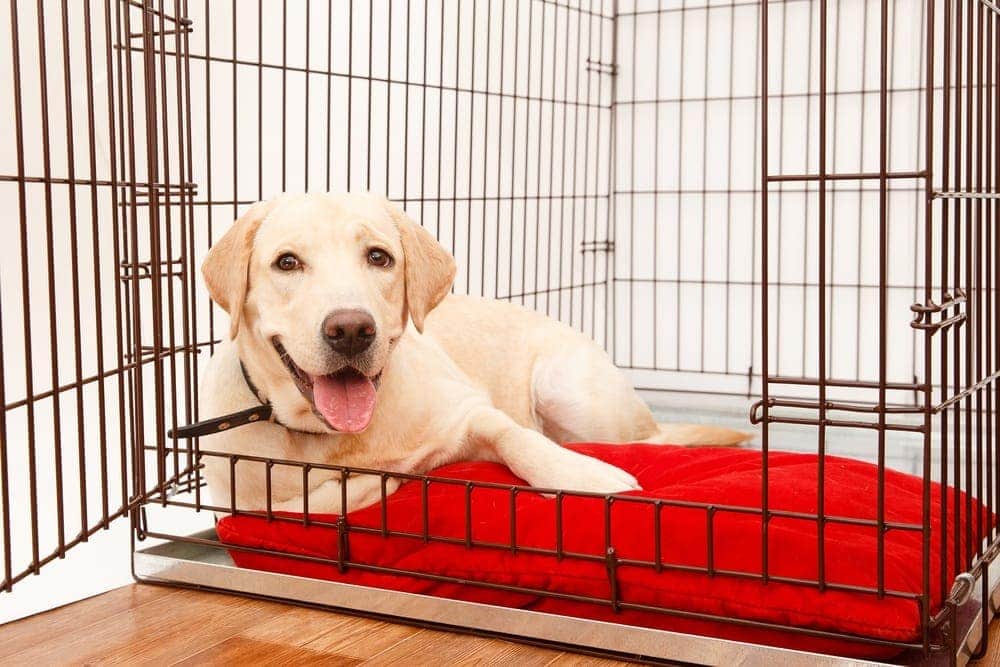
Since your dog should be able to view it as a safe space, selecting the right crate for training is essential. A 36-inch box should be suitable for most Border Collies, but if you need a larger crate, opt for a 42-inch model.
It would help if you got a crate with a removable divider. These crates have wire doors on one side and solid walls or plastic panels on the other. You can remove the partitions to expand the crate as your pup grows.
2. Make the Crate Comfortable
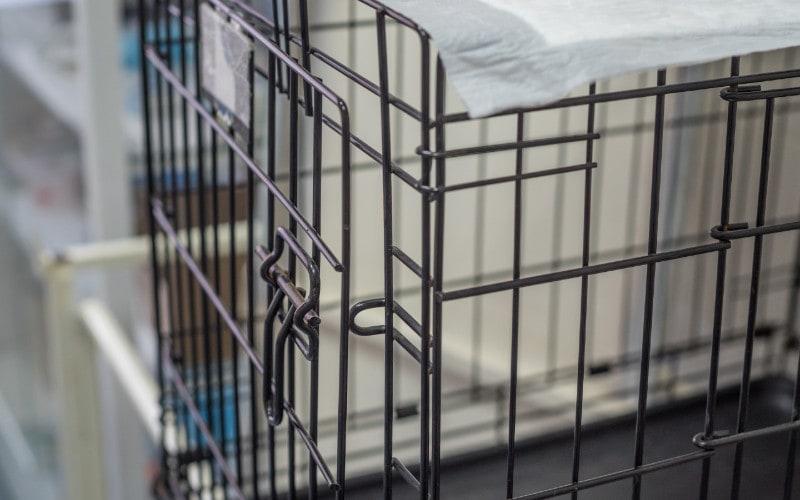
Border Collies may be farm dogs, but they still like to be pampered. You should invest in good blankets and soft pillows to comfort your pet.
When the Border Collie is still small, keep a pad in the crate to provide a soft surface for your dog to lie on. You can add pillows or a plush bed for added comfort as they grow.
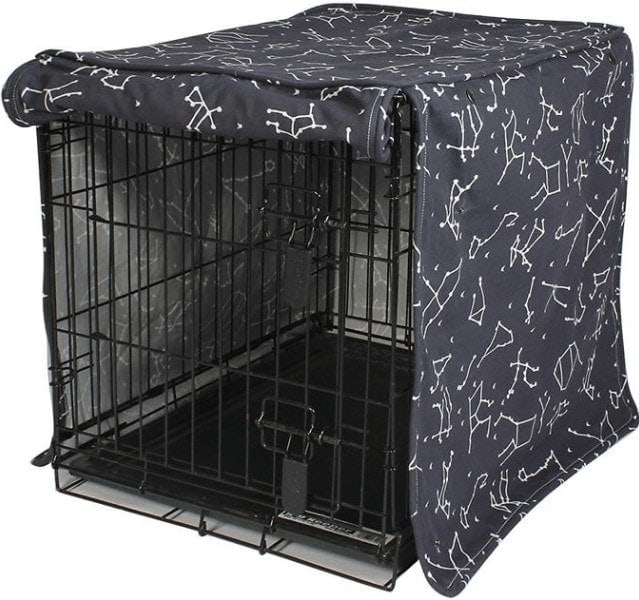
You should also add a cover to the crate to make it feel like a den. The best way to make a cover is to add a lightweight blanket on the top of the crate. You can also use a dark sheet for this.
Look for options online if you do not want to DIY the cover. Some crates may even come with covers.
3. Introduce the Crate Gradually
Don't just shove your dog into the crate and expect them to get comfortable. Instead, take it slow. Keep a treat inside the crate to help your dog associate the crate with a good place.
When you first introduce the crate to your pup, they may cry. Ignoring this behavior is best since you do not want to show your dog that you will encourage their bad behavior or reward it with attention.
Wait for the dog to quiet down. Once your pup gets quiet, praise them for this behavior. They will associate being in the crate with something good and be more willing to go inside.
4. Use Name Association
Border Collies are smart creatures. They can associate words with behaviors. So, whenever you take the Border Collie to a crate, you should use a word with this action. For example, you can use “crate” to tell them to enter the crate.
5. Manage Their Energy Levels
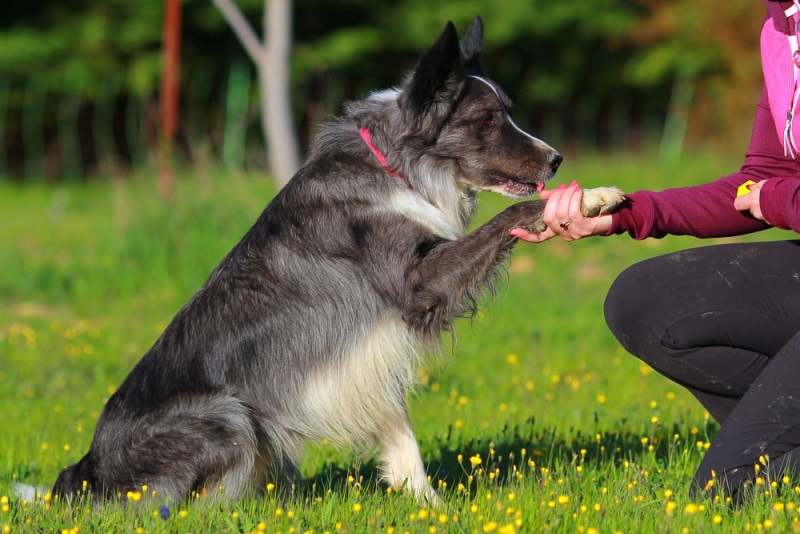
Border Collies are energetic dogs who love to play and run around. If you try to crate-train them when they are full of energy, getting them to do anything will be difficult. Even if they get inside the crate, they will jump around like balls of energy.
Instead, take them out for a walk. You can also play games with them to release some of their energy. Once the wiggles are out, you can start the training session.
6. Repeat Training Sessions
The key to training your dog is to repeat the sessions as often as possible. Border Collies like praise. Make them do what you want, praise them for what they do, and they will do it all over again.
You should create a daytime crate-training program in which you repeat the session at least four times daily. It will help your dog understand that they have to follow this pattern.
- Start by introducing them to the crate. Leave the door open so that they can explore the area.
- Give them a treat every time they go inside the crate. Soon, they will learn that going inside the crate equals yummy treats.
- Once you feel that they are comfortable with the crate, close the door behind them.
- You can still give them treats from the sides and the top. Also, sit beside the crate for a few minutes to prevent the feeling of loneliness and abandonment for them.
- Start by letting them inside for a few minutes. Increase this duration gradually until you get to 15 minutes. After you reach the 15-minute mark, you can leave them alone. Go to another room and let them sit in the crate independently.
If you need help with training your dog, we suggest speaking with a vet online.
7. Play Games
Crate games are a great way to engage your dog in crate training. Some Border Collies may see the crate as a confinement place and may be reluctant to get in.
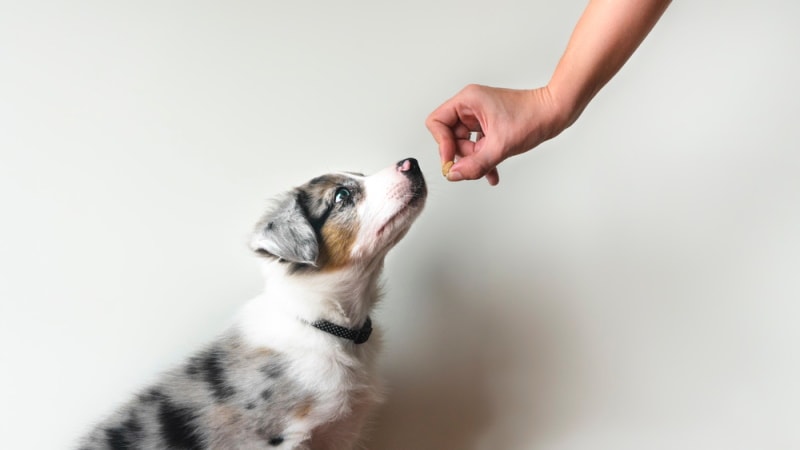
You can prevent this by introducing crate games. The easiest game is to keep your pet's favorite treat in the center of the crate. It will entice them to come inside and take it. But even then, your Border Collie might take the treat and exit the crate. How do you make them stay in?
Incorporate the crate into your fetch games too. For example, ask them to go inside the crate and fetch the ball for you. If they have a favorite toy, you can also put that in the crate. Anything to associate the crate with a reward is a good idea.
8. Increase Times Slowly
A mistake owners make is not giving their pups enough time to get familiar with the crate. Instead, they hurry the process and try to make them stay in for too long. Always work your way up slowly.
Once your pup stays in the crate for up to 15 minutes, you should expand the time increments. For example, if you previously only increased the time duration by 1 minute every time, do it by 15 minutes now.
Your aim should be to train your Border Collie to spend 4 hours in the crate. When you reach the 3-month mark in training, let your dog out every 4 hours. In total, your dog should spend at most 8 hours in the crate when they are adults. It will help them stay mentally healthy and prevent any behavioral problems from developing over time.
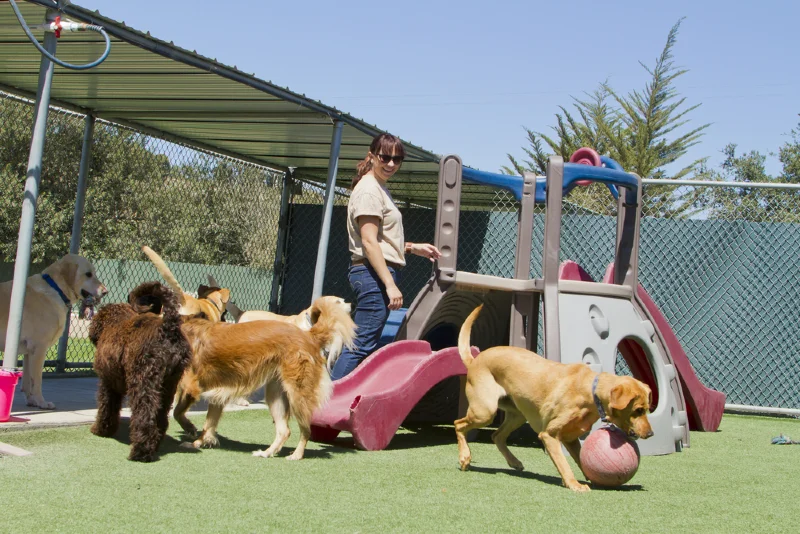
If you work during the day, you might need help to follow a consistent training regimen. You should hire a doggy sitter to train your dog, or you can get help from a doggy daycare.
9. Don't Show Negativity
Dogs are quick to notice their owner's feelings. You might feel frustrated when you're training your Border Collie if they fail to follow your instructions. You might be busy on some days and unable to give them the attention or praise they need. But try your best to keep it positive. It will help your dog see that their effort is appreciated.

Why Does My Border Collie Bark in the Crate?
There could be a few reasons why your Border Collie is barking in the crate, especially during training.
- Toilet: It's possible that your dog needs to go to the bathroom. Let your puppy do their business and continue with the training.
- Attention: Dogs bark when they want attention. Try playing with them or giving them treats to show them that you are there with them.
- Other Animals: If a cat or a possum is in the garden, your dog may be able to smell and hear them. When that happens, they may start barking. The solution is to put a cover on your dog's crate to block out the smell.
- Separation Anxiety: If your Border Collie gets sad and anxious when you leave for work, they might also get separation anxiety when you leave them in the crate. You can prevent this by keeping your dog's favorite toys and treats in the crate. For example, if your pup loves chew sticks, put one in the crate for them to play with.
- Weather: Your Border Collie may be uncomfortable in the crate during cold weather. You should ensure warmth in the crate by putting blankets and pillows inside. If the crate is close to a window or anywhere outdoors, bring it to a warmer location. Raise the crate from the floor by putting bricks or wood underneath so your dog doesn't get cold.
Sometimes, the excessive barking may have nothing to do with the crate or crate training. For example, if your dog is sick, it might bark excessively. Take them to a vet or a professional behaviorist for expert intervention.

Conclusion
Crate training is beneficial for you and your dog. When training a Border Collie, you should give them a comfortable environment, lots of praise, treats, and enough time to adjust to this new routine.
With patience, persistence, and many treats, you can crate-train your Border Collie relatively quickly.
Featured Image Credit: PxHere
Get Hepper In Your Inbox


Pet care tips from our vets and experts, straight to your inbox.
You may opt-out at any time. View our Privacy Policy for more information.

Jeff is not only a writer but also a tech professional with lots of experience leading teams at various Fortune 100 startups. Jeff's hobby is photography but his real passion are his pets, whom he loved to spend time with.
Join the conversation
Ask a question, share your story, or send private feedback.