Hepper is reader-supported. When you buy via links on our site, we may earn an affiliate commission at no cost to you. Learn more.
Are Dogs Afraid of the Dark? Reasons & How to Help Them

In this article
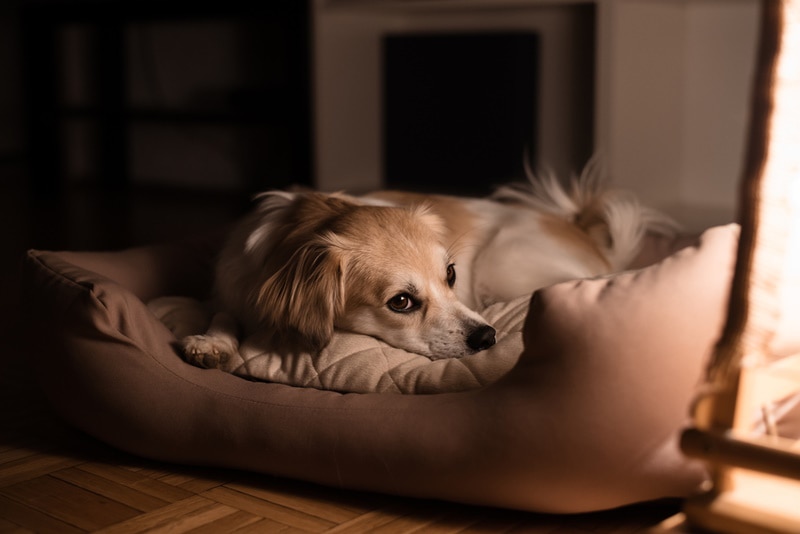
Dogs certainly have different personalities. Some of them are extremely terrified of just about everything, while others are brave enough to weather any storm. So how common is it for dogs to be scared of the dark?
In order to answer this question, it is important to understand how dogs see at night and what personality factors can influence this fear. So yes, dogs can be scared of the dark, but we're going to tell you why and ways you can reduce this reaction.

Dogs Can Be Scared of the Dark
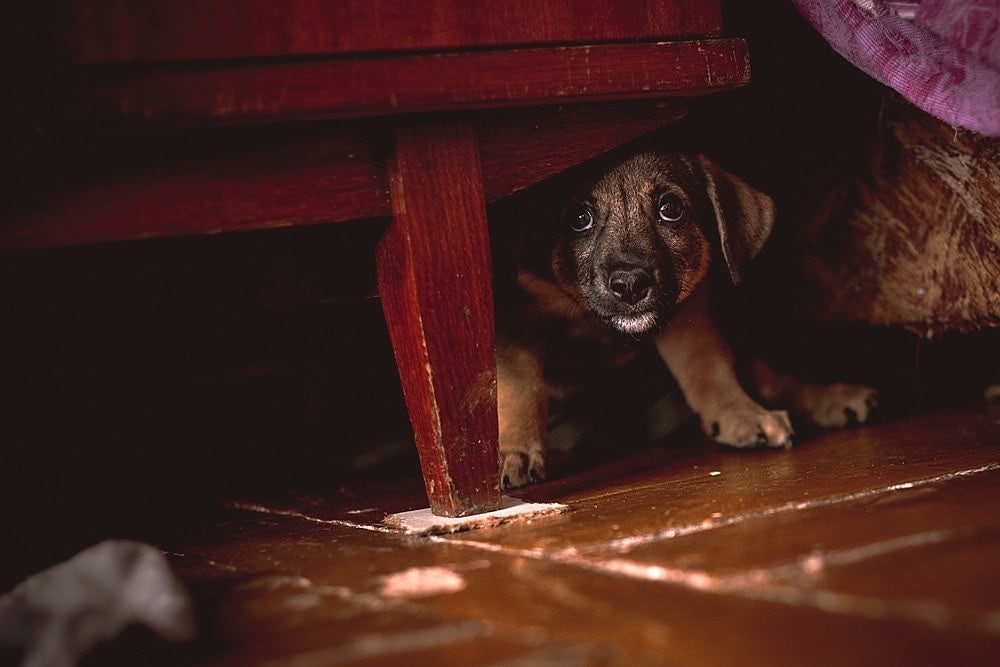
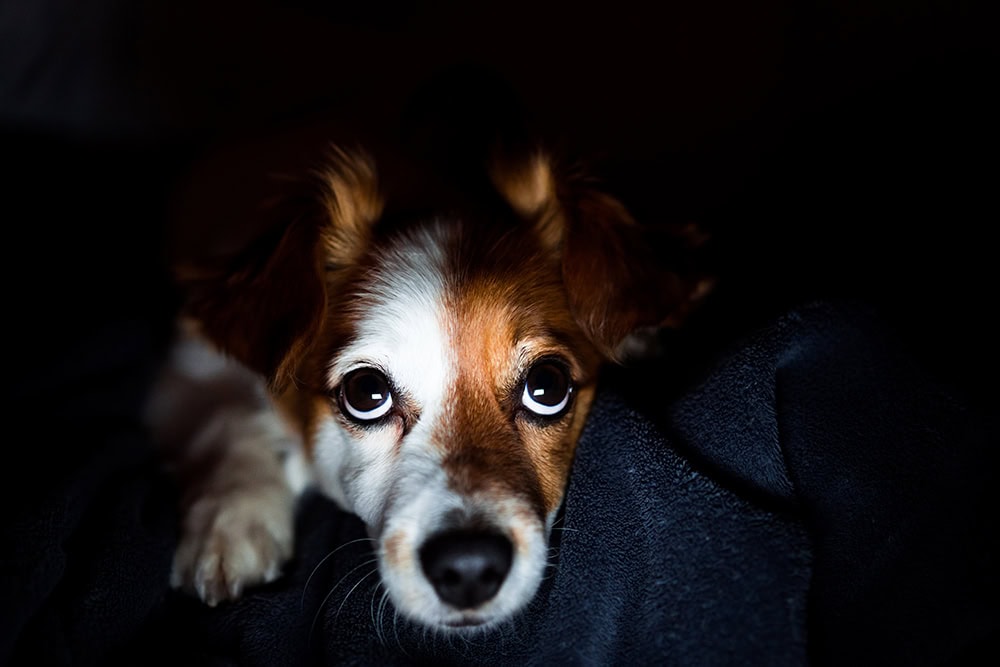
The truth is that the list of reasons your dog can get scared are beyond measure. Every response will depend greatly on your individual dog and what triggers them. Dogs can definitely be scared of the dark, but the main factor behind this is fear of the unknown.
If your dog can't see very well and they feel alone, they might get discouraged or uncomfortable in the setting. They might not be scared of a boogeyman or other entity waiting to reach out and grab them like we are (thanks to scary movies), but they certainly can have a fear of the unknown.
The 4 Reasons Dogs Are Scared of the Dark
Dogs can be afraid of the dark simply for the fact that they can't see very well. But there are other factors that can influence this as well. Here are some of the main reasons you can consider for your dog's particular situation.
1. Separation Anxiety
Some dogs do not like being away from their humans. If they are in the dark and there is no one to be seen, they may suffer from separation anxiety.
2. Past Traumatic Events
If your dog has ever experienced something that really scared them in the dark, this might be bleeding into their present reality.
Some examples include:
3. Fireworks
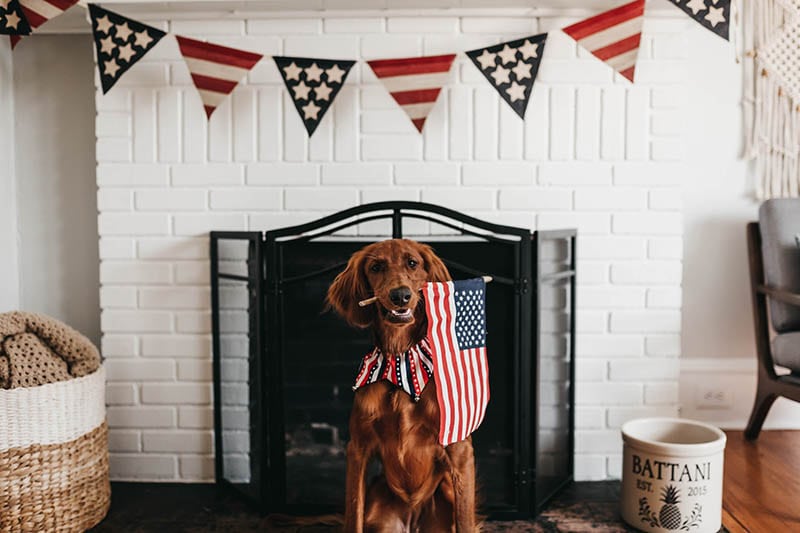
Your dog may have had a bad experience on the 4th of July. Say you took them out to a dark open space, and all of these noises and lights started flashing all at once. Your dog might associate the darkness with this experience and not really like to venture out at night.
4. Thunderstorms
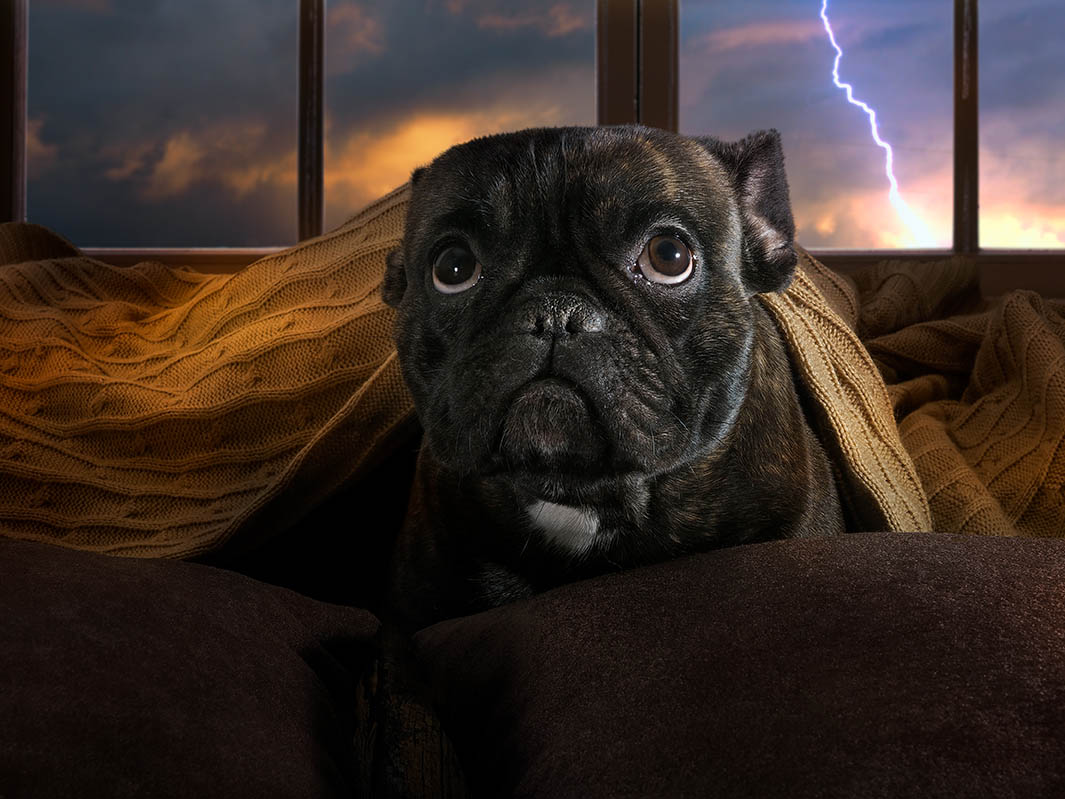
Thunderstorms can happen any time of the day, but they are scarier at night. If your dog is not a fan of thunderstorms, they might associate the darkness with the potential of lightning striking and thunder roaring.
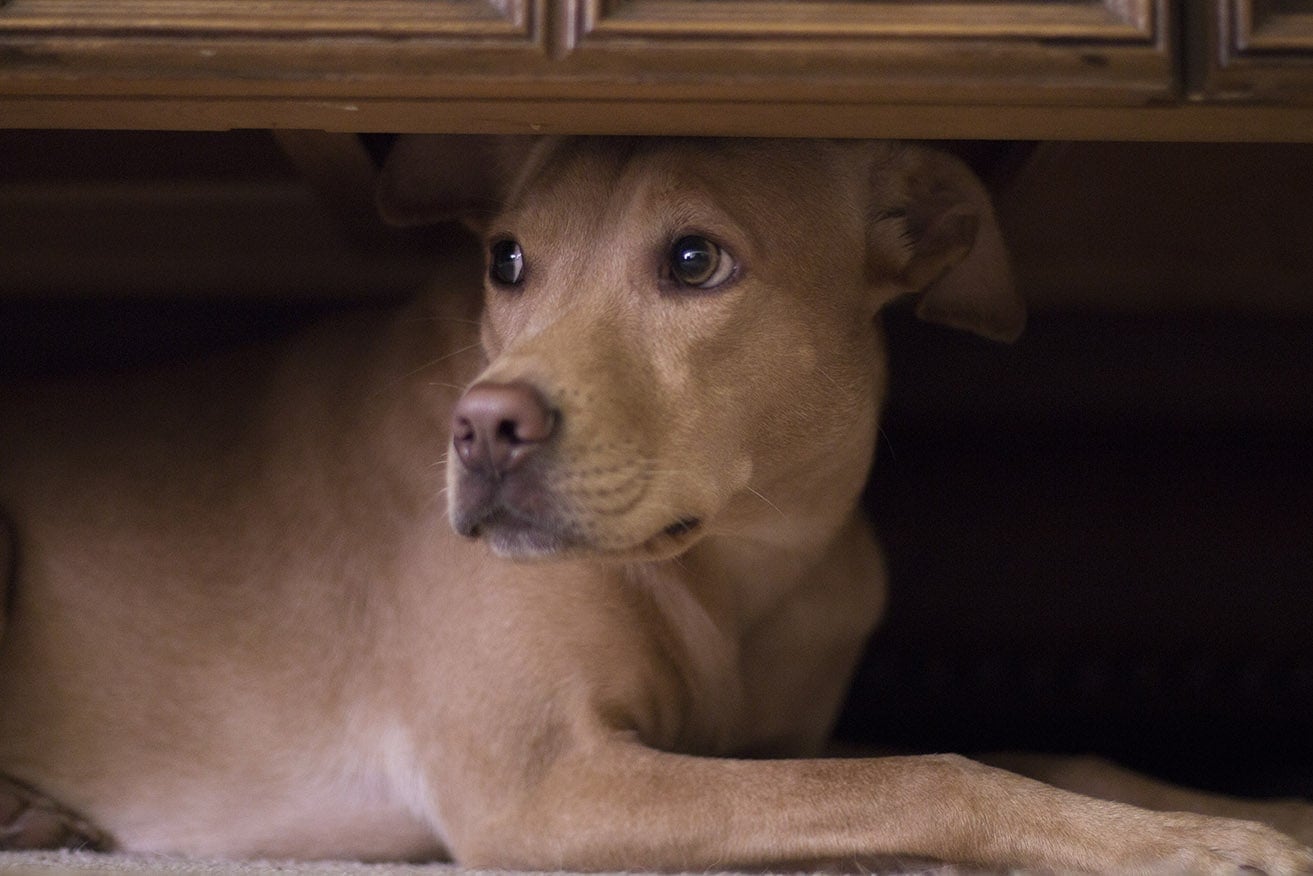
How Good Is Dog Vision at Night?
Dogs are typically diurnal animals, meaning they are more active throughout the day, just like humans. However, they are also social sleepers, meaning they can change their schedules to match their surroundings.
Even though dogs can't see the broad spectrum of colors that we can, they can see up to five times better than humans. This allows a great advantage during low light hours. They can see quite well at night compared to many other animals that are considered diurnal.
In addition to having better eyesight at night, they also have a wider field of vision and detect motion better than humans. However, they don't have the same depth perception we do, which can affect the clarity of images.

The 5 Ways to Help Your Dog at Night
If your dog seems scared at night, they're obviously having a hard time. Luckily, you can implement things in your day-to-day to ensure your dog feels a lot more comfortable during twilight.
1. Night Lights
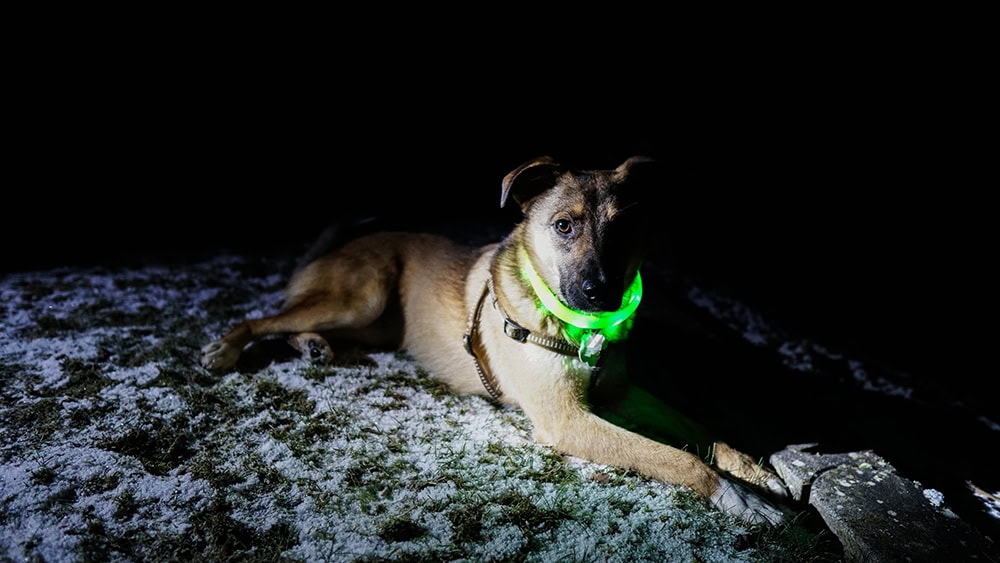
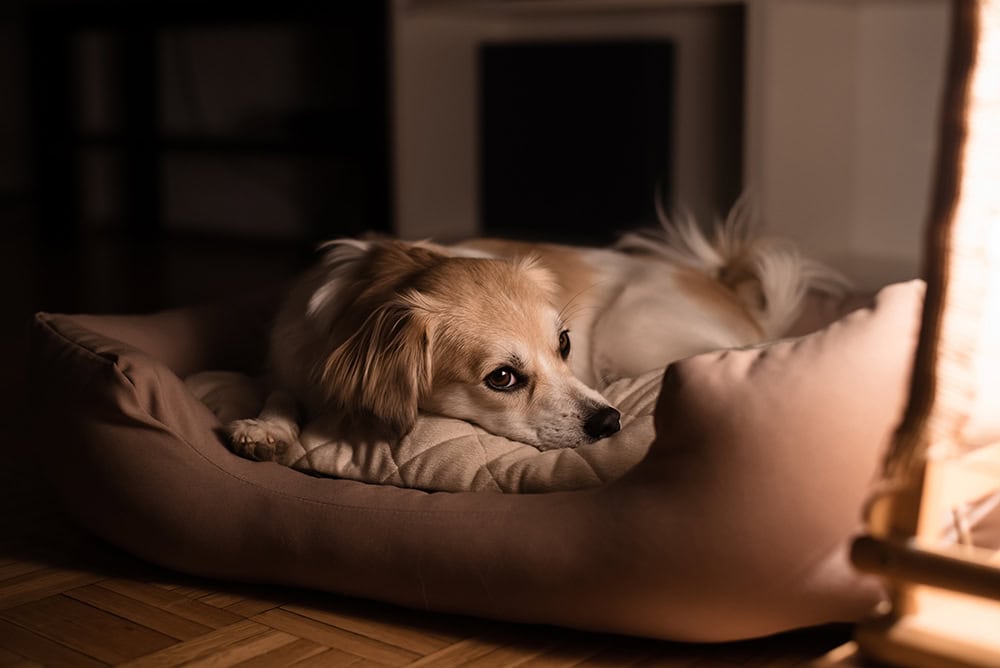
If your dog has to be by themselves at night, you might make their experience a little easier by providing some lighting. You can get a night light or leave on a light fixture to make them feel more comfortable.
2. Soothing Music
Music has been scientifically studied for the effects it has on our canine counterparts. The general consensus is that dogs tend to like soft rock music. Next in line, you have reggae. Putting some music on at a very low volume might help them relax during nighttime hours.
3. Noise Machines
Dogs might find certain sounds soothing. If you don't want to play music, you can always try a noisemaker to find a suitable sound. Often white noise is favorable for nighttime hours as it's not disruptive and provides a constant hum.
4. Supplements
If your dog is suffering from some nighttime anxiety, calming supplements might be able to help. There are tons of calming supplement options on sites like Chewy and Amazon—but you can also get recommendations from your veterinarian.
5. Company
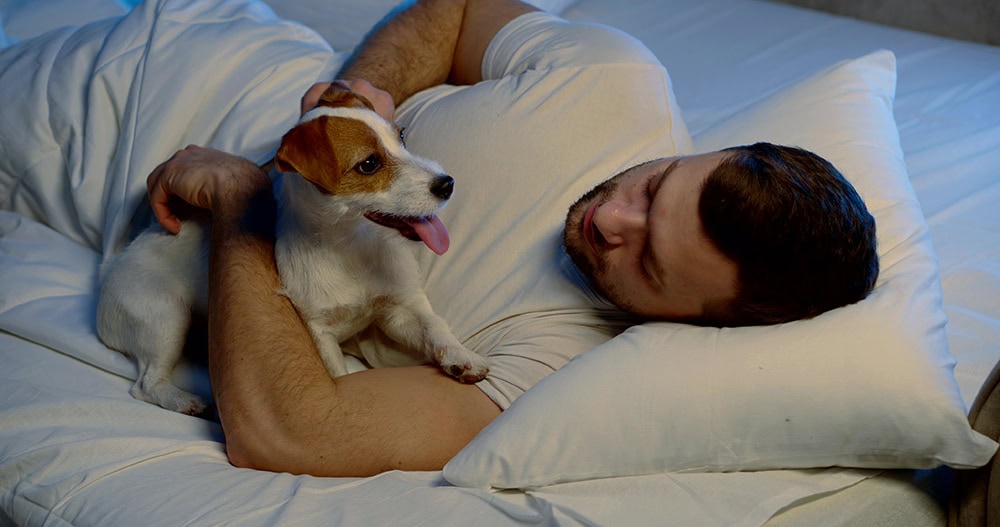
You can always let your dog climb in bed or sleep in the room with you to provide some additional comfort. Even if your dog can't be out of the kennel at night, you can always bring the kennel in the room with you if their behavior allows it.
Obviously, some dogs are noisy and might whine, thrash around, or bark to get your attention, so this is only an option for some.
Conclusion
Our dogs can be scared of the dark without question. However, there are ways we can combat this. You can do what's in your power to make your particular dog more comfortable. It might take a little trial and error, but you will surely find a method that works in your household.
Remember that if your dog was previously stressed out and in the dark due to a thunderstorm, fireworks, or other stimuli, it's best to keep them away from these things as much as you can to prevent any upset.
Sources
Featured Image Credit: US Media, Shutterstock
Get Hepper In Your Inbox


Pet care tips from our vets and experts, straight to your inbox.
You may opt-out at any time. View our Privacy Policy for more information.
Ashley Bates, a freelance writer with a passion for pets, is currently studying animal therapy. She is a mother to four children and 23 pets, both furry and feathery. Ashley actively volunteers at local shelters, advocates for animal welfare, and rescues animals in distress. Her mission is to promote awareness, education, and entertainment about pets to help prevent animal homelessness. She specializes in the care and well-being of dogs and cats.
Join the conversation
Ask a question, share your story, or send private feedback.