Hepper is reader-supported. When you buy via links on our site, we may earn an affiliate commission at no cost to you. Learn more.
Social Anxiety in Dogs: Vet-Verified Causes & Care Guide


In this article
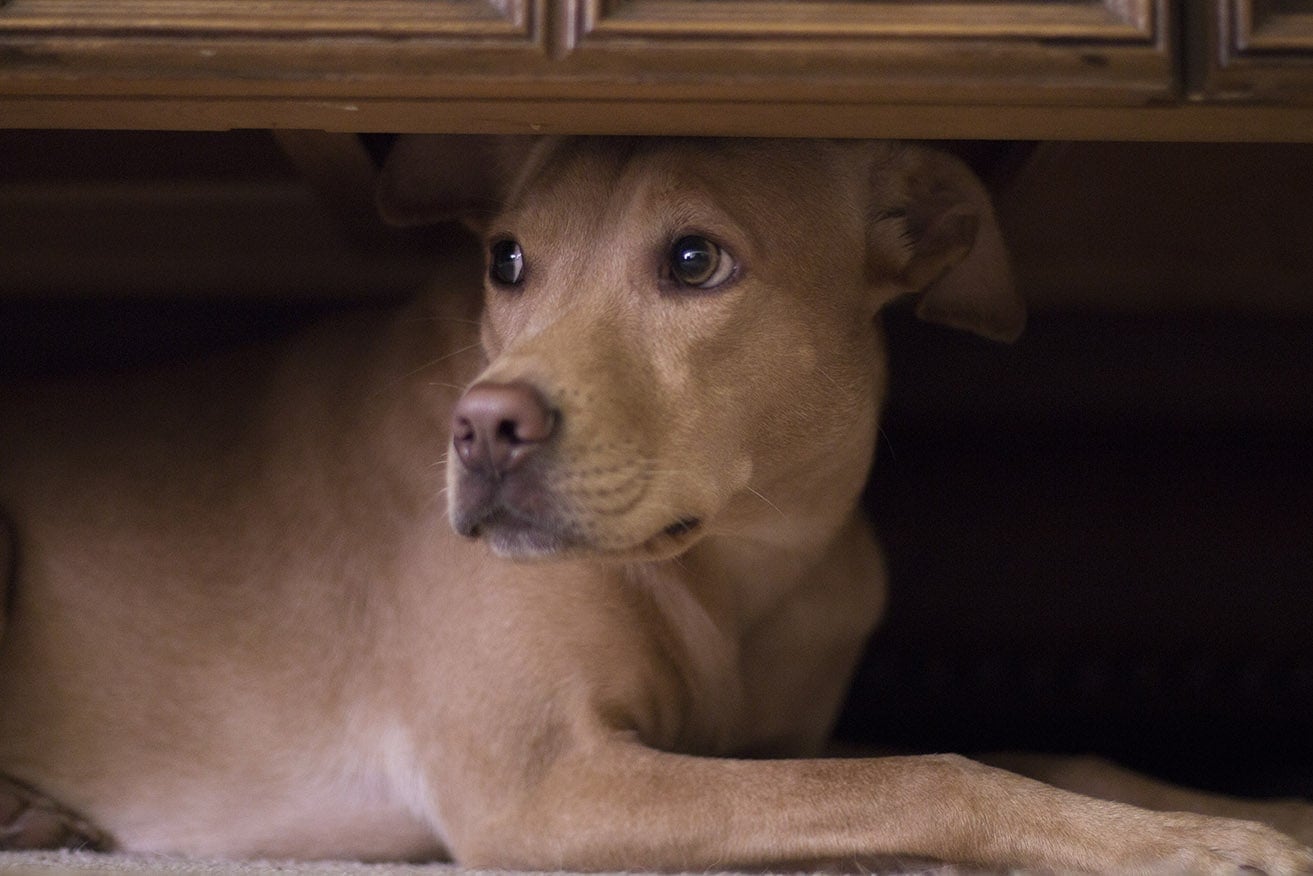
Social anxiety in your dog can spark a fearful reaction in you, too, since you never know how they'll respond in a given situation. Dog park trips, car rides, or even at-home visits from friends can be challenging to navigate. There are various reasons dogs may feel afraid or react aggressively when around new people and animals. The most common triggers are trauma from abusive situations, or uncertainty over new situations, which usually results from being overly sheltered as a young puppy. While it is important to identify the cause, it's equally as critical not to become fixated on it. No matter what happened to your dog in the past, it is possible to overcome most obstacles with patience.

What Is Social Anxiety in Dogs?
Socially anxious dogs feel uncomfortable around people or other canines. If they came from an abusive situation or lived on the streets before you rescued them, they may also be afraid of you at first. Most dogs warm up to their pet parents relatively quickly once they realize they're the ones giving them food and shelter, but it might take them a while to trust the rest of the world.
Genetics may also play a role in social anxiety, with some breeds tending to develop this condition more than others. A 2020 study of 13,700 dogs from 14 different breeds found that certain breeds are more predisposed to some anxious behaviors than others, including aggression.1 For example, 10.6% of Miniature Schnauzers in the study displayed aggression towards strangers, with at least 25% showing some type of fearful reaction towards unfamiliar people. The Staffordshire Terrier and the Labrador Retriever were among the breeds least likely to be afraid of or aggressive toward strangers. As a whole, female dogs are more likely to be afraid of strangers than males, but male dogs are more likely to act aggressively when they are scared.

What Are the Signs of Social Anxiety?
A socially anxious dog may be afraid of new people and dogs, or just one or the other.
Some signs of social anxiety include:
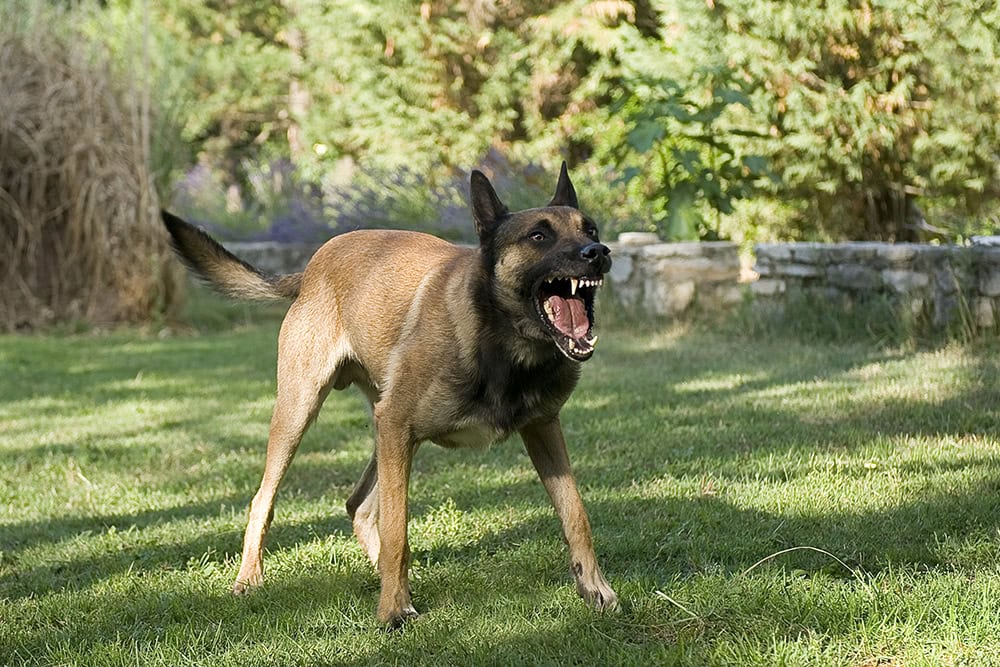
Always monitor your dog's body language when they're barking or acting strangely. Some friendly behaviors may easily be misinterpreted as aggressive, such as excitable barking. Unless they're taking a bow, dogs with a cowered body are usually feeling afraid or threatened. A low-lying tail that isn't wagging is usually a fearful expression, while a stiff upright tail leans towards aggression. However, both behaviors may be caused by the same stimulus.
What Are the Causes of Social Anxiety?
Social anxiety stems from a lack of healthy interactions with other people and animals, whether these encounters were abusive or non-existent. Pet hoarding situations, dog fights, or neglect teaches dogs that they can't rely on people or trust other animals. They may act skittish or aggressive depending on their temperament.
Similarly, dogs who've never been around other people or animals will likely feel threatened if introduced to a new person or animal. Rural life as the only pet or an urban lifestyle where the dog rarely leaves the apartment complex equally predisposes them to social anxiety.

How Do I Care for a Dog With Social Anxiety
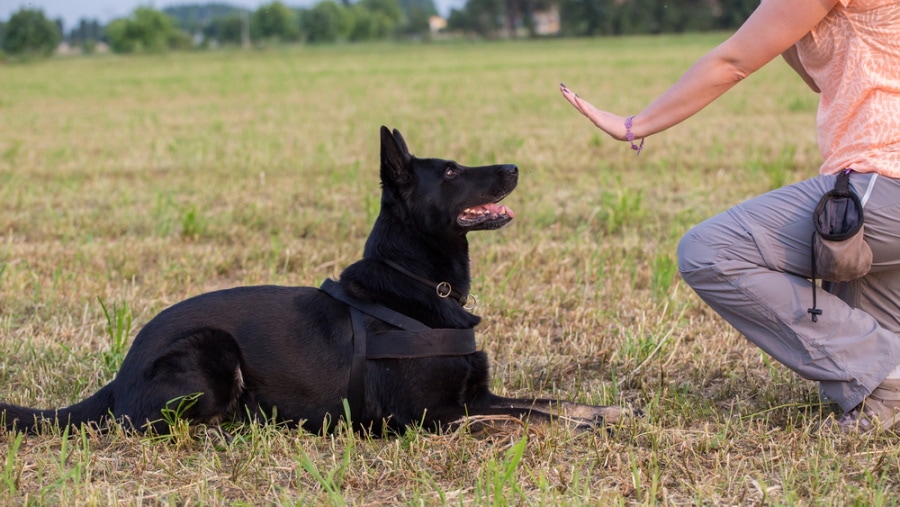
Early training is the key to making your dog feel confident and less afraid of unfamiliar situations. If your dog is still a puppy, you should begin socializing them as soon as they've received all of their immunizations. You should start small, so you don't overwhelm them. Instead of taking them straight to the rowdy dog park, you might begin with a walk around a quiet neighborhood or taking them inside your local pet store.
While you'll want to retain some control over your dog, especially at first, remember not to act fearful. Keeping them on a tight leash may seem like the most responsible thing to do, but it can signal that you're stressed. You may indeed feel anxious over how they'll perceive the new environment, but dogs are highly intuitive creatures who will pick up on how you're feeling. They're more likely to feel afraid if you are.
Dogs who are acting afraid or aggressive as the result of trauma may take longer to heal. Love and patience is the best healing balm there is. Professional help from a dog trainer or your veterinarian is also recommended.
How to Walk a Dog Who Experiences Social Anxiety While on a Leash
The same dog who's relaxed and confident at the dog park may act afraid if they encounter another animal while they're on a leash. Unfortunately, this can be true for any dog whether they're socialized or not, but there are ways you can help them.
The Animal Humane Society recommends teaching your dog a positive association between their name and treats. Practice at home when other dogs aren't present, and when you're on a walk, take the treat bag with you. When they see another dog approaching, call their name. When they respond to you, reward them with a treat. This teaches them that there's a positive association between their name and the other dog. If you and the other handler decide to let the dogs “meet,” be sure to give your dog plenty of slack on the leash so that they can greet from the side instead of head-on. Tight leashes force dogs to meet head-on, which means “fight me” in dog language. Meeting from the side is their natural greeting, including the obligatory butt-sniffing.
If your dog tucks their tail or acts afraid, don't force the meeting. Simply gently call their name and keep walking. If your dog responds aggressively to the situation, they may try to lunge at the offending person or animal. If this happens, try to stay calm and remove them as soon as possible. You might try making a loud noise, such as clapping your hands or raising your voice in a controlled, authoritative manner. Don't punish them for barking. Vocalizing is simply a way for your dog to communicate. A dog who's afraid to bark is more likely to bite without warning, which is far worse.
Frequently Asked Questions
Q: Will my socially anxious dog ever make friends?
A: It may take time, but most dogs can learn to enjoy new people and animals. Because of the lingering damage of PTSD, it's often more difficult to deal with a dog who's experienced trauma than a lack of socialization. The most important thing to remember is to never force your dog to meet anyone. While you may really want them to make friends, making them suffer a total loss of control will exacerbate their trauma and can be dangerous to everyone involved.
Q: What are the signs of social anxiety?
A: Social anxiety may manifest in fear or aggression. Lowered tails, cowering, or whimpering shows fear, while stiff tails, growling, snarling, or lunging often display aggression. Both behaviors stem from the same root, which is intense discomfort around new people or animals. This is usually due to a lack of early socialization or abuse.
Q: Are certain dogs more likely to have issues with social anxiety?
A: A 2020 study found that certain breeds, such as the Miniature Schnauzer, were more likely to be afraid of strangers and act aggressively towards them than some dogs, like the Staffordshire Terrier. In general, females are also more likely to have social anxiety towards strangers. However, their responses lean more towards cowering in fear while males are more likely to display aggressive behaviors such as biting. Your dog's individual upbringing and environment are more of a risk factor than their genes, though, which is why proper socialization is so critical.
Final Thoughts
Dogs may suffer from social anxiety due to a myriad of reasons that basically boil down to a lack of healthy associations between other dogs or humans. Early training can help build positive associations from a young age and give your puppy the skills they'll need to thrive in new environments. Even if you have an older rescue who's experienced some trauma, your patience and love over time will prove that the hard part is over. Eventually, they may even open up to other people and animals as they regain the ability to trust.
Sources
Featured Image Credit: Birgit, Pixabay
Get Hepper In Your Inbox


Pet care tips from our vets and experts, straight to your inbox.
You may opt-out at any time. View our Privacy Policy for more information.
Brooke Bundy is a freelance writer who graduated from the University of North Georgia with a B.S. in Media Studies. She is interested in storytelling across different mediums. When she isn’t writing, Brooke loves to spend time with her dog, and three cats, in New Orleans, Louisiana. Brook enjoys gardening, cooking, brewing coffee, and making her pet's house a home.
Join the conversation
Ask a question, share your story, or send private feedback.