Hepper is reader-supported. When you buy via links on our site, we may earn an affiliate commission at no cost to you. Learn more.
Are Great Danes Good Family Pets? The Surprising Answer!
In this article
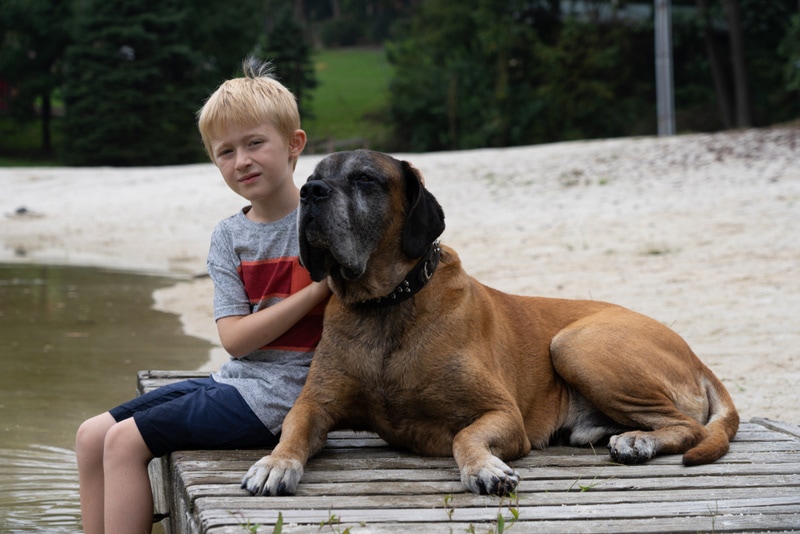
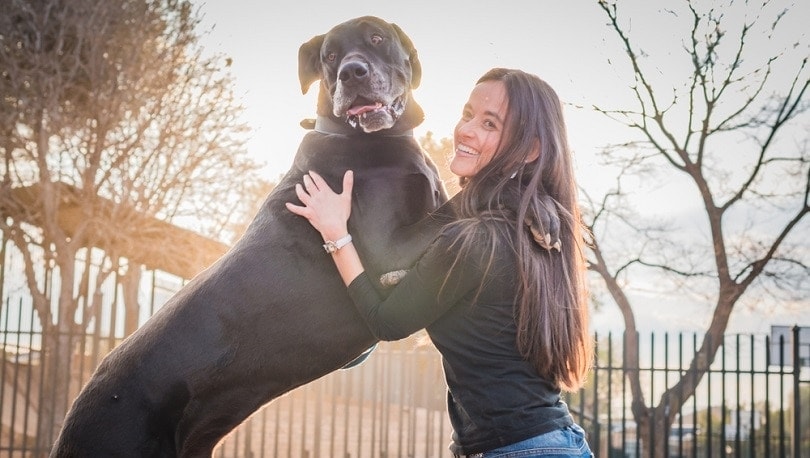
Known as gentle giants to many in the dog world, Great Danes can be excellent family dogs and are generally great around children. Despite their massive size and height, they’re usually gentle around children. Compared to other breeds close to their size, they’re more tolerant of children and can handle roughhousing more than other dogs.
Regardless of breed, all dogs range in levels of tolerance and demeanor. It's important to keep this in mind when looking for a family dog, as no two Great Danes are alike. All dogs are unique and have their own needs, so it’s crucial to find a dog that can handle your home living environment. If you’re not sure which breed will suit your family, a dog may not be a good option for your family.

Is A Great Dane a Good Family Dog?
Great Danes are laid-back, calm dogs as adults, but their energetic puppy stage is relatively short. They’re very loyal to their families and can be protective, but they’re far from aggressive. Danes enjoy spending time with children and may even play with them, though they enjoy watching from a slight distance more than participating. They make great family dogs for semi-active families, but they need a lot of human interaction to prevent separation anxiety.
But it is important to understand Great Danes and their needs. These are giant-sized dogs that can be great family pets, but there are some serious factors to consider when buying a dog this size. Great Danes may be known for their gentle nature, but that can change if they're provoked enough to protect their families.
Size of Great Dane Compared to Humans
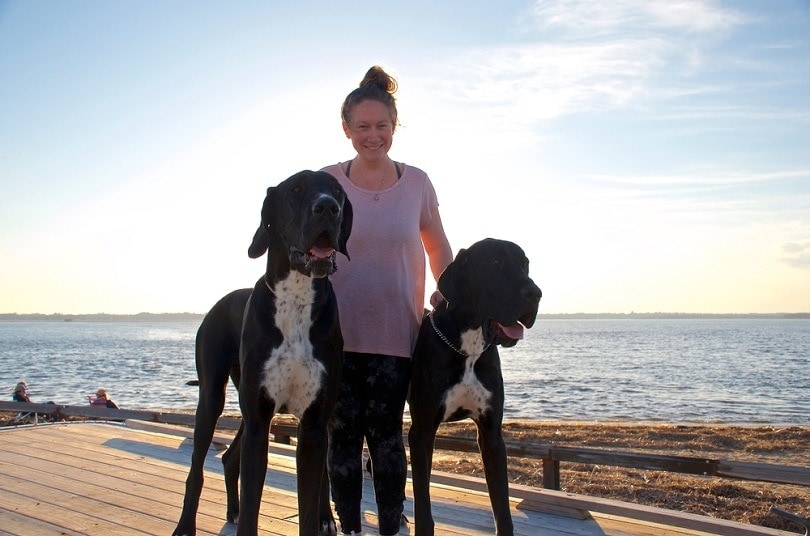
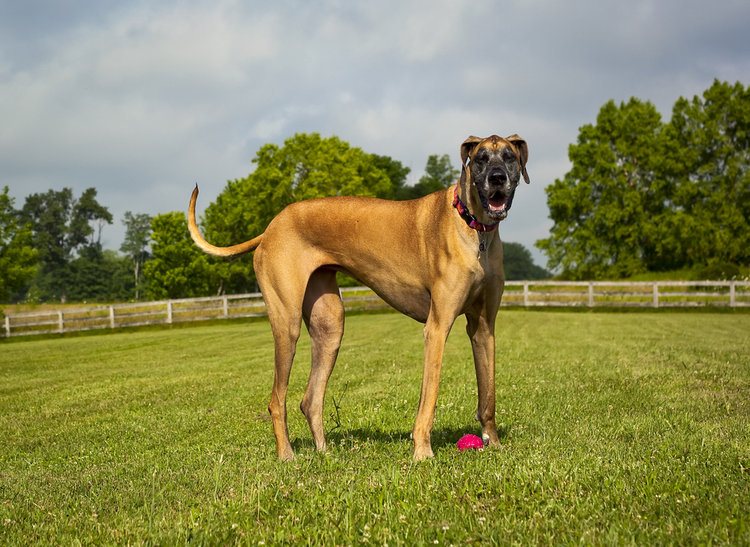
| Height: | 28–34 inches |
| Weight: | 99–200 pounds |
Temperament
Great Danes are reserved, content dogs that enjoy nothing more than hanging out with their families on the couch. Gentle and devoted to their families, Danes are friendly with most people and will only act out in aggression unless extremely provoked to do so. They’re laid-back and calm dogs that enjoy watching over the property and will alert the household of any suspicious activity, so they’re great as watchdogs. However, with other pets in the household, Danes can become jealous and dominant. It’s crucial to socialize them with other animals as soon as possible, which can lessen the chances of this happening.
Trainability
While they can be somewhat strong-willed and stubborn, Great Danes are generally easy-going with training. They do need a confident leader to follow, so they’re best suited for families that have had dogs before. Danes need to be taught boundaries because of their size and their somewhat protective instincts, even with strange children they have not met before. Danes can be sensitive and will not follow harsh training methods, which can lead to resentment and disobedience.
Group training classes are a great way to teach them basic obedience while also socializing them with other humans and dogs. They also need slow introductions with any other pets in their new household to prevent fighting and jealousy, but they can live in harmony with other pets with proper training and patience.
Tolerance
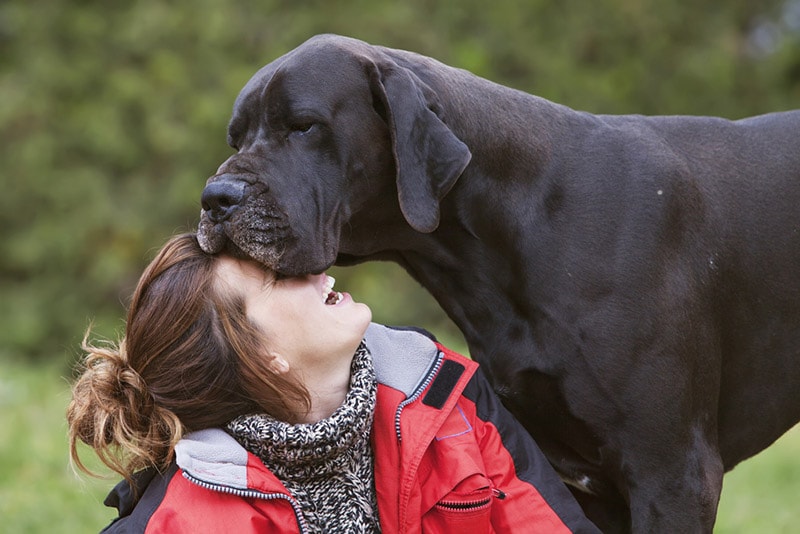
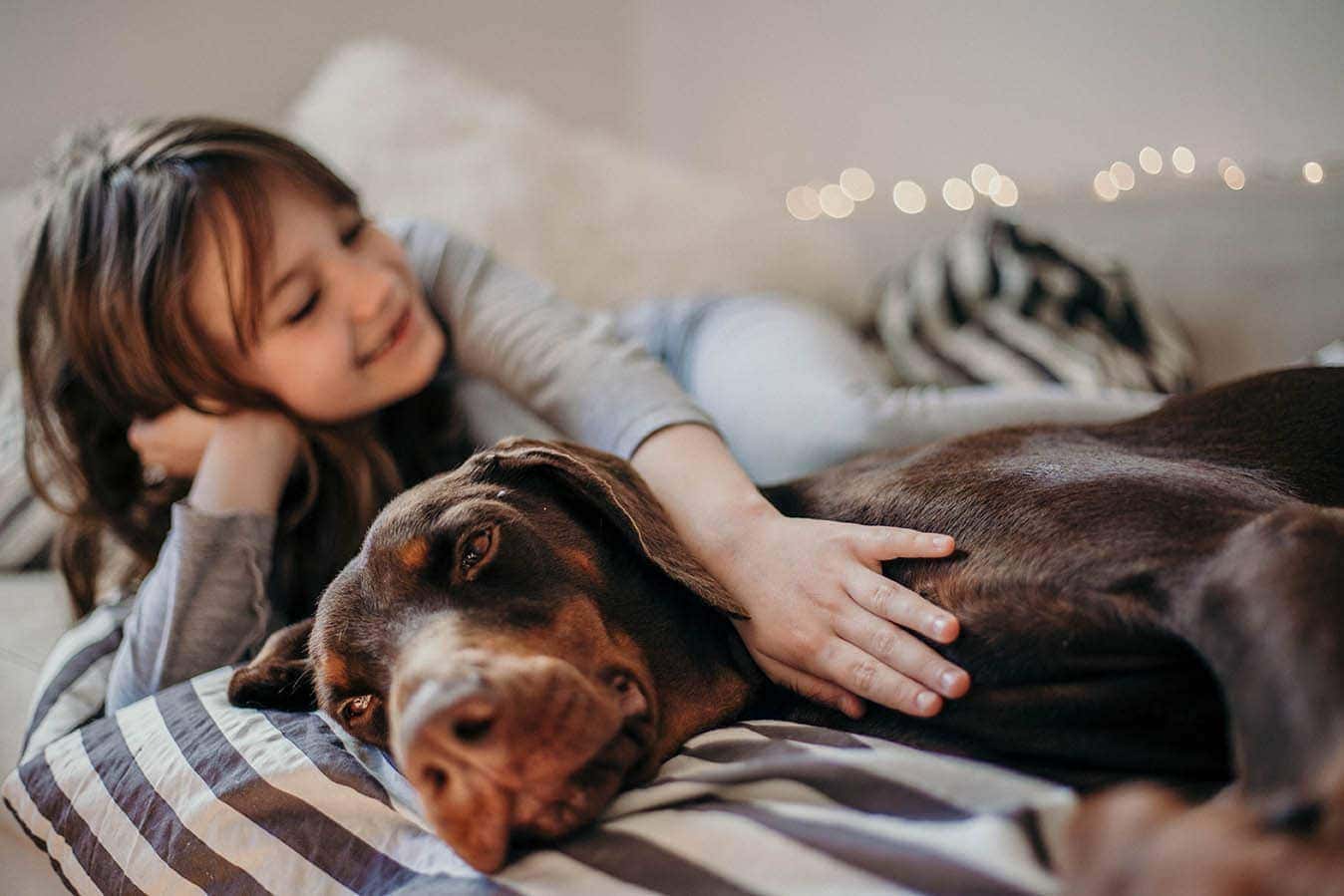
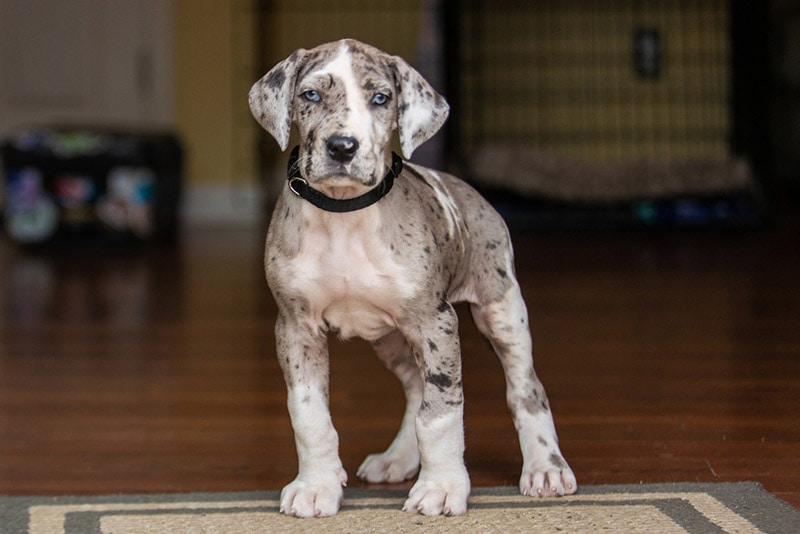
One of the best breeds for families with children, Great Danes truly love to be around children and have a high tolerance for them. Unlike high-strung, high-energy breeds that may be too boisterous or unpredictable around kids, Danes are reserved and calm dogs that enjoy being part of the family. However, that doesn’t mean Danes will never react or snap, as they’re still dogs and will still react if they’ve been pushed beyond their limits. Teaching children to behave properly around dogs is crucial, but they should never be left alone with dogs to prevent unfortunate accidents.
What to Look for When Looking for a Good Family Dog
Looking for a family dog may be a difficult challenge since there are many things to consider. While one breed may tolerate children, they could have other issues that make them less suitable. It’s crucial to consider everything before choosing a dog, regardless of the breed or temperament.
Are Great Danes Good With Kids?
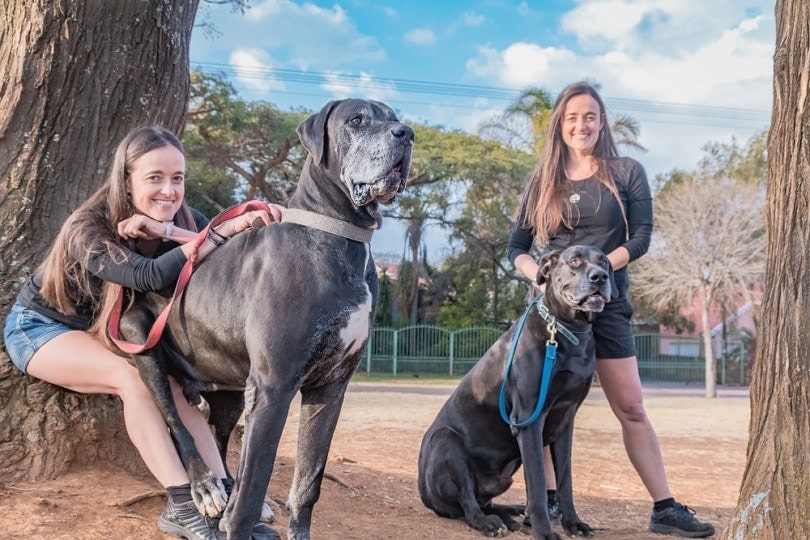
When looking for a family dog, the most important factor is your children’s safety and the dog’s ability to tolerate them. Some breeds are quick to snap or growl at children who are rambunctious or rough, which is a dealbreaker for a family dog. Lots of research and meeting dogs of the breed you're looking into is essential to finding a dog that will be safe around your kids.
As we mentioned before, Great Danes are famous for their gentle demeanors and tolerance for children. They enjoy being part of the family and will watch their kids play for hours, though they prefer watching at a distance to make sure they’re safe and protected. Except for some energy as puppies, Danes tend to understand their strength and won’t knock over children as much as other large breeds.
Lifespan & Health
Few things are more tragic to a child than losing a family pet, and the sad reality is that dogs simply don't live very long. Breeds that are known for being healthy often don't live past 13 years old, so it’s important to consider lifespans when picking a dog. Health issues are another major factor since some health issues are expensive to treat while also being hard on your dog's quality of life.
One of the major drawbacks of Great Danes is their very short lifespan, which is only around 6 – 8 years. Only a few Danes have made it past 8 years old, which is not very long compared to other dog breeds. They are susceptible to multiple serious health conditions (hip dysplasia is the most common), which is why their lifespan is so short. If you’re considering getting a Great Dane, keep in mind that you’ll only have less than a decade with your dog. The short lifespan can affect your children as well, so Danes may not be the dog for you and your family.
Are Great Danes Active?
Puppies can be super cute and perfect in size, but they grow up fast and don’t stop until they’re around two years old. Considering a dog breed’s general size and exercise needs should be second to your child's safety since a 100-pound dog can be way too big for your family's current living situation. If you’re looking for a family dog to fit your lifestyle, make sure that a big, hyperactive dog or a small, reserved dog will thrive with your family.
Great Danes are the tallest dogs in the world, but they’re also quite heavy at around 150 pounds on average. It’s important to picture these massive canines in your house, on your couches, and in your car, drool and all. If you’re not sure you can handle a dog this size, Great Danes are not the right fit. They’re huge and will enjoy sitting on your lap, so skip over this breed if you’re not ready for a massive lapdog. However, since they’re not very active, they’re great for families that are only somewhat active.
Conclusion: Do Great Danes Make Good Pets
Great Danes are great family pets that can do well in the right environments as long as they have enough space to move around. While they can be protective and somewhat stubborn, Danes can do well with most families that have had dogs before. Aside from their insanely tall stature, these Mastiff-type dogs are quite gentle around children.
Related Reads:
Featured image credit: Yuri Nunes, Shutterstock
Get Hepper In Your Inbox


Pet care tips from our vets and experts, straight to your inbox.
You may opt-out at any time. View our Privacy Policy for more information.

Jaimie is a freelance writer fueled by coffee, whether it’s hot, iced, or made from a local coffee shop. She enjoys writing all things coffee, especially if it means trying the latest coffee shop trends (hello cold foam!). After spending years writing poems, college essays, and short stories, it only a matter of time to turn writing into a career. Writing about coffee simply combined two of her favorite things!
When she’s not drinking coffee by the minute and writing at her laptop, Jaimie spends time hiking, exercising, and living an active life. She also loves to snuggle up with a good book and her dog, Margo. If you catch her without a cup of coffee, she’s probably on her way to the coffee maker now.
Join the conversation
Ask a question, share your story, or send private feedback.