Hepper is reader-supported. When you buy via links on our site, we may earn an affiliate commission at no cost to you. Learn more.
Are There Alternatives to E-Collars for Cats? 6 Vet Approved Ideas


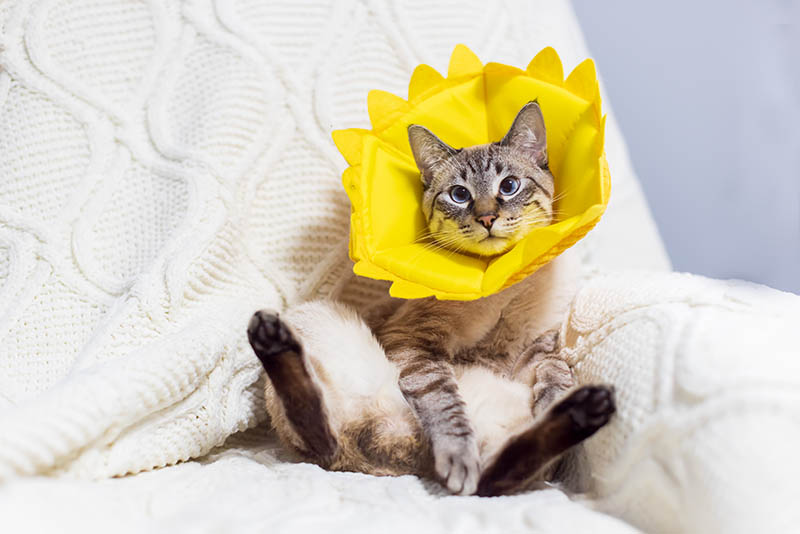
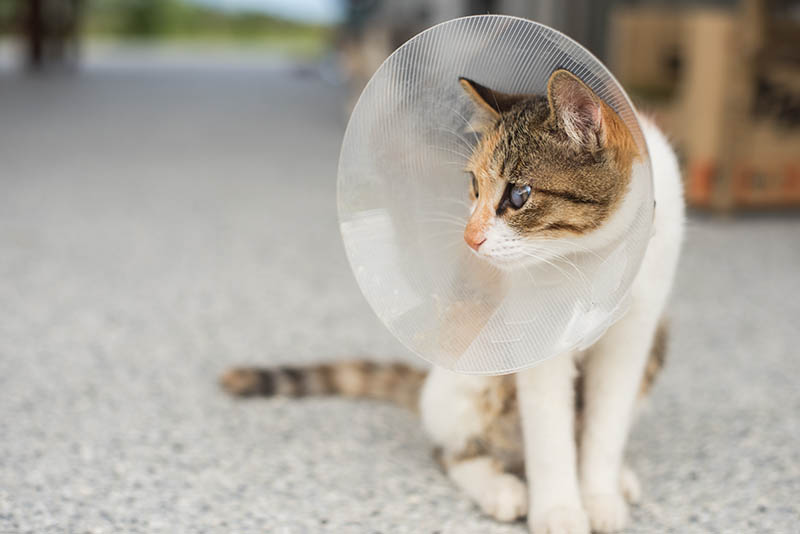
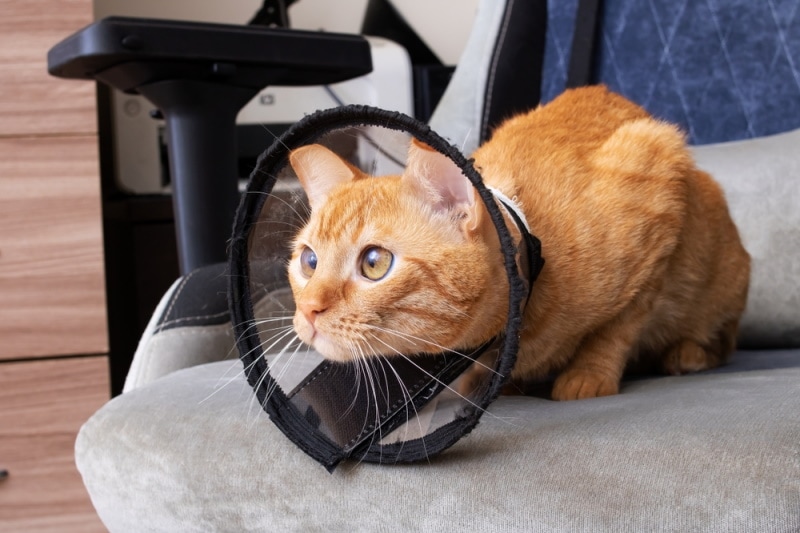
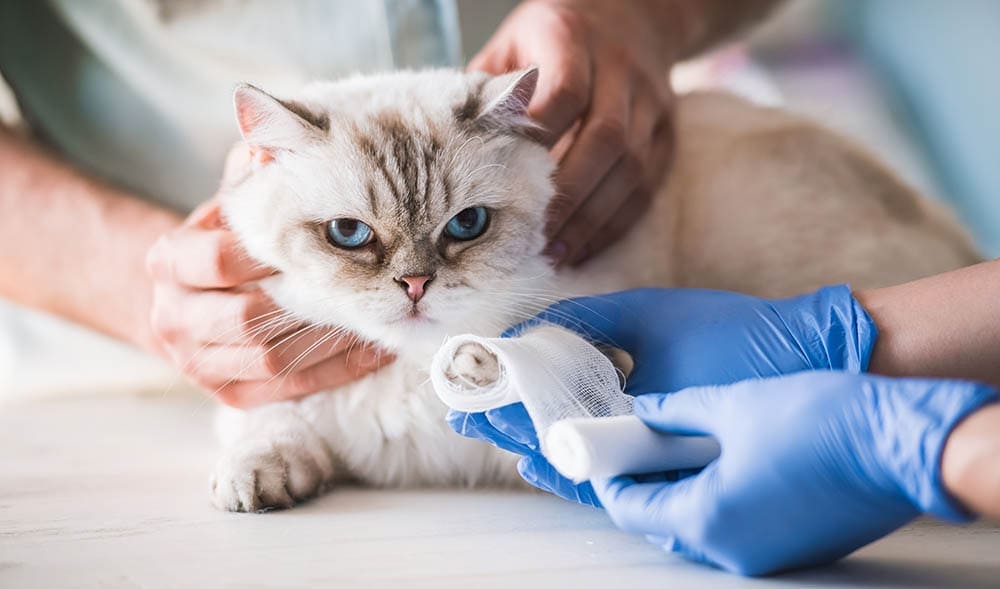
E-collars, also known as Elizabethan collars, help ensure that cats do not bite, chew, or otherwise disturb their stitches while healing from an accident or surgery. The problem is that most cats can’t stand wearing e-collars, and they’ll do anything to get the collar off their body so they can feel free again. Your veterinarian will advise you on the most suitable type of collar for your cat’s particular problem.
If your cat will need an e-collar to recover from surgery or injury, you may be worried that they won’t take kindly to the contraption. It’s not uncommon for cats to try every trick in the book to get to their wounds and find relief from the constriction of the contraption. The good news is that there are alternatives that your cat might like better than an e-collar.

The 6 Alternatives to E-Collars for Cats
1. The Inflatable Collar
Inflatable cat collars are like the neck pillows that humans use while traveling on a plane or in a car for long distances. It’s softer than the traditional e-collar and tends to be more comfortable for cats when they lounge, eat, and play. Also, inflatable collars don’t protrude as much as traditional e-collars, so there is less of a chance that your feline family member will hit and knock things over as they traverse the house.
Although these collars are inflatable, they are made with heavy-duty materials to minimize the risk of becoming punctured. However, they are not indestructible. If a puncture does happen, though, you can always repair the collar with patching tape that comes with it.
2. The Soft E-Collar
This type of collar has the closest design to the traditional E-collar, but as the name suggests, it is soft instead of solid. This enables the walls of the collar to bend and move when necessary for optimal comfort and minimal destruction. Soft e-collars are also not as long or broad as traditional e-collars, making it easier for your kitty to hide in their favorite spots.
The one problem with this type of collar is that it doesn’t stop a cat from reaching their healing wound as effectively as a traditional e-collar. Therefore, soft collars should only be used on cats that aren’t likely to irritate their wound or chew out their stitches.
3. The Paper Plate Collar
This can be a useful stopgap if you need a cone in a hurry and the stores are closed. Making a paper plate collar is an economic option that can work great for cats that are determined to get at their wounds or stitches. Paper plate collars are relatively sturdy and can hold up well to the shenanigans of a cat. Making a paper plate collar is easy to do too, so you can replace it anytime your kitty damages it.
Paper plate collars do not block a cat’s vision as much as traditional e-collars, so they are less annoying overall. Also, you can choose colorful paper plates to make your kitty's temporary collar more festive.
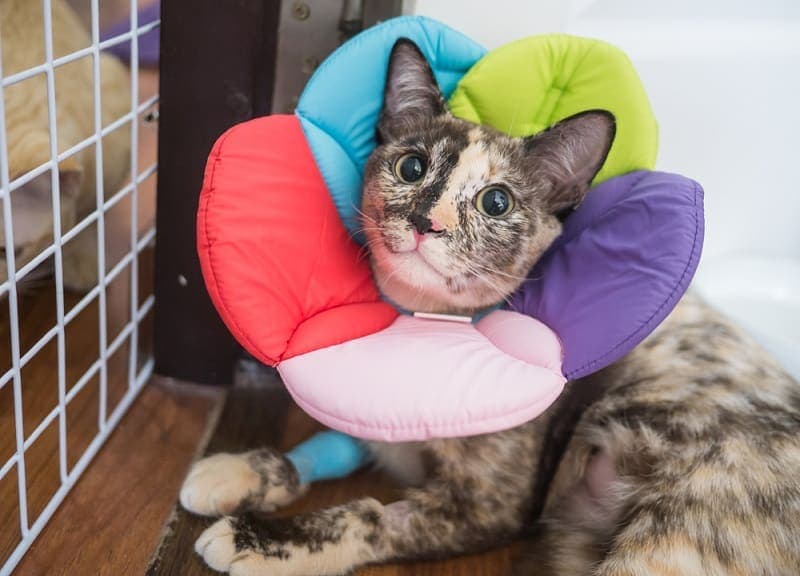
4. The Soft Neck Collar
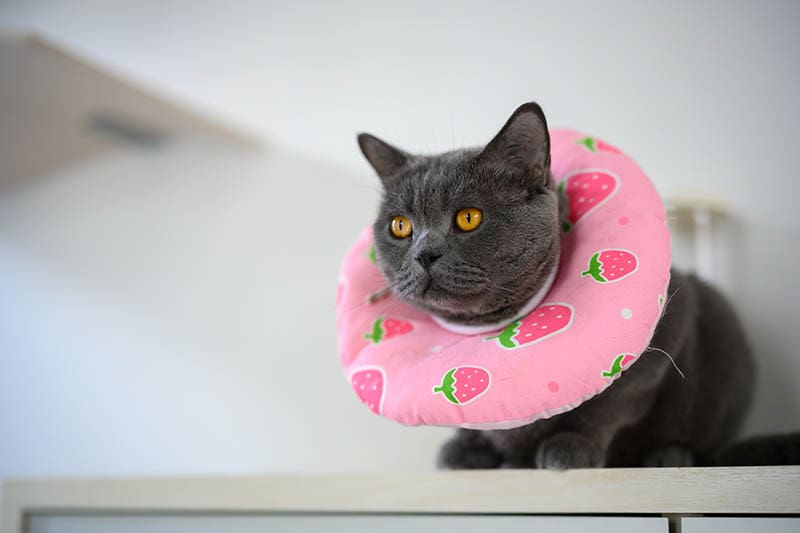
Similar to the inflatable collar but made of soft material and padding. These collars come in all sorts of shapes, sizes, and novelty designs. They offer a comfy alternative to a plastic e-collar but may not stop determined cats from reaching their wound so watch them closely.
5. The Pool Noodle Cat Collar
Large cats may be able to wear a pool noodle collar. If you have an old foam pool noodle lying around in the yard or garage, you can use it to make a custom collar for your cat to wear while they recover from an injury or surgical procedure. The foam is sturdy and will keep your cat from getting to the area on their body that they shouldn’t. It is also much softer than a plastic traditional e-collar, which means extra comfort.
The foam can also be used as a pillow, so your kitty shouldn’t stay awake due to discomfort. Furthermore, foam cat collars can't cause any damage to your walls and furniture like plastic cones can.
Check out this YouTube video to learn how to make a foam pool noodle cat collar at home.
6. Consider Recovery Clothes Instead
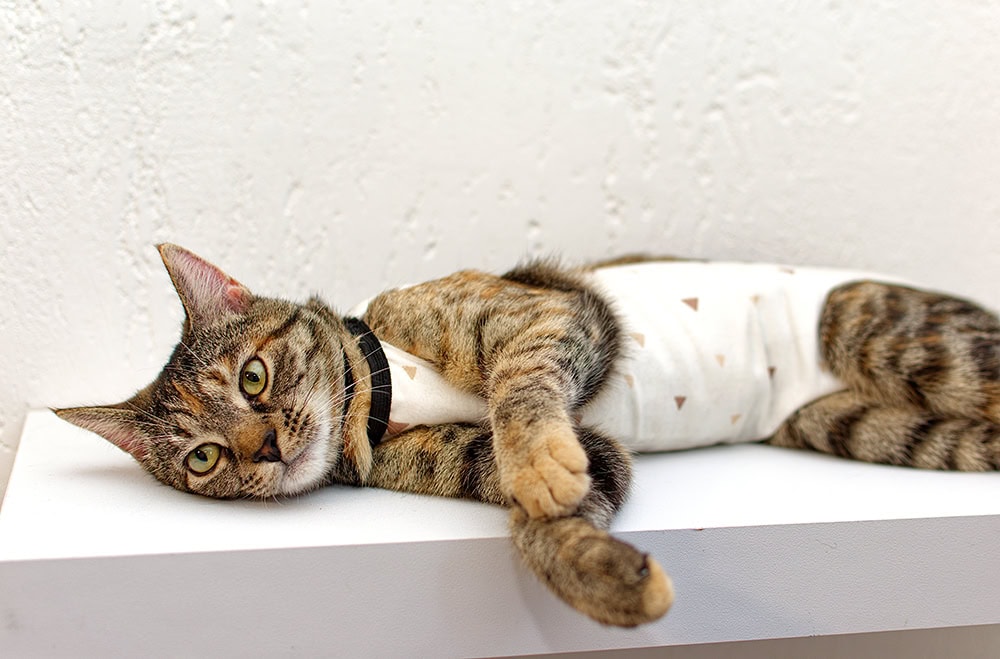
If you want to avoid the “cat cone” e-collar thing altogether, you could try putting recovery clothes on your kitty. These will cover up the wound or stitches so your cat can’t get to the area with their claws or mouth. This method may or may not work for your cat, depending on their attitude toward clothing.
Some cats take to clothing well, while others need time to warm up to the idea.

In Conclusion
Unfortunately, there are times when we cannot avoid the need for a cat cone or e-collar. But with the alternative options outlined here, you should be able to find something that works well for your cat and doesn’t cost a fortune. You may have to try more than one option before finding one that best fits your needs and your cat's comfort levels, but once you do, you'll always know what to rely on whenever your kitty must be protected from themselves during recovery.
Featured Image Credit: Pixel Cat Photo, Shutterstock
Get Hepper In Your Inbox



Pet care tips from our vets and experts, straight to your inbox.
You may opt-out at any time. View our Privacy Policy for more information.
Rachael has been a freelance writer since 2000, in which time she has had an opportunity to research and write about many different topics while working to master the art of fusing high-quality content with effective content marketing strategies. She lives off the grid in Hawaii with her husband, her garden, and her rescue animals including 5 dogs, a cat, a goat, and dozens of chickens. She is an artist at heart and loves to read, paint, and make jewelry in her spare time. As a vegan, Rachael is obsessed with helping animals in need both in her community and anywhere in the world where she feels she can make a difference. Animals also happen to be her favorite topic to write about!
Join the conversation
Ask a question, share your story, or send private feedback.