Hepper is reader-supported. When you buy via links on our site, we may earn an affiliate commission at no cost to you. Learn more.
How To Feed a Cat with a Cone: 7 Vet-Approved Tips

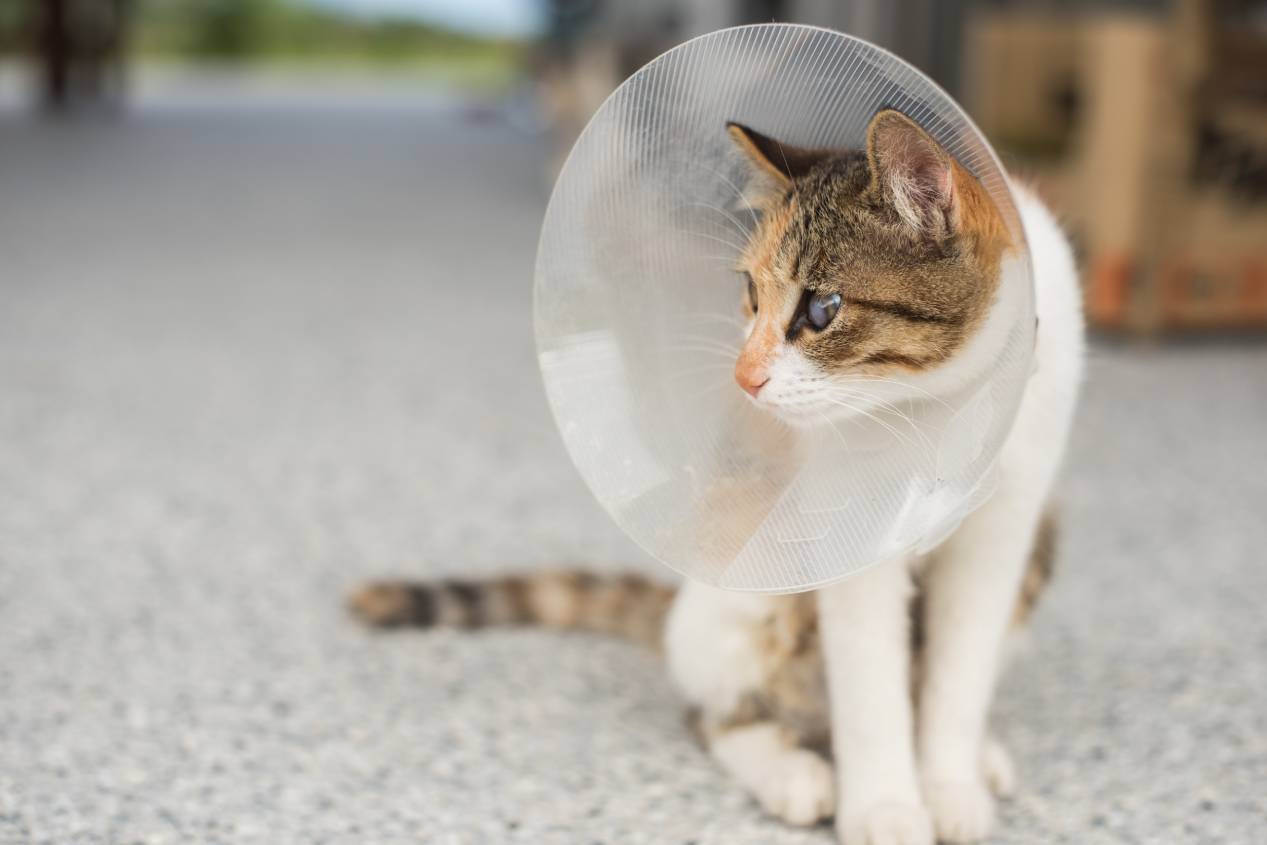
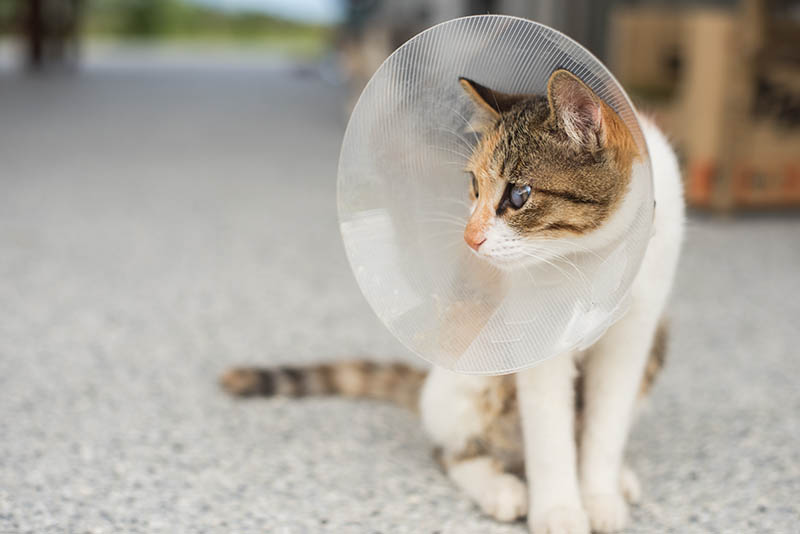
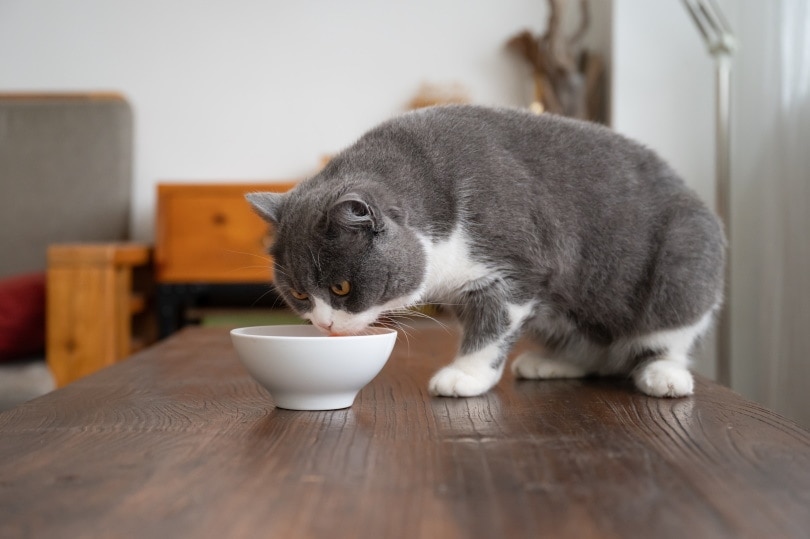
Cats and cones do not always go well together, especially when it comes to mealtimes. The Elizabethan collar (E-collar) or pet cone that cats will wear to discourage them from bothering a wound or stitches can be challenging for cats to eat with. Although there are a variety of different cones your cat could wear, the main material is usually plastic. Plastic cones can prevent your cat from eating their food like they normally would, and it can prevent them from lowering their head properly.
Fortunately, there are some tips you can use to make mealtime easier for your coned feline, so keep reading to find out.

The 6 Tips for Feeding a Cat With a Cone
1. Try Elevating The Food Dish
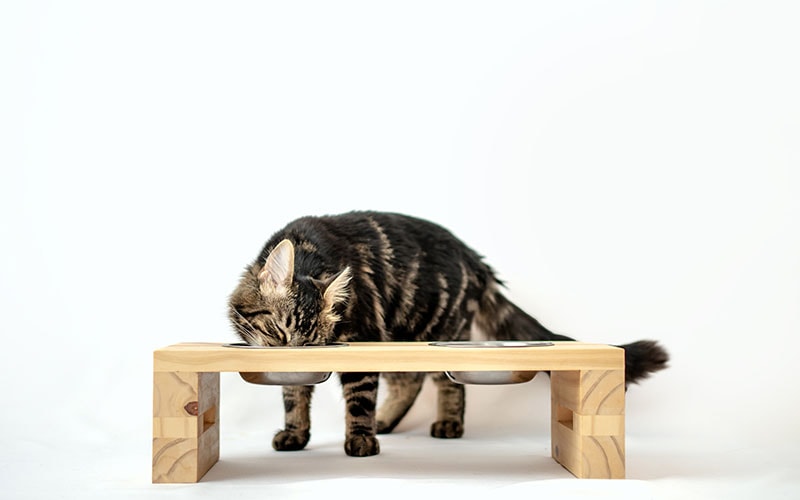
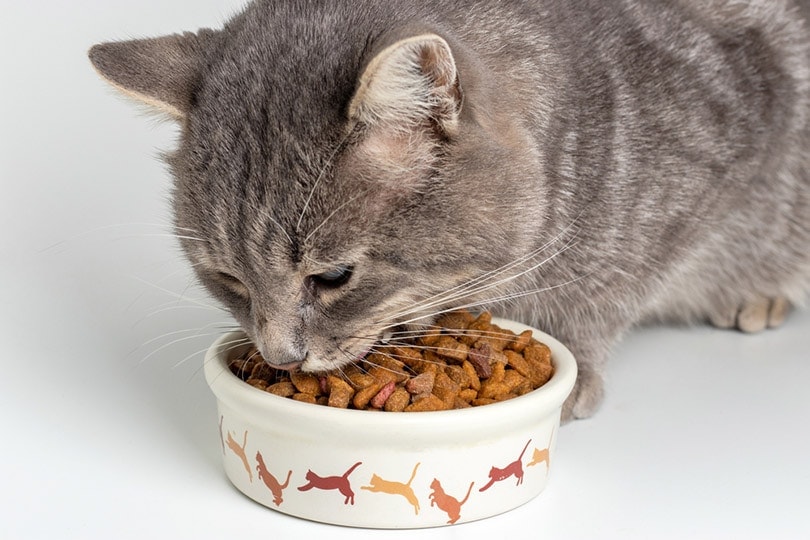
The first tip is to try elevating your cat’s food dish by 2 to 4 inches depending on the size of your cat. If you do not want to use an elevated food bowl, try placing it on a higher surface like a box or storage container from the kitchen. You want to be sure that you don't place it too high, and only elevate it enough so that the cone does not stop your cat from reaching the food. You can get food bowls that have specifically been created to be elevated, making them a better option for situations like this.
2. Hand-Feeding
If the cat is having difficulty eating from any food bowl no matter if it’s elevated or not, you might find that hand-feeding their food is better. Hand-feeding can make it easier for your cat to eat if they have a larger cone on their heads.
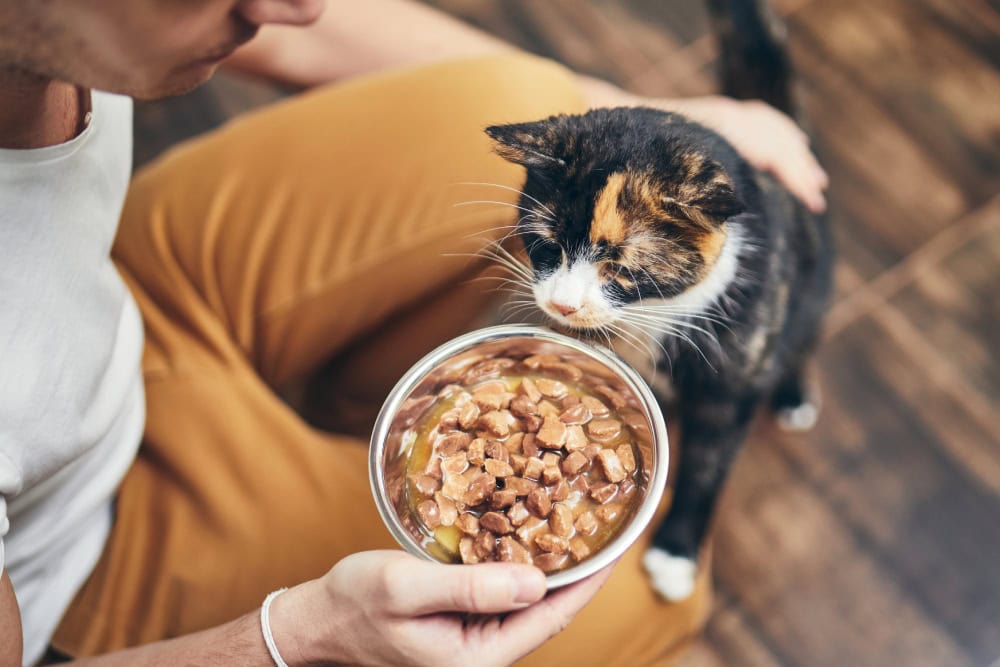
It allows you to bring the food up to their mouths without having them struggle to find a comfortable eating position with a bowl. You can choose from feeding the kibble directly from your hand or positioning the bowl in a way that your cat can eat it without much struggle. The latter is quite helpful if you are feeding your cat wet food.

3. Using Soft Cones for Feeding
Even though plastic cones are the most common and easiest types of cones to keep clean, swapping out the plastic cone for a soft one might make it easier for your cat to eat or drink. Of course, this should be done with guidance from your cat’s veterinarian. These types of collars will be made from a breathable and comfortable material that can be fitted around your cat’s neck.
Since they are soft and flexible, they allow your cat to eat from a bowl without having to maneuver their bodies to get a comfortable eating position. You can also get the option of cones that have a soft material on the base, which might make it easier for your cat to lower their head and eat. The only downside is that the collar may get dirty from the food and you will probably have to give them a thorough wipe afterwards.
4. Removing the Cone for Mealtimes
If your cat is absolutely refusing to eat with a cone on their necks, it is time to speak to the veterinarian about possibly removing it during mealtimes. However, you will need to constantly supervise your cat to ensure that they aren’t licking or scratching at any stitches or wounds. Once your cat has finished eating, the cone needs to be placed back around their neck.
You should ideally use this method in a secure location such as a bathroom or small office where you can close the door. This prevents your cat from running away without their cone during feeding time before you get a chance to put it back on.

5. Switching To An Adjustable Cone
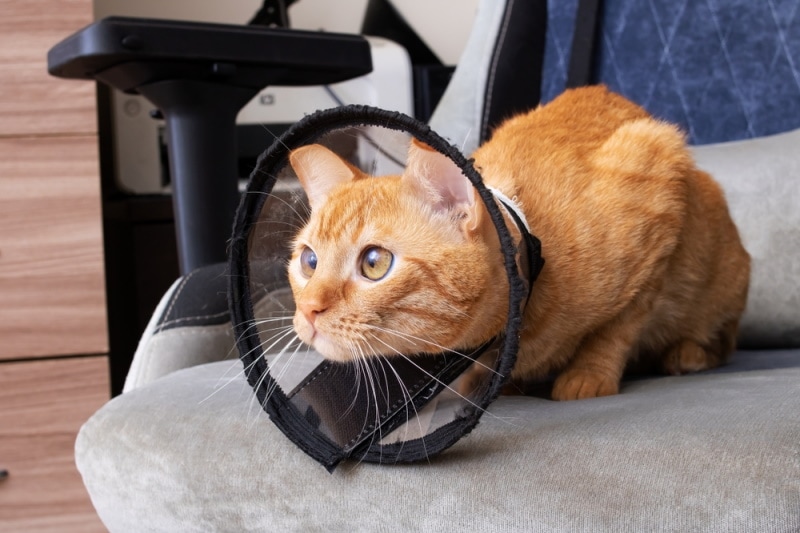
Aside from plastic or soft cones, there are options where the plastic can be removed from the cone, or the fit can be adjusted to make it comfier for your cat. The cone itself can be collapsed backward on your cat so it is easier for your cat to eat or drink, such as the All Four Paws E-collar. However, these types of cones can be more expensive than standard plastic ones, but their benefits make them worth the price. These types of cones make mealtimes easy for your cat, especially if you find it difficult to remove and reapply the cone on your cat.
6. Trying an Inflatable Collar
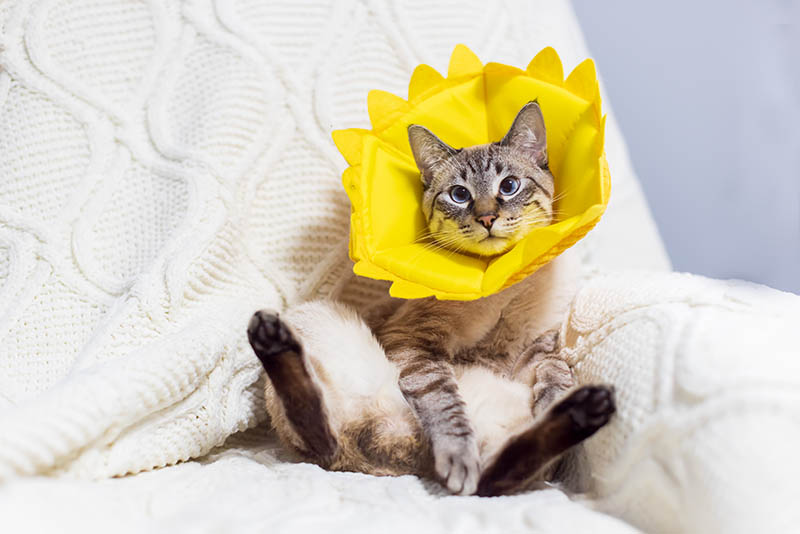
The last alternative to a plastic collar is the inflatable or donut-style collar. This type of collar can make your cat’s life easier since it just covers your cat’s neck like a big donut. Inflatable collars are not suitable for all situations in which your cat needs a protective collar since your kitty might be able to reach certain body areas wearing it. It is worth speaking to your vet about the possibility of switching to one of these and making mealtimes an easier and more enjoyable task.
7. Using Shallow Feeding Dishes
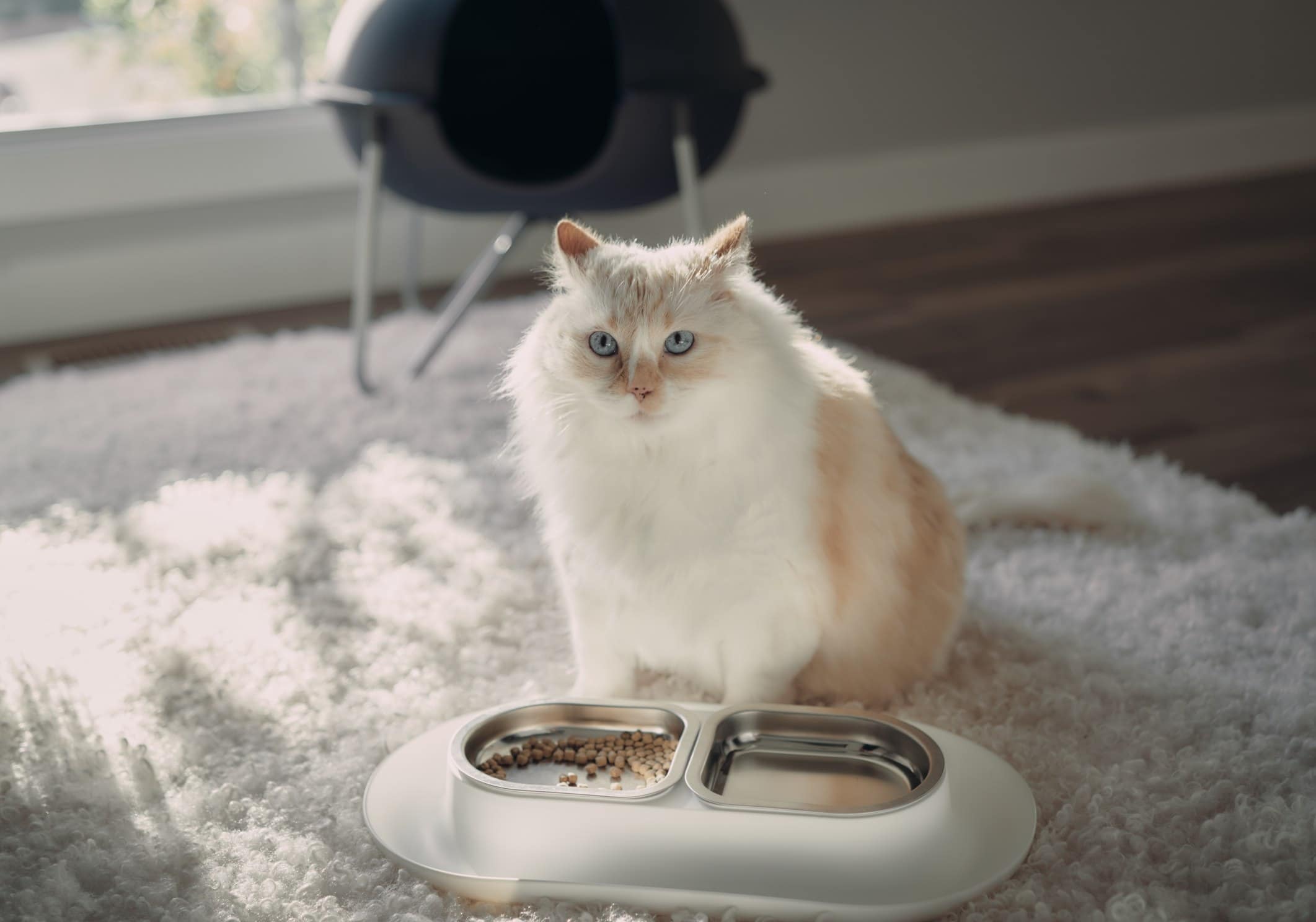
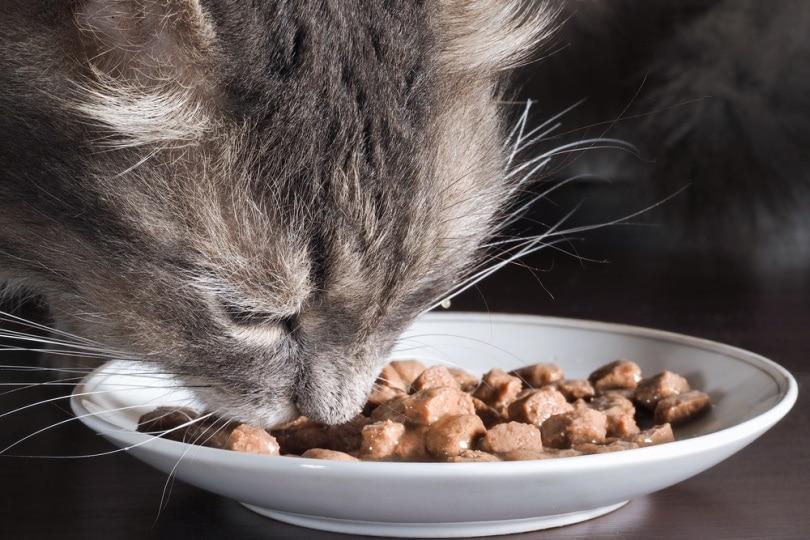
A bulky plastic cone can make it difficult for your cat to eat their food in deeper bowls. This is why switching to a shallow and wide feeding dish while your cat is using the cone can make it easier for them. Since the cone might already be irritating your cat’s face and whiskers, the shallow feeding dish can prevent any further irritation that can discourage your cat from eating.
Our cats deserve the best when it comes to their food and water dishes. These essential items must be well designed with the specific needs of our felines as top priority. Our Hepper NomNom Cat Bowl is a modern, whisker-friendly option that serves as an all-in-one pet dish. The removable stainless steel bowls are shallow for optimum comfort and slide securely into a PP plastic tray with a wide lip tailored to catch any overflow. This bowl is entirely dishwasher-friendly, too, which helps with tidying up (and will keep your cat happy)!

- NO MESS - The 360° tray on this cat food and water bowl set has a raised design to catch and contain stray crumbs and drips. Protect your indoors and floors from wet and messy meals!
- WHISKER FRIENDLY - Shallow and wide metal containers with flat bottoms ensure your kitty can enjoy mealtime free from whisker fatigue!
- CHEW-SAFE MATERIALS - Kittens and cats love chewing on silicone and soft rubber - but it's a choking hazard. Our cat feeding station materials are anti-chew for a 100% safe feeding frenzy!
Why Do Cats Need To Wear Cones?
Cats will generally wear a cone after surgery to prevent them from licking, scratching, and biting a wound. This can lead to infections or pulling out any stitches from surgery. Cones may also be used on cats with skin issues, such as allergies, or behavioral problems causing excessive grooming that has eventually led to open sores on the cats’ bodies. It works as a type of protective shield that prevents your cat from moving their head to access the affected areas of their bodies.
These cones are given by veterinarians, but you can purchase different types of cones for your cat if you find that the traditional plastic ones aren’t working for your cat. There are different cones that you can use for your cat, and they have different features that may be better for your cat than others. Most cats aren’t too pleased about wearing cones, but it is medically necessary for certain situations.
Conclusion
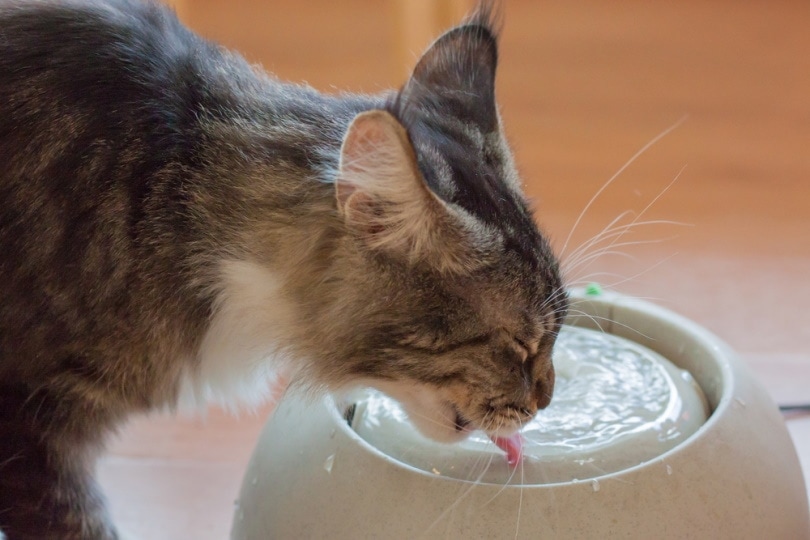
It is important that your cat can eat and drink properly when they are wearing a cone, and you might have to make a few adjustments to their lifestyle while they have it on. Most cats will need to adjust to wearing the cone, and the reason for needing the cone may already be affecting their appetite.
This is quite common for cats who are in pain or have recently come back home after surgery. Making your cats’ mealtimes more comfortable and ensuring they are drinking enough water and eating enough food is essential for a speedy recovery.
Sources
Featured Image Credit: Elwynn, Shutterstock
Get Hepper In Your Inbox


Pet care tips from our vets and experts, straight to your inbox.
You may opt-out at any time. View our Privacy Policy for more information.
Sarah is residing in South Africa with her partner and pets. She currently is interested in veterinary science and ichthyology, which she wants to study alongside her main passion: pet content writing. Sarah has over 60 fish including goldfish, tropicals, shrimp, and snails. She also keeps hamsters and a tarantula and wishes to provide quality content for readers and allow others to learn from her knowledge and experience. Sarah has much experience in all aspects of pet care, and providing the world with knowledge on ethical pet ownership is her lifelong dream.
Join the conversation
Ask a question, share your story, or send private feedback.