Hepper is reader-supported. When you buy via links on our site, we may earn an affiliate commission at no cost to you. Learn more.
Benefits of Coconut Oil for Dogs: Vet Explains the Uses, Risks, & FAQ

In this article
With millions of products, opinions, choices, and misinformation out there, it has become increasingly difficult to decide what is right for you and your dog. These days, top search results are provided by influencers and pseudocelebrities and driven by advertising and clicks rather than experts in the field and being backed by genuine research. Some information can be confusing, inaccurate, or even dangerous, so with many owners wanting to explore more natural products for their pets, it is important to know what is safe and what is not.
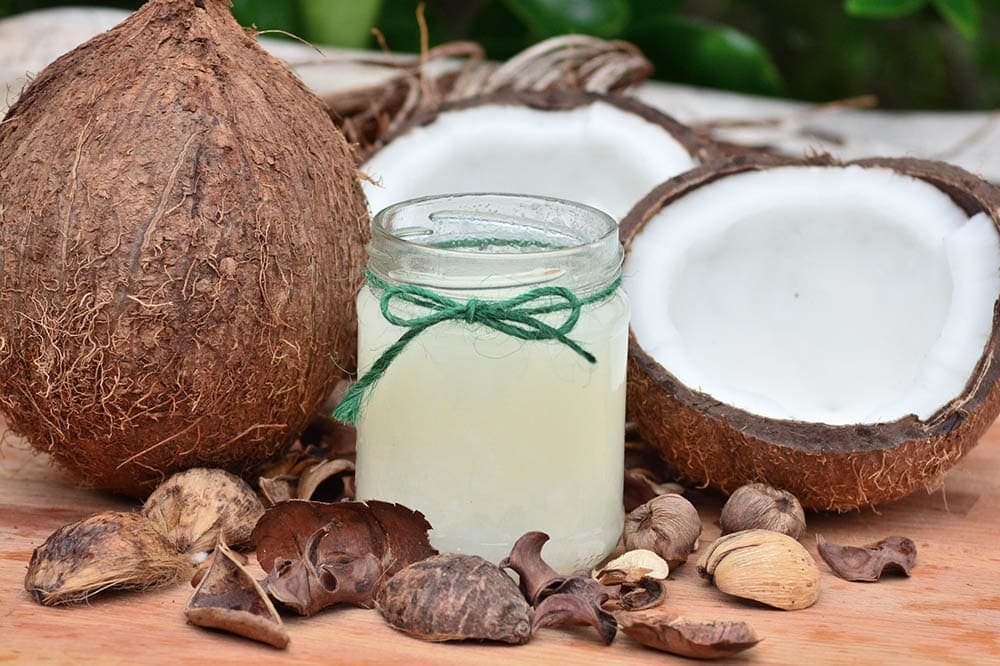
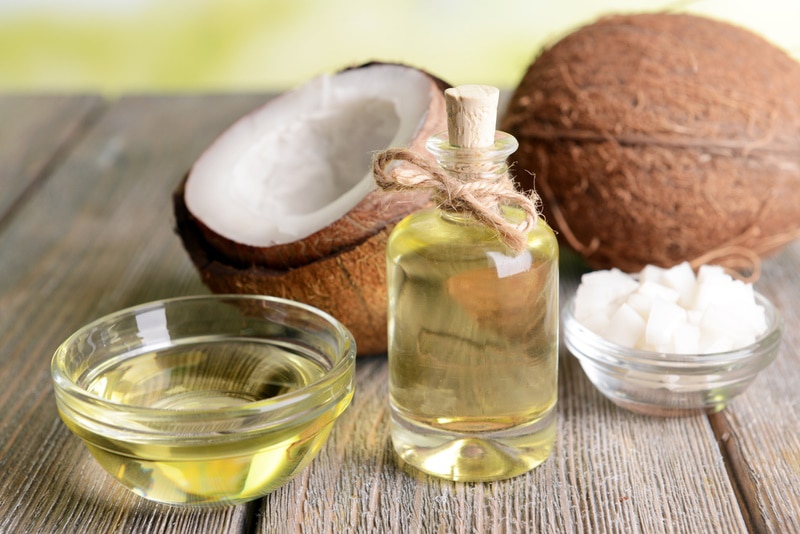
One natural product that is increasing in popularity is coconut oil. Gaining traction as an eco-friendly alternative to environmentally disastrous palm oil, coconut oil is being credited with helping people lose weight, feeling healthier, and moving more comfortably, which sounds almost too good to be true—mostly because it is. Known for its tropical scent and unmistakable flavor, is coconut oil really the health superstar it claims to be? And more importantly, is it safe for our dogs?

What Coconut Oil Is and What It Isn’t
Legend says that thousands of years ago, the Demi-God, Maui, killed a giant eel that had been plaguing his island, and from the head of his slain foe, the first coconut tree grew. Now, this may not be an entirely accurate account of the plant’s history, but it is true that the coconut tree has been part of human culinary and beauty practices for approximately four millennia. Originating from the Polynesian and Indian Ocean Islands, the coconut was a versatile tree, providing food, fresh water, building materials, fibers for ropes, and fuel for fires. As people spread across the globe, the usefulness and unique flavor of the coconut gained popularity, and it has become a common ingredient in recipes and beauty regimes.
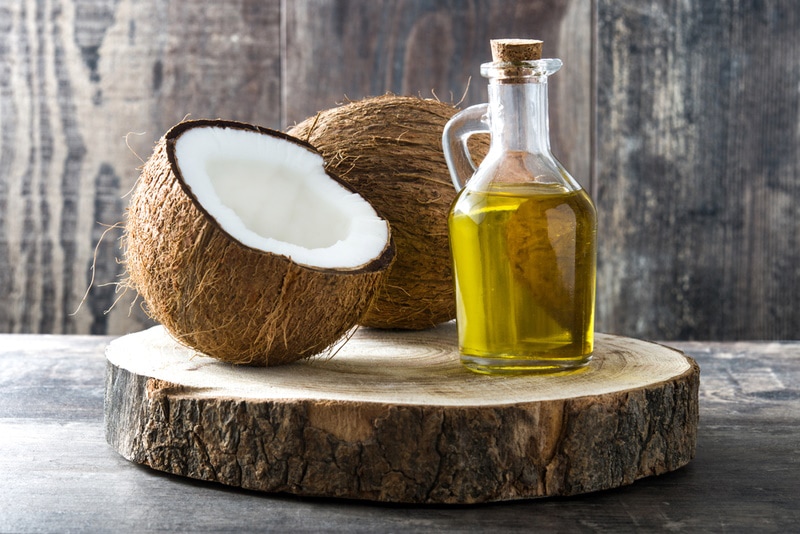
There are two main forms of coconut oil: refined oil and raw, or virgin, oil. The latter is made by pressing the oil from grated coconut and retains the distinctive smell and flavor. It is used in skin and hair products, as well as cooking and baking.
Refined coconut oil is the form usually used in high-temperature cooking and supplements, having been processed and bleached, leaving it virtually odorless and flavorless. This oil contains medium-chain triglycerides (MCTs) and it is these MCTs that have “experts” selling coconut oil as a revolutionary weight loss tool.
MCTs are more readily broken down and made available to be used by the body as energy rather than stored as adipose tissue, helping to promote satiety (feeling full). However, commercially available coconut oil is mostly comprised of lauric acid, which is not an MCT, so these claims are largely based on experimentally manipulated forms of coconut oil and do not apply to the coconut oil we find on health food shelves.
Other reported health benefits of coconut oil are improved brain function, joint mobility, heart health, and skin condition. These are known qualities of the essential fatty acids (EFAs) of the omega-3 and omega-6 groupings, of which coconut oil contains none.
Coconut oil contains 0% protein, 0% carbohydrates, 0% fiber, and is virtually 100% fat, most of which is in the form of the saturated fat lauric acid, which has actually been found to increase cholesterol and contribute to heart disease in humans when consumed in too high a quantity.
Based on the evidence, the main benefits of coconut oil are in creating soft, pleasant-smelling skin and hair and as a more sustainable alternative to palm oil. These facts are also true when applied to our canine friends.
Is Coconut Oil Safe for Dogs?
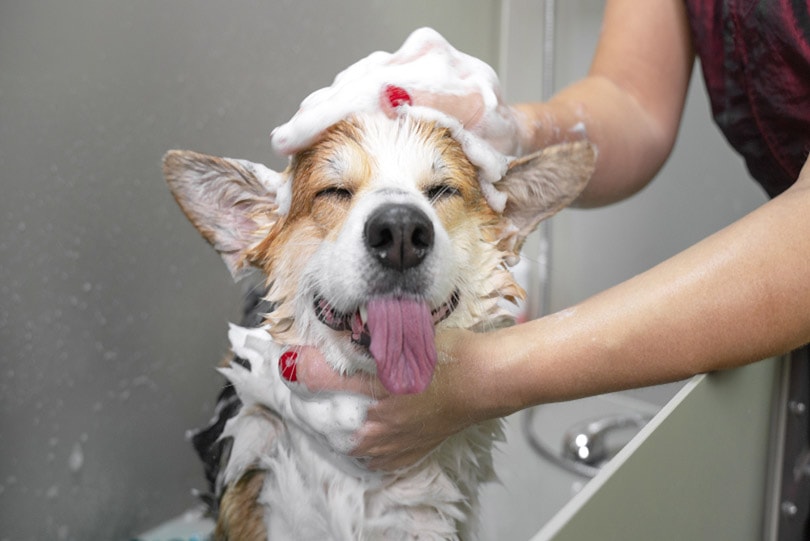
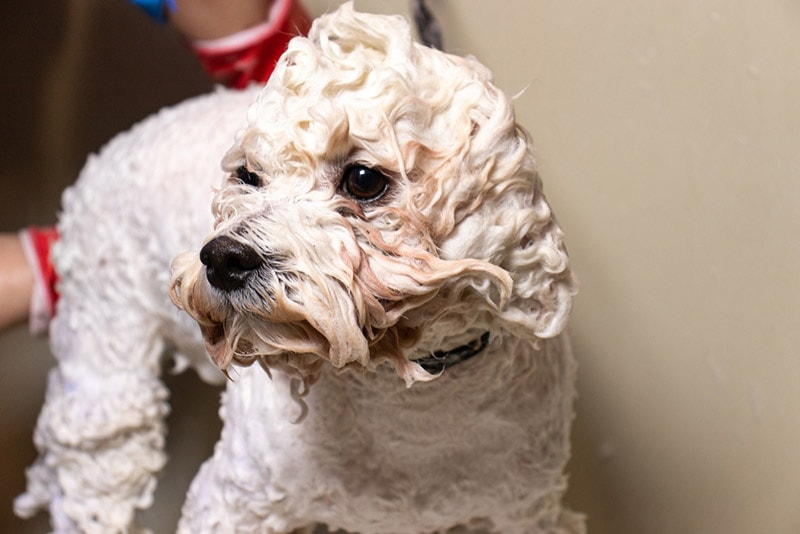
As an ingredient in pet shampoos and conditioners, coconut oil is completely safe, and, unless your dog is sensitive to coconut (very rare), their skin and coat will likely benefit from its moisturizing effects.
Applied to the skin directly, coconut oil can provide a safe and soothing balm to dry, flaky, or mildly irritated skin, particularly on noses and paws, but should never be used on skin that is raw, bleeding, moist, or has signs of infection. Because moisture can make some skin conditions worse, you should always check with your vet before using it. In many instances, it can be beneficial, but it is important to rule out infection first. One of the main advantages of using coconut oil to soothe dry skin is that it is not toxic if licked off.
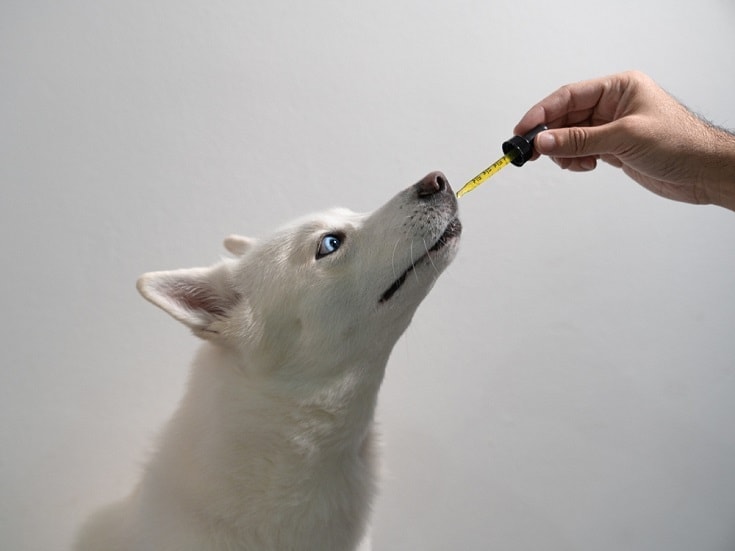
As an oral supplement, it is unlikely that coconut oil will provide any real benefits. It lacks the essential fatty acids (EFAs) that can provide health benefits to the skin, coat, heart, joints, and brain, which are found in many plant and fish oils.
Is Coconut Oil Harmful to Dogs?
Coconut oil is neither toxic nor dangerous to dogs; however, it is pure fat, and large amounts can cause pancreatitis and lead to obesity. One tablespoon of coconut oil contains 120 calories—one-fifth of a 20-pound (9 kilograms) dog’s daily requirement. With very few health benefits, there is little to be gained by feeding coconut oil to your dog. However, as discussed previously, it is a safe option for adding moisture, shine, and a tropical scent to your pampered pooch’s skin and coat.

FAQ
Is Coconut Oil Healthy?
Compared with animal-based oils like butter or lard, coconut oil is a healthier option. However, containing a large amount of saturated fats makes it the least healthy of all the plant-based oils.
What Are Healthier Alternatives When Making Home-Prepared Dog Food?
Olive oil, corn oil, sunflower oil, or canola oil are all healthier alternatives when preparing dog food at home.
What Are the Best Ingredients for Improving Health?
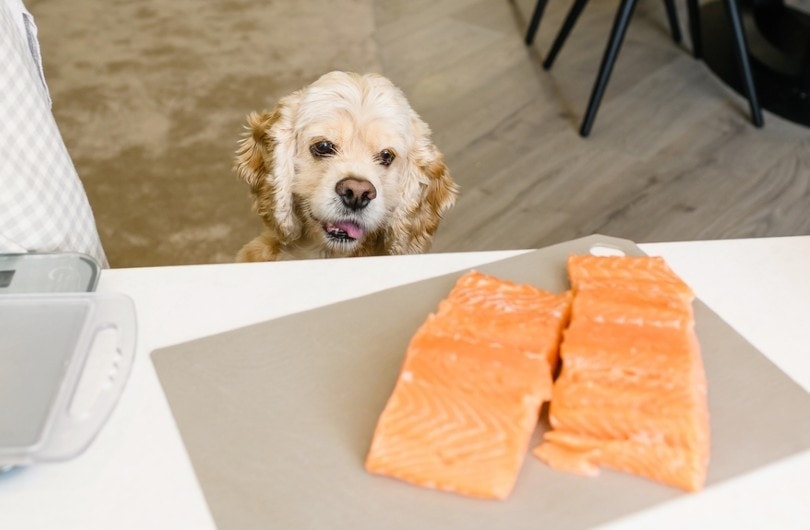
In terms of health benefits, dogs (and humans) benefit most from the omega-3 and omega-6 essential fatty acids (EFAs). Fish oils, particularly from fatty cold-water fish, like mackerel, tuna, or salmon, are particularly high in EFAs, as are flaxseed, sunflower, and canola oils, and many nuts and seeds like walnuts and chia seeds.
What Should I Do if My Dog Eats Coconut Oil?
Firstly, don’t panic. Coconut oil is not toxic, but if your dog has eaten a large amount, it may make them sick and cause some nasty diarrhea. Try to work out how much your dog has eaten and contact your vet for more advice.
Depending on how much they have eaten and how long ago it was, they may advise:

Summing Up
Coconut oil is increasing in popularity due to its ability to be farmed more sustainably than palm oil, making it an ideal replacement for this diversity-destroying crop. It has a wide range of uses and applications in the food and beauty industry and is gaining popularity as a health supplement for humans and dogs. Although it makes a non-toxic and moisturizing option for improving skin and coat conditions from the outside, there is little evidence to support the health claims currently being made.
Sources
https://source.wustl.edu/2011/06/deep-history-of-coconuts-decoded/
https://www.healthline.com/nutrition/refined-vs-unrefined-coconut-oil#production
https://www.hsph.harvard.edu/nutritionsource/food-features/coconut-oil/
https://www.health.harvard.edu/blog/healthy-oils-at-home-and-when-eating-out-202204122724
Featured Image Credit: Africa Studio, Shutterstock
Get Hepper In Your Inbox


Pet care tips from our vets and experts, straight to your inbox.
You may opt-out at any time. View our Privacy Policy for more information.
Karyn has lived in the UK for the past 10 years after moving from Queensland, Australia. In 2010, she graduated from The University of Queensland School of Veterinary Science, and also holds a Bachelor’s degree in Zoology. Karyn is passionate about using evidence, experience, and owner collaboration to provide the best solutions for pets, and believes in making reliable information about animal health accessible to all. She shares her home with 5 cats, 4 dogs, and 1 husband, and when she is not practising as a veterinary surgeon, she spends her time writing, gardening, and cleaning up pet hair!
Karyn comes from Queensland, Australia, but has lived in the UK for the past 10 years. She is passionate about using evidence, experience, and owner collaboration to provide the best solutions for pets, and believes in making reliable information about animal health accessible to all.
She shares her home with 5 cats, 4 dogs and 1 husband, and when she is not practising as a veterinary surgeon, she spends her time writing, gardening, and cleaning up pet hair!
Education
In 2010, Karyn graduated from The University of Queensland School of Veterinary Science and also holds a Bachelor’s degree in Zoology.
Experience
Dr. Kanowski has worked in small animal practice, both in Australia and the UK, and she will be very happy if she never has to see another post-Brexit Animal Export Certificate again! Karyn has special interests in acupuncture and canine behavior and loves challenging surgical cases.
Join the conversation
Ask a question, share your story, or send private feedback.