Hepper is reader-supported. When you buy via links on our site, we may earn an affiliate commission at no cost to you. Learn more.
Can Dogs Drink Coconut Milk? Vet-Approved Benefits, Drawbacks, & FAQ


In this article
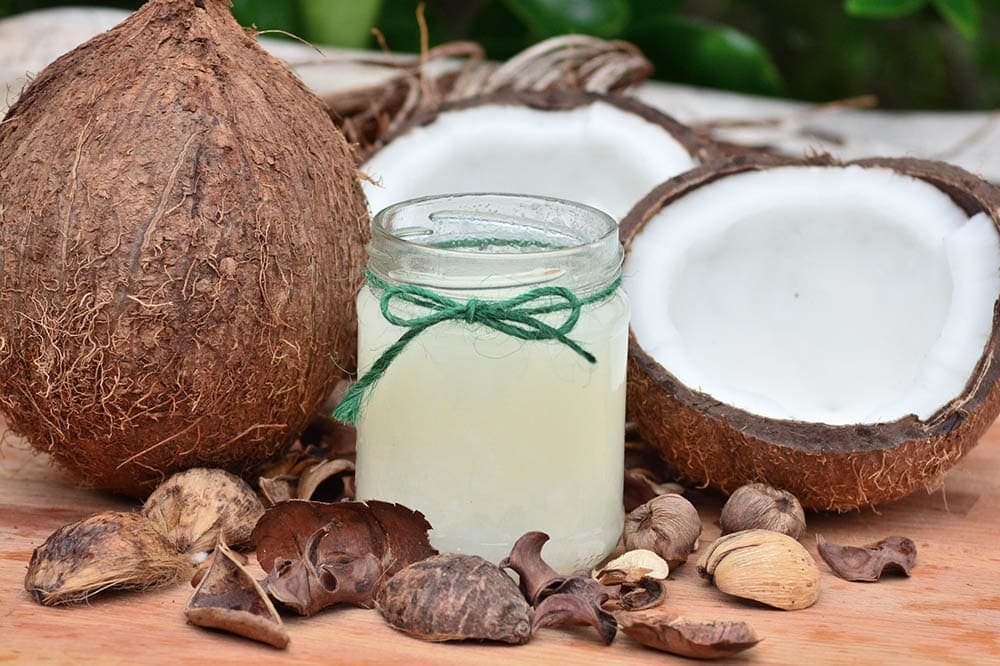
Switching from dairy to coconut milk has several potential benefits, both in terms of your health and environmental impact. We all know that dogs can’t consume a lot of dairy, so you might be wondering if they can have coconut milk. The answer to this question depends on exactly what type of coconut milk we are discussing; the ingredient or the drink.
In each case, coconut milk is safe for dogs, but the difference between the two is in the quantity. If you’re considering adding coconut milk to your dog’s menu, let’s take a look at whether dogs can drink it, and how much you should offer.

Types of Coconut Milk
There are generally two types of coconut milk at the grocery store; the plant-based beverage, and the creamy textured ingredient used in cooking. For simplicity, let’s call them coconut drink and coconut cream. The main difference between the two is in the concentration of the coconut milk itself, and the fat content.
Both forms of coconut milk are safe for dogs to drink, provided they are free from harmful ingredients like xylitol (an artificial sweetener), chocolate, and caffeine. Coconut cream has a fat content of around 15–20%, whereas coconut milk is usually around 5%, so we would not want to include too much of the cream variety in our dog’s diet.

Is Coconut Milk Safe for Dogs?
Dogs can drink coconut milk without adverse reactions when you give it to them sparingly. Coconut cream contains thickening agents which, although safe, may cause gastrointestinal upset or diarrhea in high quantities. In addition to this, long-term consumption of the cream can lead to weight gain and obesity, and eating a large amount in one go can trigger conditions like pancreatitis.
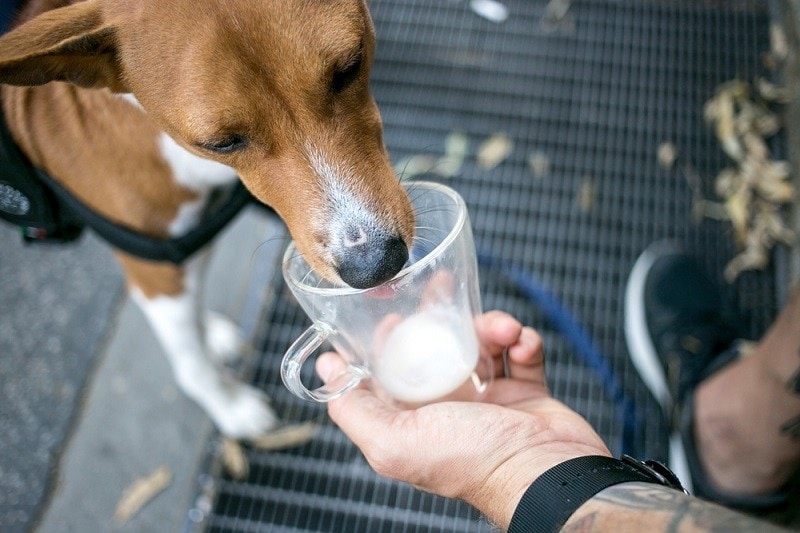
Unsweetened coconut drink is perfectly safe to offer your dog as a treat. As with offering anything new to your pet, always test a small amount first to ensure they have no adverse reactions, and check with your veterinarian if you aren’t sure, especially if your dog has any health conditions.
So we know that coconut milk is generally safe, but are there any benefits for our dogs? Let’s find out.
Benefits of Coconut Milk
There are a number of benefits of choosing coconut milk, though perhaps not as many as we might think. The main benefit of using coconut milk is that it is a lactose-free, cruelty-free, low-allergen alternative to dairy. It is also far more environmentally friendly than dairy milk farming. It contains a few essential nutrients like fiber, vitamin C, magnesium, and iron, but is low in calcium and protein. The unsweetened form contains no sugars or carbohydrates. Overall, there are very limited nutritional benefits for dogs to be found in coconut milk.
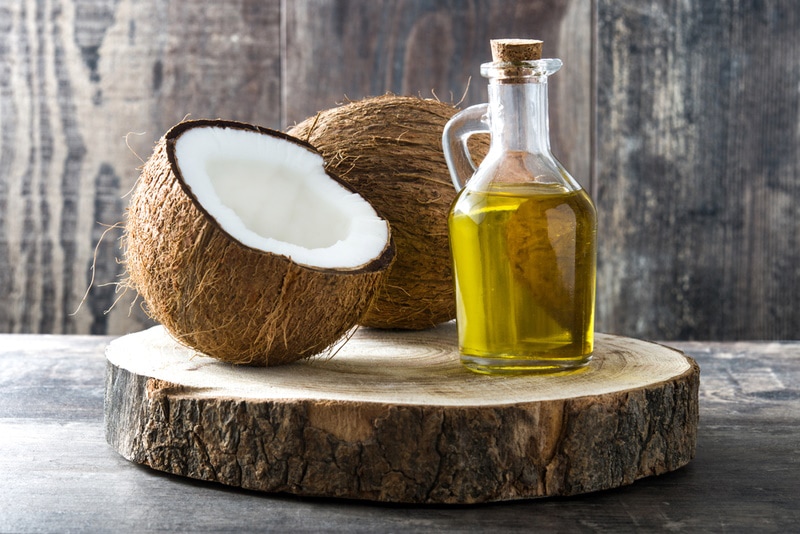
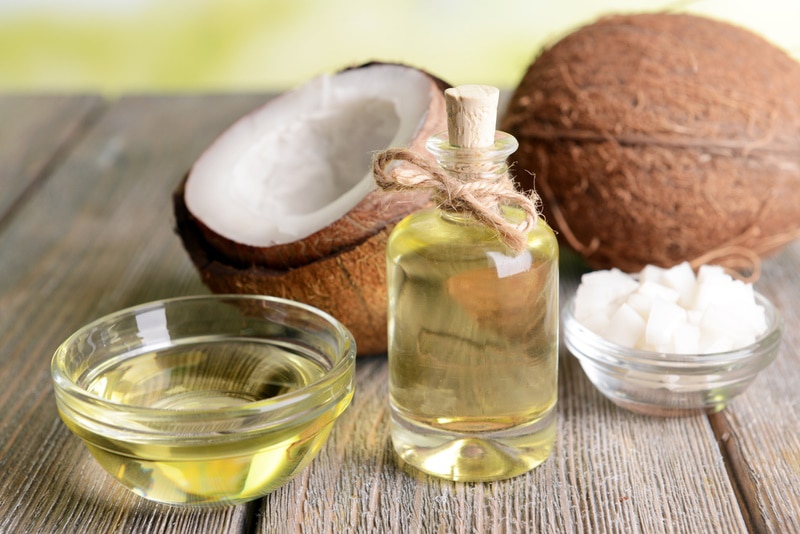
There is a lot of information in the media about the benefits of coconut oil on human health, most of which relates to its fatty acid content, specifically, medium-chain triglycerides (MCTs), a group of fatty acids that are gaining popularity in health circles. These MCTs can supposedly help with weight loss, brain function, immune support, joint health, and even fighting cancer.
However, the main fatty acid in coconut milk is lauric acid, and it does not offer any of these potential benefits.

Drawbacks to Coconut Milk
The problem with lauric acid is that it’s a fringe MCT, acting more like a less digestible long-chain fatty acid than an MCT. It’s a saturated fatty acid, so despite the potential immune system support, it also delivers significant drawbacks. Saturated fats raise cholesterol levels in humans, increasing the risk of heart disease, while lauric acid, in particular, can spark inflammation.
Gut inflammation is an essential concern when giving coconut oil-rich foods to dogs. Excessive amounts of coconut oil, which is found in coconut cream, may lead to vomiting, diarrhea, and general discomfort. Dogs with inflammation issues such as hepatitis or pancreatitis should avoid coconut cream.
How Much Coconut Milk Can Your Dog Drink?
Being high in saturated fat, coconut cream should be a limited part of anybody’s diet, especially your pet’s. If your dog were to lick a little from a bowl or eat some food containing coconut cream, it would be of little concern. In larger amounts, or in dogs with other health issues, we need to be more vigilant.
In terms of the coconut drink, the unsweetened variety poses no health threat to dogs, provided they do not have any specific allergies or intolerances to coconut. Certainly, if you were choosing between offering them some cow's milk or coconut drink, the coconut option is by far the better one for dogs.
A conversation with your vet is always a good idea before offering coconut milk to ensure it won’t conflict with their tolerances or medical conditions.

Final Thoughts
Although coconut milk (drink and cream) contains no harmful or toxic ingredients for dogs, they have little nutritional benefit either. The high-fat coconut of coconut cream places it on the list of foods to avoid, but it would be unusual for a dog to consume enough in one sitting for there to be any major concerns.
Coconut drink is fairly harmless, and if your dog enjoys the taste with no signs of discomfort, talk to your vet about how you can safely use it in their daily treats and meals. It is a healthier alternative for them than dairy products but provides your dog with little in the way of benefits apart from flavor.
You Might Also Be Interested In:
Featured Photo Credit: Dean Drobot, Shutterstock
Get Hepper In Your Inbox


Pet care tips from our vets and experts, straight to your inbox.
You may opt-out at any time. View our Privacy Policy for more information.
Nicole is a lover of animals of all sizes but is especially fascinated with the feline variety. She’s the proud mom of Baby, a Burmese, and works every day so he can relax in the sunshine or by the fire. She’s always had a cat in her home and has spent countless days with others, observing behaviors and softening up even the grouchiest of the lot. Nicole wants to share her kitty expertise with you so you and your cat can live happy, healthy, and care-free.
Join the conversation
Ask a question, share your story, or send private feedback.