Hepper is reader-supported. When you buy via links on our site, we may earn an affiliate commission at no cost to you. Learn more.
5 Amazing Ways Cats Help with Stress & Your Mental Health
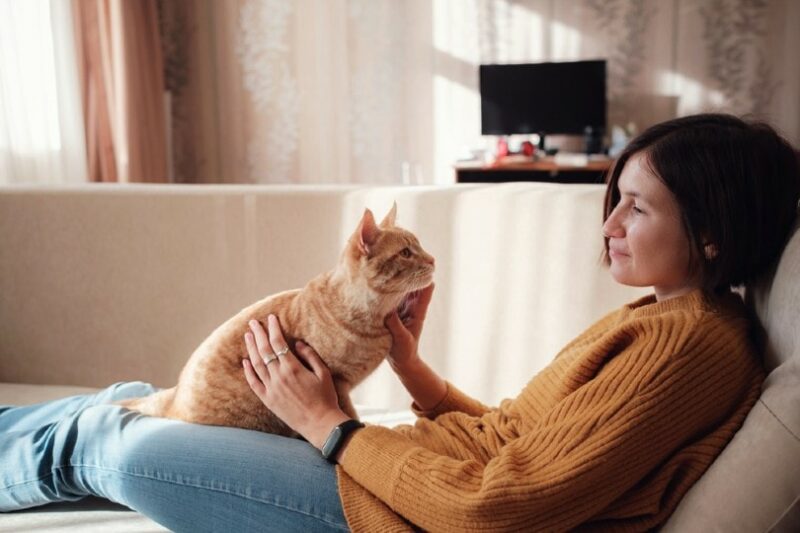
Most cat lovers won’t require any scientific evidence to back up the fact that cat ownership is full of benefits. These precious creatures find their way into our hearts and imprint on our souls faster than we can comprehend.
The snuggles, silly antics, adorable meows, sweet purrs, and unconditional love don’t exactly make owning a cat a very hard sell. There is some science to back up how incredible cats are for their humans though. Here we are going to discuss in detail the five amazing ways cats can help with stress and mental health.

The 5 Ways Cats Help with Stress and Your Mental Health
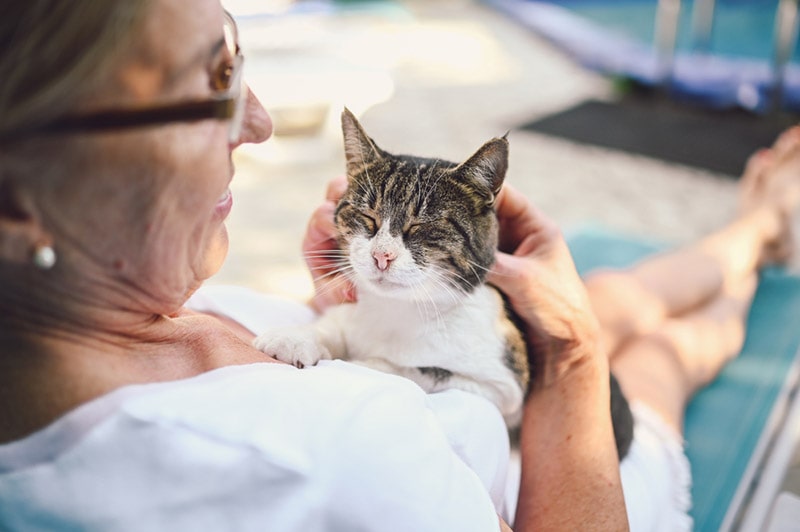
1. Providing Companionship
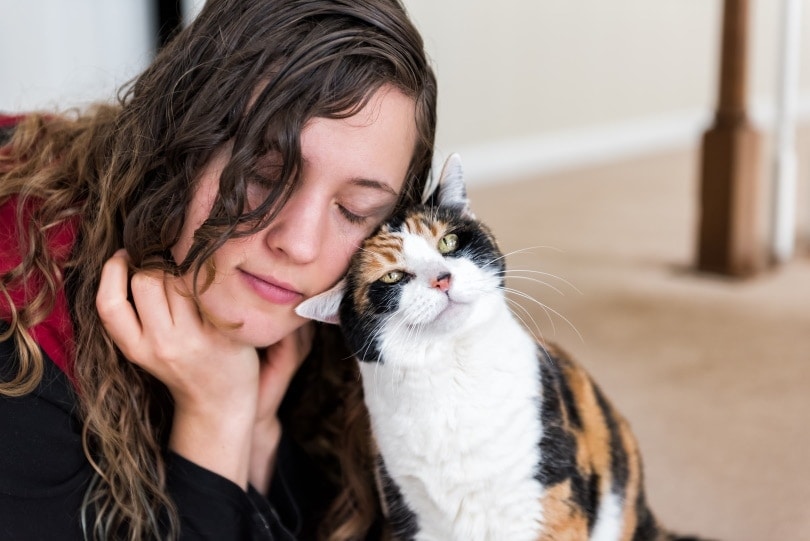
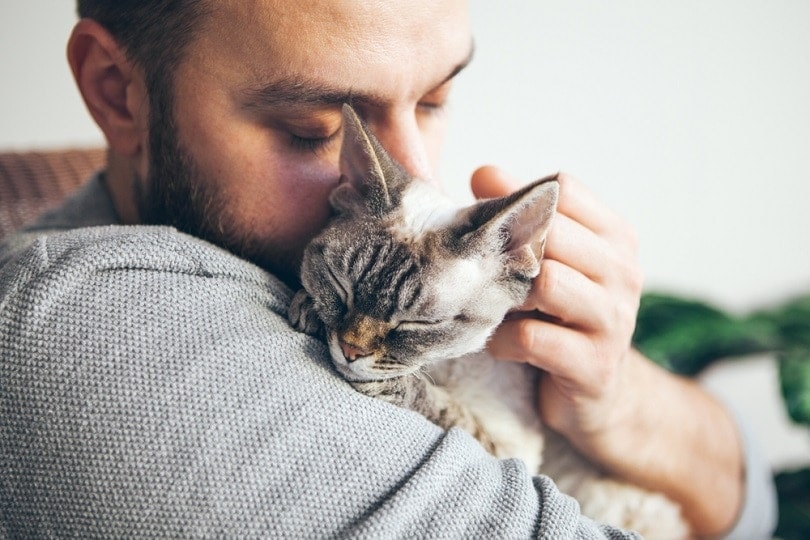
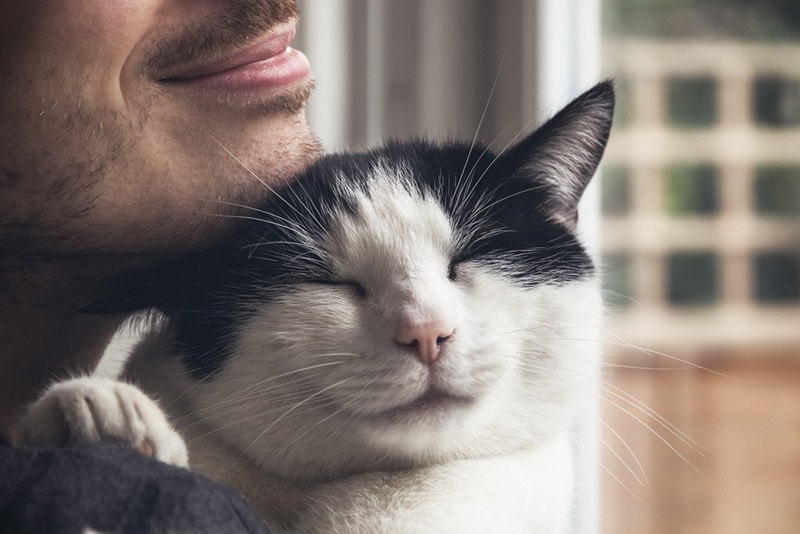
Having a pet cat provides a person with constant companionship, which can help prevent loneliness and provide a sense of purpose. Humans are an inherently social species, and while a cat may not provide the same kind of companionship as another person, we can form extremely strong bonds with our pets that have a very positive impact on stress and mental health.
Not only does your cat rely on you for their needs, but they help you establish a routine, and show your love and affection. Regardless of whether someone suffers from a mental health condition or not, this can help promote positive feelings and an overall sense of well-being that is beneficial to anyone.
Scientific studies have even been conducted and concluded that pets provide benefits to those with mental health conditions. While more research is necessary to determine the nature and extent of the relationships between humans and their pets, there’s no denying the benefits of pet ownership.
2. Healing Powers of the Purr
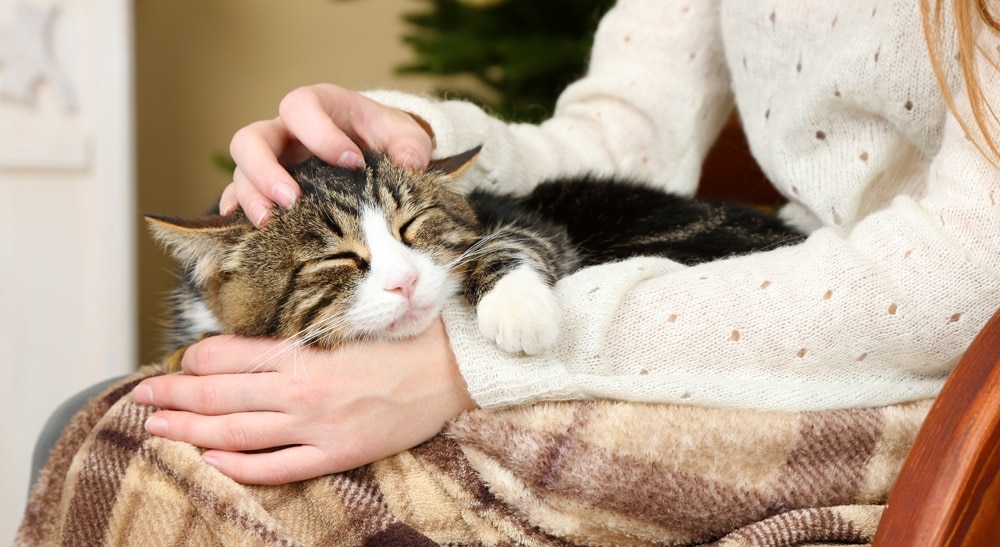
When cats purr, this helps to trigger the release of endorphins within the brain. These endorphins result in positive feelings like happiness, sociability, affection, excitement, and more. Not only are these feel-good endorphins released in the cat’s brain, but studies have shown that the soothing vibrations are capable of having a similar effect on the humans enjoying them.
This endorphin release results in a decrease in stress levels, lowered blood pressure, and can even aid in dealing with illness. The reason behind this is the vibration of the purr. Healers throughout history have used sound and vibration in their work because the frequencies seem to help with both physical and mental health.
Cat purr vibration therapy is promising and according to anecdotal reports of the practitioners, has very positive results. The vibrational range of purrs is within 20-140 Hz, which is considered therapeutic for many ailments and diseases.
Purring may help with these human health conditions:
3. Reduced Cortisol
Our feline companions never cease to amaze us, but did you know that research has shown that cats can reduce anxiety and stress on a hormonal level? A study conducted on university students that were under consistent stress showed that petting cats and dogs for a mere 10 minutes decreased the amount of cortisol, a stress hormone in the saliva.
Lower cortisol is linked to better mood, improved memory, stress reduction, and stronger immunity. Not only can the decrease of cortisol help those suffering from high amounts of stress and anxiety regularly, but this can also be beneficial for other mental health conditions such as depression.
4. Sleep Aid
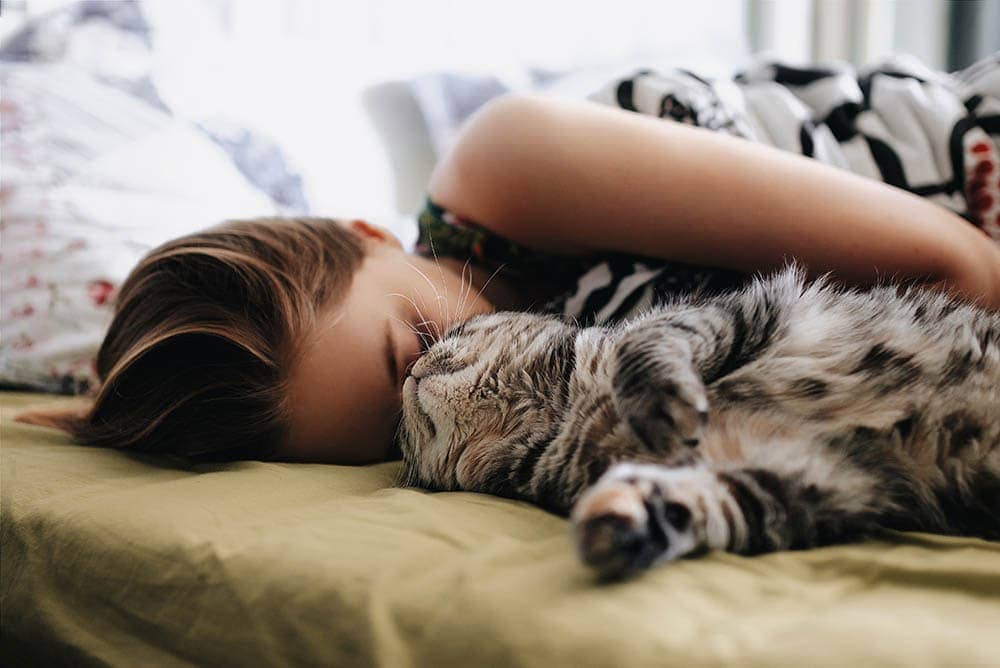
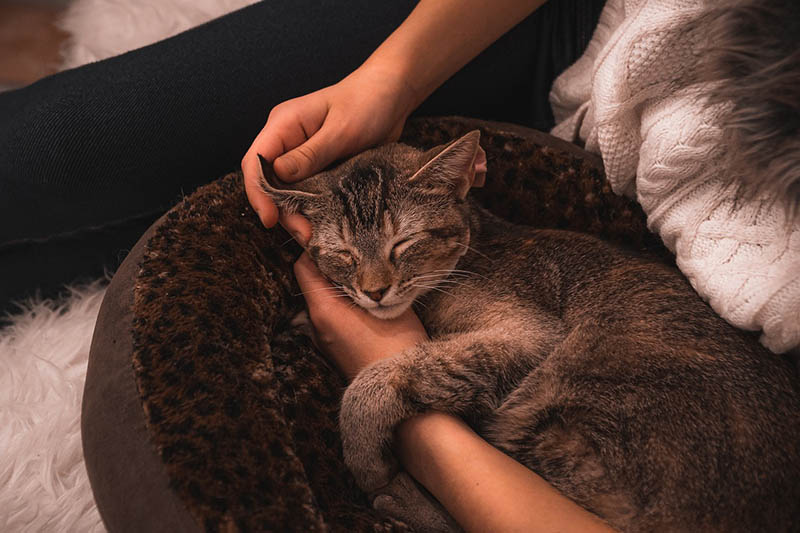
Cats have a knack for helping people fall asleep at night. Now, this will be based on the individual person and the individual cat since certain kitties can be quite active and disruptive during the night. Often, when cats sleep in bed with their humans it can provide stress relief, promote a sense of calm and security, and help them fall asleep easier.
Regular sleep is essential for a person’s overall health and can certainly play a large role in managing stress and mental health conditions. That being said, there are some downsides to sleeping in bed with cats and other pets so it’s important to keep the following cons of letting your cat sleep in your bed in mind:
Disruption of Sleep
Cats are crepuscular creatures by nature, meaning they are most active at dawn and dusk. They spend the majority of their day (up to 16 hours) sleeping and many will become more active during the night. Plenty of cat owners will tell you that hearing a ruckus in the middle of the night is not so uncommon.
To prevent sleep disruption, it’s a good idea to engage them in a nice, tiring play session before feeding the last of their meals in the evening right before you are ready to go off to bed. This may help prevent them from waking you in the middle of the night for a snack or by romping around the house because of all that energy.
Allergies/Asthma
Cat allergies are very common and any cat owner that suffers from cat allergies or asthma should be cautious when allowing their cats to sleep in bed with them at night. You may be on medication to control your cat allergies but having them up close and personal all night long could exacerbate symptoms and make you feel worse.
Exposure to Bacteria or Parasites
Like any animal, cats can carry diseases, bacteria, and parasites. Sharing your bed is opening up the area to anything that they could be carrying. This is why it is important to keep up with regular veterinary care and preventative medications to reduce any health risks associated with pet ownership.
5. Lowered Blood Pressure and Improved Heart Health
Mental and physical health go hand in hand and stress is a primary risk factor in both mental health disorders and heart conditions. Treating high blood pressure, improving heart health, and lowering stress levels can significantly improve mental health and lower the chances of anxiety and depression.
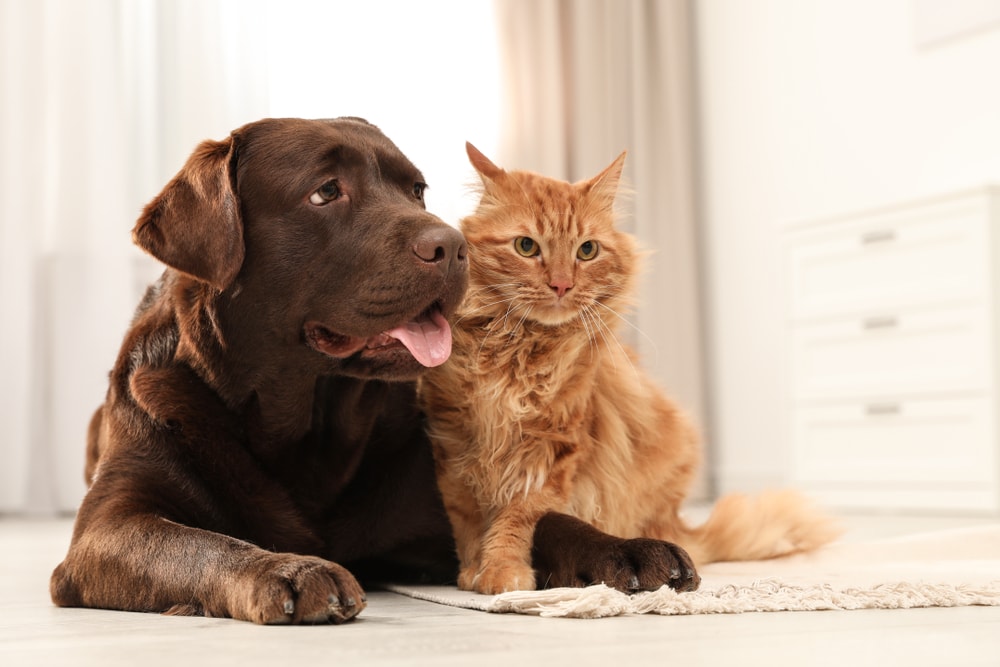
Having dogs and cats has been proven to help to lower blood pressure and cholesterol, which are large risk factors for heart issues. One study conducted among 240 married couples revealed that those with a cat or dog had lower heart rates and blood pressure levels when compared to those who didn't have pets.
Pet ownership has been linked to stress reduction, autonomic responses to cold and cognitive tasks, and reduced need for medical attention associated with life stressors. According to The Journal of Vascular and Interventional Neurology, it is reasonable to believe that social factors including pet ownership that reduces stress will eventually reduce cardiovascular events.

Conclusion
Cats sure have an astonishing way of helping their human companions with stress and mental health issues. These benefits aren’t just anecdotal either, they are backed up by scientific research. Owning a cat or any other pet is a significant commitment that also comes with a lot of responsibility, so it’s not for everyone. If you are feeling overwhelmed by stress or are suffering from any type of mental health concern, you should consider reaching out to your doctor if you need assistance.
Sources
https://bmcpsychiatry.biomedcentral.com/articles/10.1186/s12888-018-1613-2
https://www.healthline.com/health-news/should-you-let-your-cat-sleep-in-bed-with-you
https://www.webmd.com/hypertension-high-blood-pressure/features/6-ways-pets-improve-your-health
https://www.health.harvard.edu/newsletter_article/sleep-and-mental-health
https://www.clevelandheartlab.com/blog/do-pets-help-your-heart/
Featured Image Credit: U__Photo, Shutterstock
Get Hepper In Your Inbox


Pet care tips from our vets and experts, straight to your inbox.
You may opt-out at any time. View our Privacy Policy for more information.

Lindsay is a wife, mother, nature enthusiast, animal lover, and business major. She was born and raised in the United States and now lives in Tulsa, Oklahoma. She shares her home with a German Shepherd, several snakes, tarantulas, and a couple of rescue cats.
Lindsay and her husband enjoy traveling the US with their children and photographing wildlife. Lindsey is passionate about proper animal care and education around it!
Join the conversation
Ask a question, share your story, or send private feedback.