Hepper is reader-supported. When you buy via links on our site, we may earn an affiliate commission at no cost to you. Learn more.
Can I Put Coconut Oil in Dog Food? Vet-Reviewed Benefits & Precautions



In this article
Coconut oil has been the craze storming the self-care and beauty world for years, but do its benefits extend beyond human health? Coconut oil may be the latest all-natural trend for us to follow, but pet owners may be wondering if it can be as beneficial for our furry friends.
Coconut oil is nutrient-dense and can be a great addition to your dog’s diet if it is added in small, safe amounts. You can add it to your dog’s food, mix it into their treats, apply it to their skin, or even give it as a supplement. Coconut oil is believed to aid in a wide variety of conditions, often affecting our family dogs: from itchy and bumpy skin to digestion issues. Coconut oil is rich in fatty acids and saturated fats, which carry a wide variety of health benefits for dogs.

Benefits of Coconut Oil for Dogs
While some pet owners may be hesitant to use coconut oil, here are some of the potential benefits:
- Itchy skin relief
- Dry paw pads/nasal hyperkeratosis moisturization
- Restoration of shiny hair coat
- Halitosis remedy
- Digestion aid
- Cognitive function improvement
- Immune system boost
- Energy level increase
- Flea and tick repellant
- Joint lubrication (adjunctive therapy for arthritis)

What is Coconut Oil
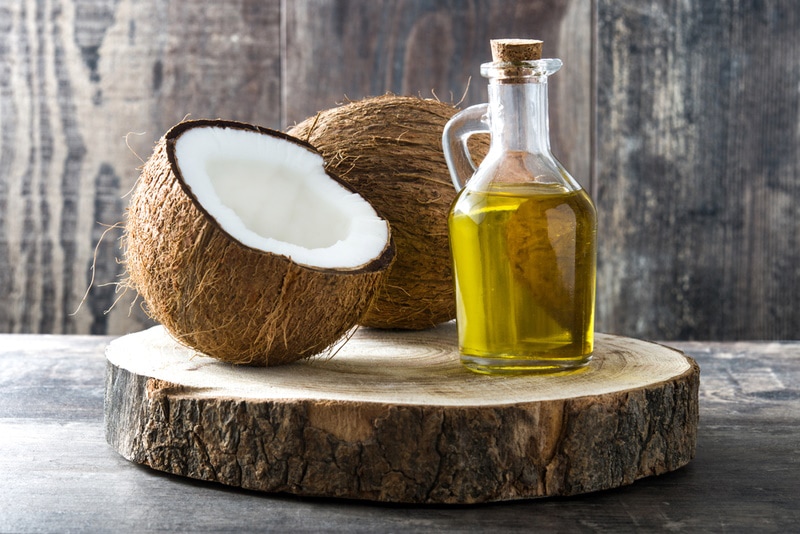
Coconut oil results from squeezing the meat inside coconuts and drawing out the liquid contained within. The liquid, or extract, is high in fatty acids and saturated fats, which can help keep your skin, nails, and hair healthy. The extract from mature coconuts becomes an edible oil that can be consumed and applied topically. The saturated fat, fatty acids, and medium-chain triglycerides (MCTs) within coconut oil are the primary source of health benefits for humans and dogs.
How to Give Coconut Oil to Dogs
Coconut oil can be given to dogs with their regular meals, no more than one to two times a day. The dosage depends on your dog’s size. Many veterinarians recommend starting with lower doses, as with any supplement or food additive for your dogs. Start slowly with the coconut oil; a good starting dose would be around ¼ teaspoon for smaller dogs or a full teaspoon to 1 tablespoon for larger dogs. Gradually increase the amount of coconut oil every few days, giving your dog a chance to adjust. Any dog with coconut oil added to their diet should be closely monitored for weight gain because of the high-fat content.
Even in healthy dogs, large amounts of coconut oil can cause diarrhea as their body adjusts. Headaches, fatigue, and diarrhea are common side effects in humans if we consume too much coconut oil too fast, and similar symptoms can occur in our furry friends. If your dog seems tired or uncomfortable, or has diarrhea, reduce the amount of coconut oil you are feeding your dog or discontinue.
Side Effects of Coconut Oil
While giving your dog coconut oil is safe, giving them too much coconut oil can cause digestive problems. It is always best to ask your veterinarian about the recommended dose of coconut oil for your dog or if you should give it to your dog in the first place. The most common reactions to coconut oil involve diarrhea and weight gain. If your dog has an allergy to coconut oil, they may experience other reactions like rash, itchiness, or even an upset stomach.
How to Choose Coconut Oil for Your Dog
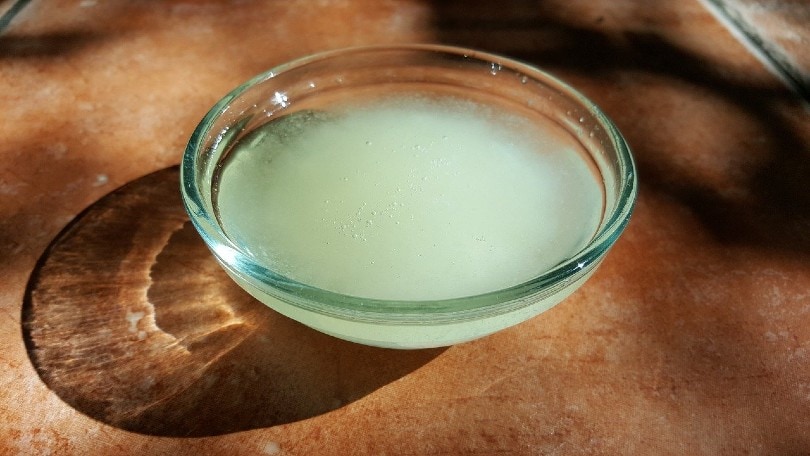
When trying to find which coconut oil to feed your dog, look for unrefined or virgin coconut oil. Even better than that, cold-pressed oil is processed in a way that preserves the natural nutrients within coconuts. You may need to try a few different types of coconut oil to find the one your dog gets the most benefit from. Some brands have a strong coconut taste, and others are tasteless. Some have buttery undertones, and others are nuttier. Understanding the labels makes all the difference in choosing coconut oil for your dog.

Final Thoughts
As pet owners, we all want to take care of our canine companions and ensure their skin is healthy. Coconut oil may be a very effective, natural means of achieving this goal, but it is always beneficial to ask your veterinarian whether coconut will be a valuable supplement for your dog.
Ultimately, using coconut oil is a personal choice, and adding it to your dog’s diet is safe and provides benefits. While risks are possible, you can minimize their possibility by starting with small doses of coconut oil and closely monitoring its effect on your dog. You should always be mindful of the recommended amount and possible side effects.
Sources
Featured Image Credit: moho01, Pixabay
Get Hepper In Your Inbox


Pet care tips from our vets and experts, straight to your inbox.
You may opt-out at any time. View our Privacy Policy for more information.
Samantha's passion is writing, and she has been a freelance writer since 2014. She has also worked on literary magazines and newspapers as an editor and as a writer. Samantha wrote full time while in school, and continues to do so as a full-time educator. She currently teaches Middle School English Language Arts and always encourages writing activities in her classrooms. If she is not writing about pets or grading papers, you can often find her reading or binge-watching another Netflix series and spending time with her cat, Raven.
Join the conversation
Ask a question, share your story, or send private feedback.