Hepper is reader-supported. When you buy via links on our site, we may earn an affiliate commission at no cost to you. Learn more.
7 Types of Dog Brushes (With Pictures)
In this article
Dog coats come in varying lengths, textures, and thicknesses, so it makes sense that the brushes for our canine pals are equally diverse. We want to make the grooming experience ideal for ourselves and our dogs. What’s perfect for a long, shedding double coat may also work for a short, single coat but will hardly be as enjoyable or efficient for anyone involved.
With the proper brush, your dog will be relaxed and easy to manage, and you’ll get their coat looking immaculate in the fewest strokes possible. To help you make the best purchase for your grooming arsenal, let’s explore the seven essential types of dog brushes and which dogs they suit.

The 7 Types of Dog Brushes
1. Rubber Brush
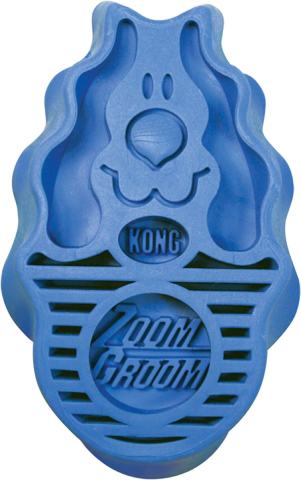
| Coat Types | Short and medium coats |
| Use | Massaging skin, removing dirt and debris |
A rubber brush has soft, flexible rubber bristles that make contact with a dog’s skin comfortable. They don’t penetrate through thick fur, making them only practical on short-coated breeds. For these dogs, rubber brushes gently but firmly massage the skin and loosen deep-down dirt, bringing it to the surface for a bristle brush to sweep away.
Even dogs with sensitive skin can enjoy the soft touch a rubber brush provides as it improves blood flow, releases and spreads oils, and soothes the skin. Although it won’t substantially remove loose hair and fur, its effect on the skin and coat can help reduce the amount of shedding. And unlike many metal dog brushes, you can use them wet or dry, which is a perfect solution for shampooing the coat during bathtime.
2. Slicker Brush
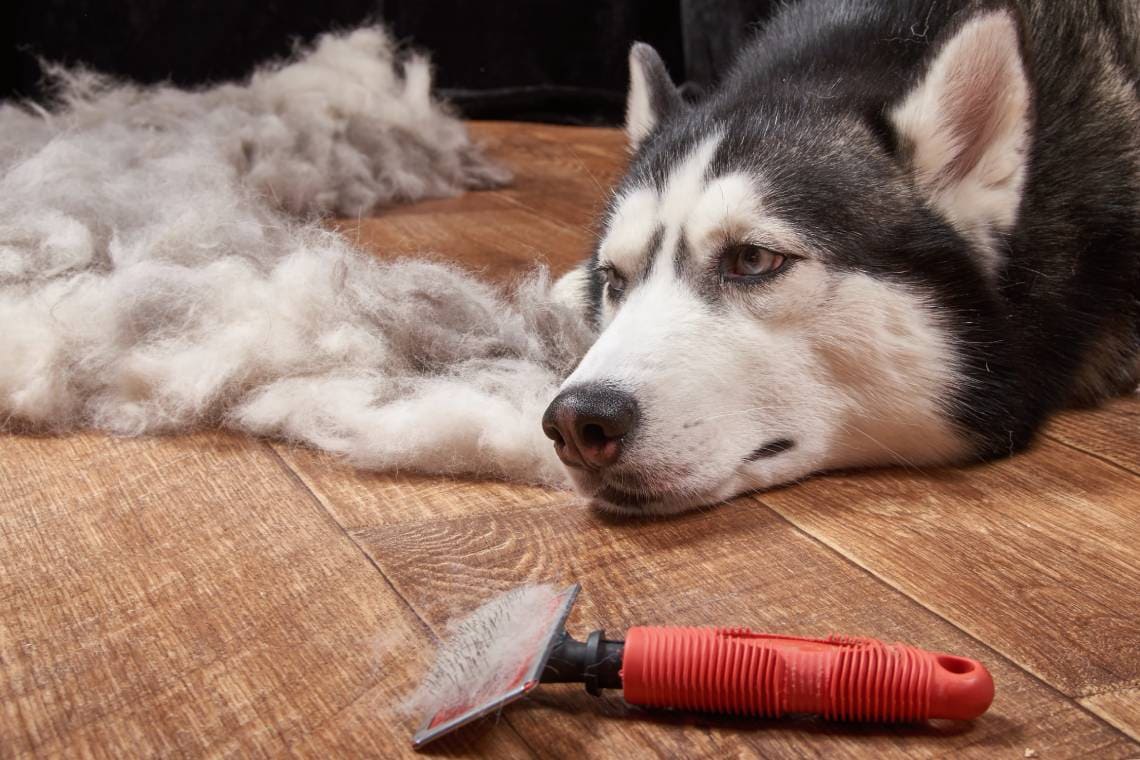
| Coat Types | Medium and long coats, curly hair, wire coats |
| Use | Dematting, loose undercoat removal |
Slicker brushes are one of the most commonly used brushes to fix a coat and remove dead hair. The head is often rectangular and slightly curved to let it roll off your dog’s coat. Numerous short, angled wire pins cover it. They penetrate the hair and get close to the skin, pulling away loads of dead hair while removing mats and loosening tangles.
High-quality slicker brushes are efficient at repairing a rough-looking coat. They painlessly separate stubborn mats, requiring a minimal brushing motion to prevent pulling on your dog’s hair. They don’t need much pressure and can easily hurt your dog with excessive force. Though some slickers have coated tips, many have bare ends on the pins, which can irritate the skin if they scrape across it.
3. Bristle Brush
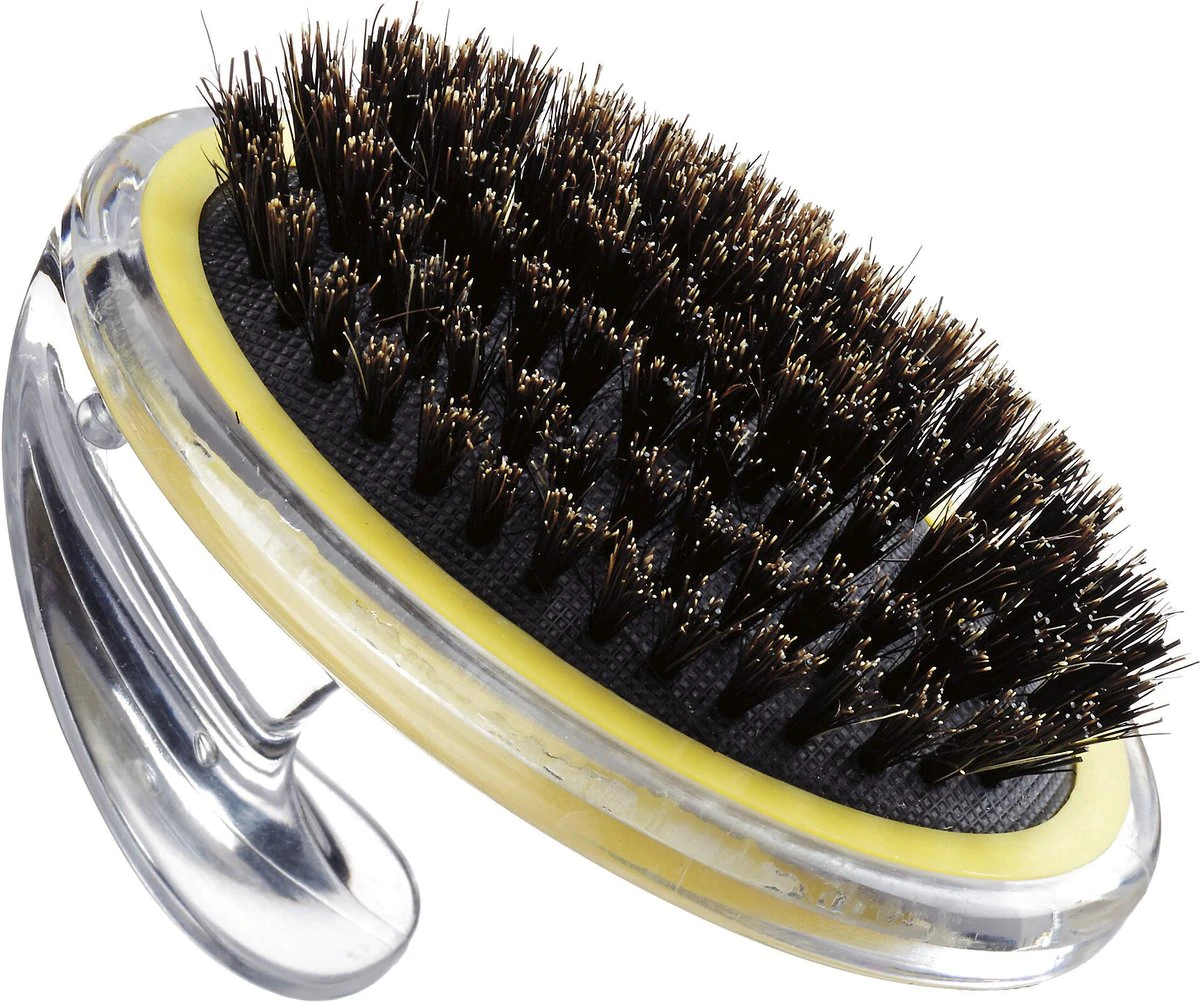
| Coat Types | Short coats, medium and long smooth coats |
| Use | Removing surface dirt and debris, distributing natural oils |
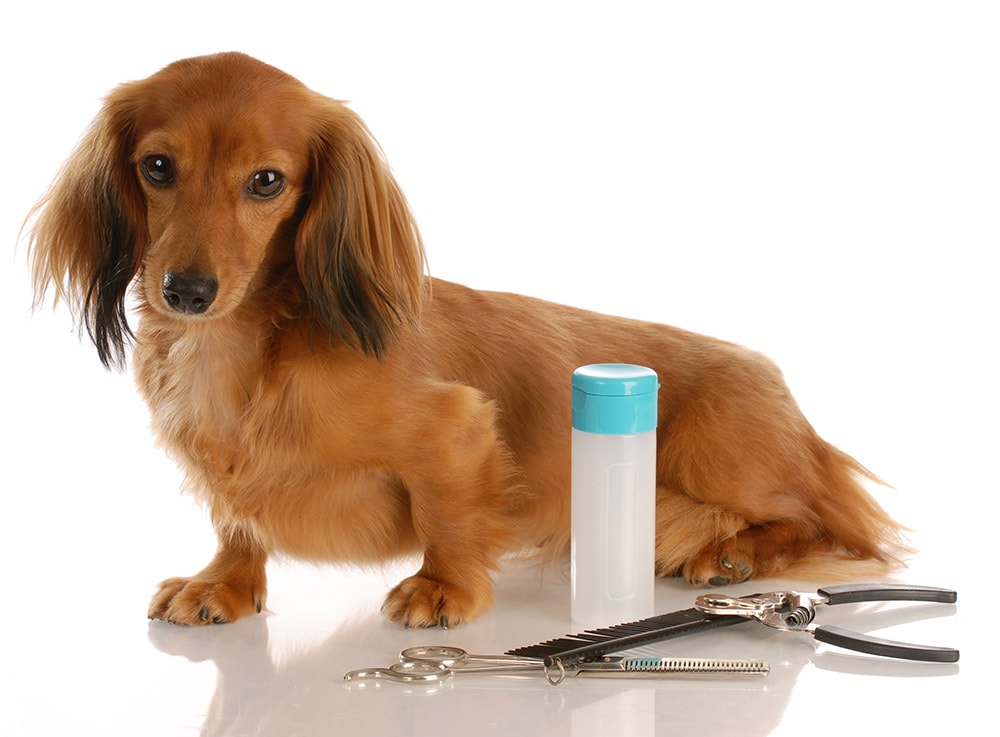
A bristle brush won’t remove tangles or shedding fur efficiently but will make an already low-maintenance dog’s coat look its absolute best. Densely packed nylon or natural bristles run across the top of the hair to remove debris and distribute the body’s natural oils to leave a consistent shine and a soft, healthy coat. Dogs with short, straight hair, such as Dachshunds or Pugs, benefit the most from bristle brushes.
4. Pin Brush
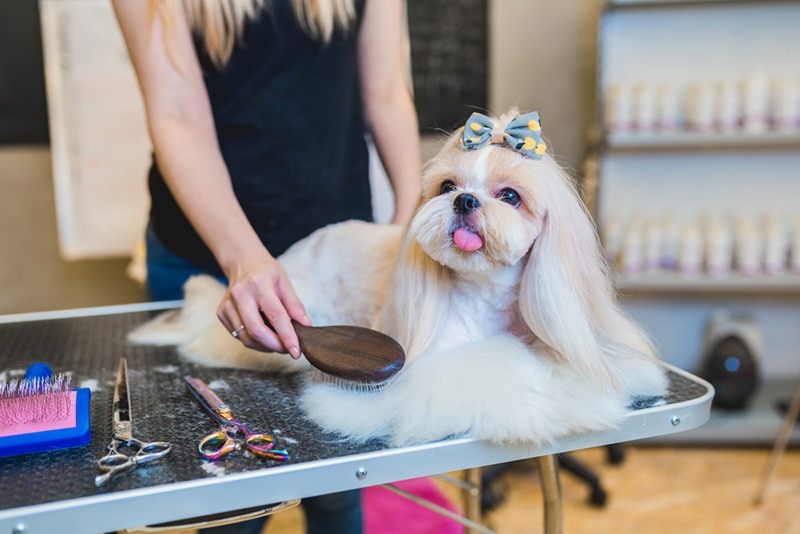
| Coat Types | Medium and long coats, fine hair |
| Use | Detangling, loose hair removal, massaging skin |
Pin brushes have a familiar look, with an ovular head boasting several pins with generous spacing between them. The pins have soft-coated tips and sit atop a cushioned pad that gives them flexibility, allowing for gentler, conforming contact with the body. Some also feature bristles alongside the pins to give dogs the benefit of two brushes in one.
Despite their popularity, pin brushes are often the least effective for accomplishing any benefit that brushing affords. Although they help with loose hair removal, they’re more likely to tug and pull fur than a slicker and don’t do as well as a bristle brush with distributing the body's natural oils.
The rubber or plastic-tipped pins help to massage the body and stimulate blood flow. Being gentler and easier on the skin than other brushes and combs, a pin brush makes an excellent finisher after you handle trouble spots with your other grooming tools.
5. Shedding Blade
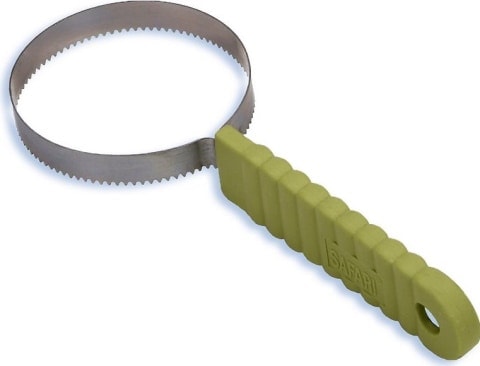
| Coat Types | Short or medium double coats |
| Use | Shedding hair and fur removal |
A shedding blade is a unique horseshoe-shaped tool with fine teeth along one or both edges of the blade. The rounded blade allows for effective grooming in multiple hand positions, with the handle capable of splitting to make a long straight blade for covering broader body sections. Teeth on both edges are usually different sizes, allowing you to use one tool for multiple pets or combination coats.
6. Undercoat Rake
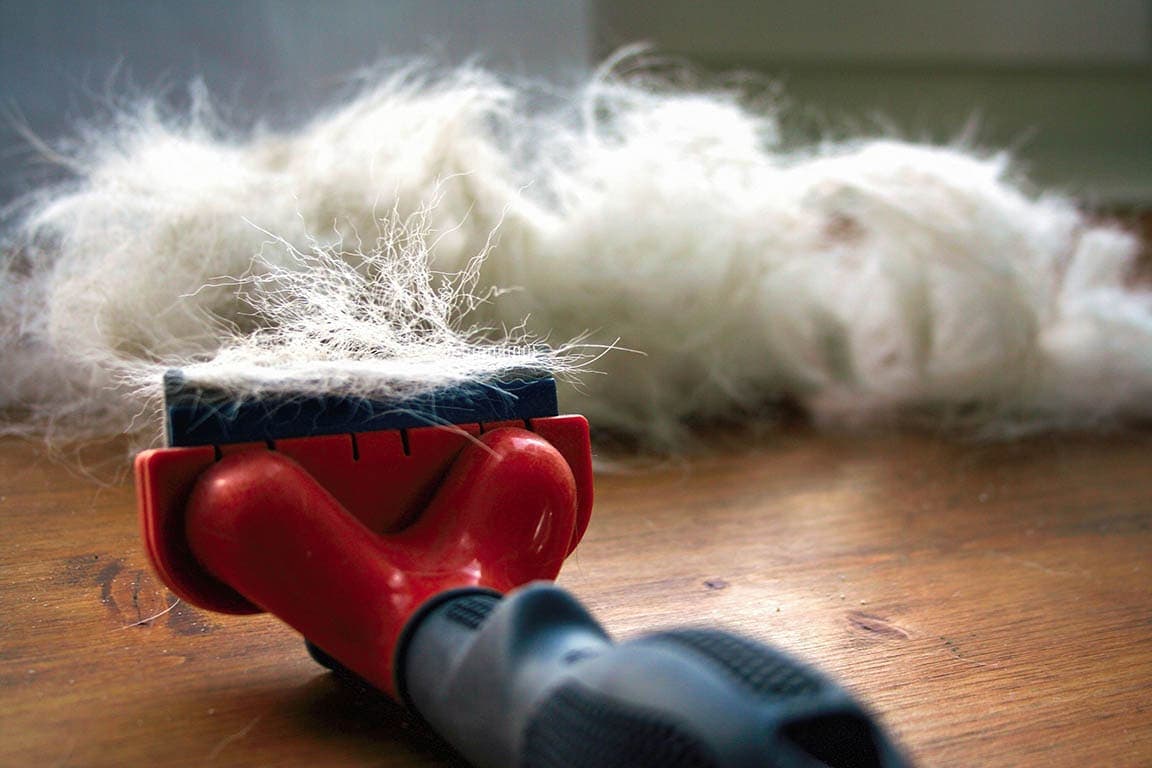
| Coat Types | Double coats |
| Use | Loose undercoat removal |
Undercoat rakes have a razor-like shape but replace a blade with a single or double row of tightly packed pins. The pins reach through thick hair to reach the body. Each pass gently extracts the dead undercoat and any dirt and debris hidden under the hair.
Rake pins appear in varying lengths to suit different breeds. An inappropriately sized rake may not remove enough fur in one pass if it's too short, or it could drag and irritate the skin if it’s too long. With a proper undercoat rake, you can significantly reduce shedding around the house while helping to keep mats and tangles to a minimum.
7. De-matting and De-shedding Brushes
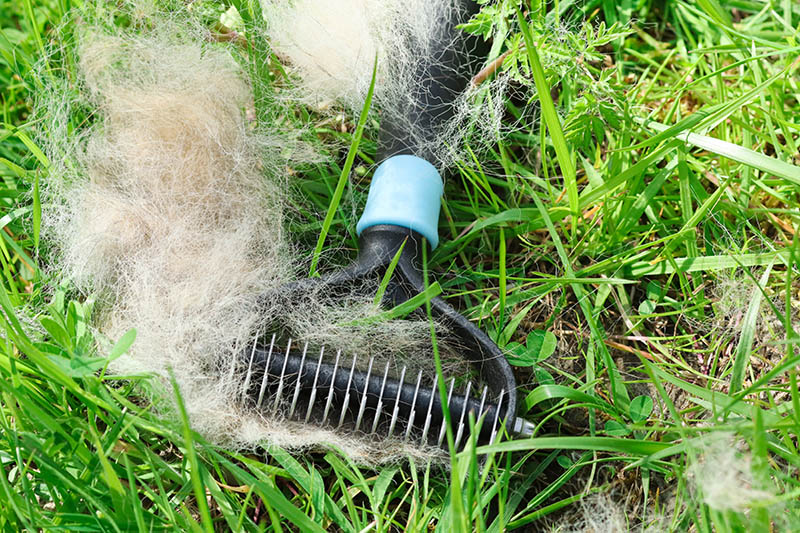
| Coat Types | Medium and long coats, wiry coats, curly coats |
| Use | Dematting, loose undercoat removal |
Like an undercoat rake, a de-matting/de-shedding brush is closer to a comb than a brush. The long blades on the tool reach deeper beneath the fur to let you efficiently slice through stubborn mats and tangles. Many products have dual sides, with one having fewer blades and wider spaces for de-matting while the other has several tighter-packed blades to grab loose hair and fur.
Depending on the style, a de-matting brush can severely cut a dog’s skin with an improper technique. Though it’s highly effective, it takes a skilled approach, a calm animal, and possibly a guide comb to ensure your dog doesn’t get hurt.

Choosing the Best Brush for Your Dog
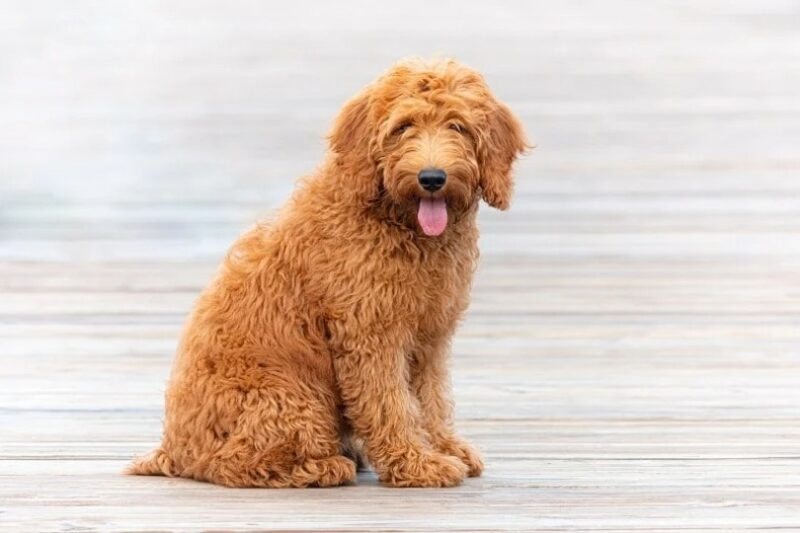
The right dog brush will depend on the coat length, shedding level, and type of hair, whether curly, wiry, or straight. Individual factors like personality and routine make a difference in choosing the right product for your dog. For instance, a long-haired dog that spends lots of time rolling around outside may need a higher-quality de-matting tool. Dogs may also have unique preferences for particular tools.
In most cases, a single brush won’t be enough. Pet owners typically rely on a combination of brushes to handle their dog’s shedding and de-matting needs to ensure the healthiest skin and coat. A dog with short hair may benefit from a rubber brush and bristle brush, while a dog with a long double coat may need a de-matting tool, slicker brush, and pin brush.
Your collection of brushes should address your dog’s skin and coat, accomplishing their various jobs without requiring excessive force. If you have to pull hard to get a de-matting brush through tangles, you need either a better model or an additional tool. De-matting and cleaning brushes should glide effortlessly through a coat without pulling on the hair or scraping against the skin.
What Kind of Combs Does My Dog Need?
While you fret over the brushes your dogs might need, you can’t forget the value of the various combs you’ll use alongside your slickers and pin brushes. Combs are simple, straight-toothed tools that help you use your brushes more effectively and identify areas your other grooming tools missed.
Standard grooming combs can have wide or closely spaced teeth. Wider-toothed combs are ideal for an initial run-through after you think you have all the debris, mats, and tangles from your dog’s coat.
A comb will find any missed snarls. You can use the comb to work out light tangles, but because they can easily tug and pull on your dog’s skin, you may want to use your slicker brush and recomb to ensure you remove all the tangles. Combs with finer teeth come in after the wide-toothed comb to triple-check against missed knots.

Conclusion
An educated approach to building a grooming arsenal will make every session short, sweet, and satisfying. While many brushes vaguely accomplish the same goals, appreciating the nuances guarantees an efficient process and your dog's comfort. Assess your pet’s coat type and grooming needs and follow our guide on the different types of dog brushes to get the most value from your next purchase.
Related Reads:
Featured Image Credit: SasPartout, Shutterstock
Get Hepper In Your Inbox


Pet care tips from our vets and experts, straight to your inbox.
You may opt-out at any time. View our Privacy Policy for more information.

Nicole is a lover of animals of all sizes but is especially fascinated with the feline variety. She’s the proud mom of Baby, a Burmese, and works every day so he can relax in the sunshine or by the fire. She’s always had a cat in her home and has spent countless days with others, observing behaviors and softening up even the grouchiest of the lot. Nicole wants to share her kitty expertise with you so you and your cat can live happy, healthy, and care-free.
Join the conversation
Ask a question, share your story, or send private feedback.