Hepper is reader-supported. When you buy via links on our site, we may earn an affiliate commission at no cost to you. Learn more.
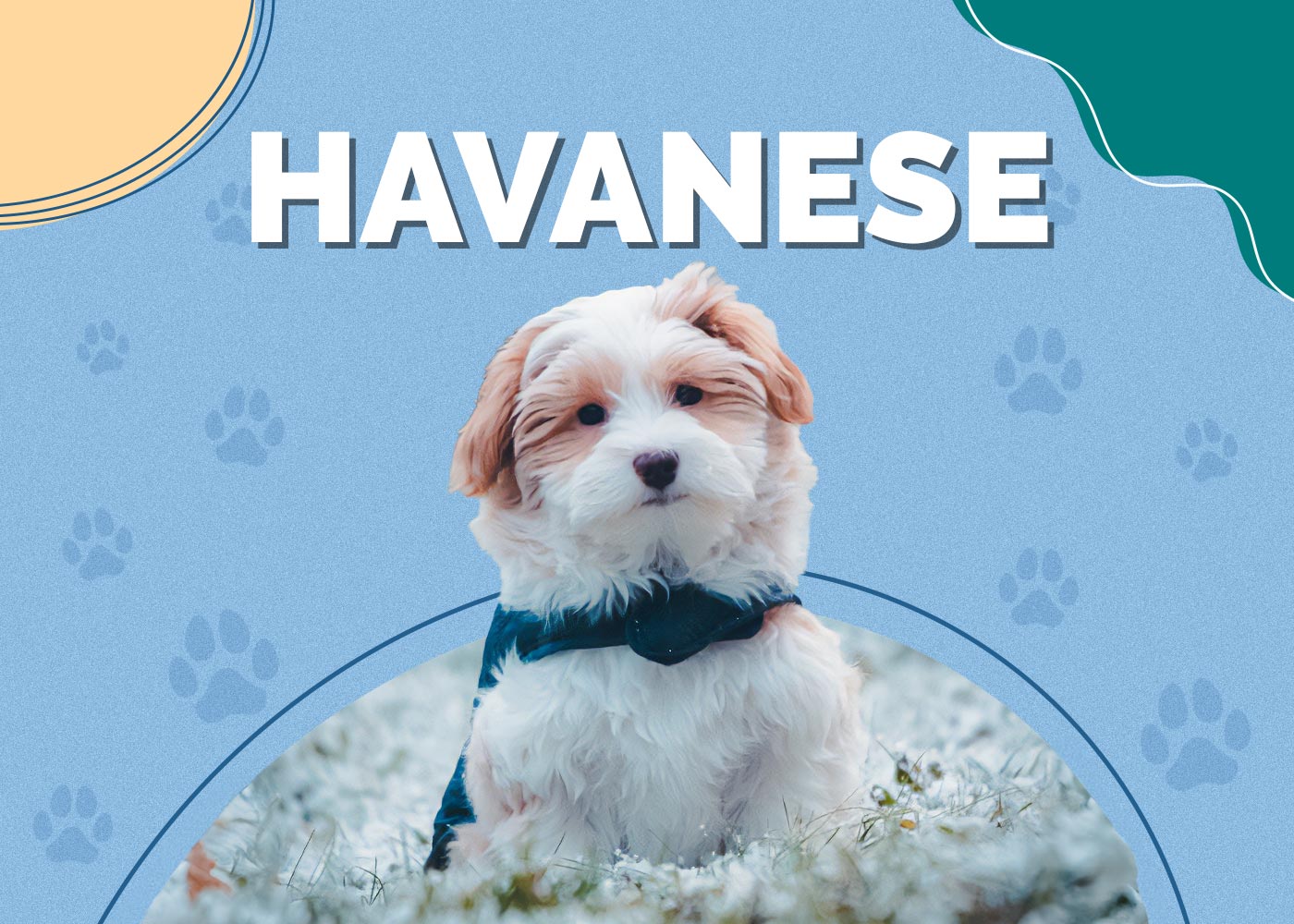
How to Groom a Havanese (8 Expert Tips & Tricks)
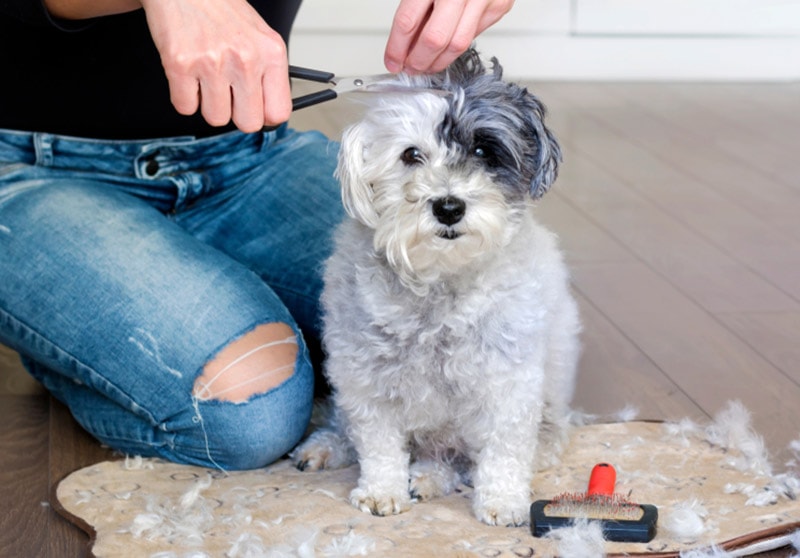
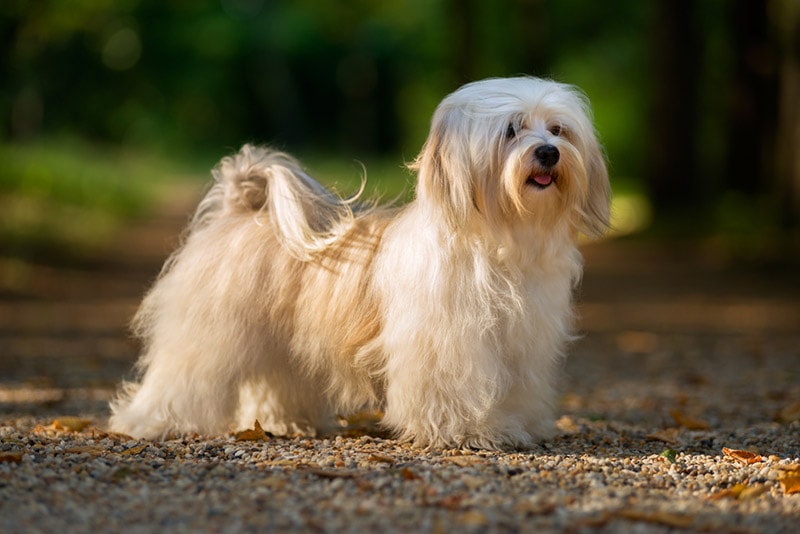
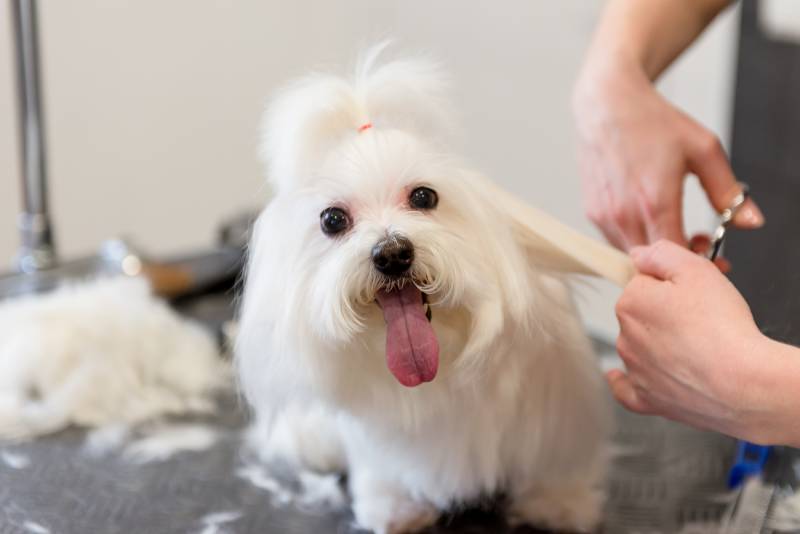
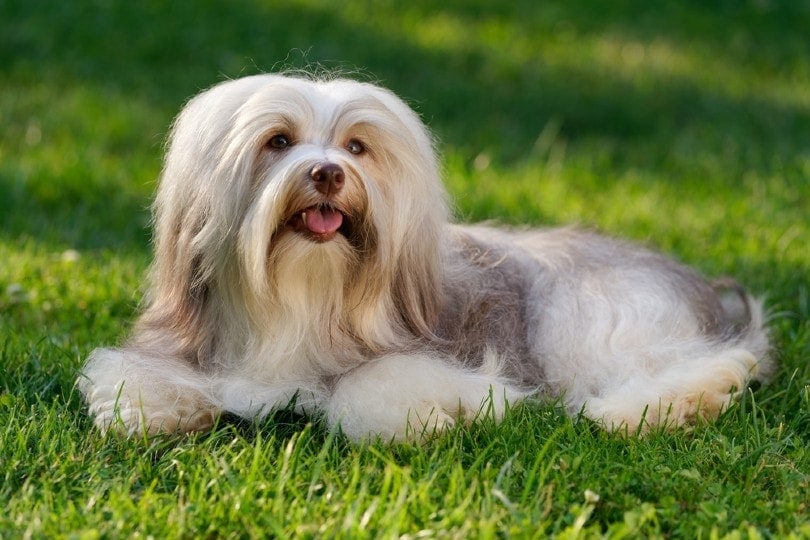
Havanese dogs are known for their luxurious coats that can be either straight or wavy. Though they are a double-coated breed, the fur feels like fine silk to the touch, and they rarely, if ever, shed. Their coats are beautiful but require a fair amount of maintenance to keep them looking good. A professional groomer is a good person to have on your speed dial as you'll need to get your pup groomed every few weeks.
If you don't have space in your budget to pay a pro to do it, you can tackle your pup's grooms at home. Keep reading to find our tips on how to DIY your Havanese dog's grooming sessions.1

The 8 Tips & Tricks for Grooming a Havanese
1. Commit to Daily Brushing
Not only will brushing your pup's coat daily keep it looking its best, but it will also make your more involved grooming sessions a little easier.
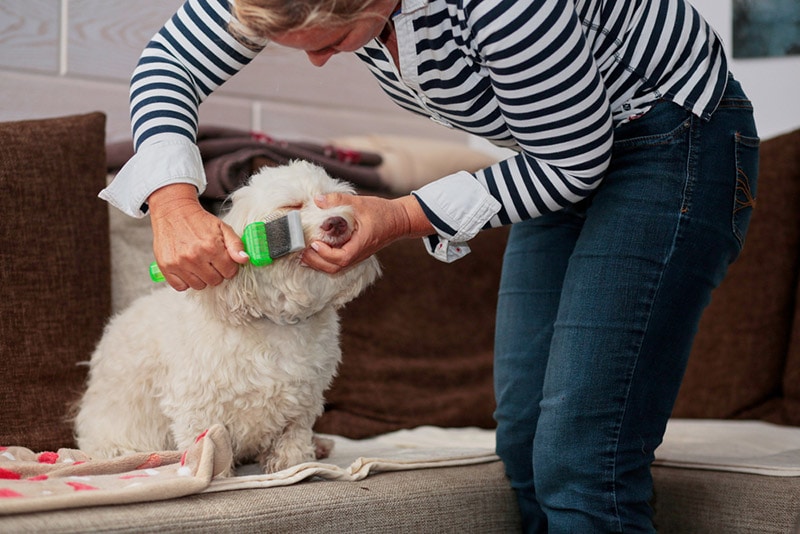
To brush your dog, start in one area of its coat. Spray this area with a fine mist sprayer full of water. If the coat is tangled, add one teaspoon of conditioner to the water. Do not dry brush your Havanese, as it will break the coat.
Once the area is sprayed, you can begin brushing.
2. Use the Right Brushes
Not every brush type will work with your dog's unique coat. We recommend buying a few different brushes to make the most of your at-home grooms.
A slicker brush is a pin brush that will allow you to get deep into your dog's fur to remove any dead hair, dirt, or debris. These brushes are also great for removing tangles. In addition, its soft bristles can smooth the top layer of your dog's coat while promoting proper skin oil distribution.
You should also invest in a de-matting comb. These tools are popular with professional groomers as they remove tangles and mats much better than a slicker brush.
Detangling combs are also a godsend for Havanese owners. They have long and short metal teeth that can remove your pup's knots before they can form mats. These combs won't pull out mats like a de-matting comb, but they'll help you detangle them.
3. Try Line Brushing
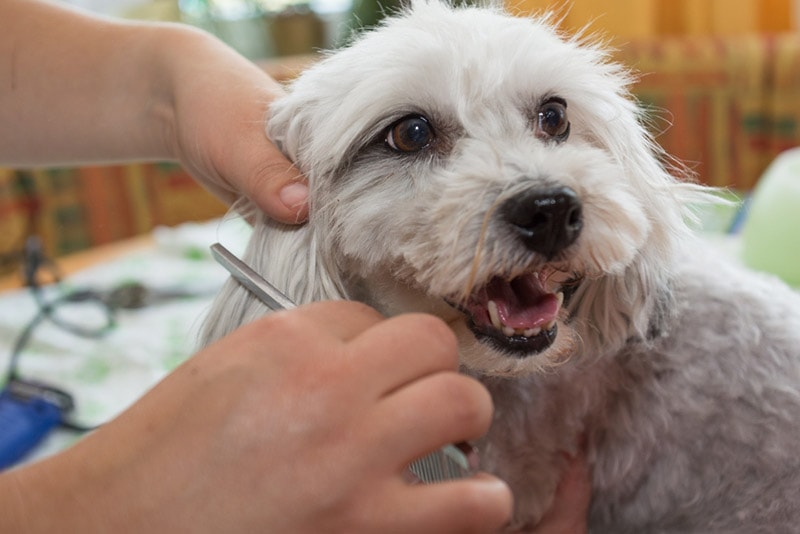
Many Havanese owners like using a brushing technique known as "line brushing." This technique is often used on dogs with a double coat to remove the loose undercoat easier. Line brushing is relatively simple and leaves coats looking and feeling soft and full, so it's worth learning how to do it.
First, separate your dog's hair into sections. Make a line going horizontally along the length of your pup from nose to tail so the skin is exposed. Starting at the feet, brush the hair up and down little by little. Move to the middle of the back and brush down a row approximately ¼ of an inch at a time.
Keep the brush flat while you're raking it through, as an angled hold can cause rips in the coat and scratches on the skin.
The line brushing technique may take some time to nail down as your dog needs to learn how to lie on its side to be brushed properly.
4. Keep Baths on a Regular Schedule
Havanese dogs aren't known for their love of baths, but giving your pup a bath is generally recommended once a week. However, if your pet doesn't get into too much mischief, you might be able to get away with baths every two weeks.
Before getting your Havanese in the bath, brush its coat to ensure it's mat-free. Then, use a high-quality shampoo and conditioner to keep its fur looking its best, and rinse thoroughly to remove all the suds to prevent itching.
If your water has a lot of minerals present, you might consider using distilled water with a tablespoon of condition added during the final rinse. Leave the mixture in the coat and dry as usual.
5. Decide on a Hairstyle
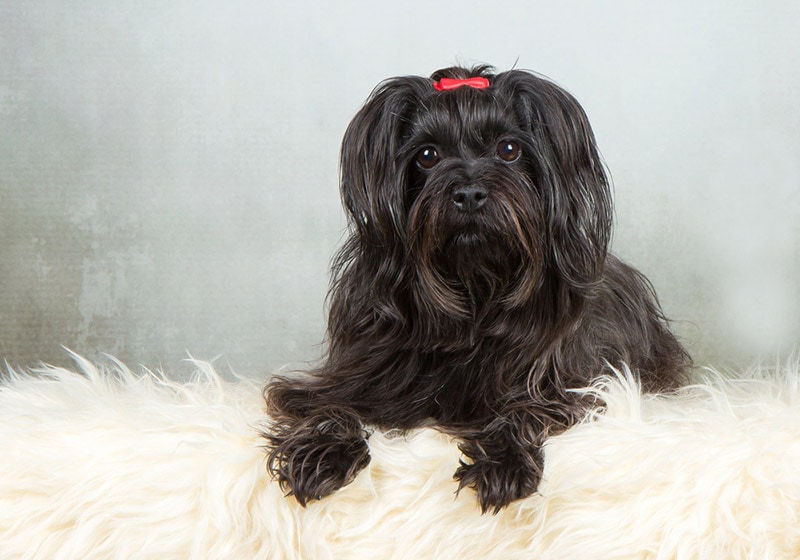
Havanese dogs can have several different hairstyle types, depending on your skill level and commitment to keeping up with their hairdos.
Cording
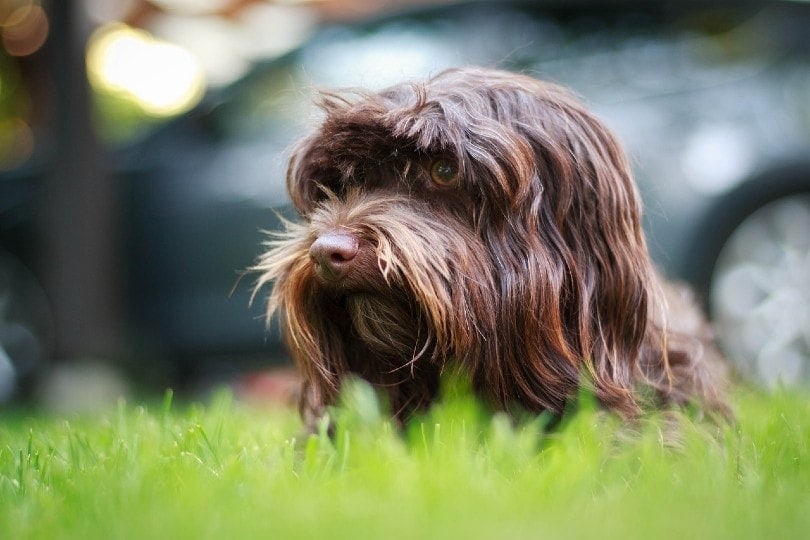
Letting your Havanese's coat grow naturally can lead to cording, also known as doggie dreadlocks, that look like long ropes hanging off your pup. Your dog's coat will develop cords naturally, but you can train its coat by bathing it regularly and twisting its fur into locks. This can take as long as two years, though, so you need to commit and stick to it if this is the style you want your pup to have.
We highly recommend consulting with a professional groomer if you decide on this hairstyle, as there is a right and wrong way to do it.
The downfalls of corded hair are that it takes a long time to dry, and you must keep your pup away from debris like sand or twigs. Also, if your Havanese is a male, you'll need to tie the cords up to prevent them from getting soaked in urine.
Braiding
Braiding is another popular hairstyle to keep your dog's hair out of its eyes. While this style does call for regular maintenance, it's not as demanding as cording.
After bathing and drying your dog, use a comb to make a part on its head. Secure the base with a hairband, braid the resulting tail, and secure the end with another hairband. You can braid as many parts of your dog's fur as you'd like.
Depending on your dog's lifestyle and activity level, you may need to re-braid the hair daily.
Top Knots
Top knots are a sure-fire way to make your Havanese even more adorable. Using a soft scrunchie, section part of your dog's hair on the top of its head and secure it with the scrunchie. Don't make the topknot so tight that it pulls painfully.
6. Don't Skip Out on Drying
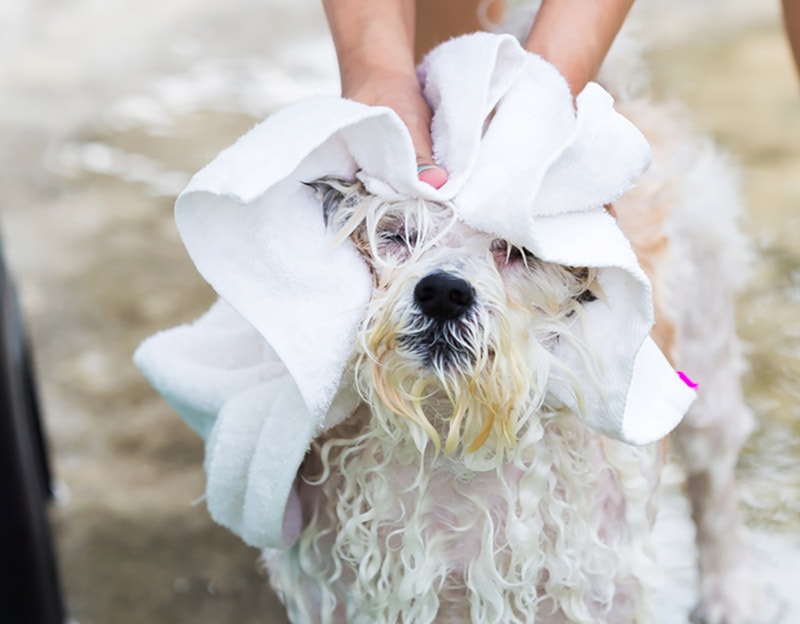
A stand dryer is a worthwhile investment for Havanese owners but is unnecessary if you don't have space in your budget for it.
To dry your dog, set them up on a towel and blow drying their coat on a low heat setting to prevent hair damage and skin burns. Use your hand to flip over the hair to allow the air to reach the roots. Use your brush as you're drying to remove any lingering knots as you go.
Ensure your dog is fully dry, as any remaining dampness can increase the chances of mats forming.
7. Clean the Eyes & Ears
A professional groomer does not stop after bathing and brushing your dog. They also clean their eyes and ears.
Havanese dogs are prone to tearing and may accumulate gunk under their eyes due to excessive tear production. If your pup has much dirt under its eyes, rinse them with a saline solution. Dry each eye with a separate piece of cotton. You can also apply whitening toothpaste to the stained areas of the eye and leave it on overnight. Be careful not to get any toothpaste in the eyes.
Some Havanese owners prefer to tie their dog's head hair back with a ponytail to keep the fur out of their eyes, reducing how much tearing can occur. Don't tie the ponytail too tightly; otherwise, you risk pulling or breaking the hair.
Don't leave your eye cleaning duties until bath days. Instead, clean the corners and underneath of the eyes every day.
To make ear cleaning easier, use a liquid ear cleansing solution in each ear before you bathe your pup. This solution will loosen any wax and make cleaning the gunk with a cotton ball much easier. In addition, you might consider cleaning your dog's ears when it's on its side during brushing sessions.
Some Havanese will grow hair in their ears, so if your pups are growing excessively, you'll need to pull it out with your fingers—yes, with your fingers! This won't hurt them.
8. Don't Forget the Feet and Nails
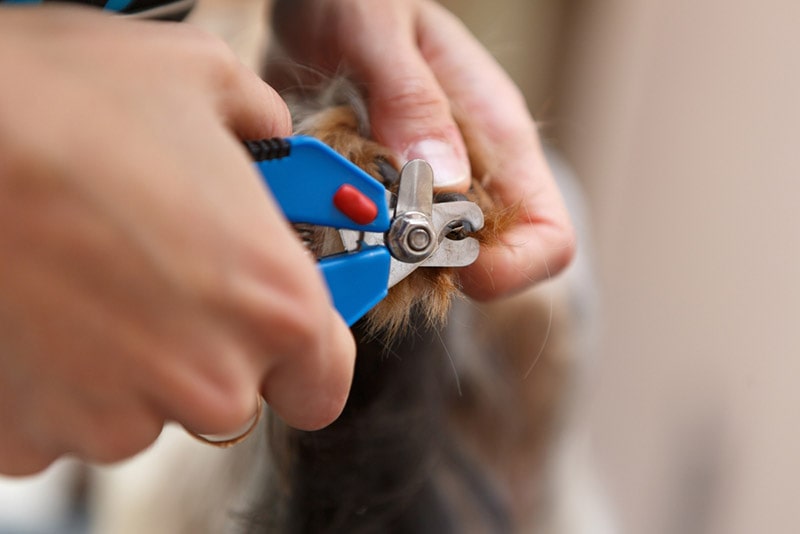
As your Havanese grows and its coat gets longer, the tufts of hair between its toes will also grow. They can grow so much that they cover the cushions on the feet, affecting your dog's posture and mobility. Make it a habit to check between your dog's toes every few weeks, cutting out any dense tufts with small scissors. Keep the feet cushions as completely hair-free as possible.
Your dog's nails will also need attention every few weeks. They should not touch the ground as this can cause discomfort and even foot deformations if not addressed quickly enough. Use a nail clipper designed for dogs and only clip the protruding parts of the nail, taking care not to cut the "quick" (the part that'll bleed). Light-colored nails make spotting the quick easier, but if your pup has black nails, you'll need to take an educated guess on where it is. Take small parts of the nail off at a time to better tell where the quick is.
Final Thoughts
While Havanese dogs may not be a big shedding breed, they still have high grooming requirements. At the bare minimum, owners should be willing to do daily brushing sessions and weekly baths. Luckily, most of the required grooming tasks are simple, so you do not have to spend a fortune at the groomer.
Hopefully, our tips above have helped make your future Havanese grooming tasks easier. Give yourself time to learn how to bathe and brush your pup, and you will have the process down pat in no time.
Featured Image Credit: Boryana Manzurova, Shutterstock
Get Hepper In Your Inbox


Pet care tips from our vets and experts, straight to your inbox.
You may opt-out at any time. View our Privacy Policy for more information.

Chantelle's life revolves around two passions: writing and animals. Raised on the prairies of Canada amidst a menagerie of pets, she now lives with five cats, two guinea pigs, and a bearded dragon. Together with her husband and child, Chantelle delights in being an exemplary animal parent, going as far as installing wall-mounted cat shelves to give their cats an indoor playground. When she's not cozying up with her cats or snapping their amusing antics, she enjoys venturing into the Rocky Mountains, binge-watching her favorite Netflix shows, and indulging in spontaneous reading adventures.
Join the conversation
Ask a question, share your story, or send private feedback.