Hepper is reader-supported. When you buy via links on our site, we may earn an affiliate commission at no cost to you. Learn more.
Composting Dog Hair and Fur: Science-Based Facts & FAQ
In this article
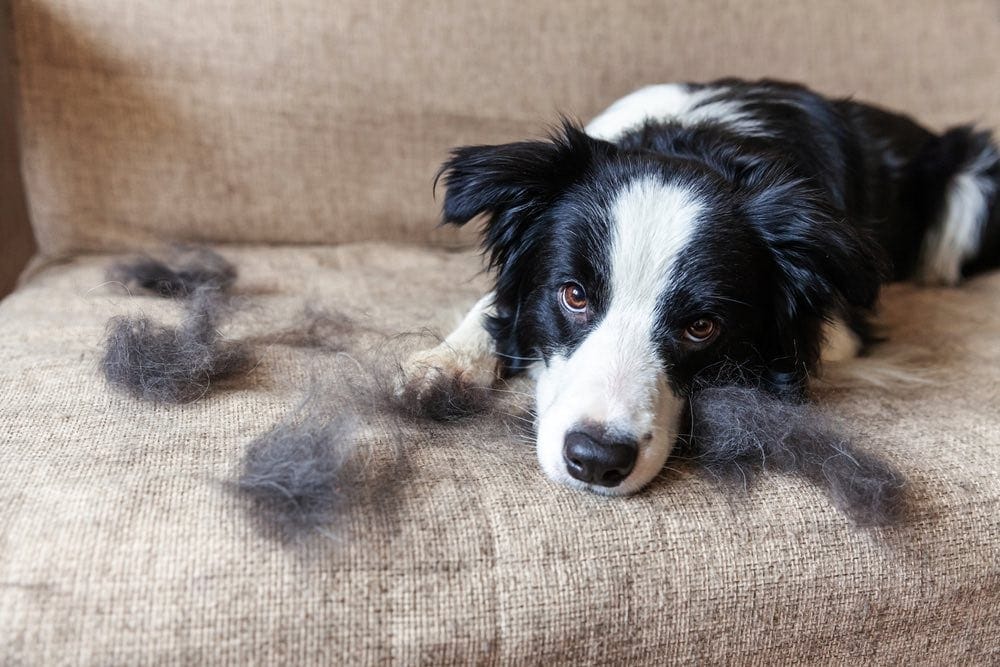
Dogs shed—it’s just what they do. If you own a dog, dog hair is likely a regular part of your life. It’s on your jeans, your couch, and your car. You probably don’t have to tell anyone that you own a dog; they can see it all over your clothes.
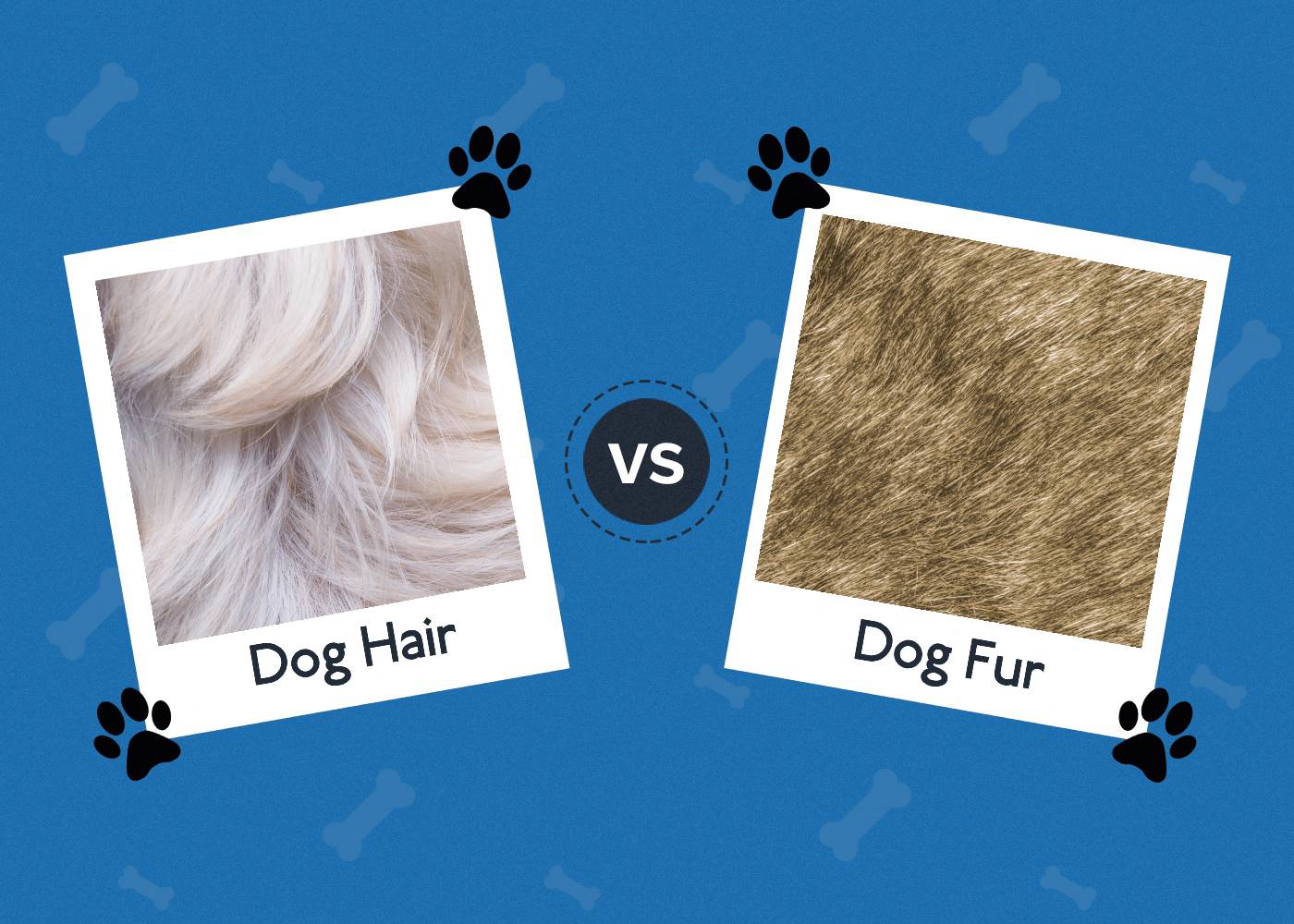
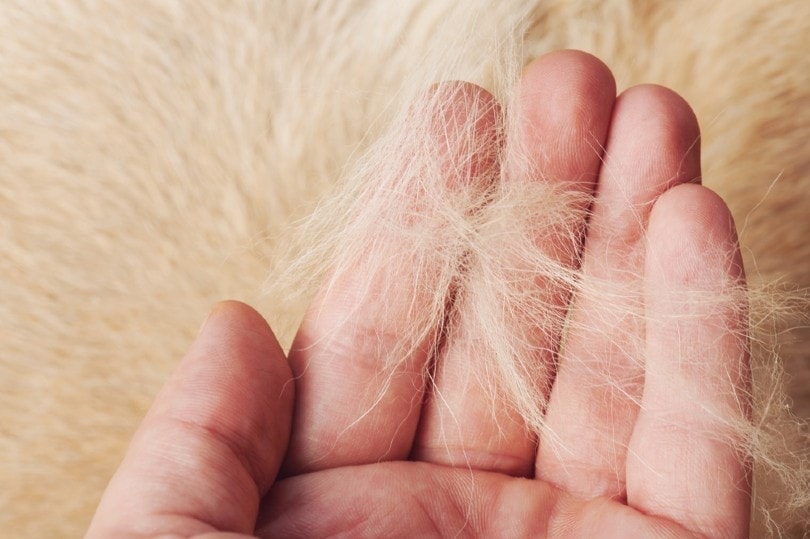
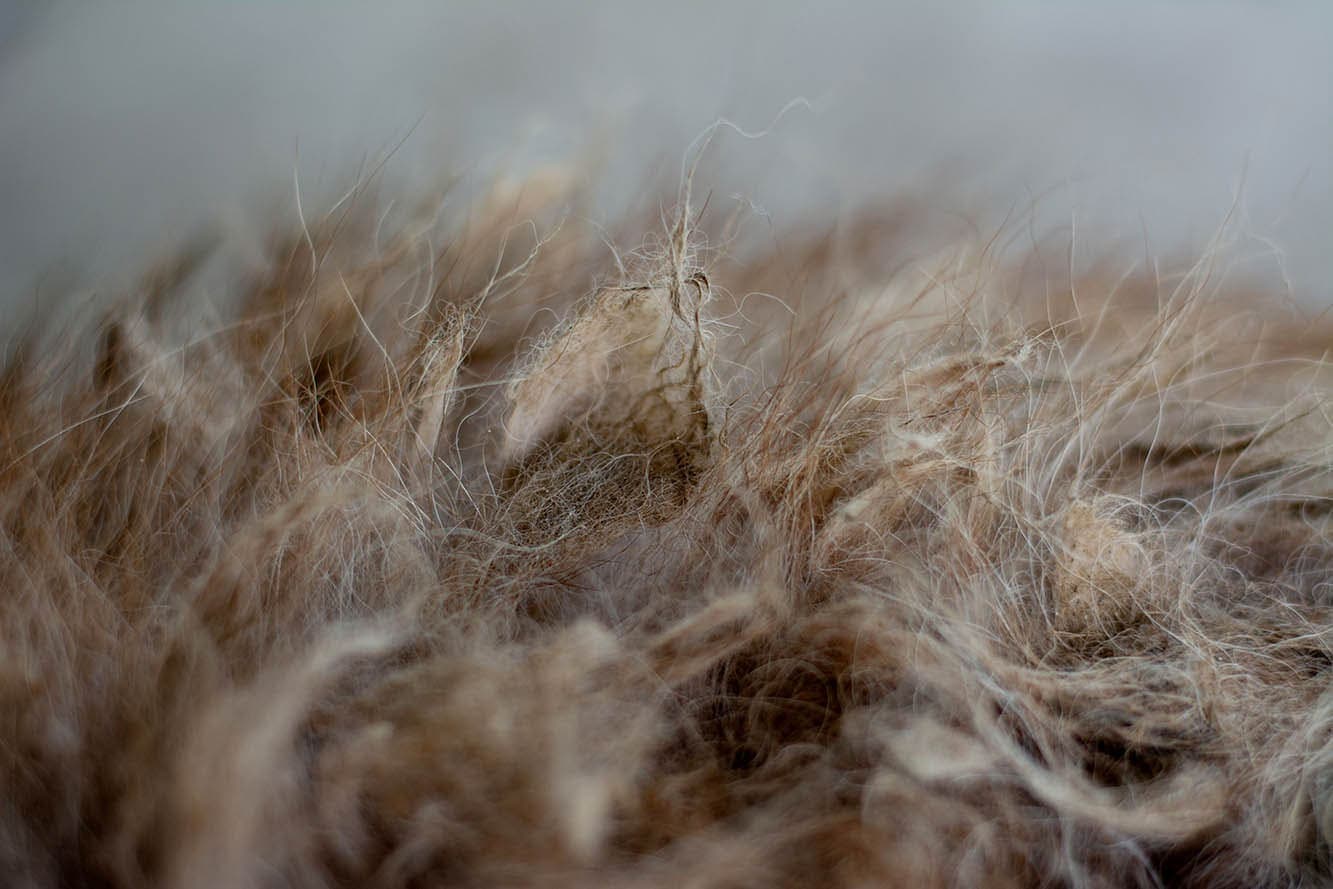
Wouldn’t it be nice if you could do something with all that dog fur? Composting allows you to turn all that dog fur into something useful. If you garden or even have a few plants, composting may be precisely what they need to thrive. Dog hair and fur are natural sources of nitrogen, which plants love. Nitrogen is often a part of commercial fertilizers. However, now, you can add it to your composting for free! Just shove it in your compost bin after a grooming session.
There are no downsides to compositing dog fur. It will not attract bacteria or mold to the bin. It doesn’t smell and won’t typically attract bugs either. Just be sure that you mix it in a bit when you add it. Otherwise, it may not start breaking down. You want the fur in contact with everything else—not just barely sitting on the top. The wind also can’t blow the fur away if you’ve buried it inside the rest of your compost.

How Long Does It Take for Hair to Decompose?
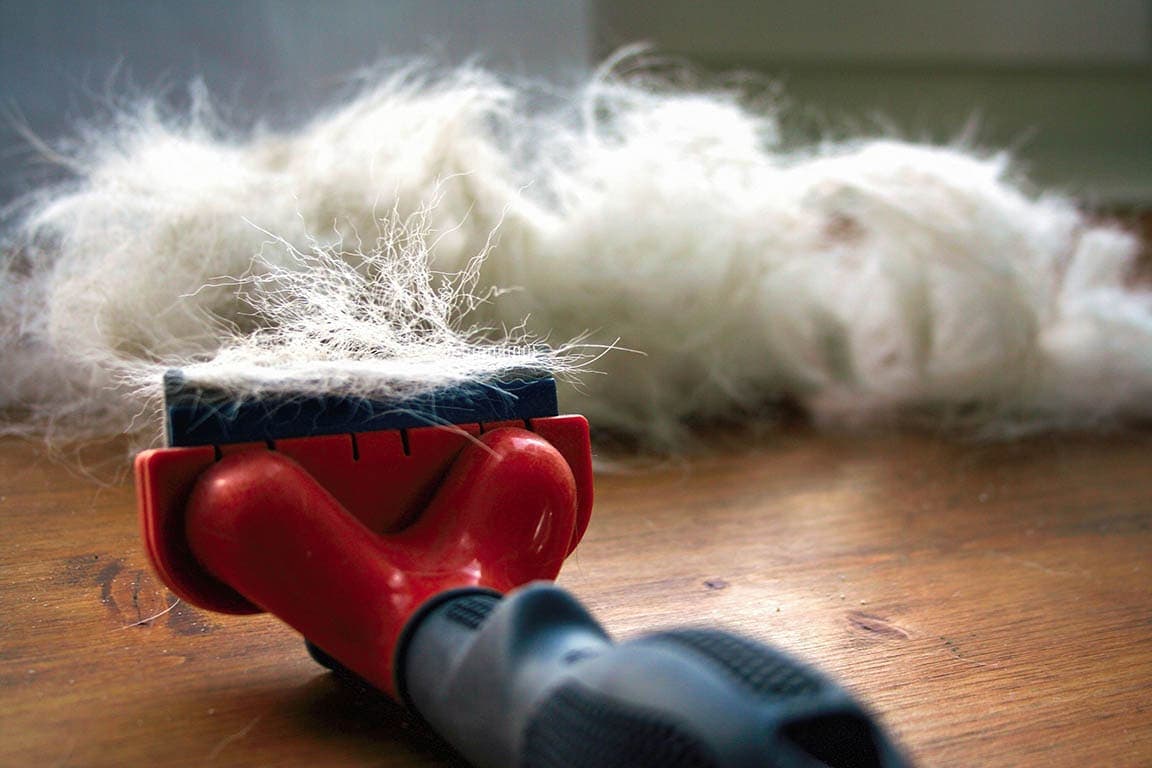
Dog fur is soft and has a lot of surface area. Therefore, it tends to decompose quickly. How quickly will depend on the weather and overall conditions. In the winter, it will take longer to decompose, just like everything else. When it is warm and prime composting season, it may only take a month.
Usually, you can expect the dog hair to decompose about as fast as other very compostable items. It shouldn’t stick around for very long.
Can You Put Chemically-Treated Dog Hair in Compost?
If you treat your dog with a topical parasite preventative, we don’t recommend composting it. We also don’t recommend putting any chemically-treated fur into a compost bin. While people usually don’t dye their dog’s fur, chemically dyed fur shouldn’t be placed into compost.
The chemicals can harm the good bacteria that are doing the composting. Harm may especially come from anti-pesticides like flea and tick treatments. These treatments are specifically designed to kill things, so you likely shouldn’t be adding them to compost. Furthermore, if you add the compost to your plants, you can be harming them as well. While pesticides usually won’t harm your plant directly, do you want to eat pesticide-laced tomatoes?
You shouldn’t eat flea and tick treatments, so you shouldn’t be placing them on something you plan to eat either. With that said, it is essential to make the distinction between topical parasite treatments and oral treatments. These two treatments work differently.
Oral treatments aren’t actually on your dog’s fur. Instead, the treatments usually work after the dog is bitten. They’re underneath the dog’s skin. These orally-taken treatments don’t affect the fur directly, so you can still use your pet’s fur for composting purposes.
Can You Compost Vacuumed Dog Hair?
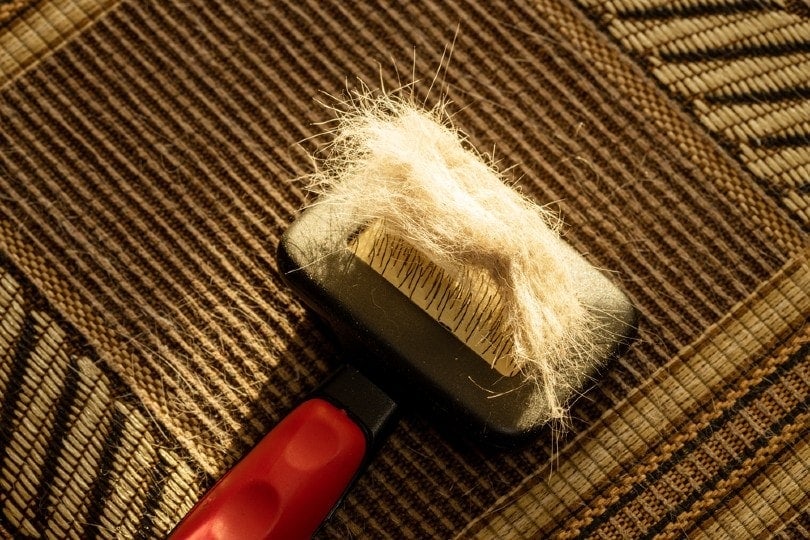
Pet fur may end up all over your house, but it is particularly prosperous on your floor. On top of adding after-grooming fur mounds to your compost bin, vacuumed fur may also be a suitable addition. However, you have to be aware of what else is on the floor.
When you vacuum, you’re sucking everything up. Even if it looks like a mound of fur, it probably contains other stuff too. Some of these things may not be suitable for the compost bin. For instance, you don’t want to add fur that has come into contact with meat or dairy products. If it’s lying on the floor of your kitchen, perhaps think twice about adding it.
Just because the vacuumed mass contains other things doesn’t mean it isn’t safe for composting. Like flakes of skin and human hair, many other things on the floor are also safe to compost. You don’t want it to contain any harmful substances.
You should be careful when vacuuming on a synthetic carpet. Often, these synthetic fibers will not break down efficiently in a compost bin. Instead, the fibers will contaminate the soil, compost, and any plants you add it to. These fibers are often made of microplastics and are not suitable for the environment in the least. Add anything vacuumed off these carpets to the usual trash bin.
Solid floors like tiles and wood don’t present this problem. You do need to be careful with chemically treated floors, though. If you just bleached your bathroom, consider not adding dog hair from the bathroom into the composting. Many wood floor cleaners are also not safe for composting. Even if the fur didn’t come into direct contact with the cleaners, it could pick up trace amounts after spending some time on the floor.
You may also want to consider how often you vacuum your floor. If you vacuum it very often, it is very likely to contain mostly dog fur. Otherwise, you may be picking up a lot of other stuff as well.
How Do You Add Dog Hair Into Compost?
Adding dog hair to composting is quite simple. You need to sprinkle the hair with other green ingredients when you add another layer. Preferably, the hair should be under something so that it doesn’t fly away. Try to spread the hair out over the compost. You don’t want all of it to be one big wad. The thinner the layer of hair, the easier it will compost.
You also want to have as much hair in contact with the rest of the compost as possible. You don’t simply want to leave a whole wad hanging on top—that is likely not going to be very helpful. Otherwise, continue composting as usual. You should preferably cover your compost, or you can put it in a commercial composter.
Turning the compost is recommended, but the method and timeframe don’t change just because you’ve added hair. Every few weeks is often enough to keep everything mixed. When you do turn over your compost, ensure that the hair doesn’t go flying away. It should be partially composted within a few weeks and fully composted within the month.
Can You Compost Dog Food?
So, your dog didn’t like their food? Or perhaps you’ve decided to switch them to a higher-quality option? Either way, you can quickly get rid of that excess food through composting. Old, stale dog food is perfect for this. It may not exactly add much to the mixture. It depends on what the food has in it. It may be similar to adding your food scraps, or it could be filler.
Higher-quality dog food will likely add more nutrients to the composting mixture than lower-quality options. We recommend only using dry dog food for composting. Wet dog food can get quite smelly and may attract some unwanted bugs. It can also grow mold. Usually, it isn’t made to sit out that long.
Moisten the food lightly with water before you add it to the bin. Slightly dampened dry food will compost faster than completely dry food. Plus, you don’t want the dryness sucking in all of the surrounding moisture from the compost.

Conclusion
You can compost your dog’s fur in most situations. You don’t want to add chemically treated fur, including fur treated with flea and tick prevention. The chemicals can harm the bacteria in the compost, your plants, and you.
Be careful about vacuumed pet fur. If you vacuumed it off of a synthetic carpet, you might have also vacuumed un-compostable fibers. You don’t want these ending up on your cucumbers and tomatoes. If your dog fur hasn’t come into contact with these substances, it is likely completely compostable. It will add some nitrogen to your mixture, making your plants extra happy.
Adding the dog fur is simple and shouldn’t require you to change your routine. Sprinkle it in a thin layer and put it under something so that it doesn’t fly away. If you’re adding other stuff to the compost simultaneously, add the hair first.
Featured Image Credit: Julia Zavalishina, Shutterstock
Get Hepper In Your Inbox


Pet care tips from our vets and experts, straight to your inbox.
You may opt-out at any time. View our Privacy Policy for more information.

Kristin is passionate about helping pet parents create a fulfilling life with their pets by informing them on the latest scientific research and helping them choose the best products for their pets. She currently resides in Tennessee with four dogs, three cats, two fish, and a lizard, though she has dreams of owning chickens one-day!
Join the conversation
Ask a question, share your story, or send private feedback.