Hepper is reader-supported. When you buy via links on our site, we may earn an affiliate commission at no cost to you. Learn more.
How to Soften a Dry Cat Food: 5 Vet-Verified Easy Tips


In this article
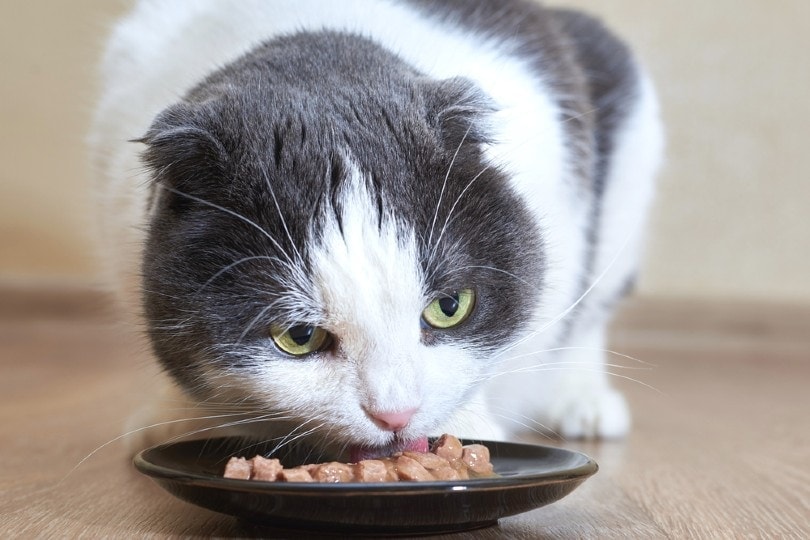
There are several reasons that you may need to soften dry cat food. Perhaps your feline is having trouble eating hard food after an illness or surgery. Maybe you’re trying to wean a litter of kittens. Either way, there are several potential ways that you can soften dry cat food. Most of these methods are straightforward and not that hard to accomplish.

The 5 Easy Tips to Soften Dry Cat Food
1. Add Water
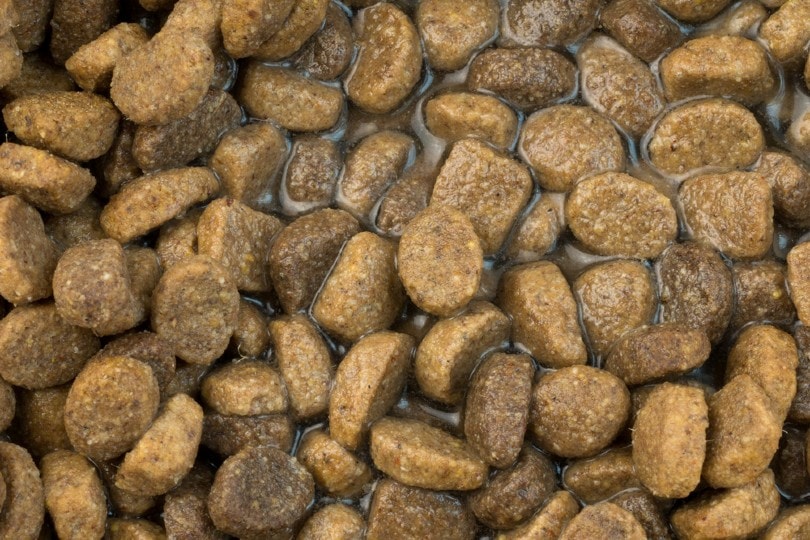
One of the easiest ways to make dry cat food softer is to simply add water. The dry food should soak up the water quickly, making it softer. You can microwave it slightly to speed up this process and make it squishier, if necessary. For most cats, adding a bit of extra water is more than enough.
Once the food has been allowed to soak for a few minutes, pour out the excess water. If the food still isn’t soft enough, you may need to add more water or microwave it, which speeds up the soaking process. Typically, you only need about 10 minutes for this method to work.
2. Add Broth
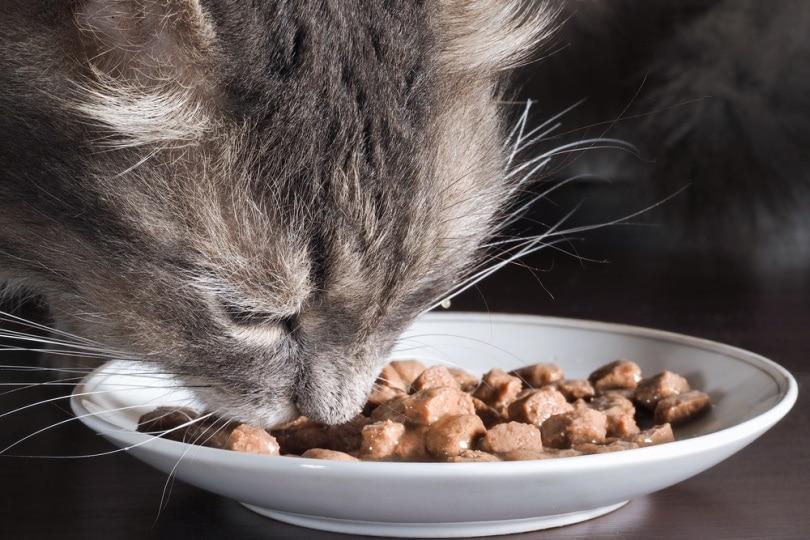
If your cat needs a bit of extra encouragement to eat, we highly recommend adding broth instead of water. Often, this provides an extra flavor that may encourage your feline to eat better. However, be aware of the added fats, salt, and toxic ingredients such as garlic or onion powder that come with broth. Using cat-safe broth is a must.
You can make broth at home or look for commercial cat-specific broth at your local pet store and online. You could use the gravies that come in pouches or tins too, which can also be useful. For adding broth to your cat’s food, you can use the same method as adding water.
3. Use a Blender
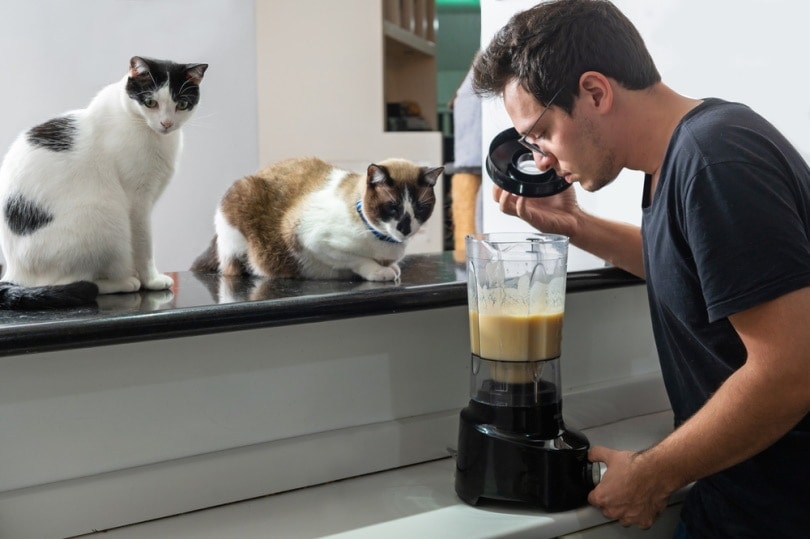
For cats with dental problems, you often need to do more than just soften the food. Often, these cats can’t use their teeth at all, so you’ll likely need to make the food completely liquid. They need to be able to lap up the food without any chewing. The easiest way to do this is with a blender.
Start by adding water (or broth) to your cat’s dry food. Let it soak for about 10-15 minutes. You can add more water if the food isn’t soft enough. Drain any excess water, but don’t stress about removing all of it. Next, put it in your blender and blend it until smooth.
You can add more water or crushed dry food while blending to control the consistency. You’ll likely need to experiment a bit to figure out exactly what your cat likes.
Serve this food right away because it won’t stay good for long. The extra moisture will promote mold growth.
4. Add Kitten Formula
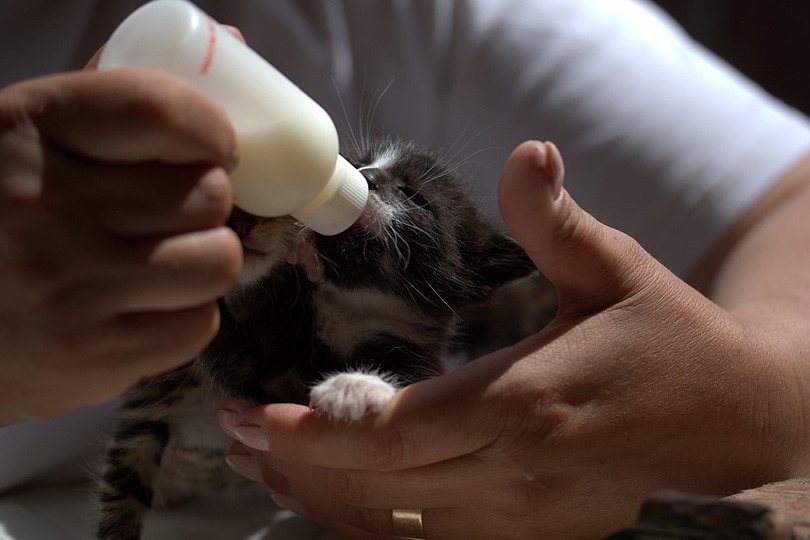
Technically, you can use the first method on this list for kittens. Adding water doesn’t mess with a kitten’s sensitive digestion and doesn’t add any calories, making it a good choice. However, you can also use kitten formula. Often, this provides extra calories beyond what the dry food provides, which may be useful if the kittens are having trouble weaning.
Furthermore, the creamy consistency formula makes the food much more appetizing for kittens. Therefore, they may be more likely to try it. If you have a kitten that just isn’t getting on the dry food train, you may want to consider utilizing the kitten formula.
We recommend choosing a nutritionally-complete commercial option. You can also make your kitten formulas, though these may not be quite as complete and healthy.
5. Mix It With Fresh Cat Food
Another good option is to mix your dry cat food with fresh wet food. This will allow you to have the best of both worlds: all the nutrition and moisture your cat needs!
Our Favorite Cat Deal Right Now


What Not to Do
Now that we’ve discussed how to soften cat food safely, let’s look at a few things that you shouldn’t do. Many of them are not safe.
Don’t Leave Out Food Overnight
It's not recommended to leave the food to soften overnight. By letting the food sit for so long, you provide bacteria with a chance to grow. While dry food is safe from bacteria in most cases, softened dry food is not. The last thing that you want to do is make your cat sick.
Food only needs about 10–15 minutes to soften, so there is little reason to leave it overnight. Feed it to your cat as soon as it's done softening, as this provides less time for bacteria to grow.
Don’t Add Tons of Water
When you’re softening your cat’s food, there is always the possibility of diluting the food too much. You want your cat to get all the necessary calories, not fill up on the added water. Therefore, you should only add just enough water to make the food soft. You can always add more water if you need to after the first soak.
Don’t Use Milk
Milk is perishable and can quickly go bad, making it unsafe for your feline. Furthermore, after kittenhood, the majority of cats are lactose intolerant. Therefore, added milk may cause digestive problems, like diarrhea. So, it’s wiser to stick with just water and cat-safe broth.
Don’t Ignore Health Problems
If your feline isn’t eating their typical food, something is wrong. You should seek veterinary attention as quickly as possible. Cats tend to hide signs of illness, which means that you may not know they’re sick until it's already quite serious. The only sign that you might notice is a decreased appetite. Even if one of these softening methods encourages your cat to eat, you shouldn’t ignore the underlying problem of decreased appetite to begin with.
Frequently Asked Questions
Can I Put Dry Cat Food in a Blender?
You can put cat food in a blender if necessary. However, you should be sure to add plenty of water or broth to the food first and allow it to soak for a while. Otherwise, you may end up with crushed food, not blended food. We also recommend controlling the consistency as you utilize the blender. You may find yourself needing to add more liquid as you blend.
Can I Mix Dry Cat Food With Milk?
No, you should not mix cat food with milk for a few reasons. First, milk makes most cats sick. Upon reaching adulthood, many cats are lactose intolerant. Therefore, they will often develop digestive problems after drinking milk. Secondly, milk is perishable and may go bad before your cat finishes the food. As you might imagine, this can make your cat quite sick.
Regardless of the type of food your feline companion prefers, finding a bowl that is sure to keep the mess contained can be tough. Our Hepper NomNom Cat Bowl features a wide tray designed to ensure that all food stays exactly where it should—inside the bowl and off the floor. The whisker-friendly bowls fit securely into the PP plastic base and are low and wide to prevent whisker fatigue. Its contemporary style will fit seamlessly into any home and it is completely dishwasher safe.

- NO MESS - The 360° tray on this cat food and water bowl set has a raised design to catch and contain stray crumbs and drips. Protect your indoors and floors from wet and messy meals!
- WHISKER FRIENDLY - Shallow and wide metal containers with flat bottoms ensure your kitty can enjoy mealtime free from whisker fatigue!
- CHEW-SAFE MATERIALS - Kittens and cats love chewing on silicone and soft rubber - but it's a choking hazard. Our cat feeding station materials are anti-chew for a 100% safe feeding frenzy!
Conclusion
Dry food can soak up water and broth quickly. Therefore, making dry food soft is often as easy as adding a liquid and letting it soak for a few minutes.
Of course, this will mess with the shelf life of the food. You’ll be unable to store the food after moistening it. However, softened food is sometimes necessary to encourage cats to eat it, especially if they have an underlying health issue, like dental problems.
You’ll also need to soften food when weaning kittens, as they need to be slowly introduced to the act of eating harder foods.
Featured Image Credit: osobystist, Shutterstock
Get Hepper In Your Inbox


Pet care tips from our vets and experts, straight to your inbox.
You may opt-out at any time. View our Privacy Policy for more information.
Kristin is passionate about helping pet parents create a fulfilling life with their pets by informing them on the latest scientific research and helping them choose the best products for their pets. She currently resides in Tennessee with four dogs, three cats, two fish, and a lizard, though she has dreams of owning chickens one-day!
Join the conversation
Ask a question, share your story, or send private feedback.