Hepper is reader-supported. When you buy via links on our site, we may earn an affiliate commission at no cost to you. Learn more.
Common Goldfish: Vet-Approved Breed Facts & Care Tips


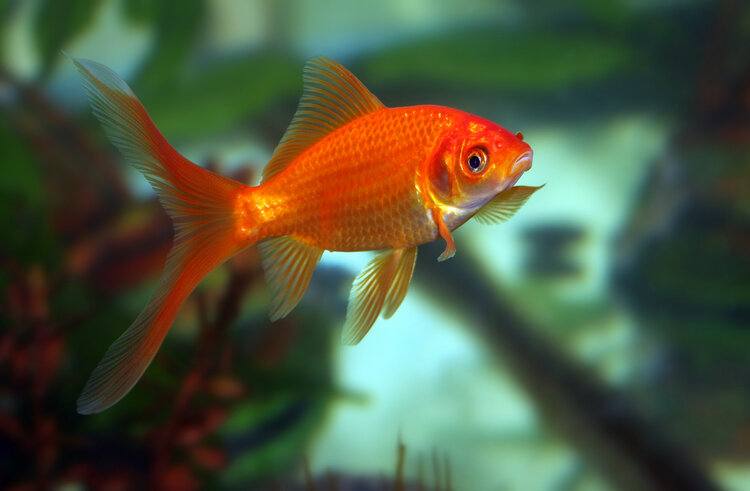
The common goldfish is a popular aquatic pet that’s readily available in many parts of their world. They’re renowned for their colors, fins, and foraging antics. In this article, we summarize the main characteristics of this pet and provide some care tips for them.

Breed Profile and Summarized Care Tips
Common Goldfish Breed Description
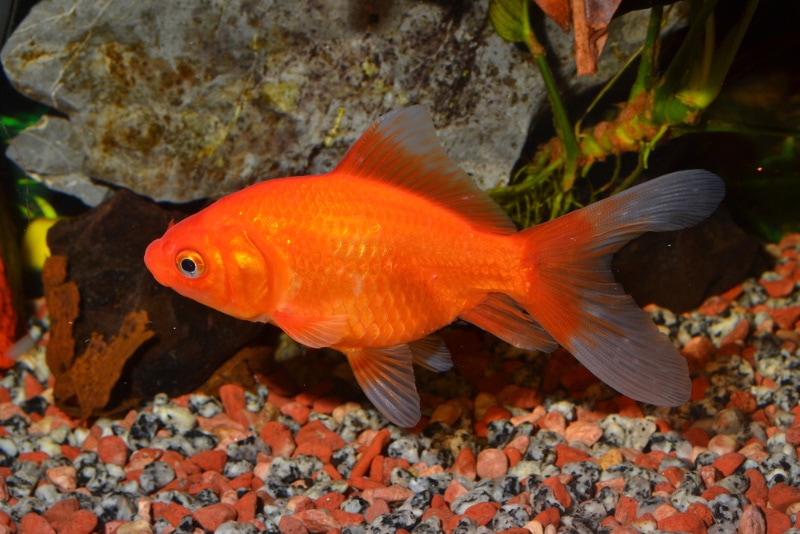
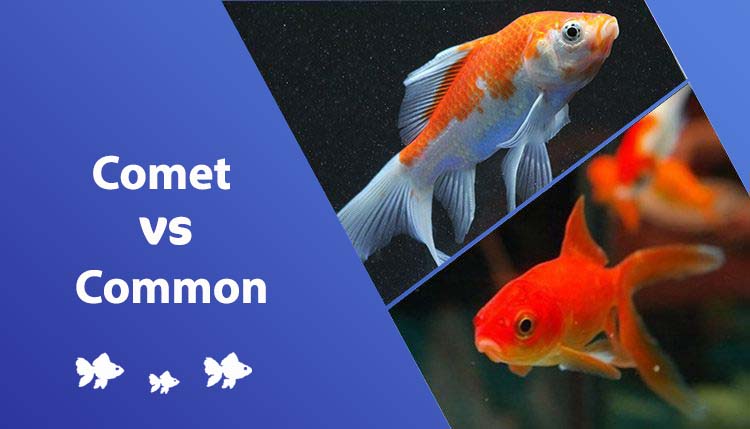
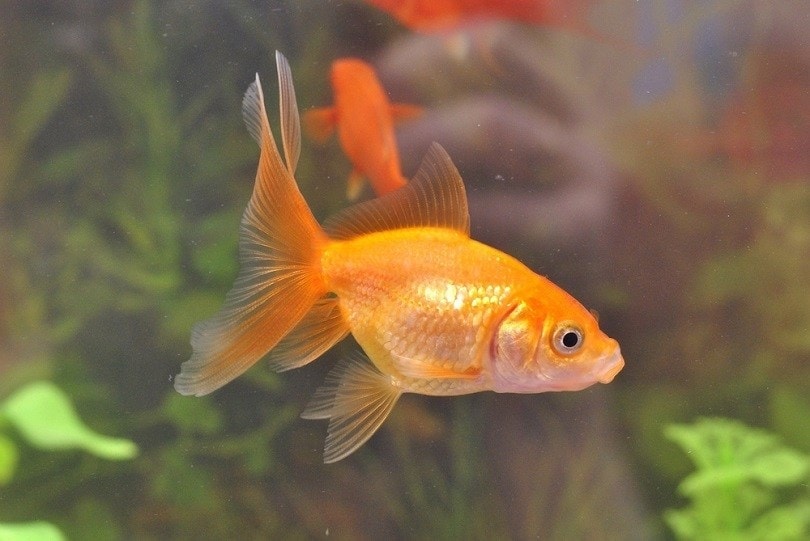
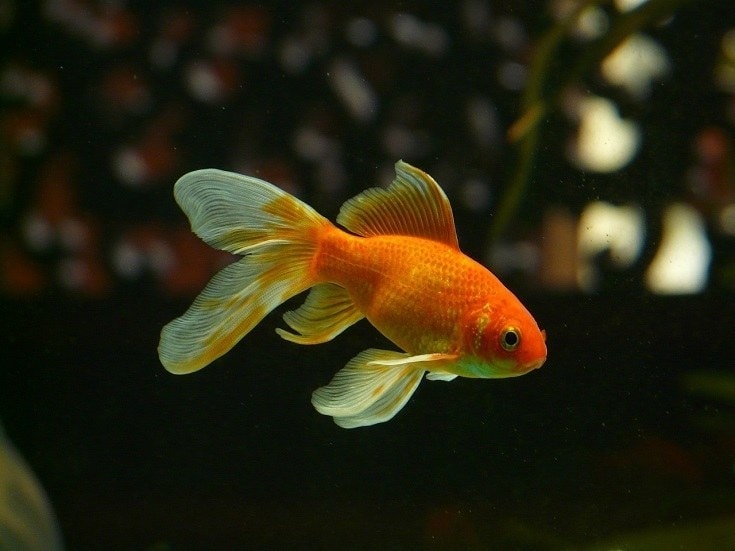
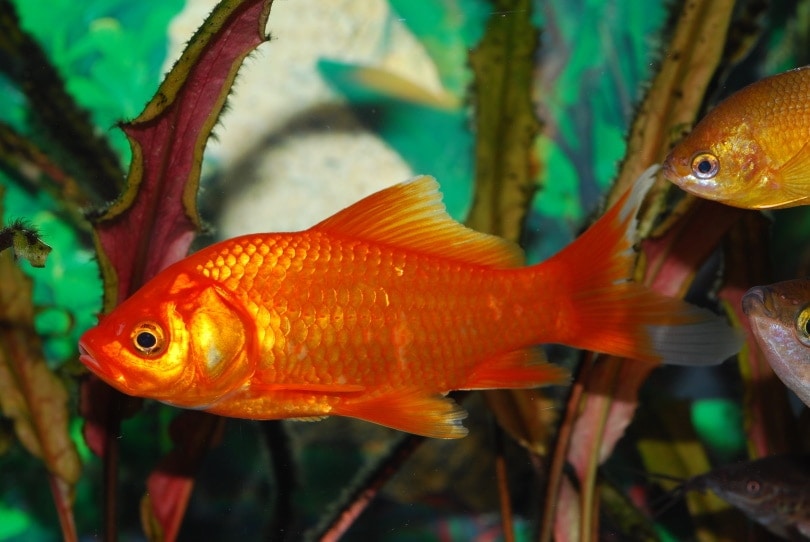
This breed of goldfish is also dubbed by experts as the "Hibuna." These are the ones you see with the shorter tail fins. They have long slender bodies. They are very similar to the Comet goldfish, but they lack the long tail and long fins.
Colors
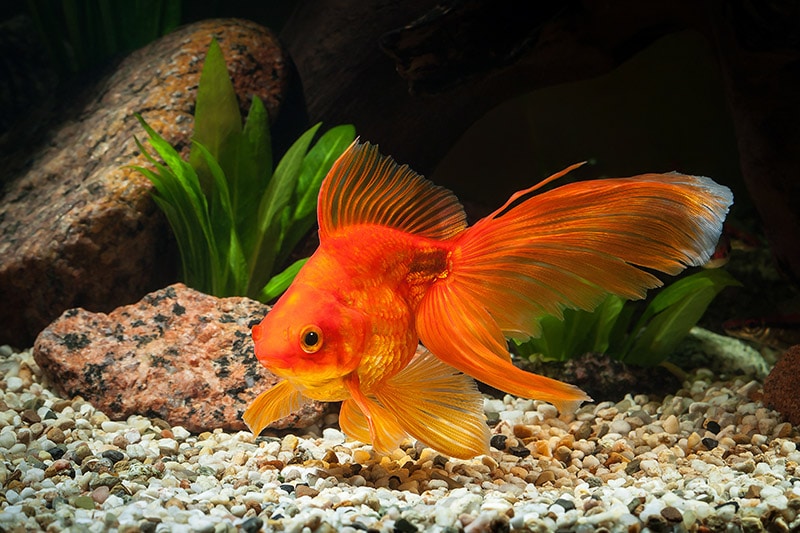
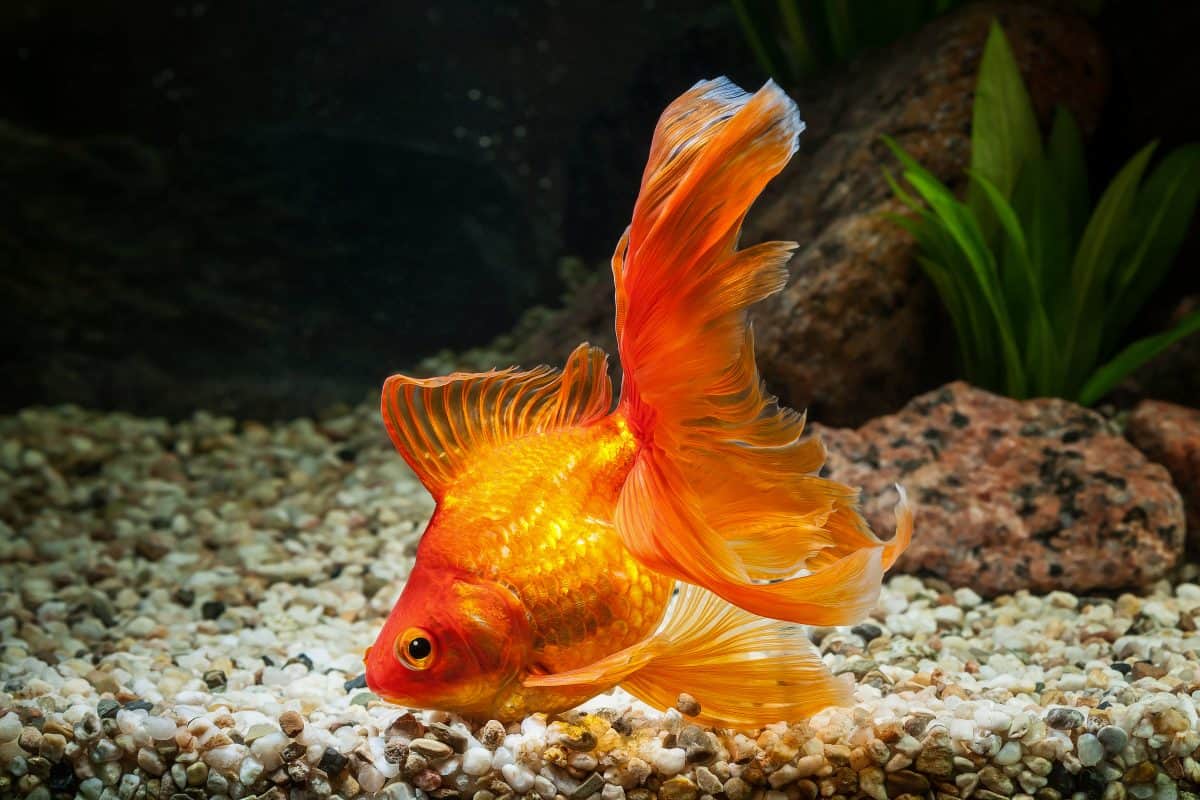
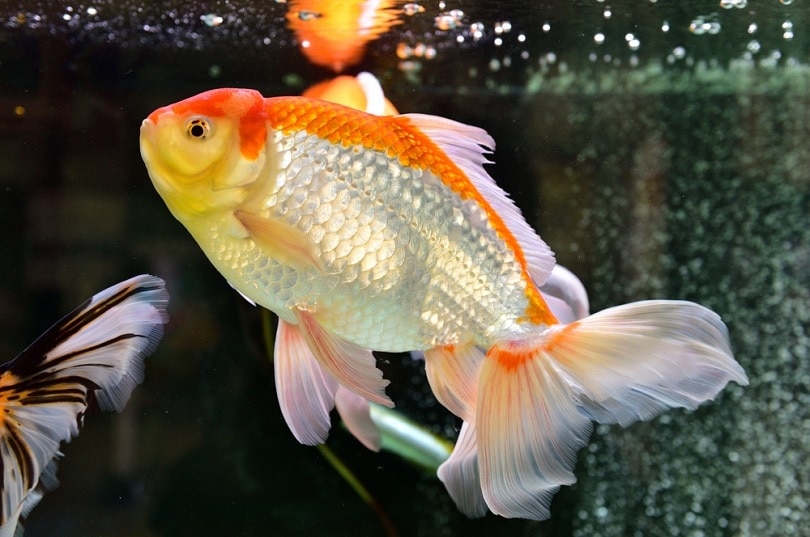
Commons are mostly found in orange, but there are other more unusual color patterns.
Color Patterns
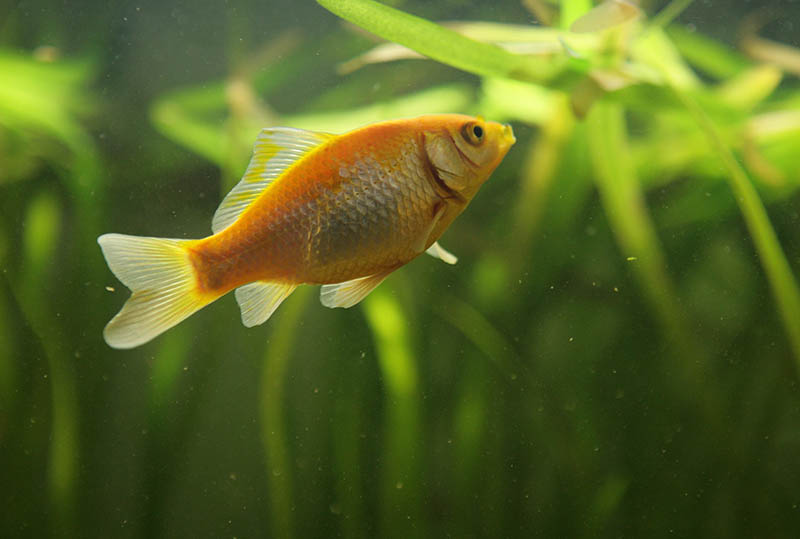
Brown is usually a juvenile color and can be considered a "mystery fish" that will change. Not too many breeders are out there breeding these, so you probably won't find as much variety as with other types.
Size
Common goldfish can reach a length of 12" or more when given access to lots of fresh water and appropriate care. Lack of proper care can lead to a stunted goldfish.
Temperature
The acceptable temperature range for common goldfish, whether they’re kept indoors or outdoors, is 16–22°C (60.8 – 71.6°F). Their optimal temperature for growth, immunity, and reproduction is between 20 °C (68 °F) and 22 °C (72 °F).
Diet
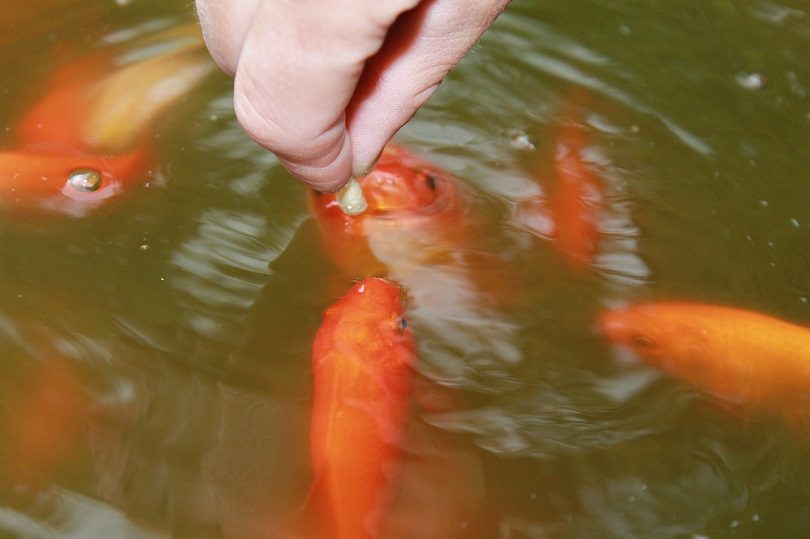
The best food for these fish is a staple diet of pellets, supplemented with frozen, freeze-dried, or live foods. They also should have access to grazing roughage in the form of plant material. Peas, duckweed, cucumber, and others all make good grazing to keep their digestive tract moving.
Tank Mates
Generally speaking, common goldfish should only be housed with other common goldfish whenever possible. They can also get along with Comets, Shubunkins, and Koi fish, assuming your pond is big enough to house all of them. Other tank mates are not advised. Tropical fish are not recommended, as they have different temperature requirements.
Housing
In many parts of the world, it may be possible to win a goldfish at a carnival, fair, or festival. We do not recommend or advise adopting a goldfish this way unless you are able to provide a suitable home for them. Legislation in recent years has led to some countries imposing a ban on having goldfish given as prizes at fairs or carnivals.
We do not encourage or recommend placing goldfish in bowls as it is very difficult to cater to their needs in such a setup. Goldfish are social, messy, large, and long-lived, and they should be kept in groups in aquariums large enough to house them. Please note that some cities, counties, and jurisdictions have passed legislation that prohibits housing them in bowls. Other places have introduced laws prohibiting goldfish from being housed alone.
The absolute minimum aquarium size for a fully-grown common goldfish is around 55 gallons. However, since they shouldn’t be housed alone, you should consider a 70 or 75-gallon aquarium for a pair. They are best kept in small ponds in groups of 5 or more.
Breeding
These fish are prolific breeders when kept in ponds outdoors. Perhaps that is why they are such popular "feeder fish," sold as reptile food at pet stores. Indoors, breeding them is much the same as breeding other goldfish.
Breeding goldfish is a massive time and money investment and not something that we recommend for hobbyists who are just beginning their fish-keeping journey. A 3:1 male-to-female ratio is recommended to increase the chances of egg fertilization, and gradually increasing the light (if indoors) to around 14-16 hours per day is recommended to stimulate breeding. It may be necessary to increase feeding to stimulate egg production.
If you're a new or experienced goldfish owner who’s unsure of the best housing setup for your goldfish family, check out our book, The Truth About Goldfish, on Amazon.
It covers everything about ideal tank setup, tank size, gravel, aquarium ornaments, and so much more!
Additional Tips For Care
Substrate
Small gravel is generally not recommended for goldfish since large enough pieces can become lodged in their mouths at times. Some goldfish keepers prefer a bare bottom setup for ease of cleaning, but aquarium sand is also an appropriate choice. Purchased river rocks can be used for indoor and outdoor setups if they are rinsed thoroughly before use and are smooth with no jagged edges to prevent injury to the fish. It is important to not source rocks or plants from local waterways to prevent the spread of parasites and disease.
Plants
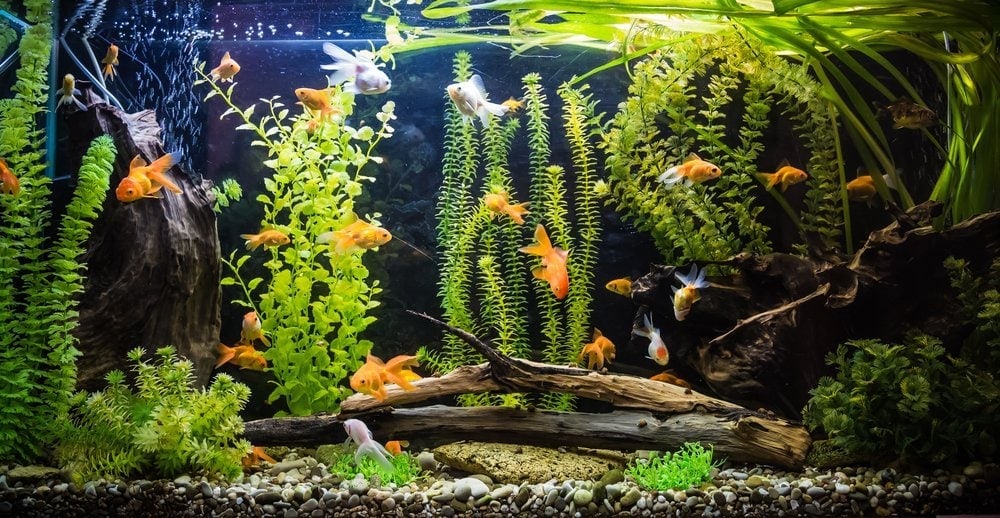
Plants like anubias, java ferns, hornwort, moneywort, and Amazon swords are not likely to be eaten by goldfish. They have an affinity for plants like duckweed, frogbit, and salvinia. Other plants can be grown from the top of the water, like pothos, tradescantia, and bamboo.
Lighting
Goldfish require light for at least a few hours per day. It is best to not place the tank in direct sunlight as this can lead to an algae bloom. Artificial light is recommended for indoor setups, but it is important to have “lights out” to replicate natural sleep/wake cycles.
Filtration
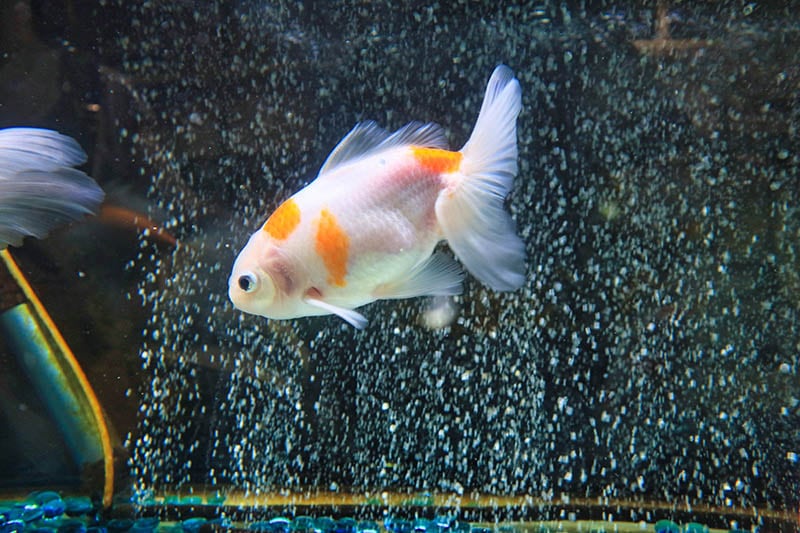
The filter system you choose for your goldfish tank is critical. It needs to be rated for more than the number of gallons in your tank, and the rule of thumb is that the water flow in the filter should be 5 to 7 times the volume of the aquarium. For example, if you have a 55-gallon tank, consider a filter rated at over 275 gallons per hour.
A trick many goldfish keepers like to use is to install multiple filters in their aquariums. Not only does this help them achieve excellent levels of filtration, but it makes the task of filter maintenance much easier, too, as you can alternate between filter cleanings (that way, a maintenance session will not disrupt the filtration process by too much if something goes awry).
Final Thoughts
In this article, we’ve summarized the basic profile and care for the common goldfish. Though relatively easy to care for, they do have some specific requirements, especially with regards to their aquarium size and filtration needs to ensure that they remain healthy and live a long time.
See also:
Featured Image Credit: Heidi Schneider, Shutterstock
Get Hepper In Your Inbox


Pet care tips from our vets and experts, straight to your inbox.
You may opt-out at any time. View our Privacy Policy for more information.
Lindsey discovered her passion for fish keeping after a junior high school field trip to the Shedd Aquarium in Chicago. Prior to becoming Editor-in-Chief of It's a Fish Thing, Lindsey studied marine biology at the University of California-Santa Cruz. She loves goldfish, tetras, and mystery snails, and recently began experimenting with a saltwater aquarium.
Join the conversation
Ask a question, share your story, or send private feedback.