Hepper is reader-supported. When you buy via links on our site, we may earn an affiliate commission at no cost to you. Learn more.
How to Take Care of Goldfish: Vet Approved Beginner’s Guide


In this article
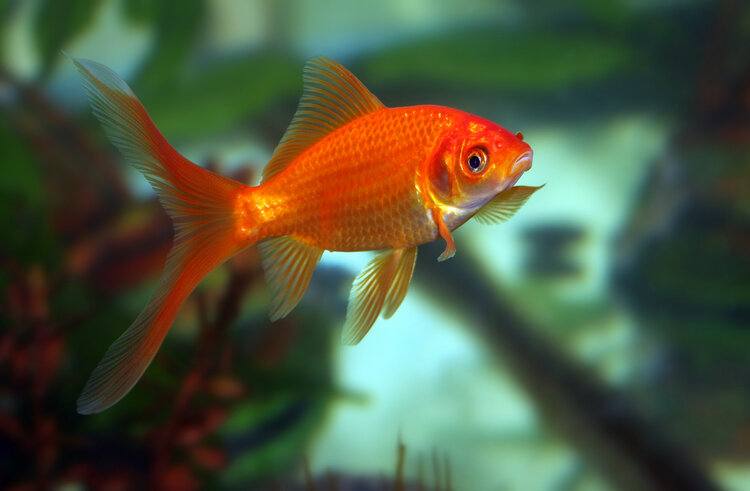
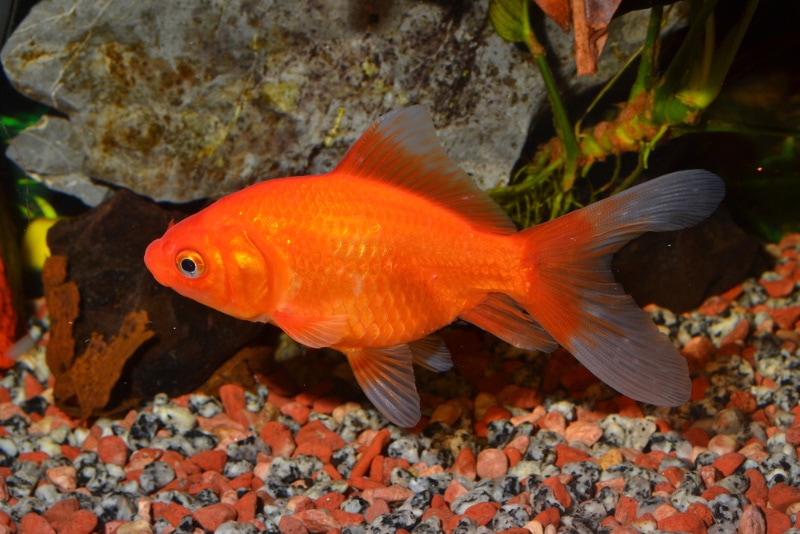
Goldfish are one the most popular pet fish in the world. These ornamental fish originate from China and have been domesticated for more than a millennium.
They were developed from wild carp, and selectively bred to produce all the different goldfish varieties we see today. You can find goldfish populating nearly every pet store you visit.
Regardless of where you acquire your goldfish from, ensuring that they are properly cared for is essential. This beginner-friendly goldfish care guide will tell you everything you need to know about them.

Are You Ready for a Goldfish?
Although goldfish are popular pets, they are not the right pets for everyone. Goldfish care is not as simple as it might seem, considering a lot of goldfish are still cared for using outdated practices. Caring for goldfish doesn’t just involve feeding them, but also maintaining their aquarium and water quality.
You will need to provide your goldfish with a suitably sized fish tank, a healthy diet, proper aquarium equipment, and ideally, conspecifics. If you are looking to get goldfish for your young child, you will need to be responsible for most of the goldfish’s care.
What You Will Need

Goldfish Care Requirements
We will discuss the basic care requirements for all goldfish below.
Tank or Pond Size
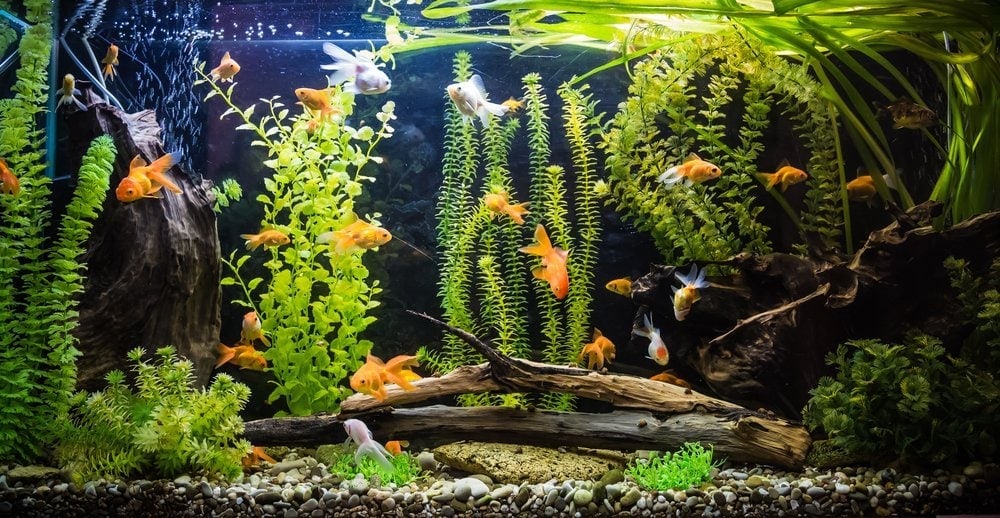
Choosing the right-sized tank or pond for your goldfish is important. Goldfish should only live in large fish tanks, ponds, or wading pools. Most common varieties of goldfish can grow up to 12 inches long, so they are not suitable for small aquaria. They might look small when you first get them but can grow rapidly in the right conditions.
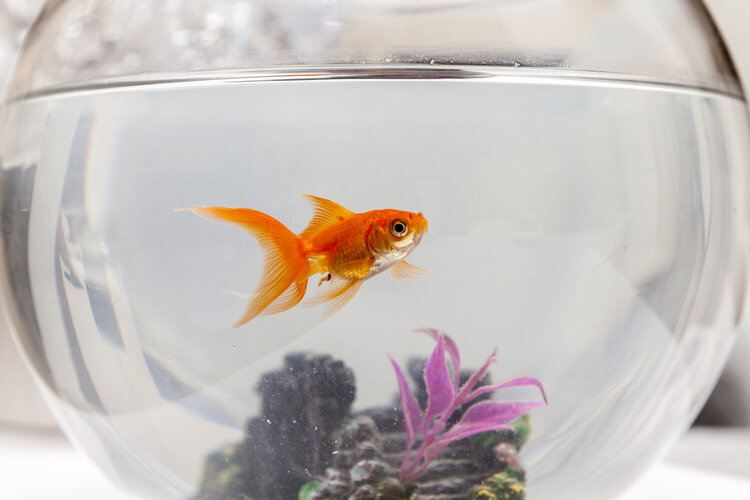
Bowls, vases, and other aquariums under 40 gallons are not ideal homes for goldfish and are often deemed inappropriate. Goldfish used to be displayed in bowls during ancient times, but it was never their permanent home. Common goldfish specifically are better suited for ponds than their fancy counterparts.
The larger the goldfish are or the more you keep in the tank or pond, the bigger it needs to be. Many goldfish experts follow the 40-gallon minimum and an additional 10 to 20-gallons per goldfish rule.
Filtration
Goldfish are well-known for being messy fish with a high bioload. These fish continuously poop, eat and release ammonia (similar to urine) from their gills. This can quickly pollute the water and creates a dangerous environment for the goldfish because ammonia is toxic for fish. To help keep the water clean for your goldfish, you need to run a filter in their aquarium.
Most filters are suitable for goldfish, but popular choices include the hang-on-back, sponge, and canister filter. The filter should offer both mechanical and biological filtration, but additional chemical filtration is a bonus. The filter must be strong enough to effectively filter your goldfish waste without producing too strong of a strong current. Goldfish do not enjoy swimming against strong filter currents, which is tiresome and stressful.
Diet
Goldfish are omnivores and need a balanced diet made from high-quality ingredients. There are various commercial goldfish foods to choose from, either in a flake, pellet, or granule form. A quality goldfish food will have beneficial ingredients and added vitamins and minerals. Commercial food should be offered to goldfish once or twice a day, but only as much as they can eat within a few minutes. You can offer them dietary supplements like bloodworms, algae wafers, or spirulina flakes a couple of times a week.
Water Quality
Water quality is an important part of goldfish care. Your goldfish relies on good water quality for survival, and it is up to you to provide them with it. Goldfish are freshwater fish, so they should not be kept in brackish or marine conditions. If you use tap water or other water sources with chlorine, heavy metals, and chloramines, you will need to use a dechlorinator. The de-chlorinator helps to neutralize those harmful water components to make the water safe for your goldfish.
Your goldfish’s tank or pond needs to be fully cycled before you add them in. This is because the nitrogen cycle can take around 4 to 6 weeks to complete before it is safe. During the cycle, colonies of beneficial bacteria will form to convert your goldfish’s waste into a less toxic form.
Important: your aquarium should be fully cycled before adding any fish to it.
Goldfish are sensitive to ammonia and nitrite which are high in uncycled aquariums. The safest level of ammonia and nitrate is 0 parts per million (ppm), but nitrates are safe until 15-20 ppm. A liquid testing kit can give you an accurate measurement of an aquarium's water parameters. You should never keep goldfish in an uncycled aquarium, even if the pet store has recommended you do so by using water treatments as a replacement.
Maintenance
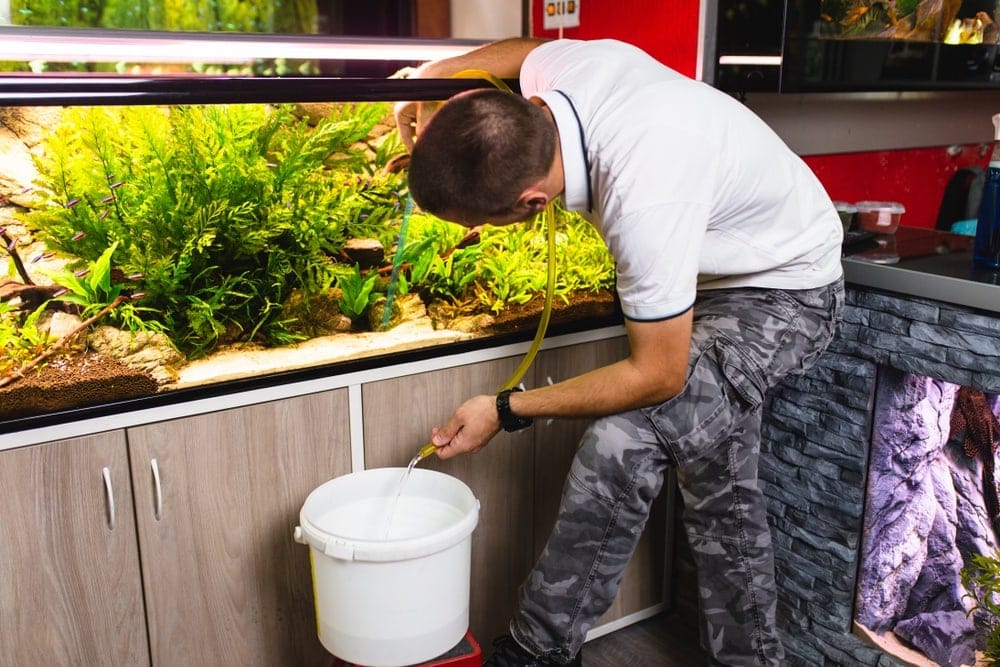
Maintaining a goldfish aquarium involves doing partial water changes, cleaning the filter, and checking that all the equipment is working properly. A partial 10% to 25% water change should be done once a week to remove excess nitrates and pollutants in the water. The filter, aeration system, and heater (optional) should be regularly inspected so you can detect a malfunction.
Keep in mind that components in tap water may kill beneficial bacteria in filter media, so it is best cleaned in old water during a water change. You shouldn’t scrub, disinfect, or excessively tamper the biological filter component of your filtration system. A bucket and siphon can be used to suction the water out and remove gunk from the substrate.
Choosing Your Goldfish
Once you have set up your goldfish's new home and waited patiently for it to cycle, you can begin choosing your new goldfish.
Varieties
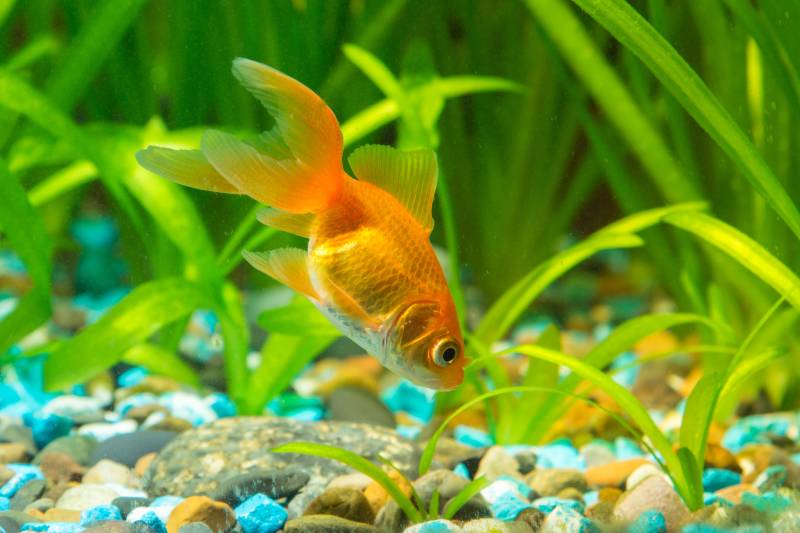
There are numerous goldfish varieties available from breeders and pet stores. Goldfish are usually broken into two categories based on their body shape, namely streamlined and fancy goldfish. Streamlined goldfish or single-tailed goldfish have a more natural and elongated body shape than fancies. They are some of the hardiest goldfish varieties and do not seem to be as affected by buoyancy disorders.
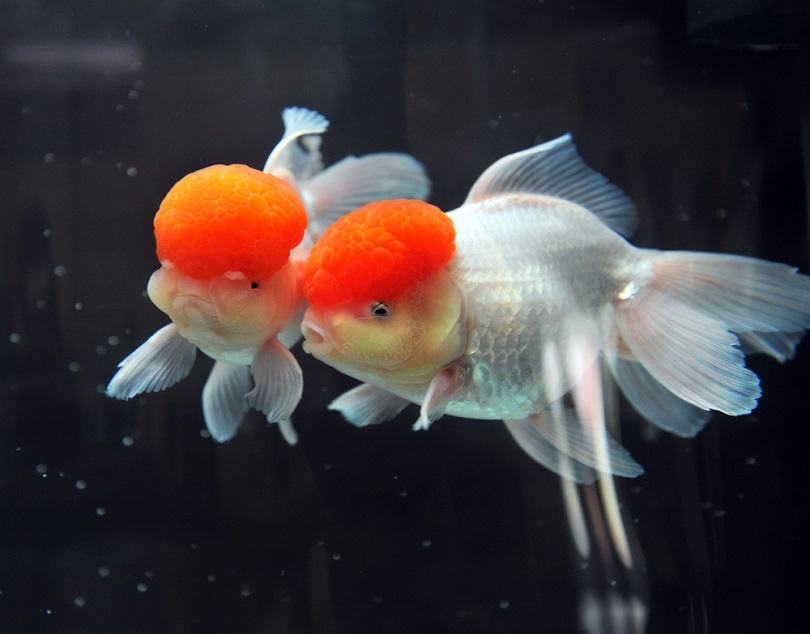
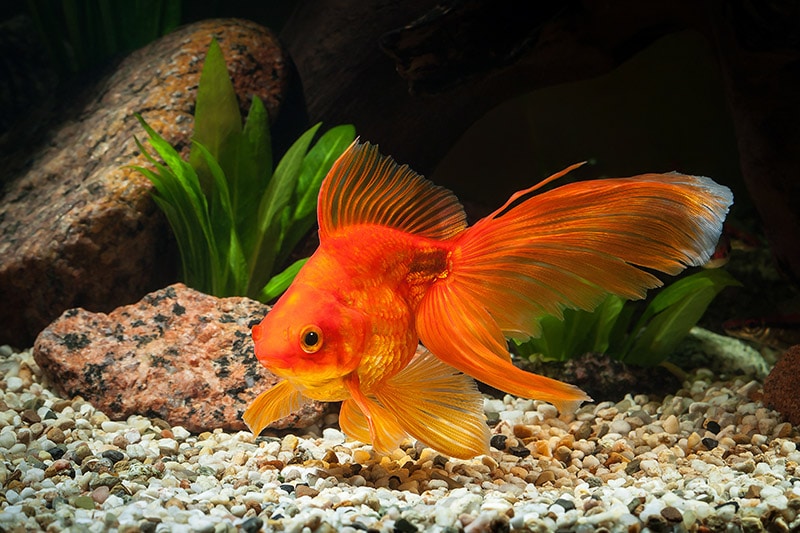
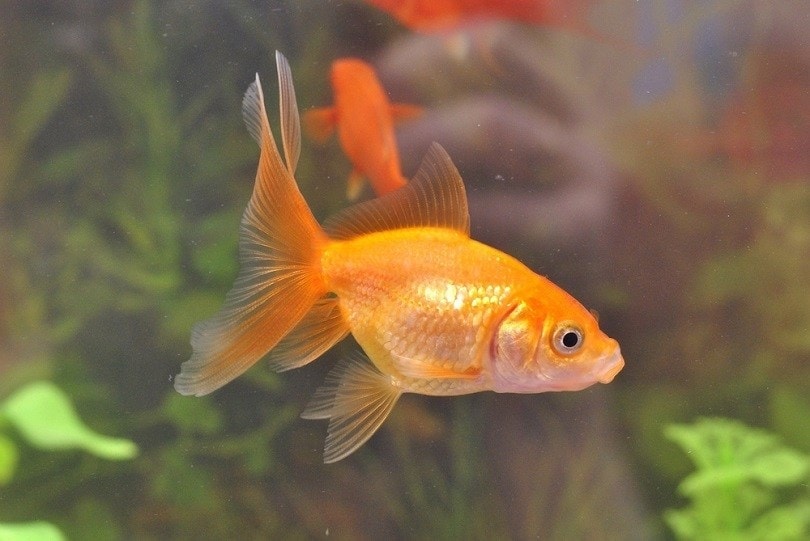
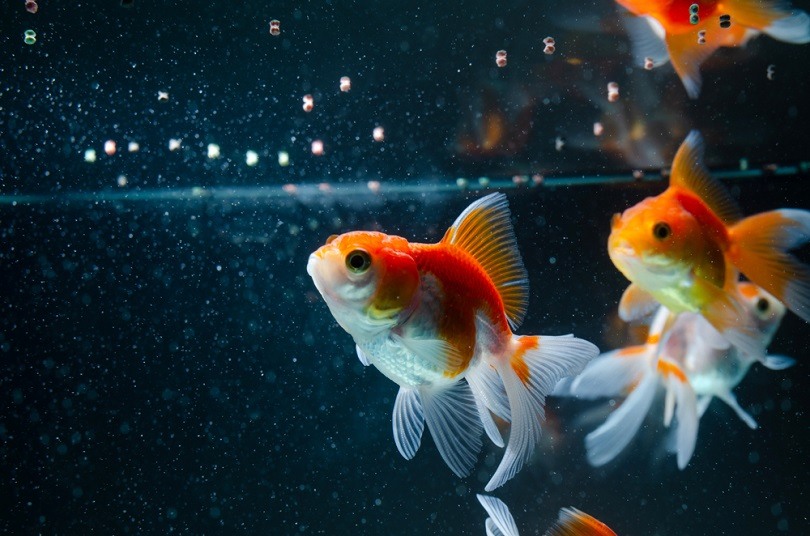
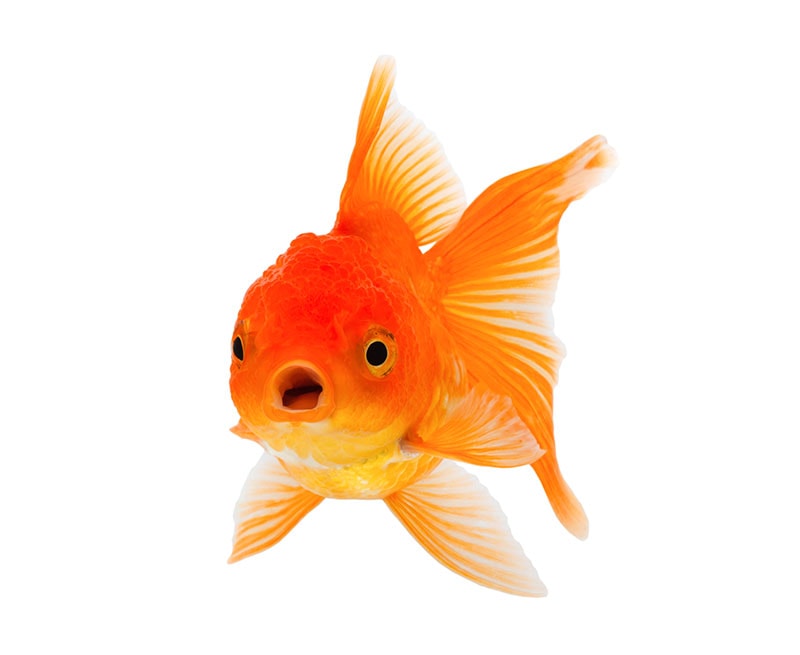
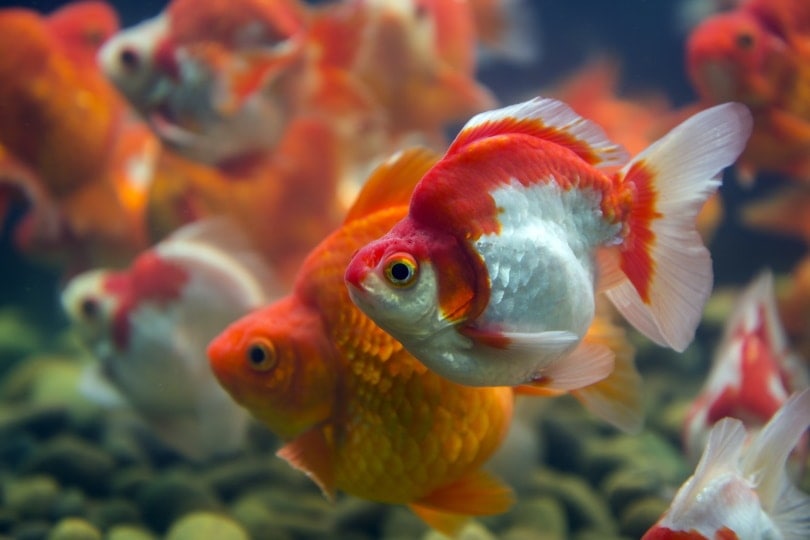
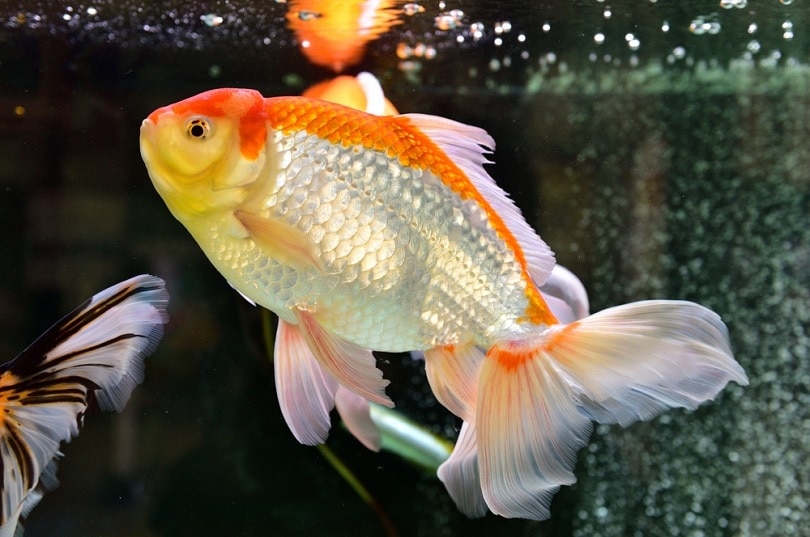
Fancy goldfish are the modified version of streamlined goldfish, generally with a rounder body and more elaborate fins. Both fancy and streamlined goldfish can be found in a range of different colors and patterns. Comet, Common, Fantail, and Orandas are some of the most popular goldfish varieties available.
Health and Behavior
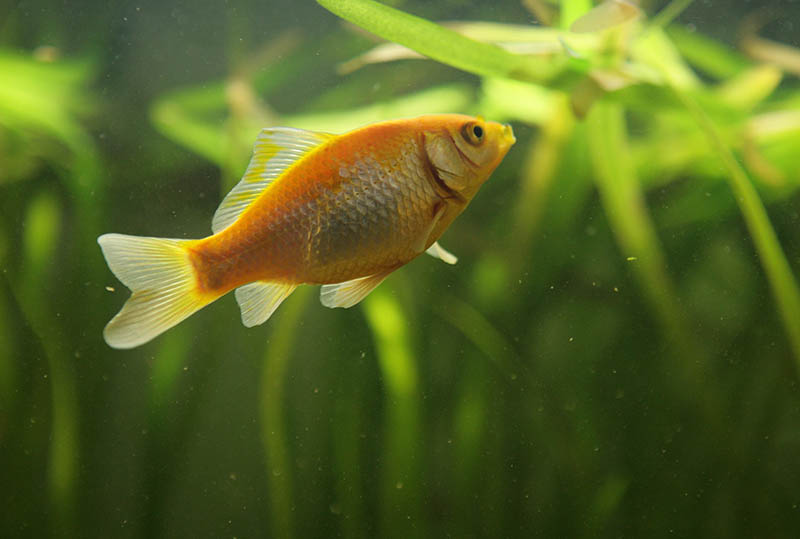
When selecting a goldfish from a pet store or breeder, you need to take a few minutes to observe their behavior. An unhealthy goldfish will be lethargic, unresponsive, or swim abnormally. Monitor the goldfish for any missing or broken fins and visible parasites. Avoid goldfish with sunken bellies, as this may indicate an internal issue. Goldfish that are bottom-sitting or swimming sideways are unwell, and not worth buying as a beginner.
Sociability and Tank Mates
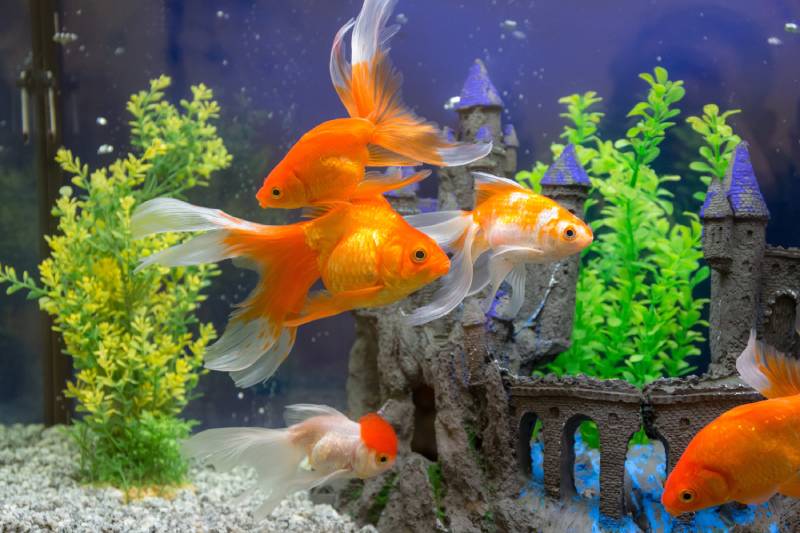
Goldfish are naturally social fish that should be kept in groups or pairs. They may get lonely when kept alone or with other species of fish. The best tank mates for goldfish are other goldfish with a similar size and body shape. You generally want to avoid keeping goldfish with large and aggressive tank mates with different water condition requirements.
Final Thoughts
Goldfish make fascinating pets with their endless colors, social behavior, and adaptable nature. Before you purchase a goldfish, you will need to plan how you will care for them for the next decades. They are not short-lived disposable pets, but rather intelligent and sentient animals deserving of proper care. You cannot house them in a bowl or keep them without filters, as their living conditions should allow them to thrive rather than purely survive.
Related Reads:
Sources
Featured Image Credit: JuanCarlosPalauDiaz, Shutterstock
Get Hepper In Your Inbox


Pet care tips from our vets and experts, straight to your inbox.
You may opt-out at any time. View our Privacy Policy for more information.
Lindsey discovered her passion for fish keeping after a junior high school field trip to the Shedd Aquarium in Chicago. Prior to becoming Editor-in-Chief of It's a Fish Thing, Lindsey studied marine biology at the University of California-Santa Cruz. She loves goldfish, tetras, and mystery snails, and recently began experimenting with a saltwater aquarium.
Join the conversation
Ask a question, share your story, or send private feedback.