Hepper is reader-supported. When you buy via links on our site, we may earn an affiliate commission at no cost to you. Learn more.
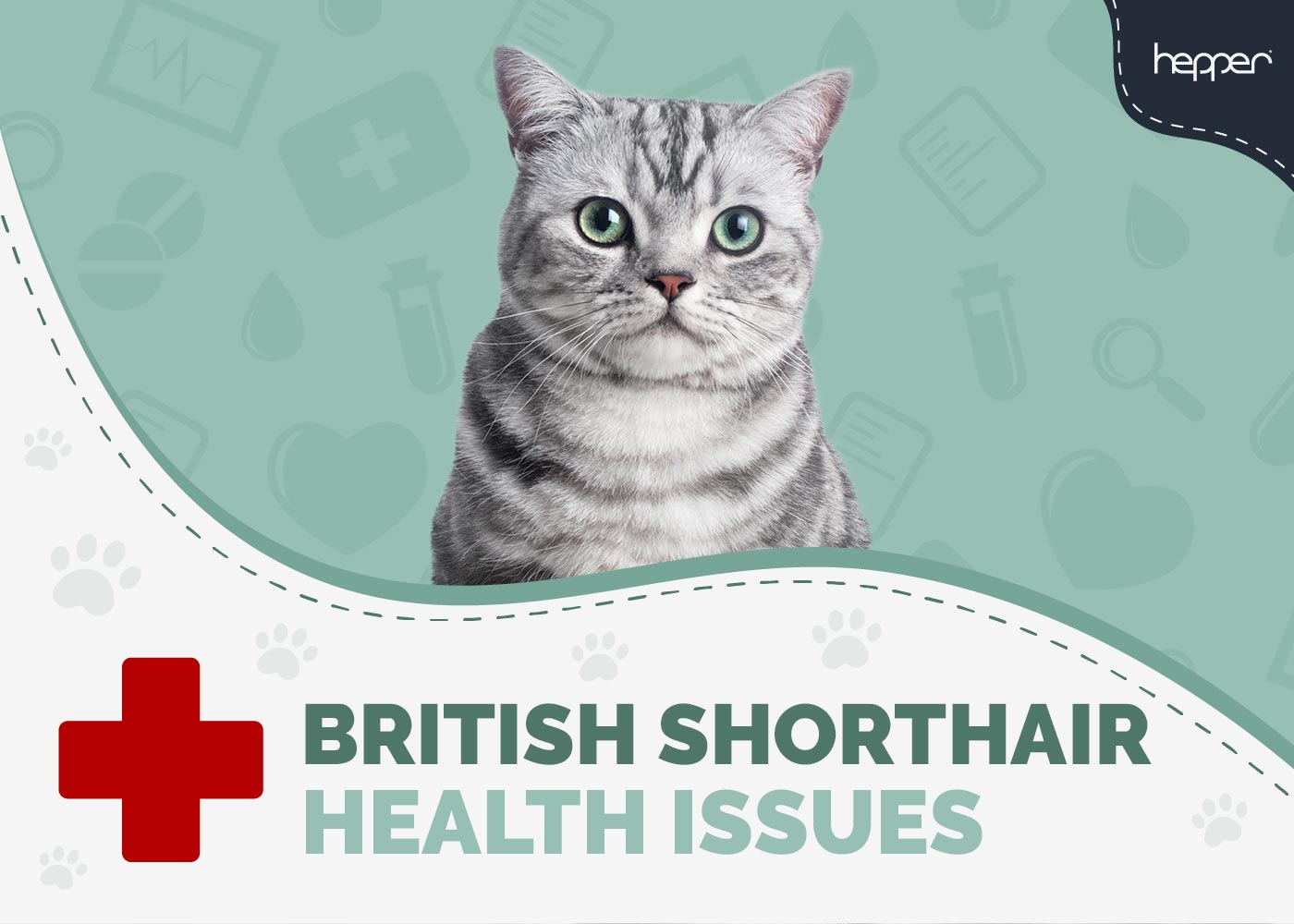
9 Common British Shorthair Cat Health Problems: Vet-Approved Facts

In this article
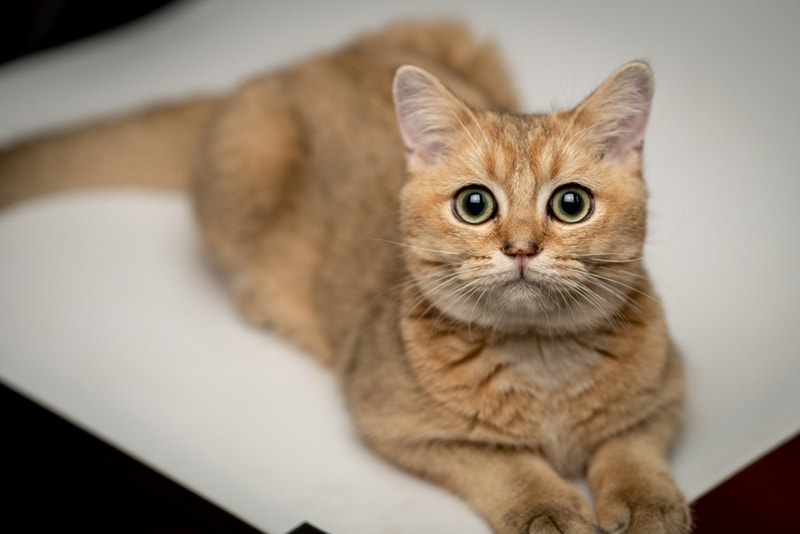
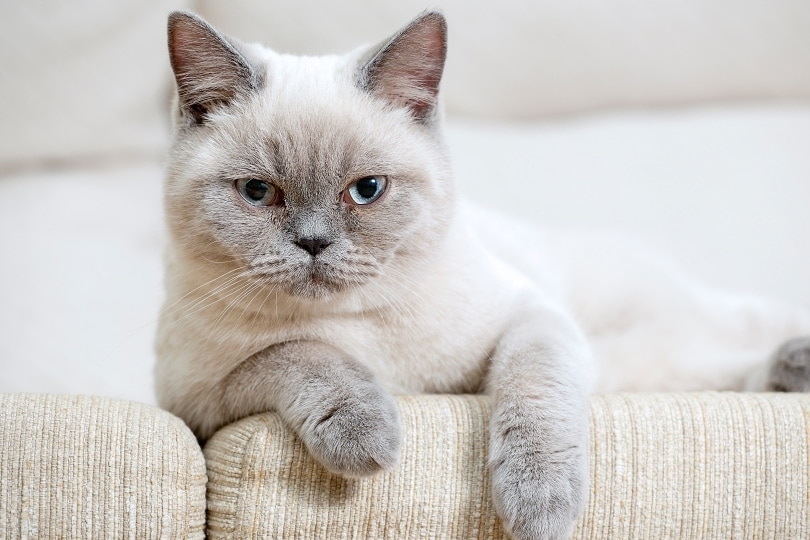
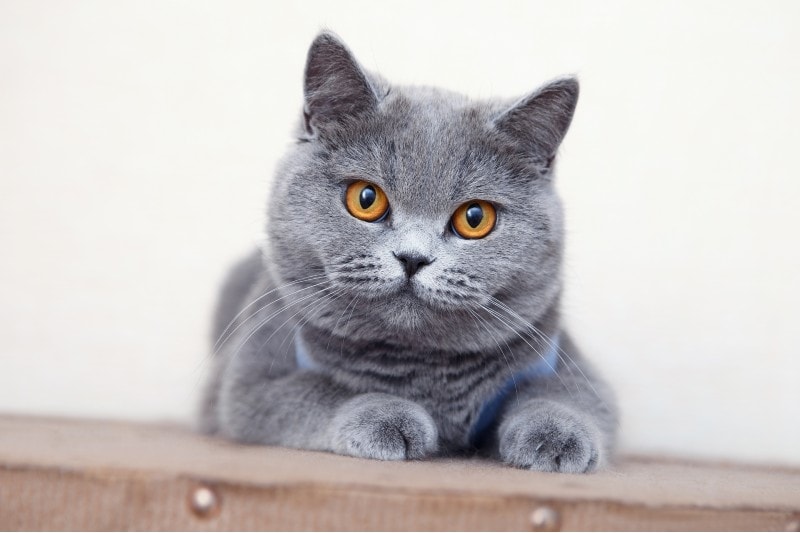
It's hard not to fall in love with British Shorthair cats. One look at their big, round eyes, chubby cheeks, and plush coats, and you will find yourself giving them all the treats, toys, and snuggles in the world.
This breed’s friendly personality and relaxed disposition make them even harder to resist. They are typically easy-going, adaptable, and good with children and other pets. They're fantastic family cats who are happy to lounge around, take naps with you, and play with you as well.
British Shorthairs are a generally hardy breed with long lifespans that can last up to 20 years or more. Like all cats, however, they are also prone to developing certain health problems throughout their lives.
Keep reading to know more about the nine most common health problems that can affect British Shorthair cat breeds. We'll also provide tips for maintaining a healthy lifestyle for your British Shorthair, so you can enjoy many years with your furry friend.

The 9 Common Health Problems of British Shorthair Cats
1. Hypertrophic Cardiomyopathy (HCM)
Hypertrophic cardiomyopathy (HCM) is a heart disease that commonly affects British Shorthairs and other cat breeds. This condition causes the heart muscle to thicken, making it difficult for the heart to pump blood properly.
A British Shorthair with HCM may experience symptoms such as difficulty breathing, lethargy, loss of appetite, coughing, and an irregular heartbeat. To diagnose HCM in cats, veterinarians will scan the heart to do an echocardiogram and may also recommend X-rays and blood tests.
There is no cure for HCM, but treatment options are available to help manage the condition and extend your cat's life. The key is to catch HCM early on and work with your vet to create a treatment plan to minimize its impact on your cat's quality of life.
2. Feline Aortic Thromboembolism (FATE)
Another health problem for British Shorthairs is feline aortic thromboembolism (FATE). This is a serious condition that occurs when a blood clot forms just past a cat's aorta, which is the largest artery in the body.
As a result, this impedes the flow of blood to the cat's hind legs, which can cause signs such as weakness, paralysis, or even death. The moment you see your British Shorthair limping or dragging their legs, it's important to seek emergency veterinary care because FATE is a life-threatening condition.
The good news is that British Shorthairs can and do survive FATE with early and aggressive treatment. After your cat has stabilized, they may need to be on medications long-term to prevent future blood clots from forming.
3. Hemophilia
Hemophilia B is a blood clotting disorder that can affect British Shorthairs and other cats. With this condition, the body does not produce enough blood-clotting factors to stop bleeding when it occurs. It appears to be inherited but is thankfully not very common.
Hemophilic cats can experience bleeding in the nose, gum line, and mouth; bruising of the skin or eyes; blood in the urine or stool; and excessive bleeding following surgery.
A British Shorthair affected by hemophilia will often seem fine on the outside. Most pet owners only discover that their cat has this condition when they have a serious injury or surgery and begin to experience excessive bleeding.
For at-risk British Shorthairs, veterinarians may prescribe blood-clotting supplements to minimize the risk of bleeding. They will also schedule more frequent check-ups to monitor the condition.

4. Polycystic Kidney Disease (PKD)
While this disease was first identified in Persian cat breeds, it's also been observed in British Shorthairs. Polycystic kidney disease (PKD) is a genetic condition that causes the kidneys to gradually fail over time due to multiple cysts forming within them.
The disease begins early. Affected kittens can be born with kidneys (and sometimes livers) that already have minuscule cysts. Over time, these cysts grow, leading to complete kidney failure.
PKD has a slow progression, with signs only becoming apparent by the time a cat is already around 7 years old or so. There is no cure for PKD, but it's possible to manage the signs and slow down the advanced organ failure.
Supportive intervention includes annual blood and urine testing, special diets, and regular ultrasounds to check the cysts. Because PKD is a genetic disease, responsible breeders will screen their breeding cats for the PKD gene to try to avoid passing it on. Be sure to double-check that your breeder is doing this important health test before buying a kitten from them.
5. Feline Lower Urinary Tract Disease (FLUTD)
Another common health problem for cats, including British Shorthairs, is feline lower urinary tract disease (FLUTD). This is not a single disease but is actually an umbrella term for a variety of different disorders that all affect a cat's urinary system.
The first indicator of FLUTD is what's commonly mistaken as a cat being naughty by toileting outside the litter box. In reality, cats affected by FLUTD are in significant pain when they urinate.
Aside from litter box issues, watch out for other abnormal urination behaviors in your British Shorthair, such as urinating on floors, blood in their urine, straining to urinate, not urinating at all, and crying out in pain while urinating.
The only way to know for sure if your cat has FLUTD is to take them to the vet for a diagnosis. Vets will use a combination of tests, including urinalysis, X-rays, and ultrasounds, to check for issues like crystals in the urine, bladder stones, infections, and tumors.
Once the underlying cause is identified, FLUTD can be treated with pain relief, antibiotics, special diets, and changes in lifestyle. For some cats, FLUTD is a recurring problem, and lifelong management may be necessary. Surgery may also be required for British Shorthairs with bladder stones or a blocked urethra.
6. Cataracts
Cataracts are a common eye condition in senior British Shorthairs as well as other cat breeds. A cataract is a cloudy opacity that forms in the lens of the eye, which eventually leads to blindness if left untreated.
Cataracts typically form slowly over time, so owners may not notice the problem until their cat is already quite old. If you have an older British Shorthair, keep a keen eye out for changes in its eyesight, such as cloudy pupils and a tendency to bump into things.
The good news is that cataracts can be surgically removed, and most affected cats regain their vision post-operation. In other words, your cat will soon be attacking small toys on the floor again!
To keep your cat’s eyes healthy make sure to monitor their eyes, and administer any special eye ointments recommended by your vet. You should also schedule annual check-ups with your vet to examine your cat's eyes.
7. Feline Infectious Peritonitis (FIP)
Feline Infectious Peritonitis (FIP) is a serious viral disease that affects not just British Shorthairs but many cat breeds. The virus that causes FIP is called the feline Coronavirus.
For most cats, FIP is a relatively mild disease that is either asymptomatic or causes mild disease. In some cats, for reasons still poorly understood, the virus mutates into an even more dangerous strain that causes FIP. It can take two forms: dry or wet FIP depending on the dominant symptoms.
With cats predisposed to FIP, such as any cat with a weakened immune system, the virus can mutate and cause serious damage to their eyes, organs, and other parts of the body.
Because FIP is a viral disease, there are currently no drugs available to cure it permanently. There is experimental treatment that is being used with some success and can be discussed with your vet. The best way to prevent your British Shorthair from contracting FIP is to keep them up to date on their vaccinations and away from sick cats. You should also bring them to the vet for regular check-ups, especially if they show any signs of illness. Many cats have picked up the virus as a kitten in their breeding colony so discuss any history of the illness in the breeder’s other cats.

8. Dental Disease
Dental disease is one of the most common and easily preventable health issues to affect British Shorthairs. Because their teeth are crammed together, it is easy for plaque and tartar to build upon them. Eventually, this can result in a variety of dental issues, including bad breath, gum disease, and tooth loss.
It's quite simple to prevent dental disease in British Shorthairs—just brush their teeth regularly with a cat-safe toothpaste. If your BSH already has dental disease, don't worry–it's not too late. Simply bring them to the vet for professional teeth cleaning.
However, since teeth cleaning for cats usually requires putting them under anesthesia, expect your vet to recommend a few tests beforehand to make sure your cat is healthy enough for the procedure. These tests usually include a physical exam, bloodwork, and possibly X-rays.
After the cleaning, make sure to keep up with their at-home oral care routine to prevent the issue from recurring.
9. Obesity
Like many other pets, British Shorthairs are prone to obesity if they don't get enough exercise and eat too much. Because British Shorthairs have muscular bodies and a bigger build than other cats, they require more calories to maintain a healthy weight. It's easy to overfeed them if you're not careful, especially when they look so adorable with those chubby cheeks and roly-poly tummies!
Regular vet check-ups will help you monitor your cat’s weight and make sure they are at a healthy size. If your cat is starting to put on a few extra pounds, your vet will likely recommend some lifestyle changes, such as increasing their exercise and feeding them specially formulated weight-loss food.
How to Keep Your British Shorthair Cat Healthy
For most British Shorthair owners, the only regret they have is that their lovable furballs won't live forever. However, as we mentioned earlier, British Shorthairs can sometimes live as long as 20 years or more, so you have a lot of time to enjoy their company. As well as the illness mentioned above there are genetic tests to rule out Autoimmune lymphoproliferative Syndrome and Progressive Retinal Atrophy which are both inherited diseases of British Shorthair cats.
Here are a few tips to keep your British Shorthair healthy and happy for as long as possible:

1. Bring Them to the Vet Regularly
The first rule of responsible pet ownership is to take your animal to the vet for regular check-ups. Make sure they're up to date on their vaccinations and get any other treatments that may be necessary, such as dental cleaning or flea treatment.
2. Feed Them a Balanced Diet
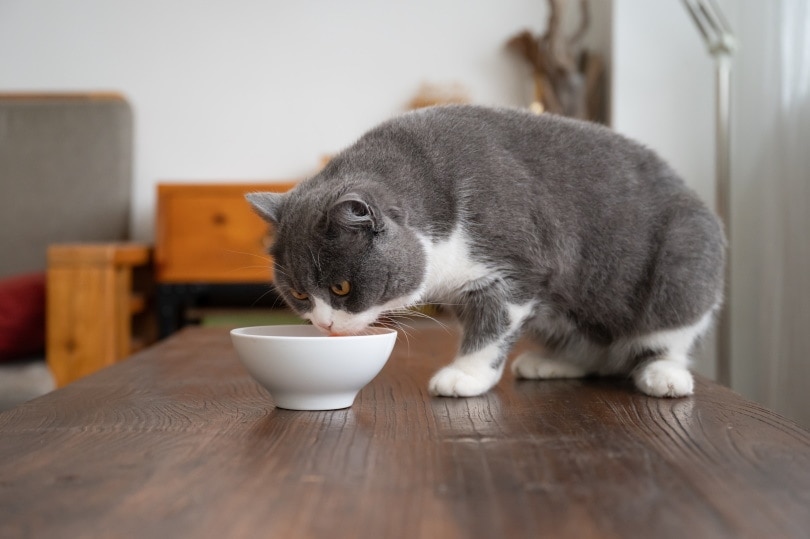
All cats need a diet that is high in protein and low in carbohydrates. However, because British Shorthairs are prone to obesity, you may need to be especially careful about their calorie intake.
Consult with your vet about how much food your cat should be eating each day and what type of food is best for them. Avoid giving them table scraps or too many treats, and make sure they burn off any extra calories by staying active.
These cats can be a bit lazy, so you may need to find creative ways to get them moving. Try playing with them, getting a cat tree for their perch, or setting up some toys and puzzles around the house.
3. Keep Their Living Environment Clean and Safe
British Shorthairs tend to be fairly low maintenance, but only if you provide a clean environment for them to live in. Scoop their litter box daily and wash the entire box every week.
In addition, make sure there are no toxic chemicals or plants within their reach. Some examples are detergents, cleaners, and certain types of flowers and foliage.
4. Provide Unlimited Access to Fresh and Clean Water
A lot of health issues in cats can be avoided simply by making sure they have plenty of clean water to drink. Proper hydration supports digestion, eliminates toxins, and can prevent urinary tract diseases.
Consider investing in a water fountain for your BSH. Cats love playing with running water, and they might be more likely to drink out of something that keeps the water moving.
5. Give Them Plenty of Love and Attention
Cats can be social creatures, and British Shorthairs are even more social than many cat breeds. So, try to spend plenty of time with your furball each day.
Play with them, pet them, brush their beautiful coats—anything to show them how much you care. By doing this, you'll not only improve the quality of their life but also create a stronger bond between the two of you.
Conclusion
Once you welcome a British Shorthair cat into your life, it's hard to imagine a household without their cheeky and affectionate presence. Whether you find them relaxing on your couch or lounging in the sun, these cats are always a joy to be around.
By learning as much as you can about their common health problems and how to prevent them, you can help your British Shorthair live a long and comfortable life by your side.
See Also:
Sources
https://www.hillspet.com/cat-care/cat-breeds/british-shorthair
https://www.lv.com/pet-insurance/british-shorthair-health-and-facts
https://ahcfargo.com/client-resources/breed-info/british-shorthair/
https://pawsforadvice.com/health-problems-british-shorthair/
https://mybritishshorthair.com/are-british-shorthair-cats-affectionate/
https://www.royalcanin.com/us/cats/breeds/breed-library/british-shorthair
https://www.pethealthnetwork.com/cat-health/cat-breeds/british-shorthair
Featured Image Credit: Richard Stocker, Pixabay
Get Hepper In Your Inbox


Pet care tips from our vets and experts, straight to your inbox.
You may opt-out at any time. View our Privacy Policy for more information.
Nicole is a lover of animals of all sizes but is especially fascinated with the feline variety. She’s the proud mom of Baby, a Burmese, and works every day so he can relax in the sunshine or by the fire. She’s always had a cat in her home and has spent countless days with others, observing behaviors and softening up even the grouchiest of the lot. Nicole wants to share her kitty expertise with you so you and your cat can live happy, healthy, and care-free.
Join the conversation
Ask a question, share your story, or send private feedback.