Hepper is reader-supported. When you buy via links on our site, we may earn an affiliate commission at no cost to you. Learn more.
5 Exotic Shorthair Cat Health Problems: Vet Approved Facts


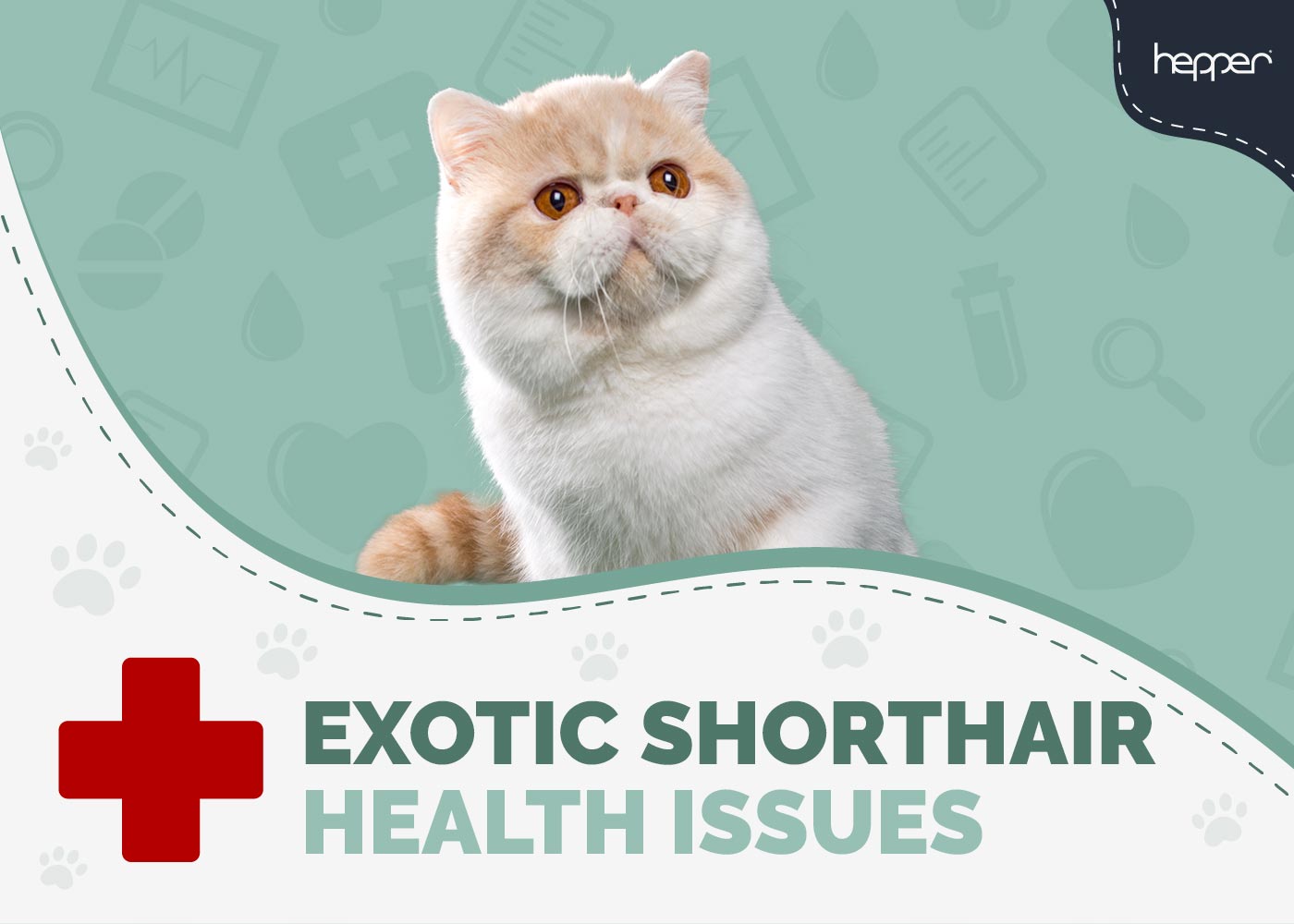
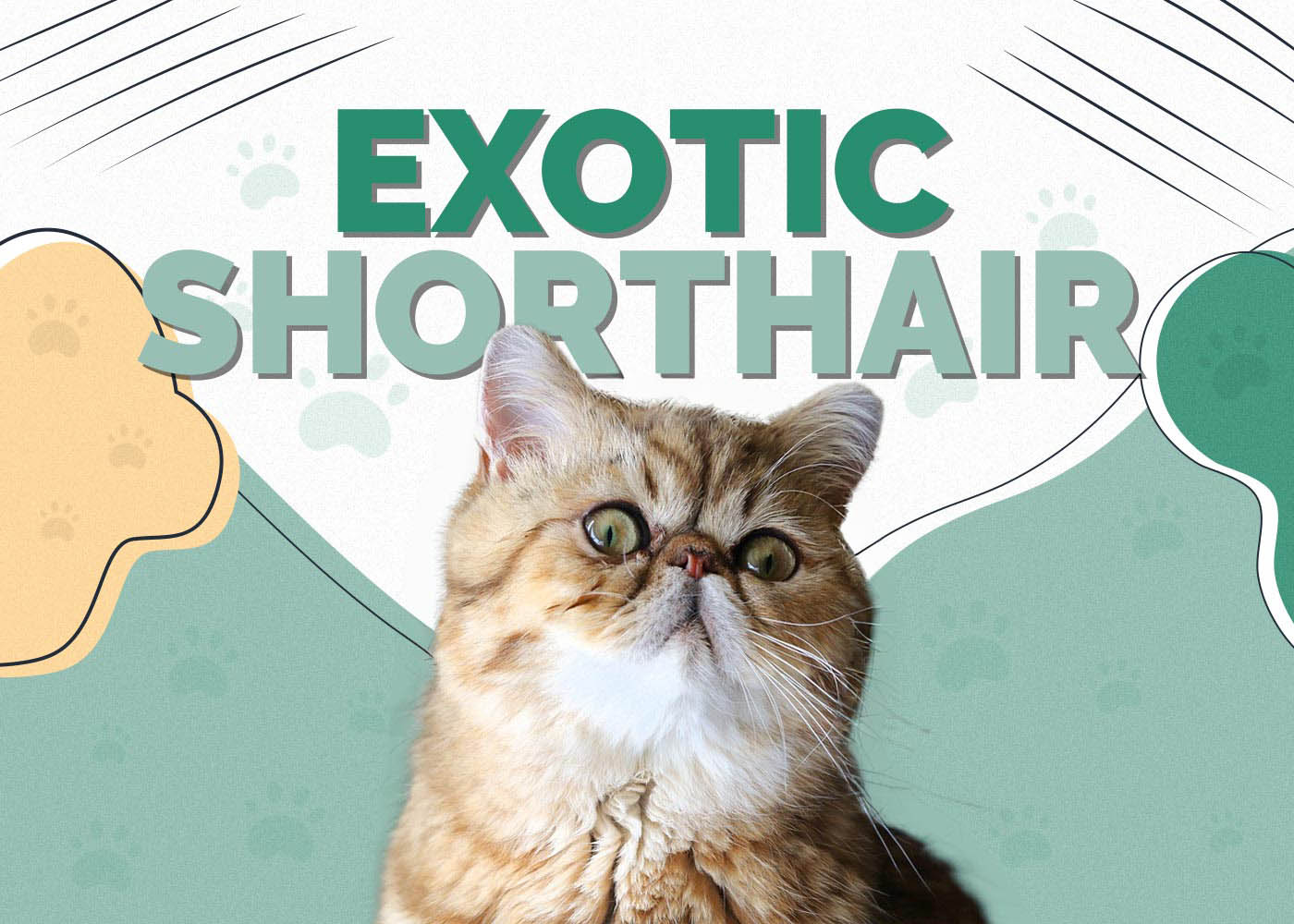
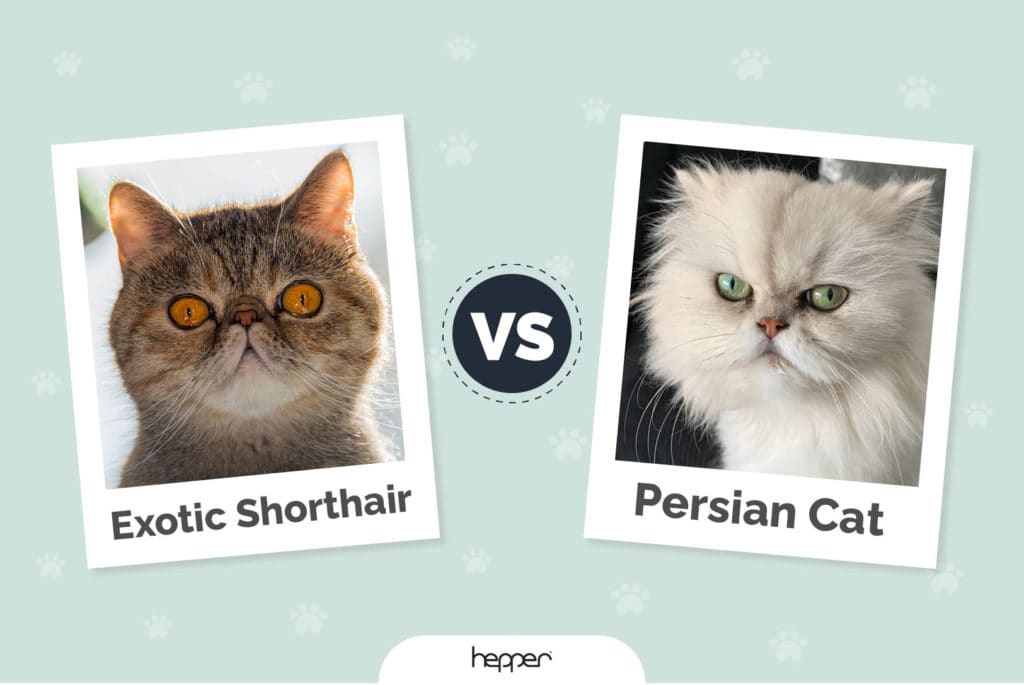
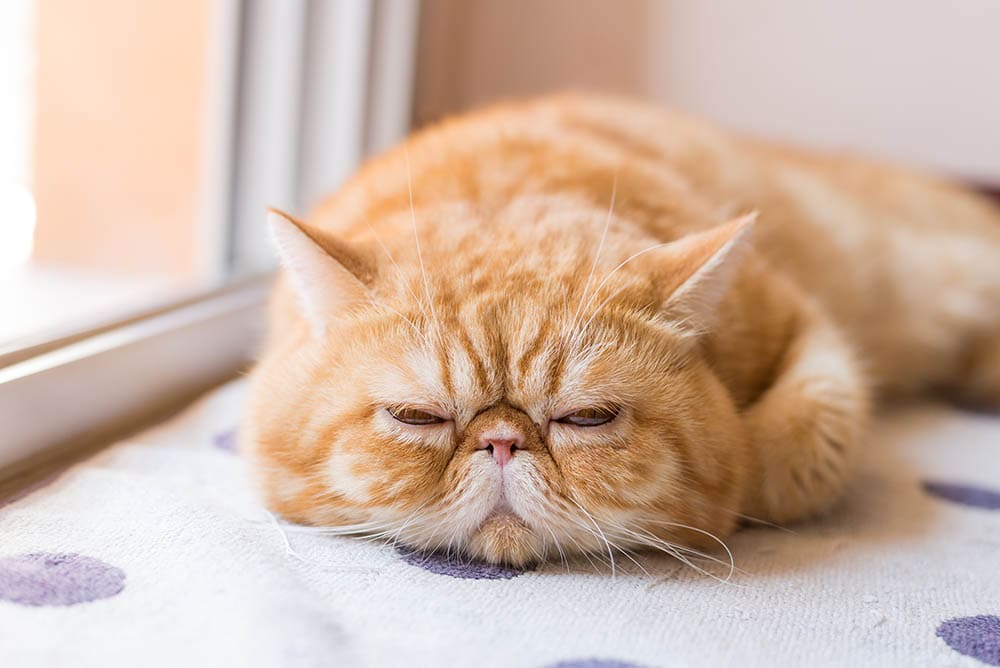
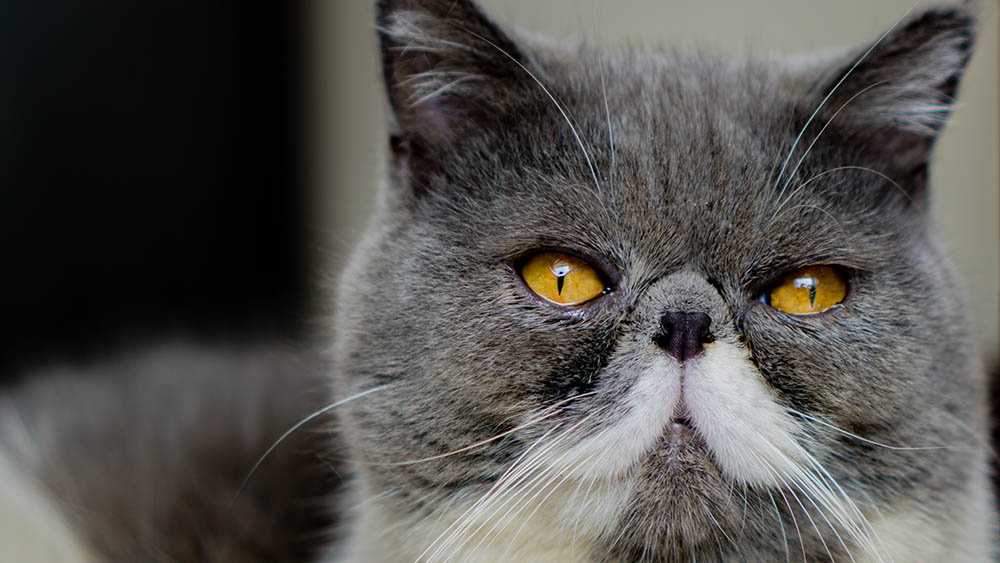
Exotic Shorthair cats are not as well-known as their longhair counterparts, Persians, but they're still a distinctive and popular cat breed. Many find these cats cute with their stocky bodies, short noses, and large round eyes. But these same traits can lead to health complications, and the breed is sometimes the center of controversies because of it.
Here are five of the most common health problems in Exotic Shorthair cats.

Top 5 Exotic Shorthair Cat Health Problems
1. Brachycephalic Airway Syndrome
The most controversial feature of Exotic Shorthairs is their shortened nose. Although this trait is desirable in the breed, extreme shortening can lead to Brachycephalic Airway Syndrome. This refers to a cluster of conditions caused by having a shortened head and snout, including difficulty breathing, wheezing, and poor eye and nasal drainage. Signs can be managed by preventing obesity, avoiding hot and humid environments, and minimizing stress. Corrective surgeries to address stenotic nares or elongated soft palates may be helpful in extreme cases,
2. Progressive Retinal Atrophy
Exotic Shorthairs are frequent carriers of one of the genes causing Progressive Retinal Atrophy. Cats with this condition are born with normal vision but start to see significant retina deterioration around two years of age. This will eventually lead to total or near-total blindness. Progressive Retinal Atrophy is incurable, but there is a genetic test available that allows breeders to see if their cats are carriers for PRA. When choosing an Exotic Shorthair, look for reputable breeders who have conducted PRA testing on their cats.
3. Obesity
Obesity is a leading health issue for cats of all breeds, but stocky cats like Exotic Shorthair require extra attention because it can be hard to tell the line between a healthy, big-boned kitty and an overweight pet. You should be able to easily feel your cat’s ribs through her fur. Working with a vet can also help you determine what your cat’s ideal weight is. Adjusting meal size and encouraging exercise can help cats maintain a healthy weight.
4. Polycystic Kidney Disease
Exotic Shorthair cats have a higher-than-average rate of Polycystic Kidney Disease. This is a rare disease in which cysts form over a cat’s kidneys. It is most common in Persian cats and was inherited by some Exotic Shorthairs as the breed developed. Because of the number of cysts, it’s generally not feasible to remove each one individually, so treatment is limited to medications and diet changes. The severity of the disease varies, with some cats never developing signs of kidney failure and others experiencing the onset of signs at a young age. The most common signs of PKD are increased drinking and urination, but a lack of appetite, vomiting, and lethargy can also be signs.
5. Hypertrophic Cardiomyopathy
Hypertrophic Cardiomyopathy is a congenital heart defect. Cats with HCM have thickening of their heart walls that restrict blood flow through the heart, making the heart less efficient. The exact cause of HCM is unknown, but it likely has a genetic component and is more commonly found in Exotic Shorthair cats than other breeds. There may be no signs of HCM, or symptoms might be mild, including labored breathing and lowered stamina. Cats with HCM are likely to experience sudden heart failure. When discovered by a vet via an echocardiography, medications might be given to reduce rates of heart failure. Ethical breeding programs will avoid breeding cats with HCM, although there is no genetic screening available currently.
Conclusion
Like most purebred cat breeds, the Exotic Shorthair has some lurking diseases in its gene pool. Some of these health issues are directly related to the breed ideals, especially Brachycephalic Airway Syndrome, but others are simply genetic diseases that have spread through many Exotic Shorthair catteries.
Today, more resources are available than ever for finding and flagging genetic diseases, making it possible for breeders to avoid cats carrying genetic diseases. Ethical breeding will greatly reduce many of these diseases so that Exotic Shorthair cats don’t have to lose their quality of life to them.
See Also:
Sources
vcahospitals.com/know-your-pet/brachycephalic-airway-syndrome-in-cats
Featured Image Credit: Seregraff, Shutterstock
Get Hepper In Your Inbox


Pet care tips from our vets and experts, straight to your inbox.
You may opt-out at any time. View our Privacy Policy for more information.
Chelsea Flake Mortensen is a writer with a passion for pets. She grew up around everything from cats to chameleons and loves working with all kinds of animals. Chelsea has a BA in English and Creative Writing from Brigham Young University.
Chelsea loves reading, writing, sewing, and board games. She's lived in half a dozen US states and two countries. She is currently living in New England with her husband. Her articles have been featured in various magazines and literary journals for children and adults. Her writing has been translated into over 40 languages.
Join the conversation
Ask a question, share your story, or send private feedback.