Hepper is reader-supported. When you buy via links on our site, we may earn an affiliate commission at no cost to you. Learn more.
7 Common Russian Blue Cat Health Problems: Vet-Reviewed Guide


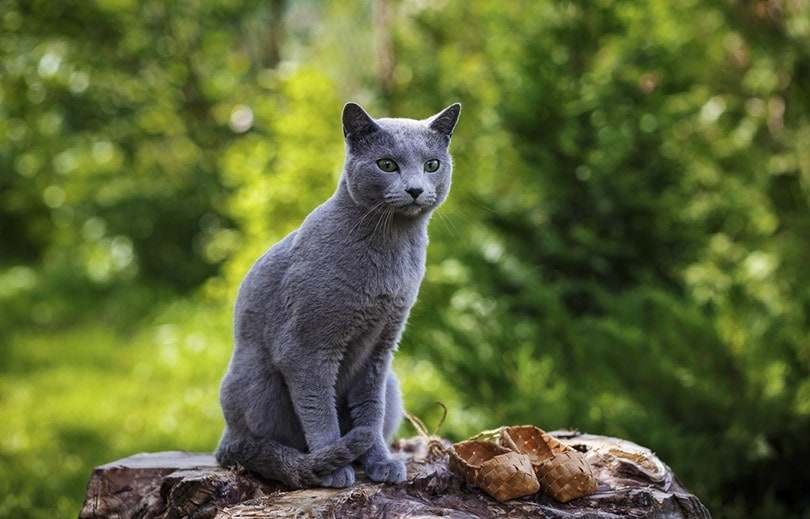
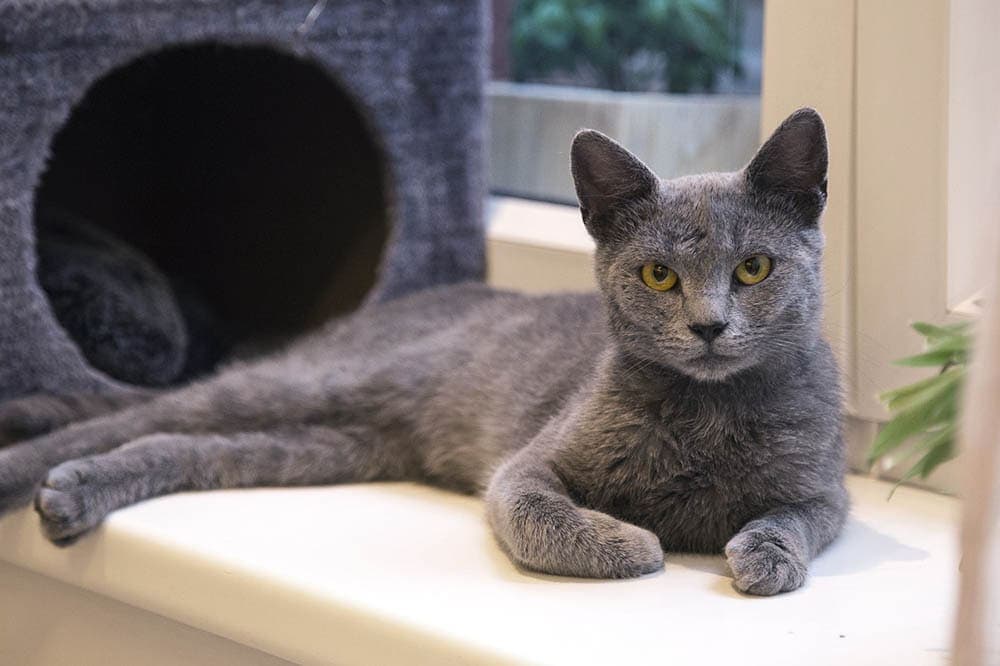
Purebred animals typically have a higher incidence of genetic health conditions related to their breeding. Whether you are a current or potential owner of a purebred cat, it is always important to be aware of what kind of health conditions they may face. Here, we will discuss the common health ailments of the beautiful Russian Blue cat.
The good news? Russian Blues do not have any genetic health conditions related to the breed. That doesn’t mean they will be perfectly healthy. Domesticated cats generally have a high incidence of specific health conditions, which is why veterinary care and regular health check-ups are so important. Here’s a look at some of the most common conditions affecting domesticated cats.

The 7 Common Russian Blue Cat Health Problems
1. Feline Lower Urinary Tract Disease (FLUTD)
Feline lower urinary tract disease, also referred to as FLUTD, is a blanket term covering various disorders that affect the bladder and urethra. Disorders of the urinary tract are one of the most common ailments.
Various issues like inflammation, stress, infection, urinary obstruction, diet, and behavioral problems can cause the disease of the lower urinary tract. The prognosis for feline lower urinary tract disease varies depending on the condition.
Conditions associated with feline lower urinary tract disease can vary from mild to severe. Regardless of the severity, cats need veterinary intervention for the treatment of these disorders, and any unusual signs should be brought to the attention of your veterinary staff.
Associated Symptoms:
- Straining to urinate
- Urinating small amounts
- Frequent and prolonged urination
- Crying or yowling while urinating
- Excessive licking of the genital area
- Urinating outside the litter box
- Blood in the urine
2. Upper Respiratory Infection (URI)
Upper respiratory infections are pretty common in cats, just like humans. Cats regularly exposed to other cats are much more likely to be affected by an upper respiratory infection due to the ease of transmission. Upper respiratory infections are typically the result of viral infections, though bacterial infections can also be to blame.
URIs typically have a good prognosis and may resolve on their own within one to three weeks, but always check with your veterinarian on how to proceed if the signs are present. In severe cases, an upper respiratory infection could lead to pneumonia. If the infection is bacterial, a round of antibiotic treatment may be warranted, but supportive care is the usual treatment if it is a viral infection.
Associated Symptoms:
- Sneezing
- Congestion
- Runny nose
- Coughing
- Discharge from the eyes or nose
- Gagging, drooling
- Loss of or decreased appetite
- Nasal and oral ulcers
- Squinting or rubbing the eyes
- Lethargy
- Hoarseness
- Fever
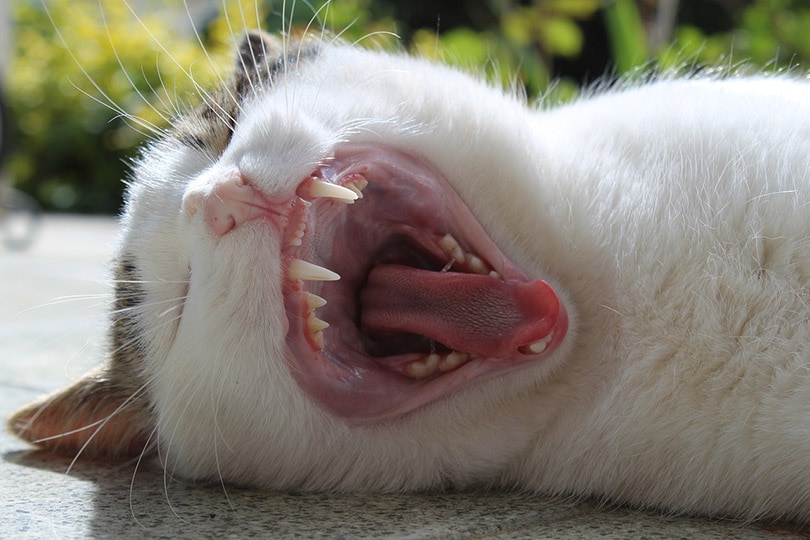
3. Dental Disease
Dental disease can affect teeth and gums and is incredibly common in cats, especially those middle-aged and older. Studies have shown that between 50 and 90 percent of cats over the age of 4 will suffer from dental disease. Dental disease is a preventable condition and treatable if caught early on, though it can get severe if left untreated.
The most common types of dental disease in cats include gingivitis, periodontitis, and tooth resorption. All types of dental diseases can be very painful and cause great discomfort. In some cases, it will inhibit chewing, swallowing, and eating and may even result in loss of teeth.
Talk to your veterinarian about the best way to prevent dental disease since cats are highly susceptible. Severe dental disease can result in hefty veterinary bills, as dental cleanings require imaging and anesthesia and may require tooth extractions.
Associated Symptoms:
- Head shaking
- Pawing at the mask
- Dropping food from the mouth
- Difficulty swallowing
- Excessive drooling
4. Heart Disease
Heart disease occurs when there's an abnormality in the heart. It can affect as many as 1 in 10 cats worldwide, according to the American Veterinary Medical Association. Heart disease is a very serious and potentially life-threatening condition that can be broken down into two categories:
Congenital- Congenital heart disease is typically the result of developmental issues with the heart during the development of the fetus. It can affect only one kitten in a litter but can also be caused by inherited health disorders affecting more than one kitten.
Acquired- Acquired heart disease is the onset of heart disease as the resulting damage to the heart. It can be due to an inherited health condition that developed over time. Hypertrophic cardiomyopathy is the most common form of heart disease in cats.
Associated Symptoms:
- Lethargy
- Weakness or lack of activity
- Shortness of breath or difficulty breathing
- Sudden paralysis of the hindquarters
- Fast breathing while resting
- Fainting or collapse
- Chronic coughing
- Regularly elevated heart rate
5. Diabetes
Diabetes is a disease of the endocrine system that occurs when the body cannot effectively regulate blood sugar. The condition is most common in adult and senior cats, and males have a higher incidence overall. Diabetes is on the rise in cats and other companion animals, and it is a health condition that can result from chronic obesity. Low-quality diets that are high in carbohydrates are a common cause of feline diabetes.
Diabetes must be diagnosed, managed, and monitored by a veterinarian. This disease can severely impact your cat’s quality of life and shorten their lifespan. There are two types of diabetes, Type I and Type II, with Type II being the most common in domesticated cats.
Type I – Type 1 diabetics are fully insulin-dependent. The body can no longer produce or release enough insulin into the body.
Type II – Type II diabetics are not always insulin-dependent. The cat’s body can produce insulin, but the organs and other tissues have become resistant to the insulin and do not respond properly.
Associated Symptoms:
- Increased urination
- Increased thirst
- Increased appetite
- Lethargy/weakness
- Dehydration
- Diarrhea or vomiting
6. Hyperthyroidism
Hyperthyroidism is also an endocrine system disease. Like diabetes, it is most common in middle-aged to older cats. This disease occurs from the increased production of thyroid hormones. Thyroid hormones play a vital role in the rest of the body, which puts cats with hyperthyroidism at greater risk of developing secondary conditions. This condition can be diagnosed with a blood test performed by veterinary staff.
Treatment of hyperthyroidism varies depending on the specific cat’s needs. It can involve medication, radioactive iodine therapy, surgery, and dietary therapy. The prognosis of hyperthyroidism is typically good if caught early and the proper treatment is received. Complications can occur more often if secondary conditions are present and other organs have been affected.
Associated Symptoms:
- Weight loss
- Increased thirst
- Increased appetite
- Increased urination
- Restlessness
- Crankiness or aggressive behavior
- Unkempt coat
- Increase in vocalization
7. Chronic Kidney Disease (CKD)
Chronic kidney disease or CKD is a condition that results due to damage to the kidney. The kidney’s role is to remove waste from the bloodstream, help regulate certain minerals, conserve water for the body, and produce urine to excrete the gathered waste. Kidneys can become damaged because of toxins, trauma, infection, organ failure of other organs, urethral blockages, dehydration, and more.
This condition is considered an inherited health condition in breeds like the Persian, but any cat can be affected by CKD. It is most common in older cats, as the kidneys tend to show damage over time.
Veterinary staff will need to perform laboratory testing to diagnose kidney problems. There is no cure for chronic kidney disease, but there are treatment options available that can improve the overall quality of life and extend longevity. The prognosis depends on the individual patient, the degree of damage to the kidneys, and how well they respond to treatment options.
Associated Symptoms:
- Weight loss
- Brittle coat
- Bad breath
- Lethargy
- Depression
- Changes in appetite
- Increased thirst
- Increased urination
- Vomiting
- Diarrhea
- Anemia

Final Thoughts
Thankfully, the Russian Blue is a healthy breed and one of the longest-living purebred cats. Any cat is susceptible to falling victim to health ailments, so it is essential to schedule regular veterinary health exams, stay up on preventative measures, and reach out to your veterinarian if you notice your cat exhibiting any unusual signs or behavior.
See Also:
Sources
Featured Image Credit: Review News, Shutterstock
Get Hepper In Your Inbox


Pet care tips from our vets and experts, straight to your inbox.
You may opt-out at any time. View our Privacy Policy for more information.
Lindsay is a wife, mother, nature enthusiast, animal lover, and business major. She was born and raised in the United States and now lives in Tulsa, Oklahoma. She shares her home with a German Shepherd, several snakes, tarantulas, and a couple of rescue cats.
Lindsay and her husband enjoy traveling the US with their children and photographing wildlife. Lindsey is passionate about proper animal care and education around it!
Join the conversation
Ask a question, share your story, or send private feedback.