Hepper is reader-supported. When you buy via links on our site, we may earn an affiliate commission at no cost to you. Learn more.
British Shorthair vs Ragdoll Cats: Key Differences (With Info & Pictures)
In this article
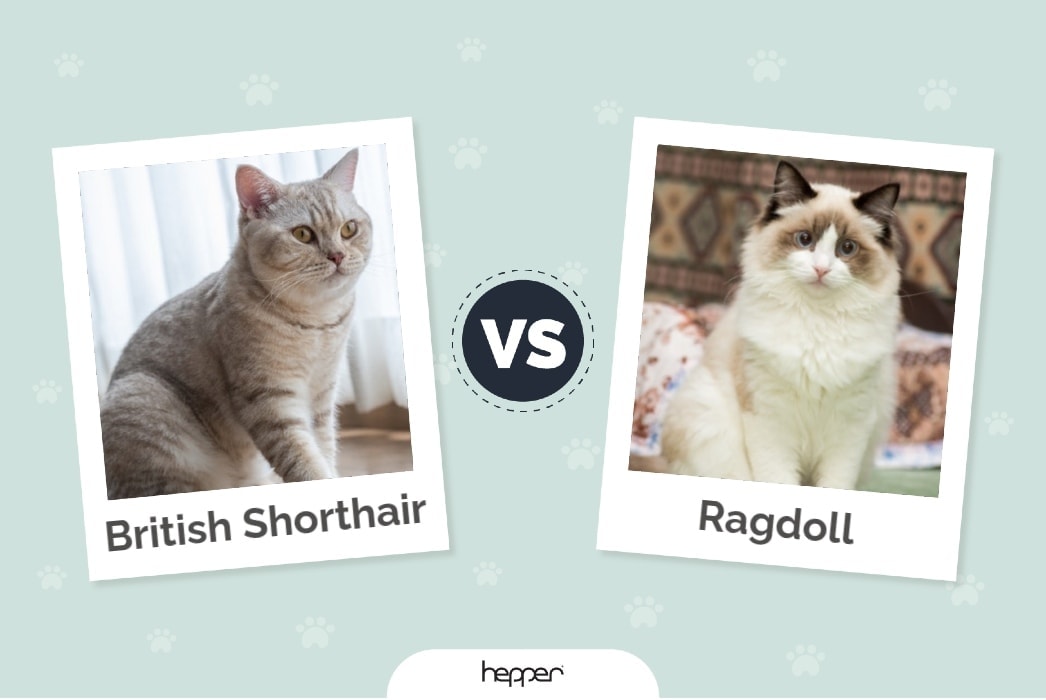
The British Shorthair cat and the Ragdoll cat have many things in common. They’re both large cats with strong, muscular frames, distinctive looks, and affectionate natures. Both cat breeds are loving and easygoing. They will make great companions whether you have a house full of children or other pets or if you live alone.
So, let’s take a closer look at each of these breeds to see what makes them unique.

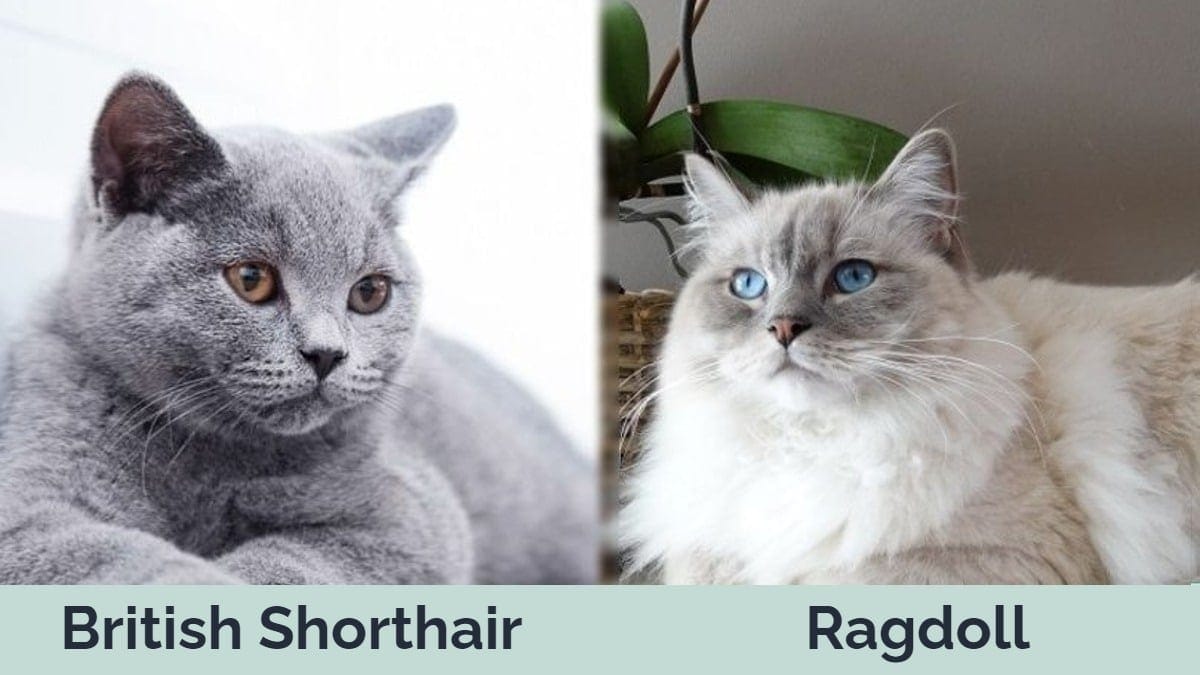
Visual Differences
At a Glance
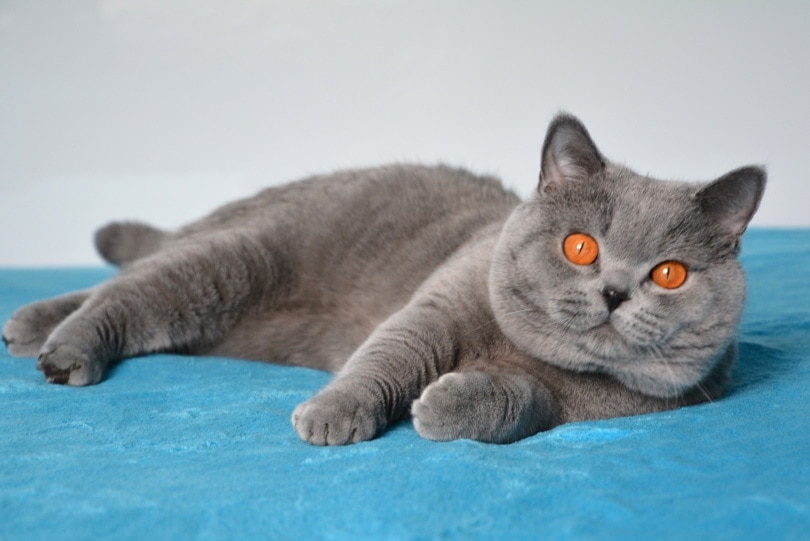
British Shorthair Overview
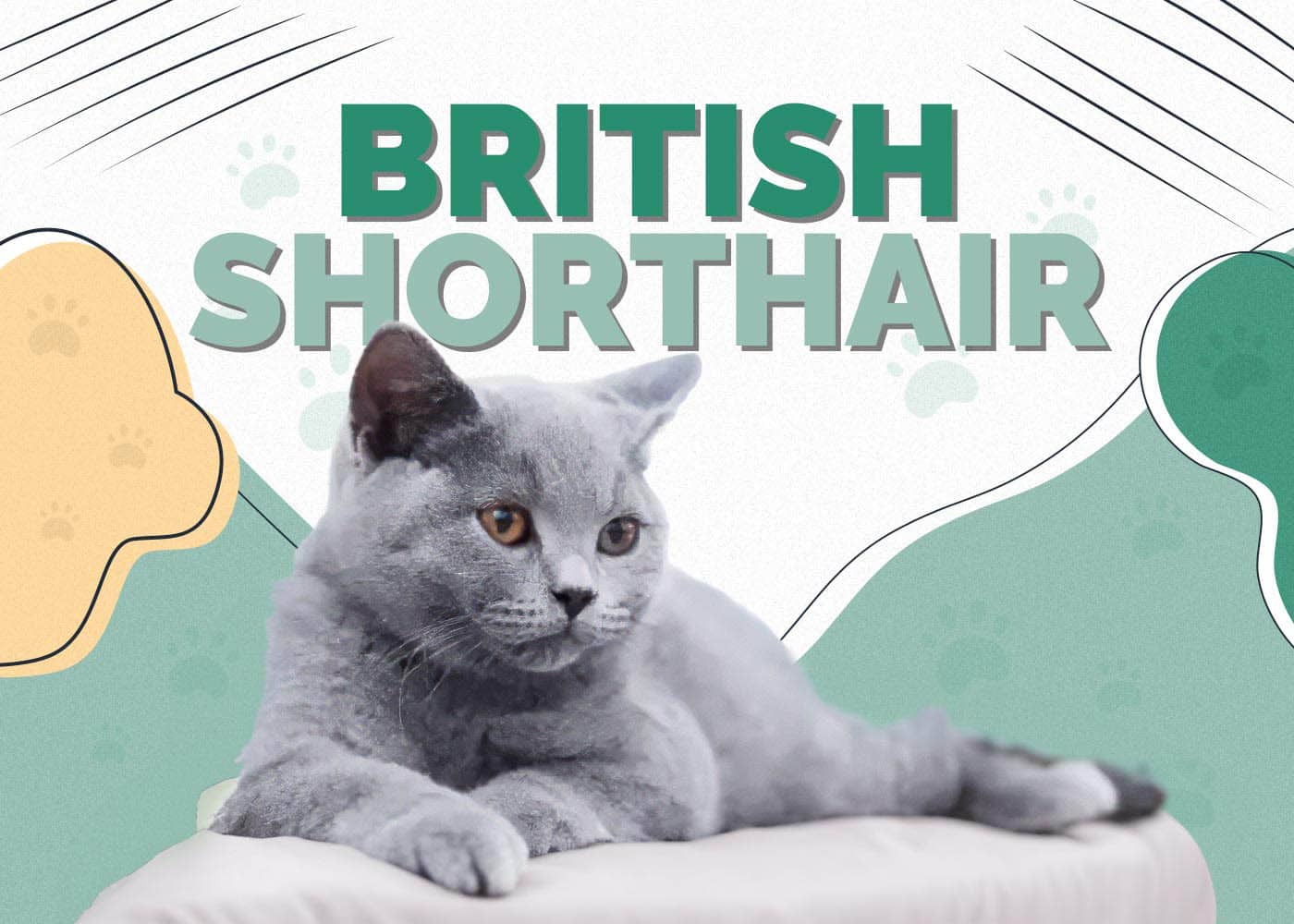
The British Shorthair cat has origins back to European wildcats and Egyptian cats that were brought to Great Britain by the Romans. The earliest pedigree was developed through selective breeding in the 1800s.
The breed became critically endangered at one point and was bred with Persian cats to keep the bloodline going. This breeding resulted in the well-proportioned cat with the “crisp” coat that we currently recognize as the British Shorthair.
Characteristics & Appearance
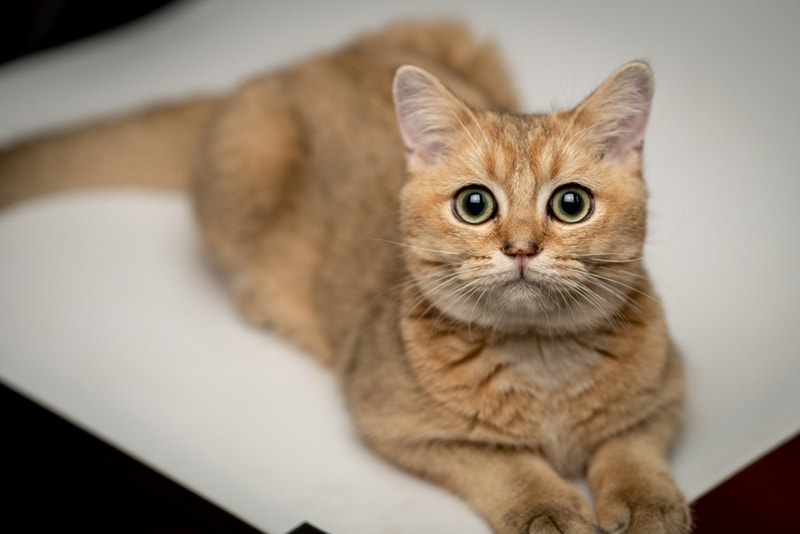
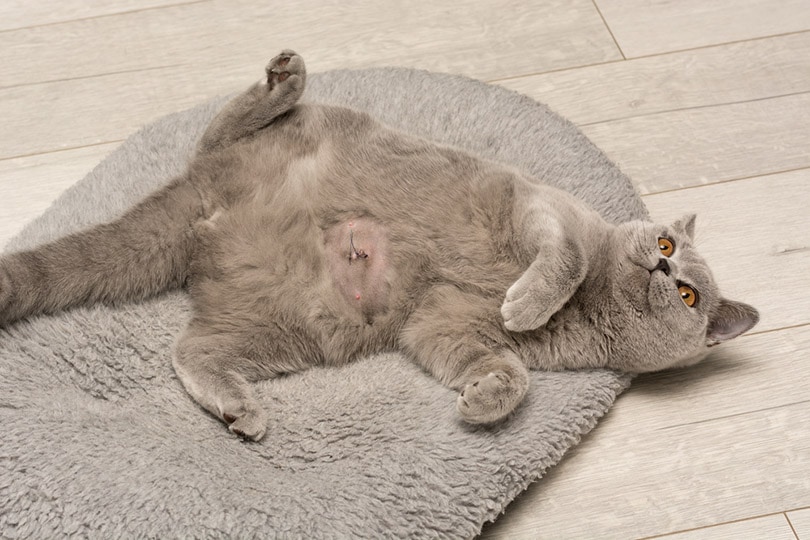
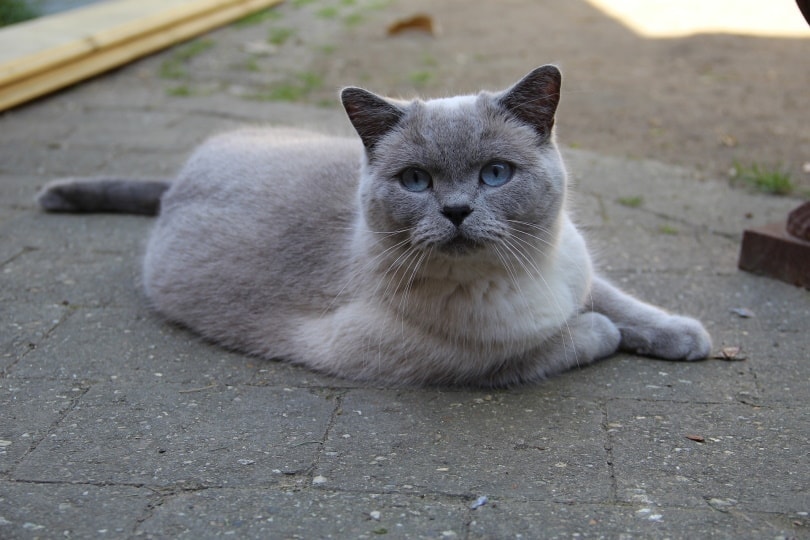
The British Shorthair’s fur has no undercoat and is said to feel “crisp” because it has a crackly texture. These cats are healthy and can easily live up to 20 years.
Their personality is easygoing and calm, making them excellent family cats. While these cats enjoy affection, they are not lap cats. You can expect them to follow you around throughout the day, and then settle close to you when you stop moving. These cats are quiet and undemanding. They are fairly large cats and don’t like to be carried.
British Shorthair cats have a moderate energy level. They become couch potatoes when they are mature, although adult males have been known to goof around excessively. This cat breed is not destructive and they have wonderful manners.
Uses
If you want a cat that’s good at mousing, the British Shorthair will fit the bill. They are excellent mousers, but this also means that small pets like hamsters or birds will trigger their predatory response.
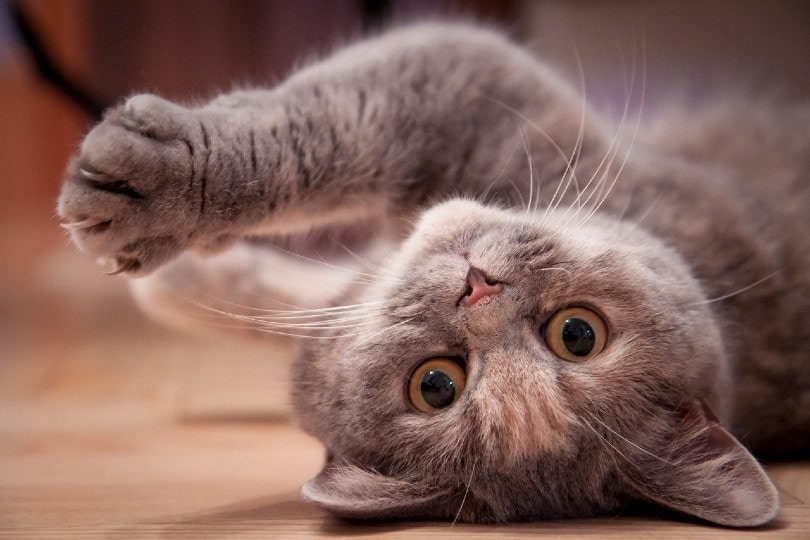
They are otherwise affectionate and charming and become attached to their human family. They love to be around people and will happily appoint themselves as house supervisor.
Ragdoll Overview
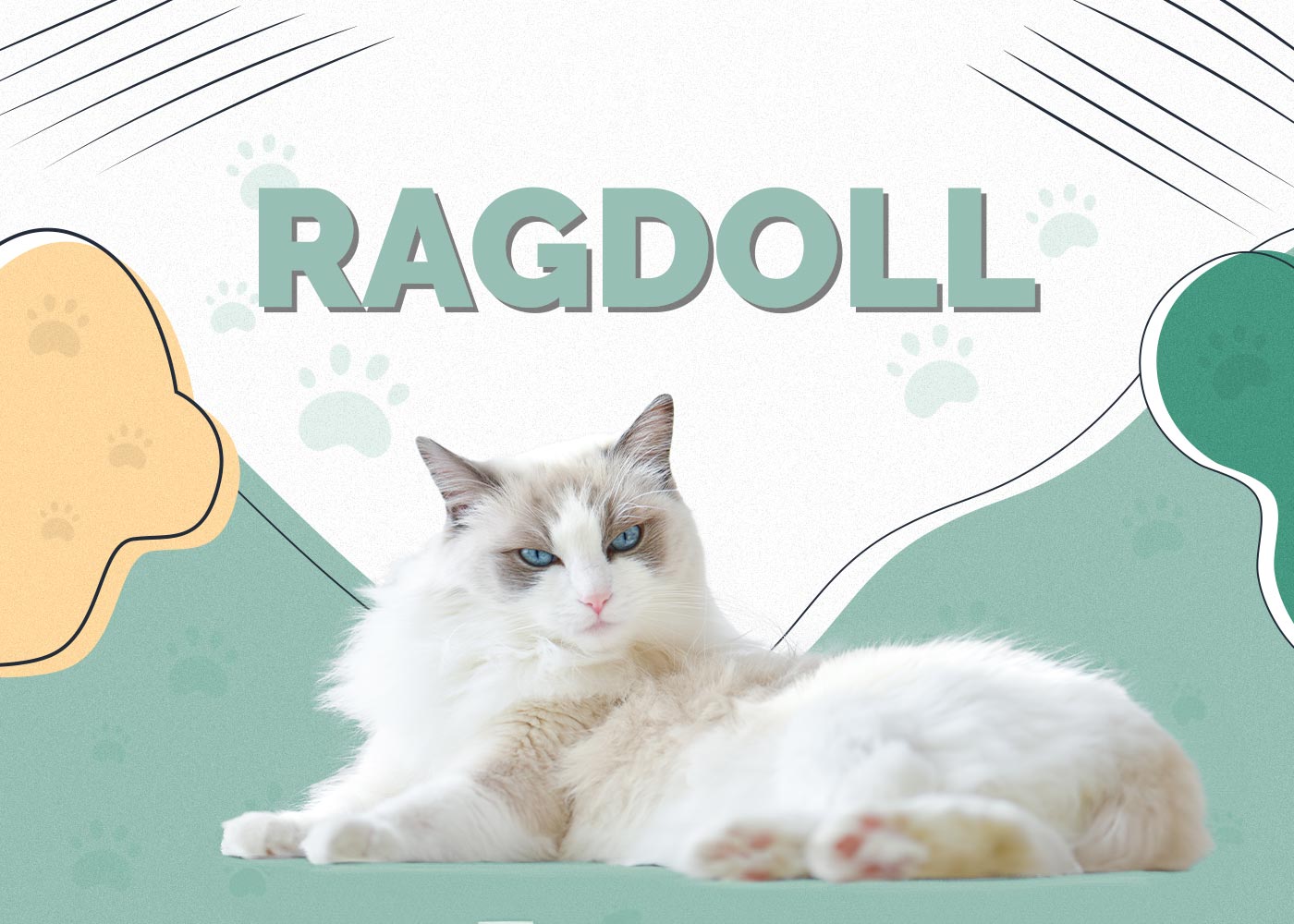
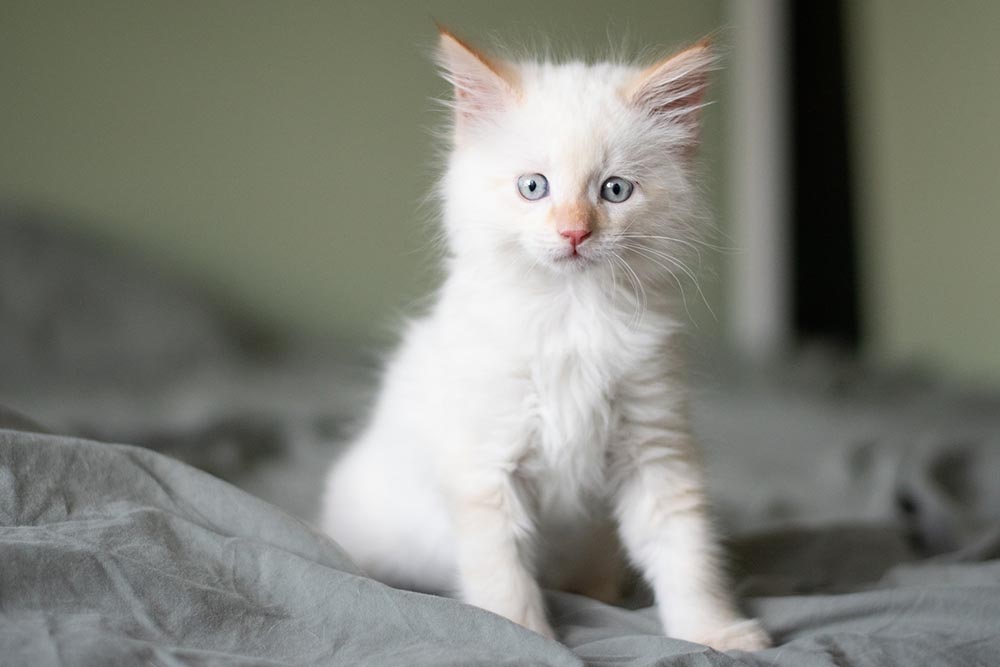
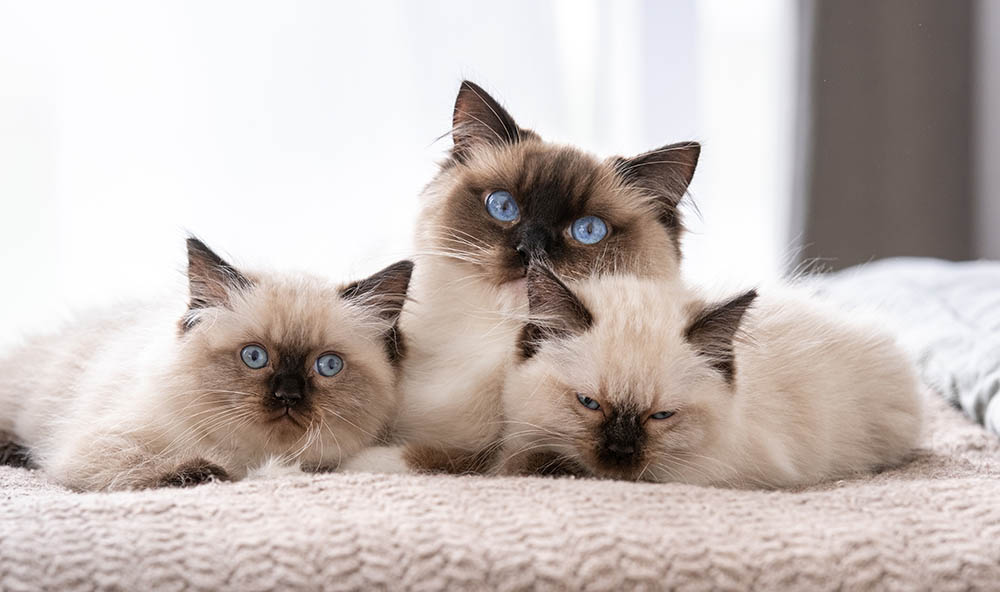
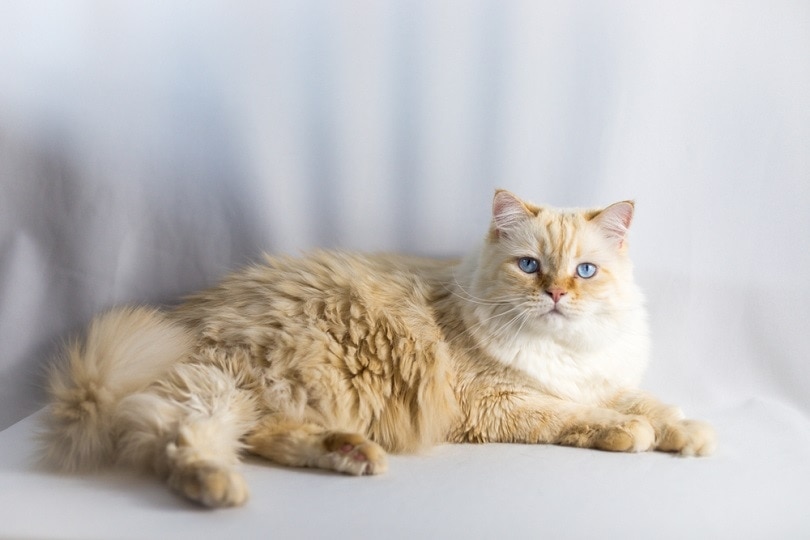
The Ragdoll breed was developed in the 1960s in California from a Domestic Longhair cat named Josephine. Cats with calm, gentle personalities and Himalayan-patterned longhair coats were carefully selected to result in what we currently identify as the Ragdoll breed.
This breed has a mix of traits inherited from Siamese, Persian, Birman, and Burmese cats. The Ragdoll name is no accident, as these cats notoriously “flop” in the arms of anyone who picks them up.
Characteristics & Appearance
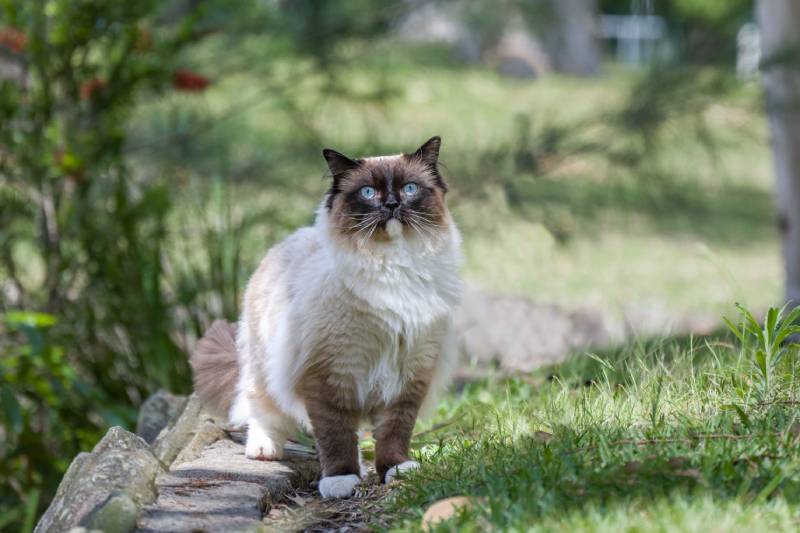
Unlike many other cat breeds, Ragdolls like to collapse when being held, even if they are cradled on their back. They love people—these cats will follow you around the house, greet visitors at the door, and leap into your lap whenever they have the chance.
They are vocal about letting you know that they want to be petted or that they’re hungry, but they’re not otherwise noisy. Ragdolls don’t like to climb much and spend most of their time on the same “level” as their human companions.
As a long-haired cat, Ragdolls will need brushing a couple of times per week to avoid tangles. If you are gentle with brushing, these cats usually love the extra attention that they receive during grooming time.
Uses
Ragdolls are intelligent cats and can be trained to “come” on command or to play fetch. With positive reinforcement training, Ragdolls can learn any trick that you want to teach them.
What Are the Differences Between British Shorthairs and Ragdolls?
Temperament
Both British Shorthairs and Ragdolls are friendly, gentle cat breeds that are affectionate with their owners. Ragdolls are cuddle-bugs and enjoy time in your lap or your arms, whereas British Shorthairs are happy just to be next to you. They are much happier spending their time on their four legs rather than being carried around.
Health and Longevity
Both British Shorthairs and Ragdoll cats have long lifespans of up to 20 years.
British Shorthairs have few health concerns overall. This breed has been known to produce occasional offspring with hemophilia. However, this is extremely uncommon because good breeders selectively avoid breeding carriers of the gene whenever possible. This cat breed is also slightly more prone to hypertrophic cardiomyopathy than the Ragdoll, but this is also rare. It is a treatable condition that still allows your cat to maintain quality of life.
Ragdoll cats have a fairly significant amount of inbreeding in their bloodlines, but they don’t seem to have many health problems because of it. That said, conditions to be on the lookout for are urinary tract conditions, including urinary tract infections, crystals, and kidney stones. These issues are particularly dangerous for Ragdoll cats, and it’s important to seek out veterinary care should they develop symptoms.
Size
British Shorthairs and Ragdolls are on the big side, with both breeds easily growing to weigh close to 20 pounds. British Shorthairs tend to gain weight more easily than Ragdolls. Ragdolls are longer, leaner, and more muscular than the British Shorthair.
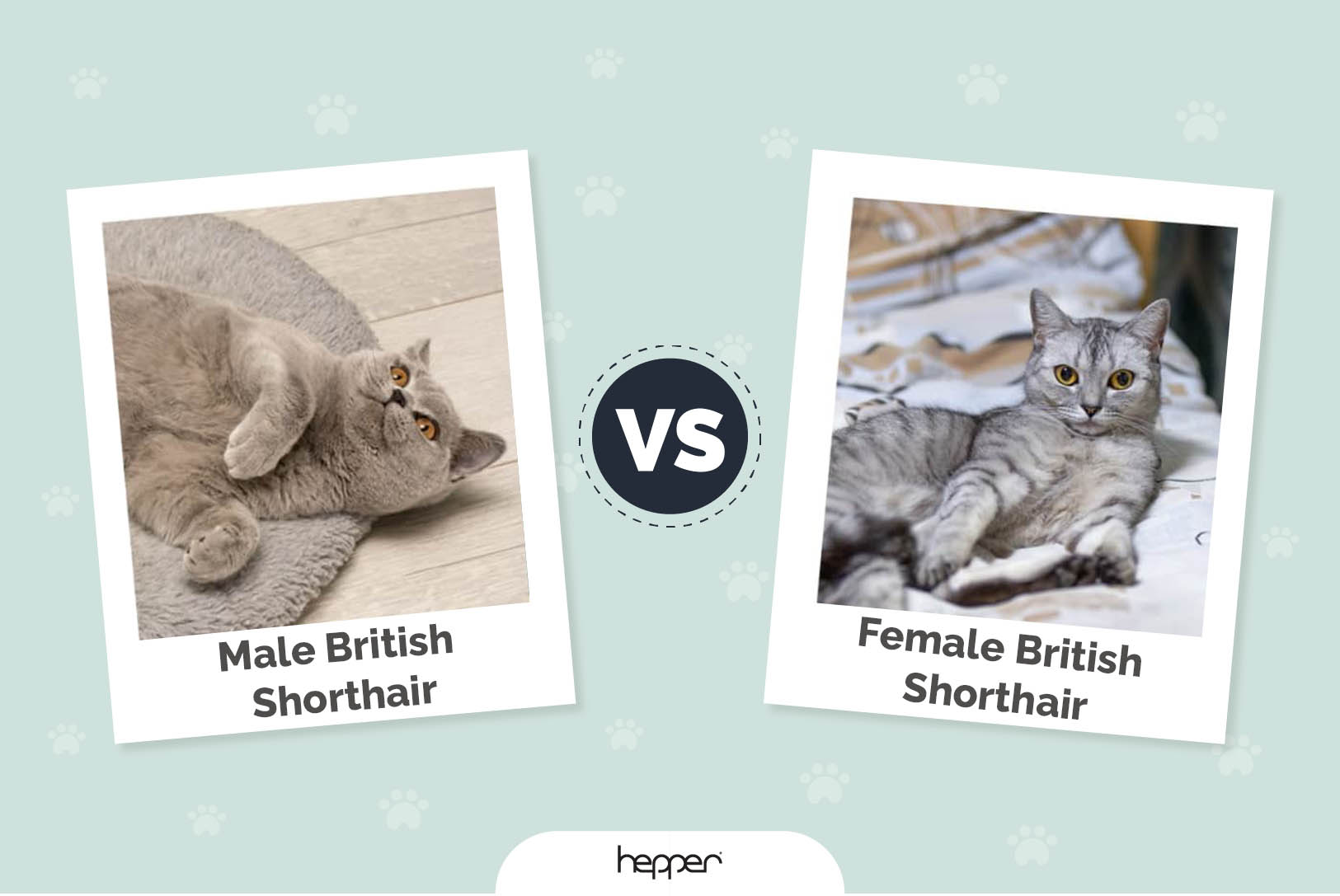
In both breeds, males are significantly larger than females.
Children and Other Pets
British Shorthairs are patient to a fault and can tolerate roughness from small children. They are noticeably calm in their responses when provoked. Instead of scratching or swatting, these cats simply move out of range of the offending child or animal. They are known for getting along with and even being affectionate toward dogs, so long as the dogs don’t act aggressively.
British Shorthairs are excellent babysitters and allow more affection from children than adults. They will be more than happy to sit on a high perch and supervise your kid’s activities with unwavering attention.
Ragdolls are also fantastic cats for families with kids and dogs. As the Ragdoll lives for physical contact, they will be happy to cuddle on the couch or in bed with children. For non-aggressive dogs, they can make good companions, especially since Ragdolls can be taught tricks and the game of fetch to play with the dog.
Which Breed Is Right for You?
British Shorthairs stay close but are independent cats. Ragdolls require more attention, so if you’re looking for a low-maintenance companion with little drama, the British Shorthair is the cat to choose.
Both British Shorthairs and Ragdoll cats get along with children and dogs. Ragdoll cats are more playful and slightly more affectionate, while the British Shorthair prefers a “supervisory” position.
These two cat breeds are both low-maintenance, non-destructive, and friendly. Either breed would make a great companion for any living situation. Personal preference with regard to how independent you want your feline companion to be is probably the deciding factor.
See Also:
Ragdoll British Shorthair Mix Info: Pictures, Temperament & Traits
Ragdoll vs Snowshoe Cat: Which One Is Right for Me? (With Pictures)
Featured Image Credit: Left: British Shorthair Cat, | Right: Ragdoll Cat, Peredniankina, Shutterstock
Get Hepper In Your Inbox


Pet care tips from our vets and experts, straight to your inbox.
You may opt-out at any time. View our Privacy Policy for more information.

Chelsie is a freelance writer who is passionate about helping pet owners and beloved animals live their best lives. She lives in rural Alberta, Canada with her husband and two sons. She is also currently a pet parent to four horses, four cats, and a border collie.
Join the conversation
Ask a question, share your story, or send private feedback.