Hepper is reader-supported. When you buy via links on our site, we may earn an affiliate commission at no cost to you. Learn more.
Why Do Ragdoll Cats Go Limp? Is It Genetics?

In this article
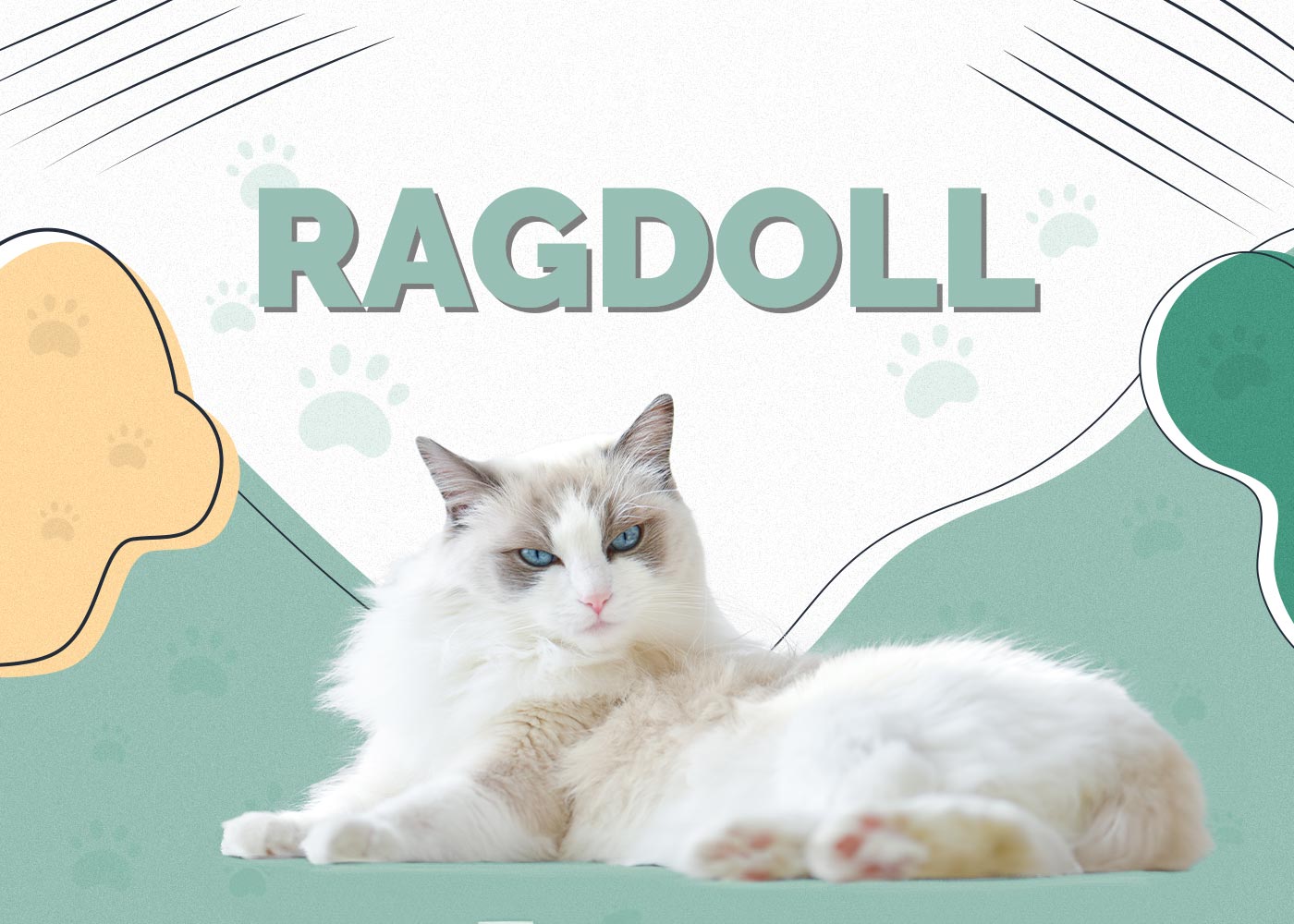
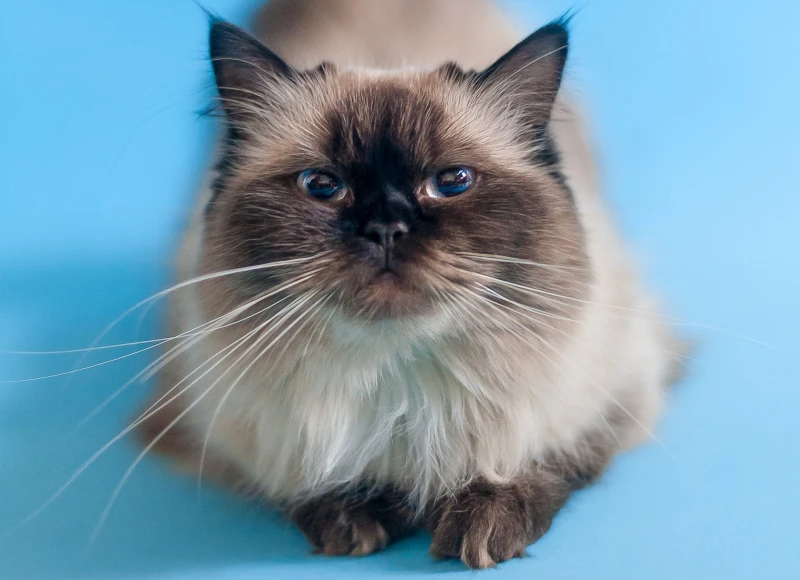
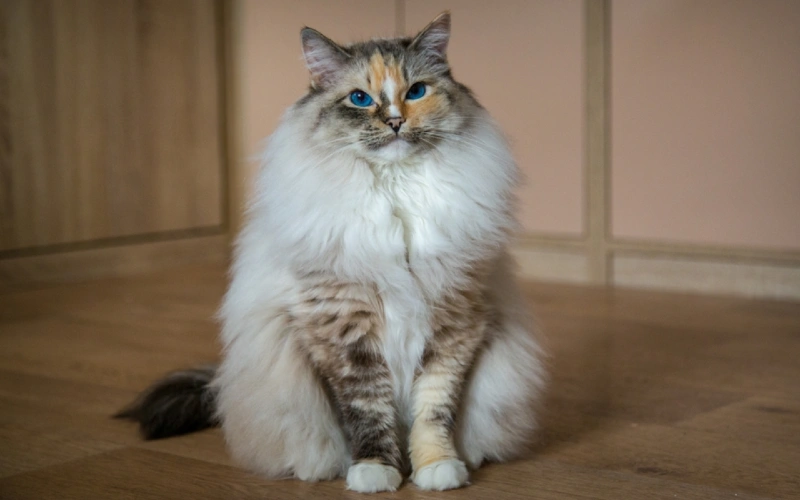
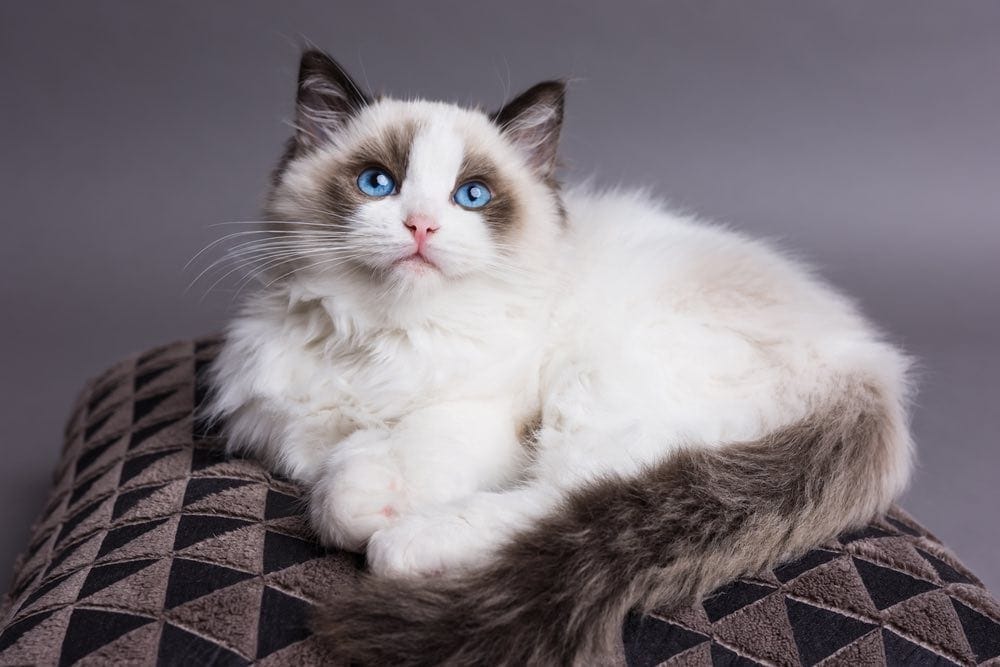
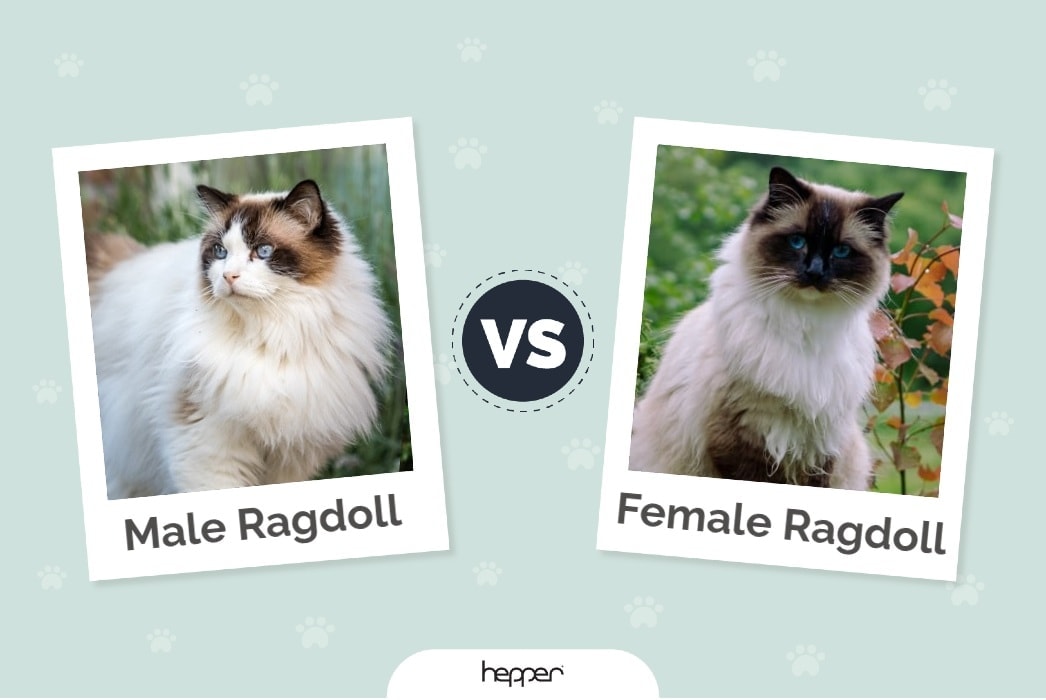
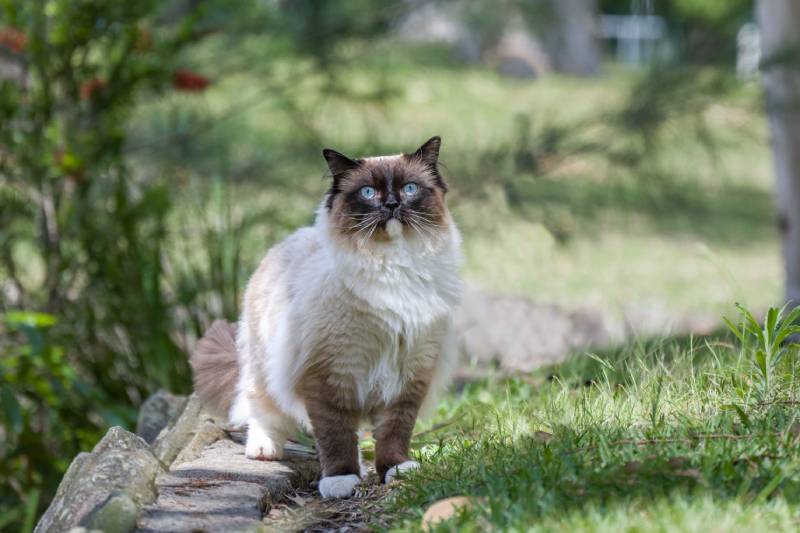
Ragdolls are large, loving cats that form deep bonds with their favorite humans. They often follow their owners from room to room. These dog-like cats usually require a fair amount of attention to stay happy and healthy since they tend to become quite attached to their owners. Ragdolls tend to be muscular with long, silky coats, often weighing 10–20 pounds.
Many of these gorgeous cats have a seriously endearing quality—they go limp when picked up or held. There is even a name for it, the “Ragdoll flop.” All kittens naturally go limp when picked up by the scruff, but most cats lose this reflex once they grow up, not Ragdolls. Ragdolls “flop” when picked up by their favorite humans because it is reminiscent of being handled by their mothers.

Do All Ragdolls Go Limp?
No. Some, but not all, Ragdolls flop, and not all go limp in the same way. Every Ragdoll has their own personal relationship with flopping. But in general, Ragdolls tend to flop when feeling happy. The reaction is actually linked to the presence of oxytocin and prolactin, feel good-hormones that kittens and cats release when being petted by a loved one.
Some Ragdolls go limp in the presence of one or two people, but not others. Cats that don’t enjoy being picked up and held often never exhibit the response. Others only flop for a few minutes immediately after being picked up, and some Ragdolls never exhibit the trait.
How Long Have Ragdolls Been a Recognized Breed?
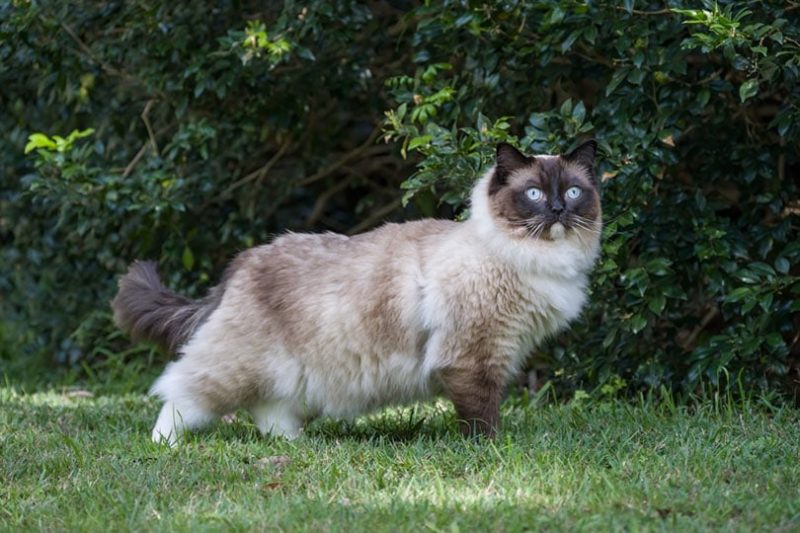
The breed hasn’t been around for long, since 1963, when the first Ragdoll was born. A breeder in California, Ann Baker, bred a semi-feral longhaired cat, Josephine, with Persians she owned. The kittens turned out to be sweet, friendly, longhaired, mellow beauties. All Ragdolls today trace their ancestry back to Baker’s original mix.

Are Ragdolls Good Family Pets?
Ragdolls make fantastic family pets thanks to their sunny and loyal personalities. They tend to be quite curious and attentive to their owners’ activities. Cuddly and engaged, many adore being around their people and often follow their favorites around the house. While they enjoy a good bit of playtime, Ragdolls don’t require much exercise. Most are fine with a few 10-minute play sessions per day.
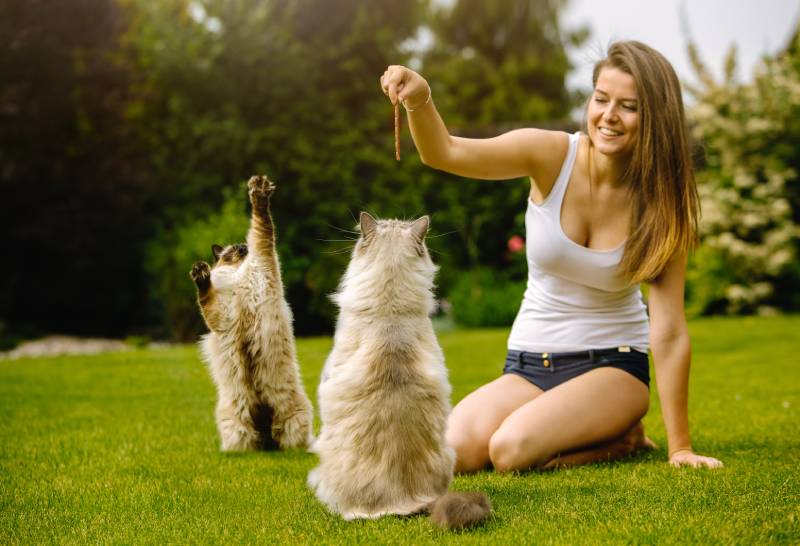
Consider training your pet if you’re looking for a fun activity you can do together. Not only will teaching your cat tricks get them up and moving, but it is also a great bonding activity that can seriously deepen the human-cat bond. Remember to keep any training sessions short, as cats often lose interest relatively quickly. Anything over 15 minutes is probably too long, and you’ll likely have to work up to a session of that length gradually.
Ragdolls usually get along well with other cats and dogs due to the breed’s mellow and friendly temperament. But keep in mind that not all cats enjoy the company of other animals. Most cats dislike change, and the addition of a new pet often results in feline stress and anxiety. Cats who’ve never lived with other animals after reaching adulthood often don’t adjust well to the sudden appearance of four-footed companions.
As a longhaired breed, Ragdolls require a bit more grooming than the average shorthaired kitty. Regular brushing keeps the major tangles away. Aim for twice weekly brushing sessions, although some Ragdolls enjoy being groomed and may enjoy more frequent attention. Most don’t require trips to the grooming salon for trims like some longhaired breeds.
However, they need monthly nail trims to prevent painful ingrown claws from developing and regular tooth brushing to keep their teeth nice and healthy. Choose a feline-specific toothpaste, as human options contain fluoride, which is toxic to cats.
Ragdolls don’t have any specific dietary requirements. Most are fine as long as you’re feeding them cat food with nutritious, high-quality ingredients that meet American Association of Feed Control Officials (AAFCO) nutritional guidelines for a complete and balanced diet. You can invest in kitchen scales to prevent over or underfeeding. Use the feeding instructions that come with the food as a guideline to help you determine how much your cat really needs to eat.
Do Ragdolls Suffer from Any Breed-Related Genetic Conditions or Illnesses?
Ragdolls don’t suffer from many genetic illnesses, but they have a heightened risk of developing hypertrophic cardiomyopathy, a potentially fatal heart condition that often strikes relatively young cats. Make sure any Ragdoll you’re considering has been tested for the disease. Ragdolls are generally a healthy breed, with most living anywhere from 9–15 years old.
Ragdolls, like all cats, require annual wellness veterinary visits to monitor their health. And most veterinarians suggest senior cats come in for a check-up at least twice a year to catch chronic conditions such as liver and kidney disease in the earliest possible stages when treatment has the potential to improve your pet’s health and longevity substantially. Cats often don’t drink enough water, which can lead to the development of chronic conditions such as kidney disease and urinary tract infections. Consider investing in a feline water fountain to ensure your Ragdoll stays properly hydrated since some cats usually prefer to drink flowing water.
Final Thoughts
Ragdolls are sweet, dog-like, friendly, and loyal. They enjoy being around and spending time with their favorite people, and that famous flop generally indicates a happy kitty! But not all Ragdoll cats flop! Some only go limp when picked up by certain people, and others don’t flop at all. However, Ragdolls make fantastic family pets. These relatively large cats have semi-long silky coats that benefit from regular brushing, but most don’t need trims like some longhaired cats, making these beautiful kitties easy to care for.
Sources
Featured Image Credit: Aaron Zimmermann, Shutterstock
Get Hepper In Your Inbox


Pet care tips from our vets and experts, straight to your inbox.
You may opt-out at any time. View our Privacy Policy for more information.
Lorre Luther a reformed lawyer from the United States, she moved to the Netherlands to follow her dream and become a writer. Currently living in Rotterdam, Lorre enjoys traveling and reveling in the astonishing beauty of our planet. As an animal lover, Lorre is convinced that cats are smarter than humans.
Join the conversation
Ask a question, share your story, or send private feedback.