Hepper is reader-supported. When you buy via links on our site, we may earn an affiliate commission at no cost to you. Learn more.
Can Bearded Dragons Eat Grapes? Vet-Approved Benefits & Risks


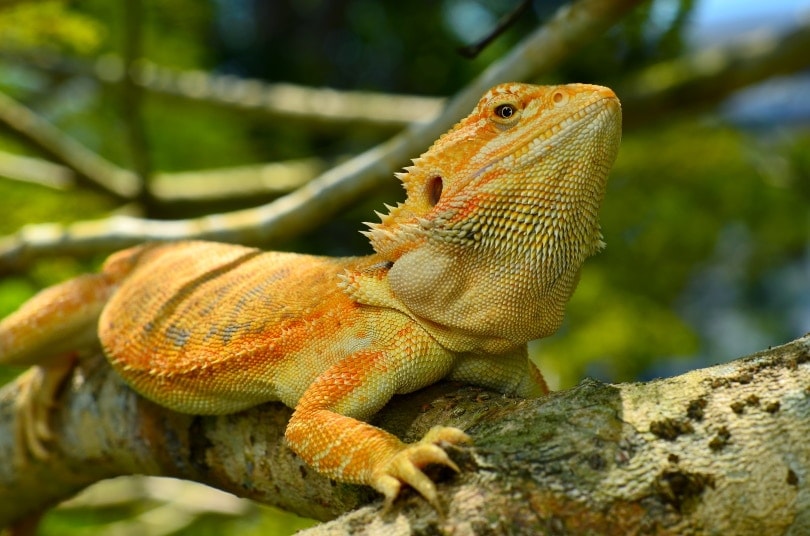
Grapes are a delicious, widely available treat for humans, but can bearded dragons eat grapes? They can, but they should be limited to treats as part of a balanced diet.
Here’s everything you need to know about feeding grapes to your beardie.

Are Grapes Safe for Bearded Dragons?
Bearded dragons are omnivorous and need a varied diet to thrive 1. The bulk of the diet should be calcium-rich leafy greens and vegetables, such as dandelion greens, escarole, mustard greens, turnip greens, and watercress, as well as protein from insects.
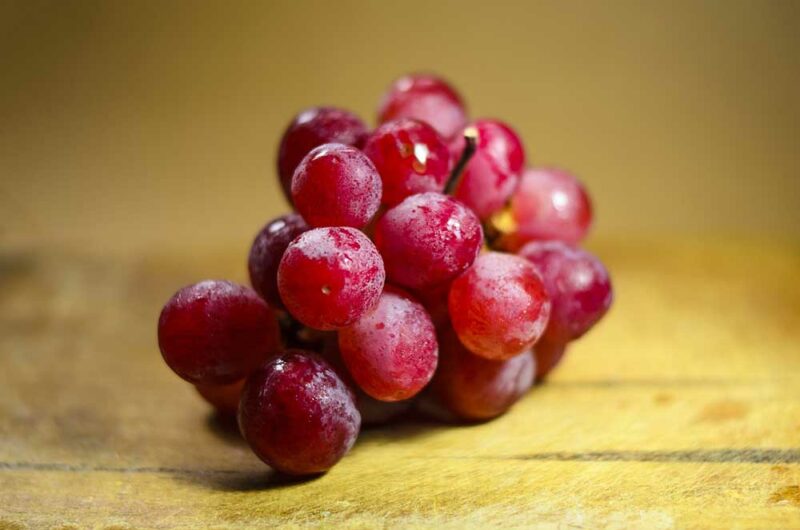
Fruits, fed without the seeds or pits, can be added to the diet as a treat, including grapes. They have nutritional value with fiber, antioxidants, high water content, and potassium, which are all important to your beardie’s diet.
Still, grapes should be only a small part of the diet, fed once or twice a week in small quantities at most.
Why Should Grapes Be Limited in Beardie Diets?
Bearded dragons can have grapes as treats but not as a regular part of the diet. Here’s why:
Hydration Issues
Fruits like grapes are high in water content. While hydration is important for your bearded dragon, too much can cause diarrhea and dehydration. Bearded dragons’ natural habitat is the Australian desert. They don’t require a lot of extra water to survive, but the severe dehydration that can occur from diarrhea can be life-threatening.
Metabolic Bone Disease (MBD)
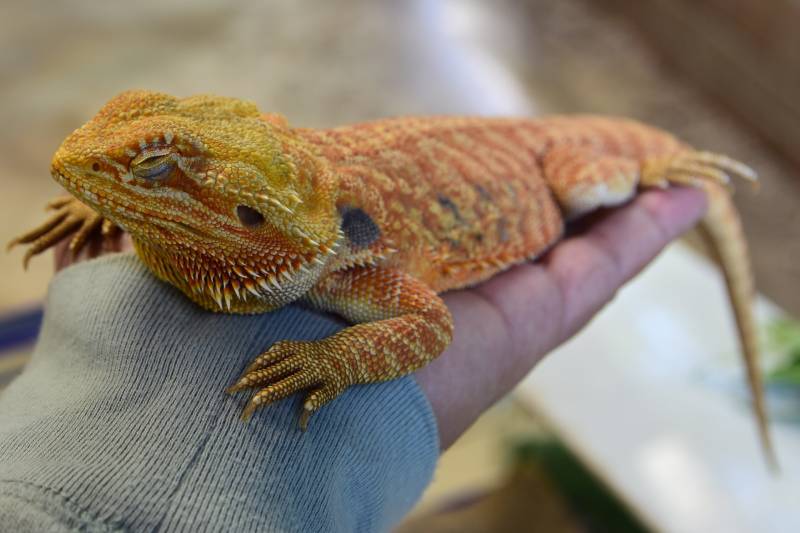
MBD is an extremely painful and serious illness that can strike bearded dragons. The symptoms can include swelling of the lower jaw, softening of the jaw and facial bones, and swelling of the hind limbs. Over time, beardies become too weak to walk or push their bodies off the ground.
The primary cause of MBD is an improper diet that’s high in phosphorus and low in calcium or vitamin D3. Grapes contain oxalates that bind with calcium in the diet, essentially stealing the calcium away. Even supplementation can’t offset the effects of a diet too high in oxalates.
Grapes also have a high phosphorus-to-calcium ratio of 5:1. Feeding them too often disrupts the natural ratio of the beardie diet and can cause MBD. Ideally, your beardie diet should include a lot of calcium-rich foods and foods containing an equal ratio of phosphorus and calcium rather than foods that are high in phosphorus.
Other Precautions With Grapes
Aside from nutritional deficiencies, there are other risks to feeding grapes. If you do feed grapes to your bearded dragon, make sure they are seedless grapes. Though grape seeds are small, they can present a choking hazard. They may also cause an impaction in the digestive system, which can be a medical emergency.
Don’t feed whole grapes, either. Chop them into pieces to make them easier and safer for your beardie to consume.
Another small risk with feeding grapes is encouraging your beardie to be picky. Some dragons, especially younger ones, may resist vegetables. Feeding sweet treats like grapes can make your beardie choose the treats over its main diet, leading to nutritional deficiencies.
How to Feed Grapes to Your Bearded Dragon
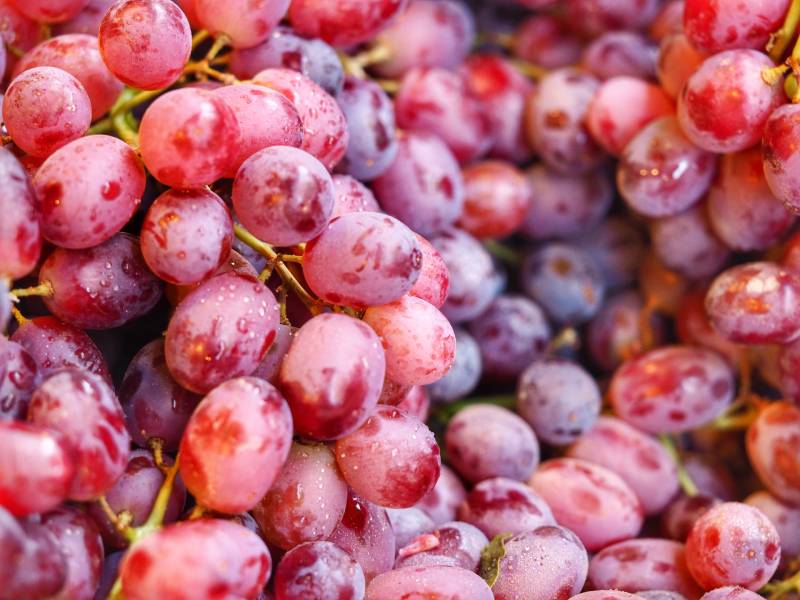
Your bearded dragon can have one or two red, purple, or green grapes, but make sure they’re seedless and washed before feeding. Pesticides that linger on the skin of the grape can be hazardous to your beardie’s health.
They can also have grape leaves on occasion. They’re high in both protein and calcium and low in phosphorus, making them a nutritious option to add to your beardie’s diet. Simply wash and chop them to include them in the diet mix.
Conclusion
Bearded dragons eat varied diets that may include fruits like grapes, but it’s important to maintain the proper nutritional balance. At most, your beardie can have one or two washed seedless grapes each week, but be sure to check with your vet to make sure this is a safe and healthy option for your individual animal.
Related Read: Can Bearded Dragons Eat Pomegranate?
Sources
Featured Image Credit: Josep Monter Martinez, Pixabay
Get Hepper In Your Inbox


Pet care tips from our vets and experts, straight to your inbox.
You may opt-out at any time. View our Privacy Policy for more information.
Nicole is a lover of animals of all sizes but is especially fascinated with the feline variety. She’s the proud mom of Baby, a Burmese, and works every day so he can relax in the sunshine or by the fire. She’s always had a cat in her home and has spent countless days with others, observing behaviors and softening up even the grouchiest of the lot. Nicole wants to share her kitty expertise with you so you and your cat can live happy, healthy, and care-free.
Join the conversation
Ask a question, share your story, or send private feedback.