Hepper is reader-supported. When you buy via links on our site, we may earn an affiliate commission at no cost to you. Learn more.
Can Bearded Dragons Eat Peas? Vet Approved Facts & Feeding Tips

In this article
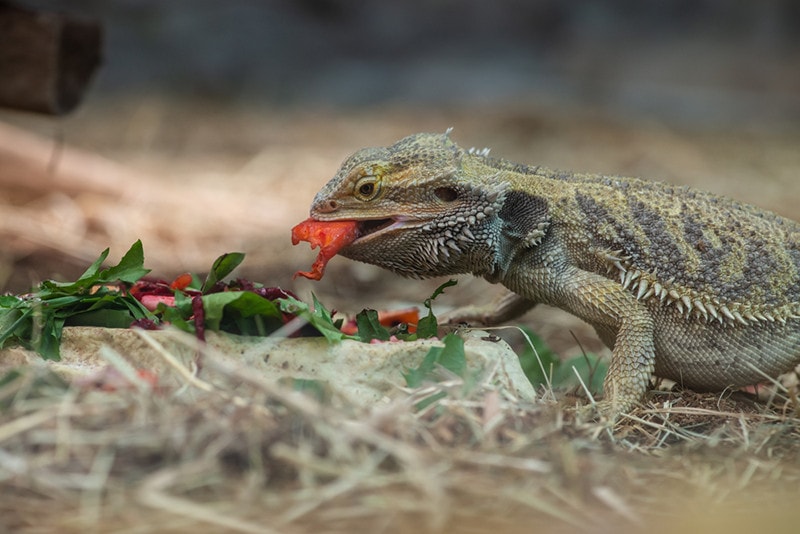
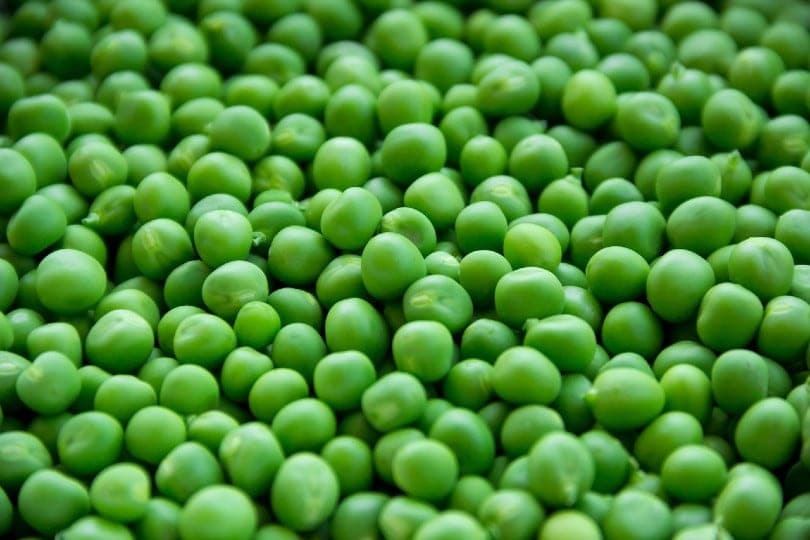
It's no secret that Bearded Dragons enjoy a nice, juicy insect. However, they can also snack on a medley of Beardie-safe fruits and vegetables. If you're looking for new veggies for your spiky friend, you might wonder if they can have a yummy pea or two.
After all, we can enjoy them, and you likely have some in your fridge or freezer right now. Peas are not toxic for bearded dragons, but we must recommend caution with peas when it comes to your Bearded Dragon as they can interfere with proper nutrient absorption. Here we will look at how peas are beneficial and why they might be risky.

Bearded Dragons Shouldn’t Eat Peas Often
Peas can be acceptable in very small quantities for Bearded Dragons. However, many owners choose to steer clear entirely due to the potential drawbacks. You might see peas in a dehydrated mixture of Bearded Dragon food at your local pet shop.
So, while this is safe and even marketed to Bearded Dragon owners, you should always be aware of proper ratios to keep your Bearded Dragon at their healthiest. A few different components to peas can lead to potential long-term health problems when fed too frequently.
Oxalates
First, peas contain oxalates. Oxalates can interfere with your Bearded Dragon’s existing supply of calcium. It affects the ability to absorb calcium properly. When their bodies go an extended period of time with depleted calcium levels, it can start to wear down the body.
According to LafeberVet, a hundred grams of peas contain 0.05 mg of oxalates. This value is considered to be low compared to other food sources. Nonetheless, if your beardie has kidney disease, it might be difficult to eliminate the extra oxalates in the body and this may contribute to the development of a very detrimental condition called metabolic bone disease. So while it might not pose any dangers right up front, a continuous imbalance in the diet can create long-term serious effects.
Phosphorus to Calcium Ratios
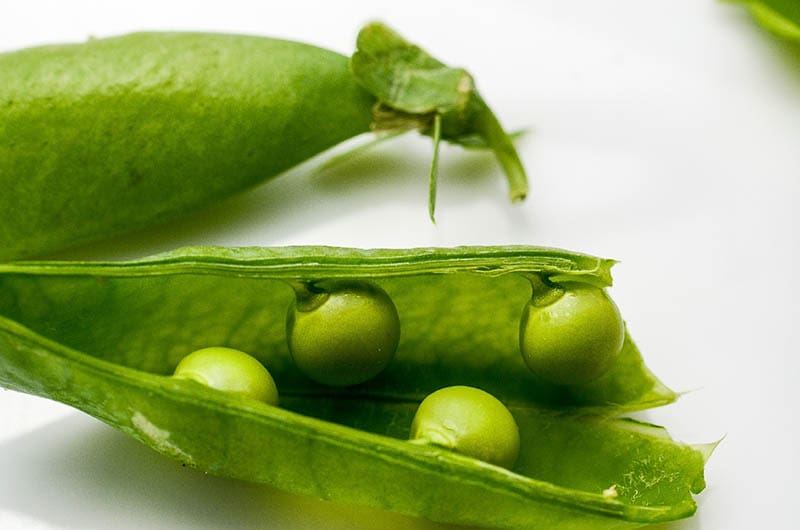
Peas are very high in phosphorus, and diets that are high in phosphorus can interfere with proper calcium absorption. If you've had a Bearded Dragon for any length of time, you likely already know how essential calcium is for their daily diet.
If your Bearded Dragon is too abundant in phosphorus and lacks proper calcium absorption, it can be detrimental to their health. According to Jean Pennington, peas have a poor Ca:P ratio of 1:4.4.1 Over time, this imbalance can have serious implications for their overall well-being.
Metabolic Bone Disease in Bearded Dragons
We mentioned that accumulated oxalates and high phosphorus levels could deplete the calcium in your Bearded Dragon's body, creating a condition known as metabolic bone disease. This disease develops slowly due to a constant lack of supply of calcium in the body.
Not only can metabolic bone disease come from a poor diet, but that can also stem from other sources, such as improper UV lighting and Vitamin D3 levels. If your Bearded Dragon develops metabolic bone disease, it is imperative to care for them properly so they can still live a long life.
Metabolic bone disease can progress to different levels of severity. If it isn't addressed and treated immediately by a veterinarian, it can become permanent and eventually lead to death. Since this disease is debilitating and extremely painful, it is always best to know more about it to know what to look for.
Some Signs of Metabolic Bone Disease
Understanding what to look for can really help you recognize they need to go to the vet urgently.
How Often Can Bearded Dragons Eat Peas
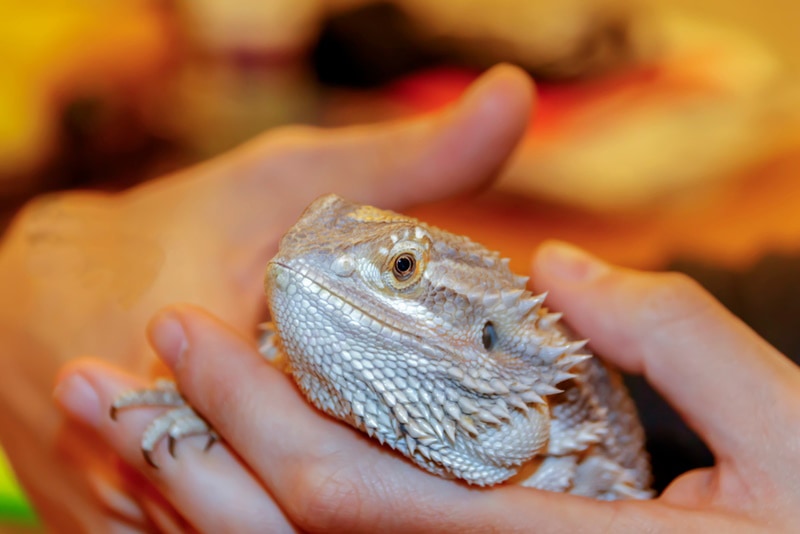
Bearded Dragons should eat peas very sparingly—no more than two to three times per week—and only two or three peas at a time. Don’t feed them any more frequently than this, especially if other food items in their diet contain similar components.
Different Styles of Peas
You don't have to feed your cat only raw peas. You can also provide them with peas in a few other forms.
Frozen
You can feed your Bearded Dragon frozen peas. However, make sure they are completely thawed before serving.
Dehydrated
Dehydrated peas keep longer than fresh or frozen options. Also, they don't have the salt and sodium content that canned peas have. So, it's nutritionally one of the better options.
Fresh
Fresh peas are always an option. They are the most nutritionally beneficial, But it also means that the phosphorus levels and oxalic acid are the highest. So that is something to consider here. We highly recommend serving organic or garden-grown peas to cut back on the potential exposure of chemical pesticides.
Canned
Canned peas generally have too much sodium content. They also have many nutrients stripped from them because of the means of preservation.
How to Prepare Peas for Beardies
You can prepare peas for your Beardie based on the type of pea you're serving up. For example, it's crucial to fully rehydrate before serving if it is dehydrated. If you don't, it could be too hard and potentially be a choking hazard.
Remember that Bearded Dragons should consume only a few peas in their daily diet. It would be best if you only offered these veggies as an occasional snack. It is only recommended to feed Bearded Dragon peas a maximum of three times per week.
Always make sure to wash any of the goodies you give to your Beardies. They can be highly susceptible to chemicals in vegetables. So please give them a thorough wash and buy organic when you can.
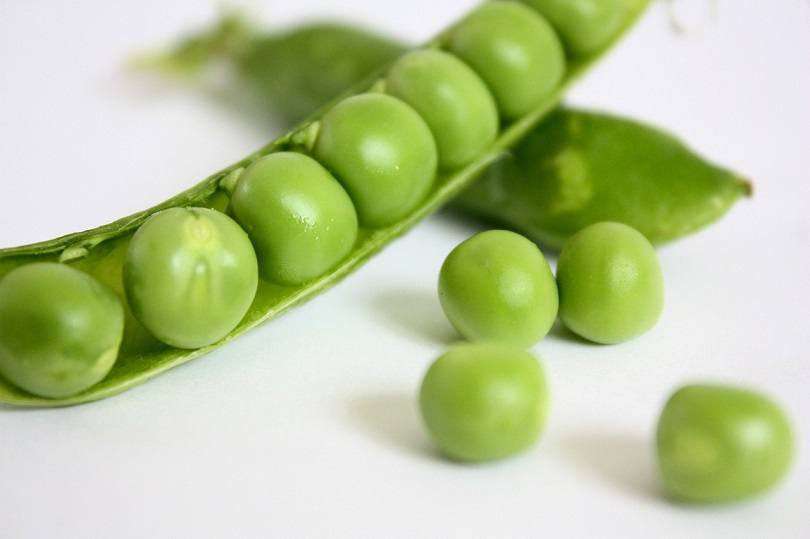
Alternatives to Peas for Bearded Dragons
There are plenty of nutritious vegetables your Bearded Dragon can have in place of peas. Many will provide a laundry list of health benefits without the potential drawbacks.
Here are some examples which could be given in moderation.
Feel free to spruce up your Bearded Dragon’s daily menu with several different kinds of veggies to keep their buffet options interesting. Remember that younger Bearded Dragons still rely primarily on protein sources primarily from insects, while older Bearded Dragons need around 20% insect-based foods and 80% vegetables.
Final Thoughts
Now you understand that peas are a moderately acceptable occasional veggie to feed your Bearded Dragon. However, it should never make up a large quantity of their daily meals because of the oxalate and high phosphorus content.
To keep your Bearded Dragon healthy, it is essential to ensure that they get the proper calcium levels without being depleted in any way. A lack of adequate calcium in the diet can lead to many unwanted health issues.
Related Read:
Featured Image Credit: Devanath, Pixabay
Get Hepper In Your Inbox


Pet care tips from our vets and experts, straight to your inbox.
You may opt-out at any time. View our Privacy Policy for more information.
Ashley Bates, a freelance writer with a passion for pets, is currently studying animal therapy. She is a mother to four children and 23 pets, both furry and feathery. Ashley actively volunteers at local shelters, advocates for animal welfare, and rescues animals in distress. Her mission is to promote awareness, education, and entertainment about pets to help prevent animal homelessness. She specializes in the care and well-being of dogs and cats.
Join the conversation
Ask a question, share your story, or send private feedback.