Hepper is reader-supported. When you buy via links on our site, we may earn an affiliate commission at no cost to you. Learn more.
Can Cats Eat Cheetos? What You Need to Know!

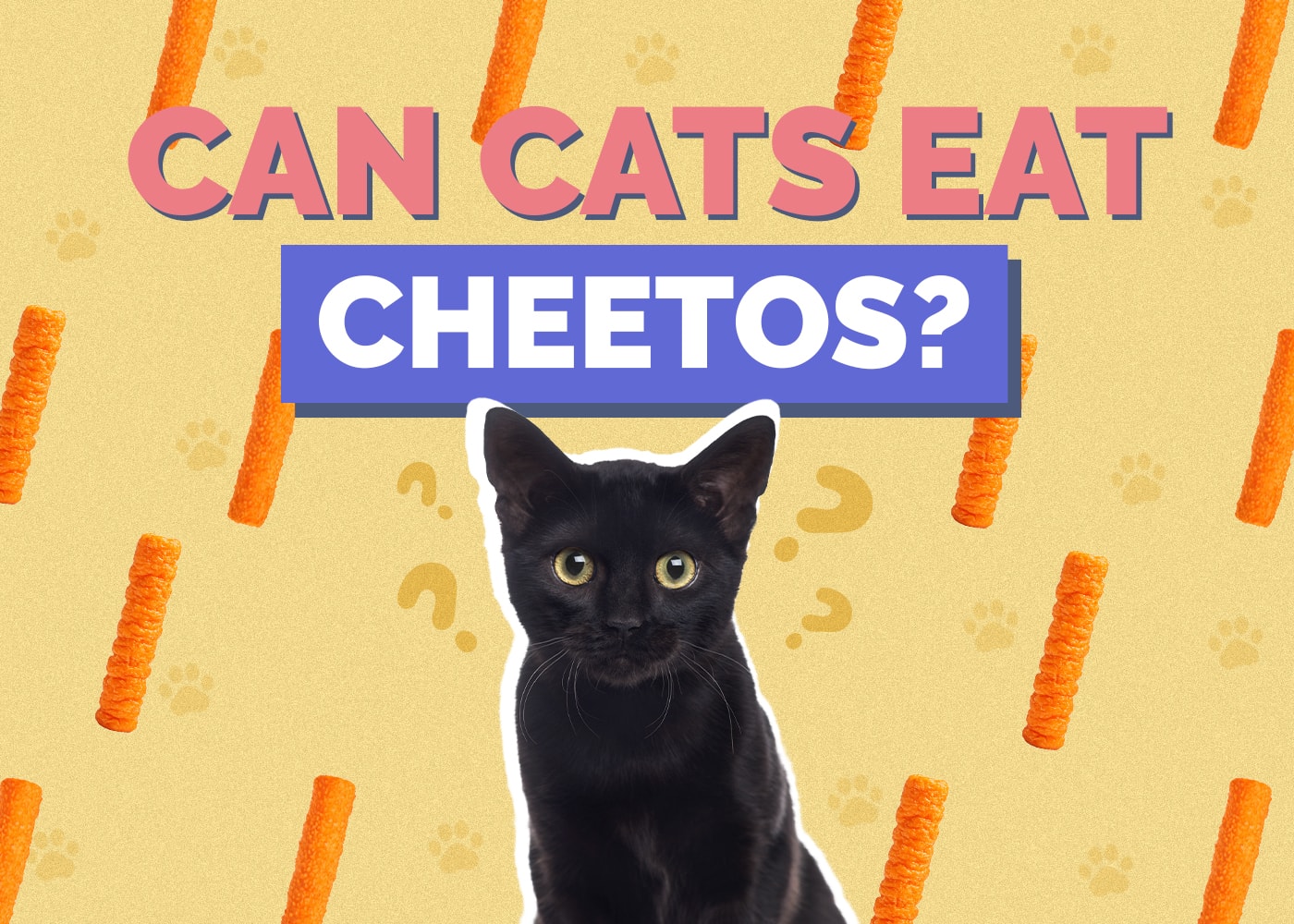
Cats are silent predators that enjoy the thrill of hunting, but house cats are limited in their prospects for lively prey. However, your cat may substitute a salty snack for a hunting victim and try to grab a chip or cracker when your back is turned. Felines can live long, happy lives without consuming food for humans, but can cats eat Cheetos? A single Cheeto will not harm your cat, but you should avoid feeding them (or other human treats) to your pet. Cheetos are high in fat, sodium, preservatives, artificial colors, and seasonings that are not beneficial to your pet’s diet.

Why Cheetos Are Not Beneficial to Cats
Felines are not attracted to sweet treats like canines, but the seasoning and texture of Cheetos make them more appealing than fruits or vegetables. If your cat eats a Cheeto, it’s unlikely to have digestive problems, but a large number of them can cause diarrhea, vomiting, or loss of appetite like any food not designed for cats’ digestive systems.
Although most cats are turned off by hot food, you may be wondering, can cats eat spicy Cheetos? Like Original Cheetos, a single spicy Cheeto may not affect your pet, but several pieces can cause digestive issues.
Cheetos Flamin' Hot Puffs Ingredients That Can Harm Cats:
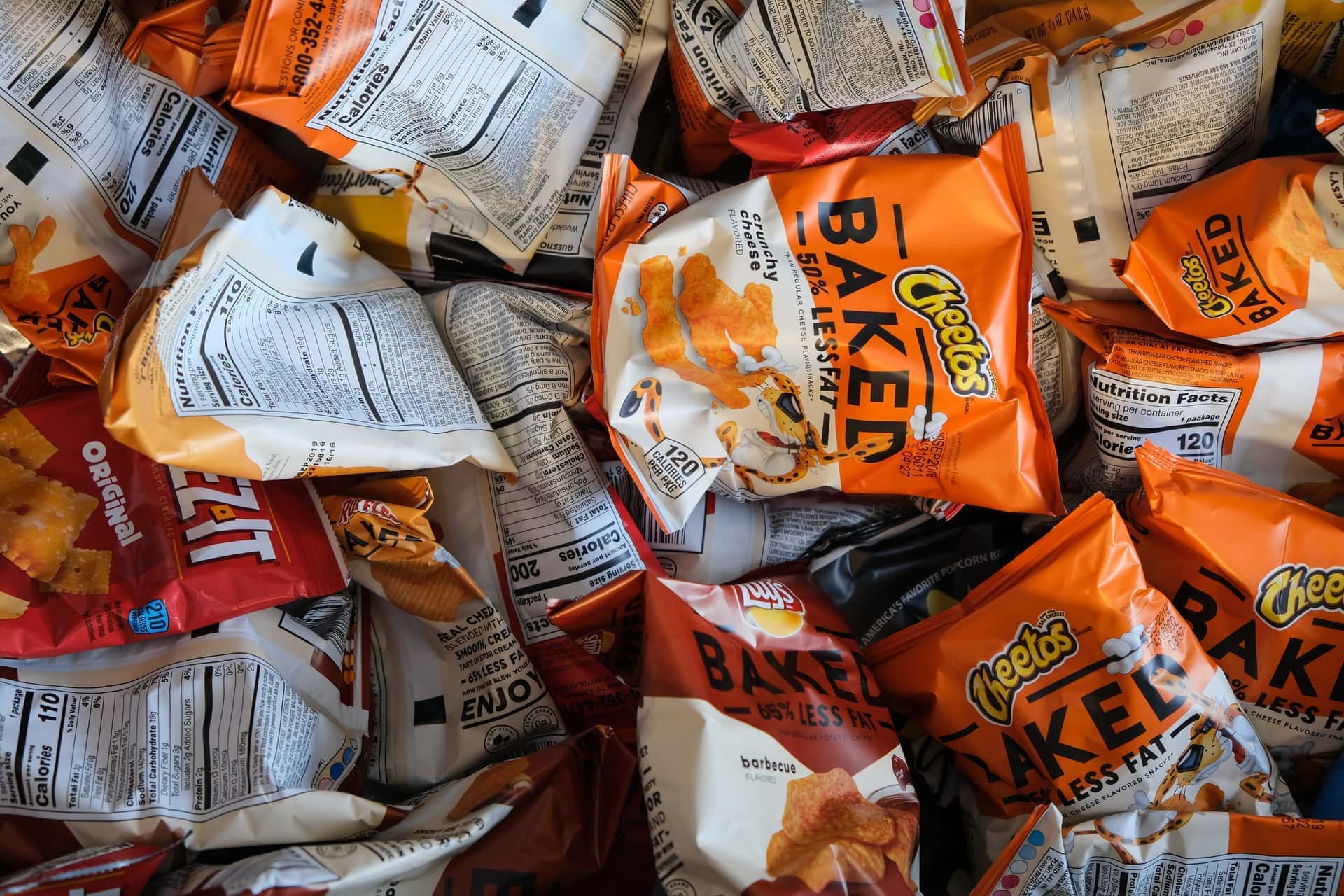
Cornmeal and corn byproducts are not harmful to your cat, but they’re unnecessary components that could be replaced with more beneficial ingredients like animal proteins or fiber. The most concerning elements of the spicy Cheetos are the onion and garlic powders. Garlic and onions are toxic to cats, and in large quantities, they can cause anemia. If your cat has ingested several Cheetos, contact your vet immediately or call the Pet Poison Hotline at 1-855-213-6680.

Human Food to Avoid
Some homemade meals are safe for your cat, but avoid heavily seasoned food or snacks with high levels of salt and carbohydrates. These foods are toxic to your pet and should not be on the menu.
1. Baby Food
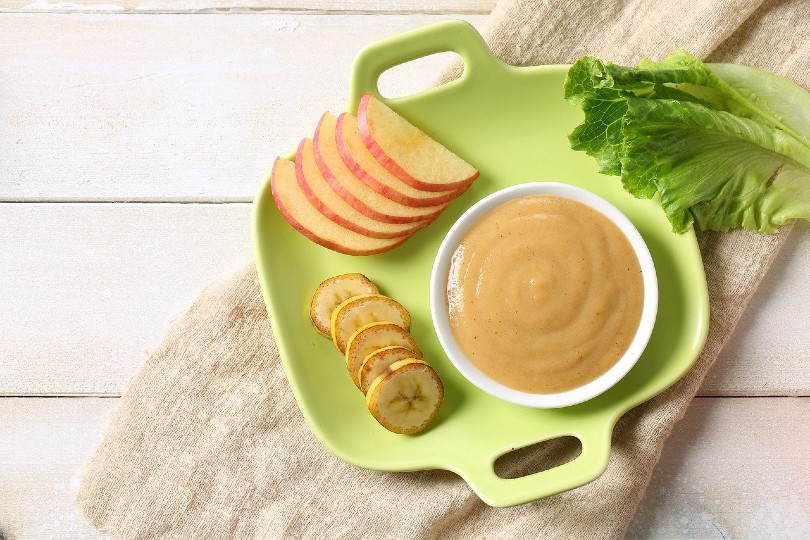
Most of the ingredients of baby food are safe for felines, but many brands are flavored with onion and garlic seasonings that are toxic to cats. Wet cat food is much safer and often less expensive than baby food.
2. Chocolate
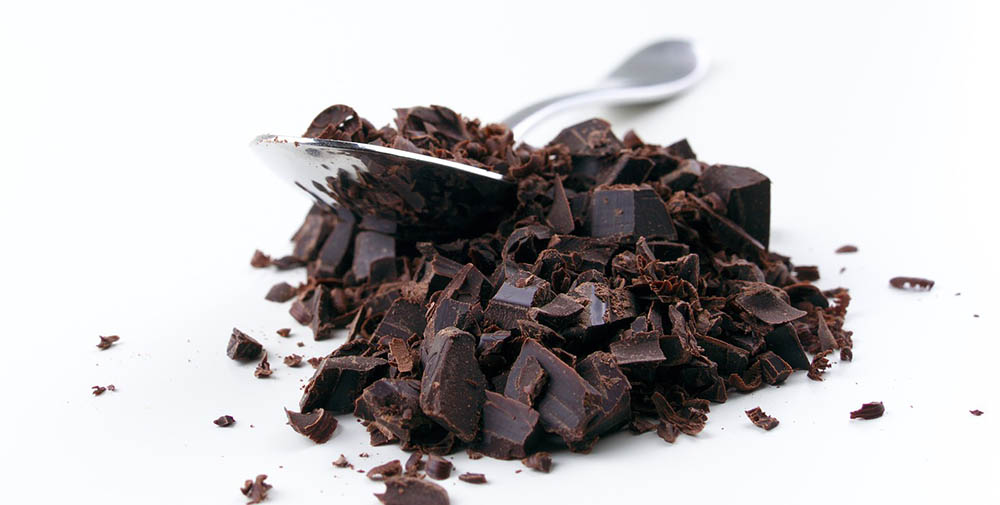
Chocolate contains the compound theobromine concentrated in dark chocolate and unsweetened baking chocolate. However, even milk chocolate can cause an adverse reaction in cats and lead to seizures, muscle tremors, or cardiac issues.
3. Garlic and Onion (Anything in the Allium family)

Most cats are not likely to gorge themselves on a bowl of garlic cloves and onion slices, but they’re more likely to munch on snacks flavored with garlic or onion powder. Ingestion of garlic or onion can result in a dangerous condition known as hemolytic anemia.
4. Alcohol
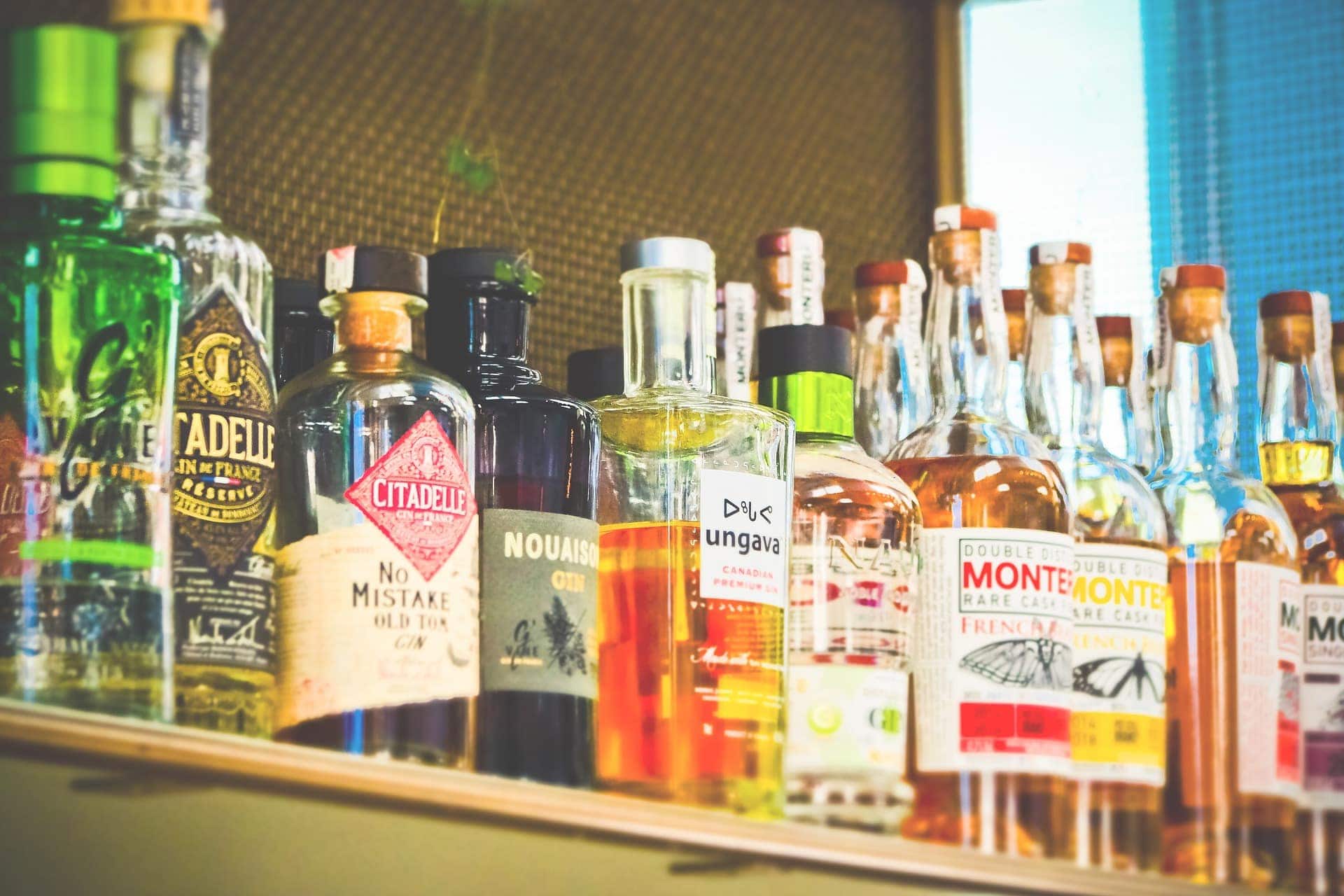
Serving alcoholic beverages to cats is cruel and potentially fatal. Ingesting alcohol can cause brain and liver damage. Besides making your pet inebriated, a spoonful of alcohol can put your pet into a coma.
5. Dairy

After kittens have finished weaning, they lose the ability to digest lactose. Although some cats can drink a little milk without complications, a large portion of milk or dairy products can cause vomiting and diarrhea. Dairy is a primary ingredient in most human snack foods, and it’s even featured in some canned cat foods and treats.
6. Raw meat

Raw meat can contain harmful bacteria like Salmonella and E. coli. Contaminated raw chicken, beef, or seafood may not affect humans if they’re cooked to the correct internal temperatures but feeding your pet scraps of raw food can contaminate feeding areas and cause digestion issues. Also, raw meat contains tiny bones that can cause choking or obstructions in the cat’s intestinal tract.
7. Canned Tuna
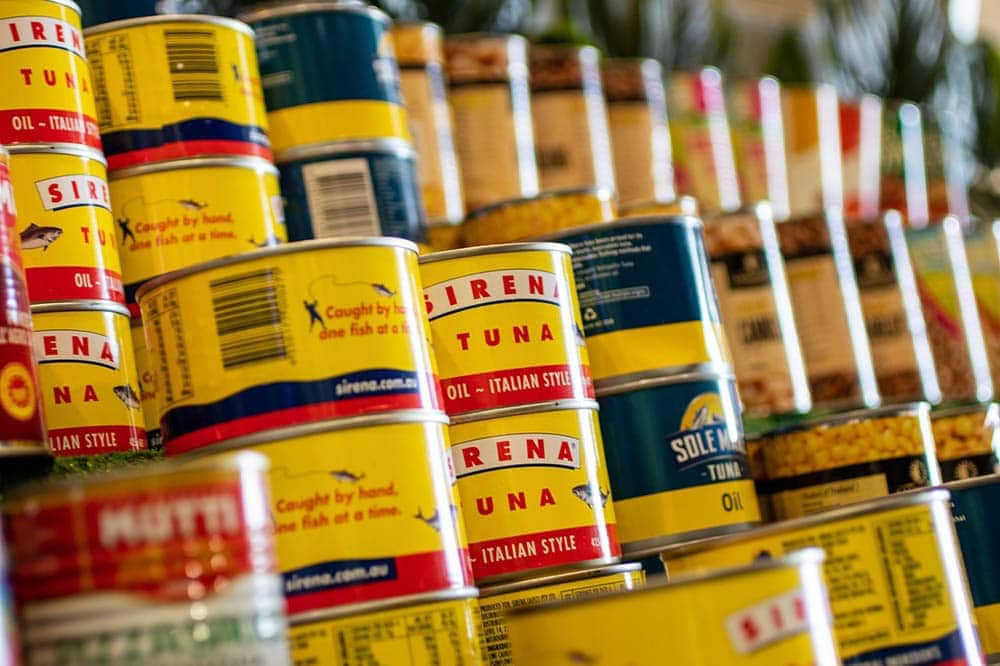
Pet food made with tuna and unseasoned cooked tuna is safe for cats, but canned tuna in oil contains high levels of unsaturated fatty acids that can cause steatitis in cats.
Steatitis is a rare disease that can lead to symptoms such as:
8. Caffeine
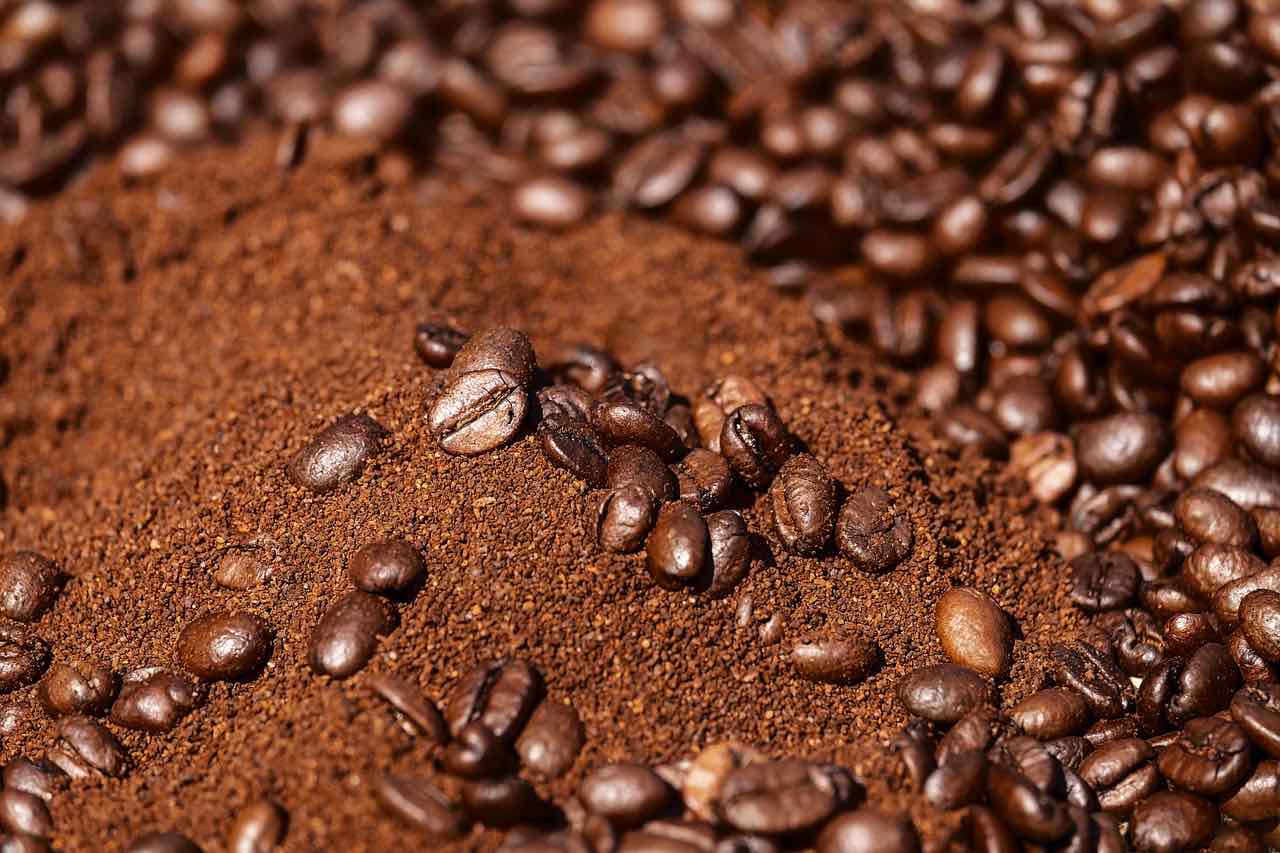
Caffeinated beverages are essential for many humans, but they’re not safe for your furry friend. Caffeine can cause muscle tremors, heart palpitations, and heavy breathing.
What To Feed Your Cat
The digestive system of a feline is not tolerant of most human food, but if you want to supplement your cat’s diet with a few healthy treats, try to serve only bland unseasoned meat, vegetables, or fruit. Although cats are picky about their meals, their taste buds are not as complex or plentiful as humans.
To prevent choking or digestive issues in cats, you can follow these tips:
Now that you know what you can safely feed your cat, it’s just as important to find a bowl that supports their health and well-being. With whisker-friendly bowls and a wide tray to catch any spills, our Hepper NomNom Cat Bowl is our favorite option.

- NO MESS - The 360° tray on this cat food and water bowl set has a raised design to catch and contain stray crumbs and drips. Protect your indoors and floors from wet and messy meals!
- WHISKER FRIENDLY - Shallow and wide metal containers with flat bottoms ensure your kitty can enjoy mealtime free from whisker fatigue!
- CHEW-SAFE MATERIALS - Kittens and cats love chewing on silicone and soft rubber - but it's a choking hazard. Our cat feeding station materials are anti-chew for a 100% safe feeding frenzy!
Final Thoughts
Most salty snacks are not healthy for humans in large quantities, and they can be more harmful to animals that weigh much less. Instead of giving your cat Cheetos or another human snack, serve high-protein treats designed for cats and offer premium cat food for daily meals. Fortunately, cats are not attracted to all salty treats, and you should not have a problem with your pet eating whole bags of junk food if you keep them stored securely in a cabinet or cupboard.
Related Reads:
Featured Image Credit: Giorgio Trovato, Unsplash
Get Hepper In Your Inbox


Pet care tips from our vets and experts, straight to your inbox.
You may opt-out at any time. View our Privacy Policy for more information.
Nicole is a lover of animals of all sizes but is especially fascinated with the feline variety. She’s the proud mom of Baby, a Burmese, and works every day so he can relax in the sunshine or by the fire. She’s always had a cat in her home and has spent countless days with others, observing behaviors and softening up even the grouchiest of the lot. Nicole wants to share her kitty expertise with you so you and your cat can live happy, healthy, and care-free.
Join the conversation
Ask a question, share your story, or send private feedback.