Hepper is reader-supported. When you buy via links on our site, we may earn an affiliate commission at no cost to you. Learn more.
Can Cats Eat Crackers? Vet-Reviewed Facts & Considerations

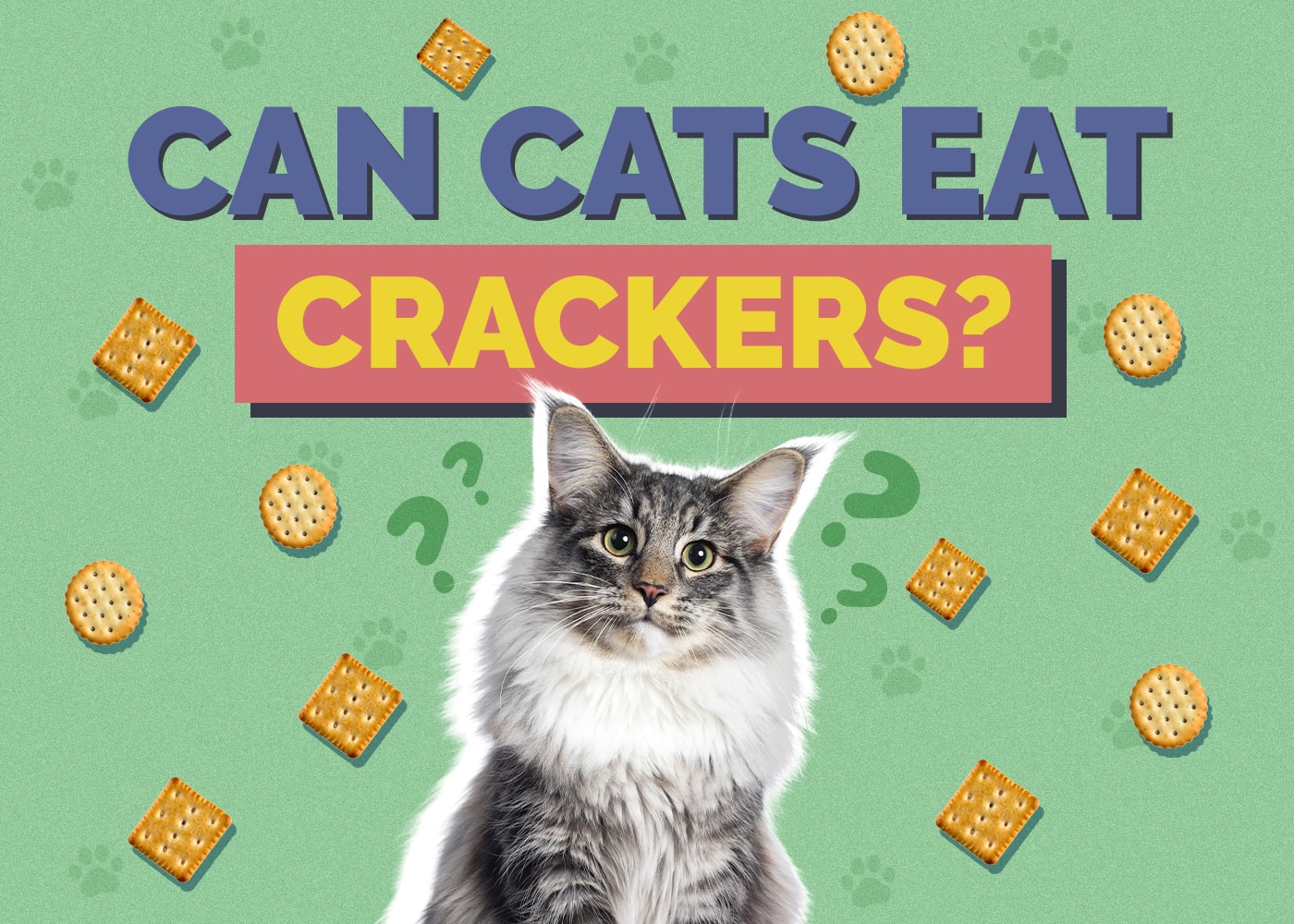
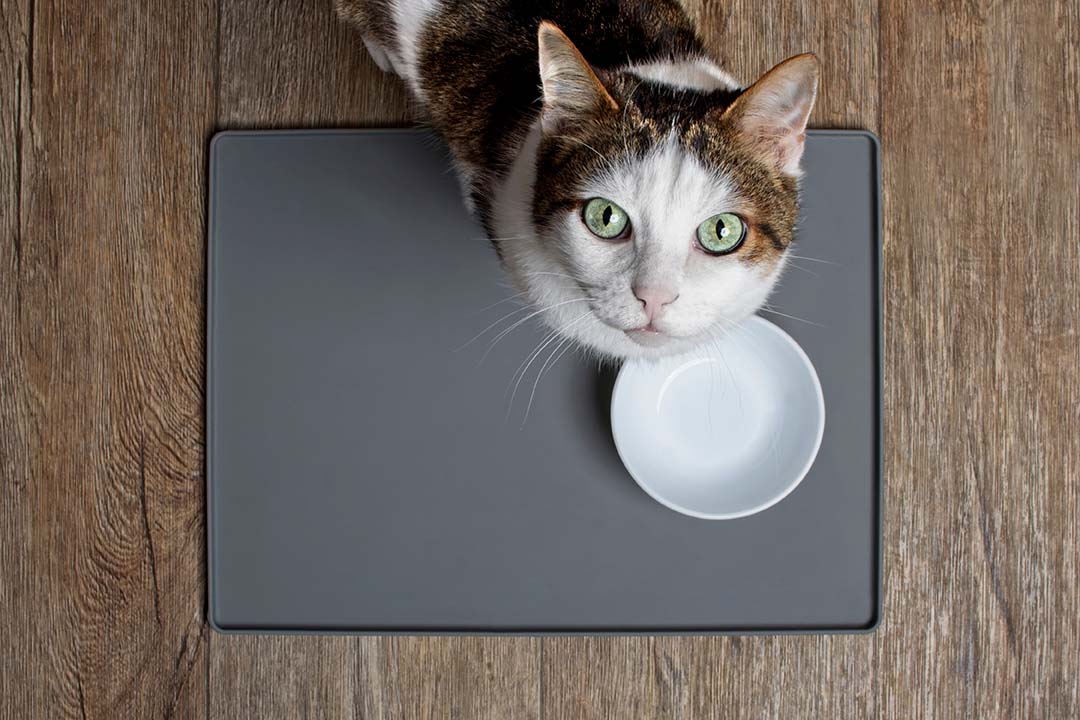
Finding the perfect food for your feline can be challenging, and sometimes, cats seem more interested in human meals than their own. They may not have “puppy dog eyes” that entice us to give in, but soft meows and leg rubbing are their preferred methods of persuasion. When you’re looking for treats that you can enjoy with your pet, you may have wondered, can cats eat crackers? A cat can eat a plain cracker without any adverse effects, but you should avoid giving crackers to your pet as treats.

How Are Crackers Harmful to Cats?
Fat and Carbohydrates
Cats that eat a healthy diet with high-protein wet food receive enough food to satisfy their nutritional requirements, and an excessive number of crackers can result in obesity and digestive issues. Saltine crackers and other types of crackers are mainly a source of carbohydrates that are also high in fat.
Adult cats that spend most of their lives indoors are prone to becoming overweight, and they benefit from eating food that’s high in protein, moderate in healthy fats, and low in carbohydrates. Crackers have the opposite composition; they’re low in protein, high in fat, and high in carbohydrates. Wheat flour and other grain-based ingredients are not harmful to cats, but they’re unnecessary components that could be replaced with healthier choices.
Seasonings
Plain crackers are unhealthy treats, but seasoned crackers can harm your kitty. Onion, garlic, and other spicy ingredients can irritate your cat’s stomach and cause diarrhea and vomiting. Excessive ingestion of onion and garlic can also intoxicate your cat, causing anemia.

The 8 Human Foods Unsafe for Your Cat
A few crackers will not harm a healthy cat, but some of the foods humans enjoy can cause severe illnesses and sometimes death. Our list of unhealthy human foods is based on data from ASPCA’s Poison Control Center, and you can also examine their toxic and non-toxic plant list for detailed descriptions of flora to keep away from your feline.
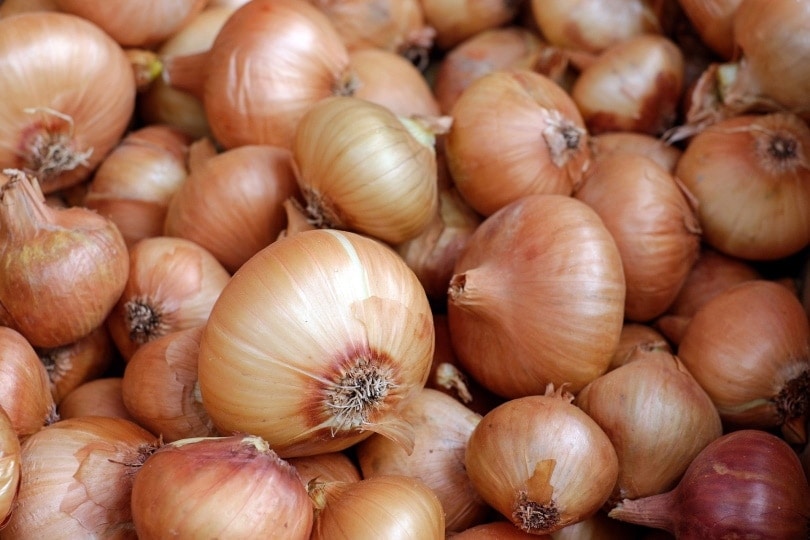
1. Chives, Onions, and Garlic
These vegetables can cause minor stomach irritation in small quantities, but more significant portions can cause anemia and damage red blood cells.
2. Chocolate and Coffee
Coffee and chocolate contain compounds called methylxanthines that are present in cacao seeds. White chocolate has very little methylxanthines, but dark chocolate and baking chocolate have elevated levels of the substance that can cause serious harm. Signs of methylxanthine reactions include panting, diarrhea, vomiting, excessive thirst and urination, abnormal heart rhythm, seizures, tremors, and death.
3. Dairy Products
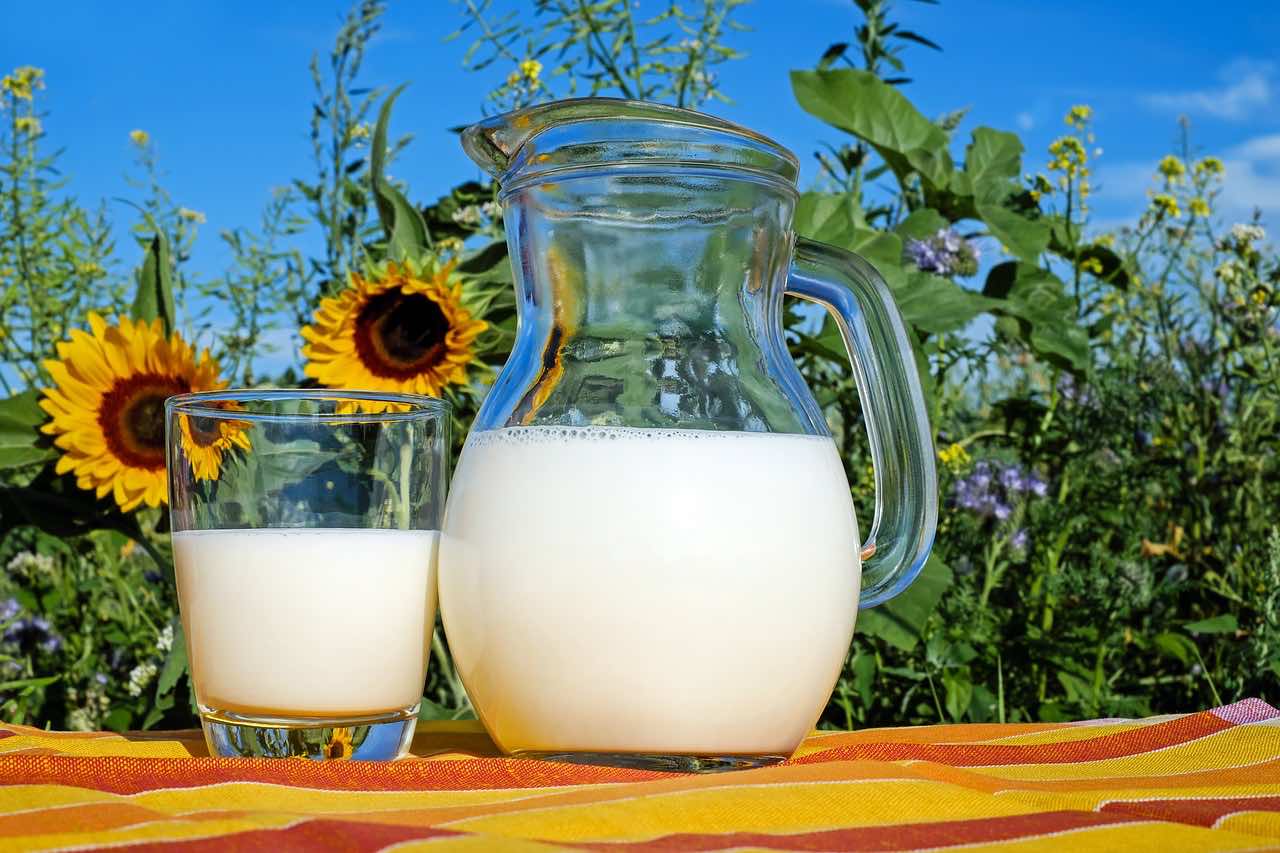
The myth that serving milk to cats is a healthy treat was perpetuated by literature, film, and television programs in the past, but dairy products should not be part of your cat’s diet. Most adult cats cannot digest milk very well because they lack enough lactase to break down the lactose. Cats enjoy the taste of milk and will not refuse it, but it can cause digestive irritation, discomfort, and diarrhea.
4. Xylitol
Baked goods, peanut butter spreads, desserts, and candy sometimes have the sweetener xylitol in their recipes instead of sugar. Xylitol is highly toxic to dogs, and our recommendation is to avoid giving it to felines. Any product with the sweetener should be stored safely away from your pet.
5. Nuts
Although they’re high in protein, nuts are not appropriate treats for your cat. They have elevated levels of fat and oils that can cause diarrhea and vomiting.
6. Raw Meat
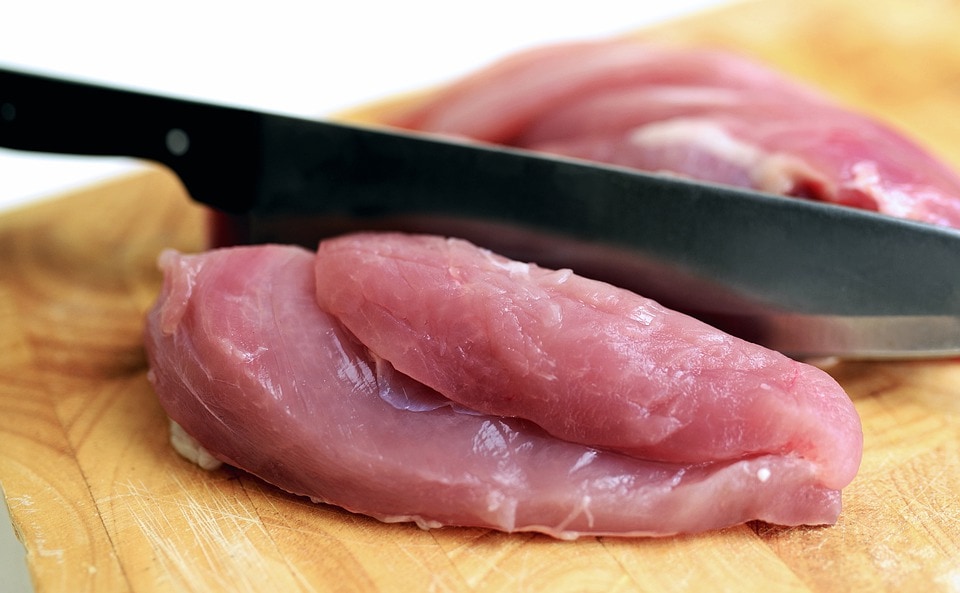
Commercial raw diets, especially those that have been high-pressure processed, are considered safe for cats. However, raw meat that has not been processed can be contaminated with E. coli, Salmonella, or other bacteria. These bacteria can make your cat sick or easily contaminate feeding surfaces and litter boxes.
7. Alcohol
When you’re enjoying libations with family or friends, try to keep your glasses away from your cat. Alcohol can poison your pet and cause diarrhea, vomiting, breathing problems, tremors, metabolic acidosis, elevated blood acidity, central nervous system depression, and death.
8. Avocado
Avocados can be deadly if ingested by birds, horses, and other livestock animals, but the fruit is normally less harmful to cats and dogs. Avocados contain a natural antifungal called persin that is present in the leaves, peel, seed, and unripe fruit pulp. However, the content in the avocado pulp can vary within different genetic variabilities of plants and their maturation states. Moreover, avocado is high in fat and should not be part of your cat’s diet.
Conclusion
Some cats walk away from their food but will leap in your lap when you’re eating a snack. Crackers, chips, and other carbohydrate and fat-based products are not healthy treats for your cat A small piece of saltine cracker gobbled up by your pet probably will not result in a vet visit, but your furball is better off eating protein-rich cat treats than human snacks that are high in carbs, fat, and preservatives. Save your crackers for your family and friends and use protein-based and species-appropriate treats for your cat.
Related Reads:
Featured Image By: Maryia_K-Shutterstock
Get Hepper In Your Inbox


Pet care tips from our vets and experts, straight to your inbox.
You may opt-out at any time. View our Privacy Policy for more information.
Nicole is a lover of animals of all sizes but is especially fascinated with the feline variety. She’s the proud mom of Baby, a Burmese, and works every day so he can relax in the sunshine or by the fire. She’s always had a cat in her home and has spent countless days with others, observing behaviors and softening up even the grouchiest of the lot. Nicole wants to share her kitty expertise with you so you and your cat can live happy, healthy, and care-free.
Join the conversation
Ask a question, share your story, or send private feedback.