Hepper blog

Search our database of over 9,984 posts with up-to-date information from our experts and veterinarians.

Hepper is reader-supported. When you buy via links on our site, we may earn an affiliate commission at no cost to you. Learn more.

Can Cats Eat Cheez-Its? Vet Reviewed Nutritional Guide

By Nicole Cosgrove · Reviewed & fact-checked by Dr. Tabitha HensonVet Approved
Dr. Tabitha Henson
Reviewed & Fact-Checked byDr. Tabitha HensonDVM (Veterinarian)
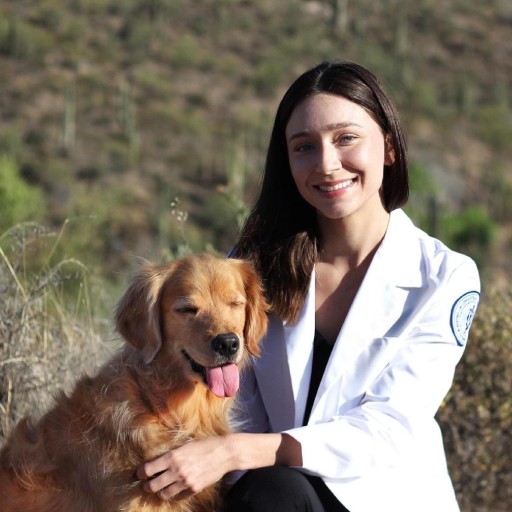
Dr. Tabitha Henson graduated from Midwestern University in 2021. She practices small and occasionally exotic animal medicine. Her clinical interests include internal medicine, dentistry and rehabilitation. She is working on becoming a certified canine rehabilitation practitioner (CCRP). In her free time she enjoys being in nature and spending time with her golden retriever.View authorThe information is current and up-to-date in accordance with the latest veterinarian research. Read about our vets
Share
Ask us a question in the comments
Can Cats Eat cheez-its

Cheez-Its are a delicious and enjoyable snack. The baked crackers with a dusting of cheese are popular for adults and kids alike, but what about cats?

Can cats eat Cheez-Its? While most Cheez-Its varieties don’t contain harmful ingredients, they offer virtually no nutritional value for cats.

Are Cheez-Its Safe for Cats?

Depending on the flavor variety, a few Cheez-Its aren’t likely to hurt your cat unless they suffer from gastrointestinal problems or allergies. It’s essential to check the ingredient list since there are numerous flavors of Cheez-Its on the market.

So, you can give a few Cheez-Its to your cat, but it’s not recommended. Cheez-Its have virtually no nutritional value for cats, so there is no reason a cat should eat them.

Cats are obligate carnivores, and their diet needs to be primarily meat. Cheez-Its have very little protein, and cats don’t need the carbohydrates. In fact, feeding too many can lead to obesity, which can contribute to various health conditions.

There’s also a behavioral concern with feeding your cat Cheez-Its. If your cat gets used to eating human food, they may beg for foods that aren’t safe and reject their commercial food.

cat with eyes close
Image Credit: congerdesign, Pixabay

Cat Nutritional Needs

Cats have specific nutritional needs for optimal health. Unlike dogs, which can survive without meat for short periods, cats need specific nutrients from animal products.

In the wild, cats are hunters and eat a lot of animal protein, moderate animal fat, and minimal carbohydrates. Cats still need that nutritional profile today, which is widely available in the form of commercial cat food.

Commercial cat food provides whole and balanced nutrition in dry, semi-moist, or canned foods. Each food has its pros and cons, however.

  • Dry food contains up to 10% water and uses a kibble with bite-sized pieces. It will likely have meat or meat by-products, grain, fish meal, milk products, fiber sources, and vitamin and mineral supplements. Dry food often has a coating for flavor, such as freeze-dried raw meat or animal fat. Depending on the quality, dry food can be inexpensive and stored for long periods. However, some cats don’t like dry food as semi-moist and wet food, and many owners need to combine dry and moist varieties.
  • Semi-moist food contains up to 35% water and uses meat and meat by-products as the first ingredients. It may also use grain, cereal, soy, peas, preservatives, vegetables, and fruits for nutrients. Most semi-moist food contains preservatives to preserve shelf life, though it must be used after it’s opened. Many cats prefer semi-moist foods.
  • Canned food is a popular option that contains at least 75% water to support hydration levels. Most canned food contains meats, meat by-products, and animal organ meat, though the nutrition may be incomplete. It’s essential to check the label and supplement it with semi-moist or dry food appropriately. While canned food is more expensive than the other options, it’s the most enjoyable for cats. Canned food can last long if unopened but must be used quickly after opening to avoid becoming rancid.

Regardless of the type, commercial cat food should be AAFCO-approved, meaning it passes or exceeds the standards of the Association of American Feed Control Officials (AAFCO). The organization uses a Feline Nutrition Expert (FNE) to establish guidelines for commercial cat food.

Keep in mind that cats need different nutrition throughout their life stages. Kittens need appropriate kitten food, adults need adult food, and senior cats should have senior-specific food. Pregnant and nursing cats may need additional nutrition. Some cat food formulas are specific to life stages, while others are appropriate for all life stages and suitable for multi-cat households.

While creating a homemade diet for your cat may be tempting, it’s challenging to get all the nutritional components right. Cat owners should use nutritionally complete commercial cat food to ensure their cats get whole and balanced nutrition or seek dietary consultation from a board-certified veterinary nutritionist. Prolonged nutritional deficiencies can result in health problems.

Now that you know what you can safely feed your cat, it’s just as important to find a bowl that supports their health and well-being. With whisker-friendly bowls and a wide tray to catch any spills, our Hepper NomNom Cat Bowl is our favorite option.

Our recommendation
Hepper NomNom - Spill Proof Elevated Cat Bowl
  • NO MESS - The 360° tray on this cat food and water bowl set has a raised design to catch and contain stray crumbs and drips. Protect your indoors and floors from wet and messy meals!
  • WHISKER FRIENDLY - Shallow and wide metal containers with flat bottoms ensure your kitty can enjoy mealtime free from whisker fatigue!
  • CHEW-SAFE MATERIALS - Kittens and cats love chewing on silicone and soft rubber - but it's a choking hazard. Our cat feeding station materials are anti-chew for a 100% safe feeding frenzy!

Conclusion

Cats can be finicky about their food, so it may be tempting to give them human food they’re interested in. Cheez-Its may tempt cats due to the smell of the cheese and protein, but they’re not healthy treats. While a few pieces won’t hurt, cats get little to no nutritional value from eating Cheez-Its.

Related Reads:


Featured Image Credit: Pixabay

Get Hepper In Your Inbox

Pet care tips from our vets and experts, straight to your inbox.

List

Select all that apply.

You may opt-out at any time. View our Privacy Policy for more information.

Nicole Cosgrove
Authored by

Nicole Cosgrove

Join the conversation

Ask a question, share your story, or send private feedback.
Rate this post
Required to post. Only our editors see your rating.
Who should see this?

A human reviews every comment before it appears. Your email is never published.

Picked to go with this article

Can Cats Eat Cheetos? What You Need to Know!

Can Cats Eat Cheetos? What You Need to Know!

Cats are silent predators that enjoy the thrill of hunting, but house cats are limited in their prospects for lively prey. However, your cat may substitute a s…

Nicole Cosgrove
By Nicole Cosgrove ·
Can Dogs Eat Cheez-Its? Vet-Approved Health & Safety Facts

Can Dogs Eat Cheez-Its? Vet-Approved Health & Safety Facts

Most dogs seem to have an innate sense for knowing when we’re about to crack open the snacks, and of course, they want to be involved! Whether it’s a Super Bow…

Nicole Cosgrove
By Nicole Cosgrove ·
Can Cats Eat Crackers? Vet-Reviewed Facts & Considerations

Can Cats Eat Crackers? Vet-Reviewed Facts & Considerations

Finding the perfect food for your feline can be challenging, and sometimes, cats seem more interested in human meals than their own. They may not have “puppy d…

Nicole Cosgrove
By Nicole Cosgrove ·
Can Cats Eat Cheese Puffs? Vet-Approved Facts & FAQ

Can Cats Eat Cheese Puffs? Vet-Approved Facts & FAQ

Many cats are curious and want to try the same snacks that humans enjoy. It is common for house cats to develop a taste for cheese puffs because of their savor…

Jessica Kim
By Jessica Kim ·

Keep reading

More stories you might like

Can Cats Eat Doritos? Nutritional Facts & Safety Guide

Doritos have become an incredibly popular snack food. Their cheesy, crunchy goodness is delicious but also tempts a few cats to want to take a bite for themsel…

Hallie Ballard
By Hallie Ballard ·
Can Cats Eat Doritos? Nutritional Facts & Safety Guide

Can Cats Eat Ritz Crackers? Vet-Verified Risks & FAQ

Cats are obligate carnivores that have evolved to tolerate other things in their diet due to domestication. But just how much human food can they eat? The trut…

Ashley Bates
By Ashley Bates ·
Can Cats Eat Ritz Crackers? Vet-Verified Risks & FAQ

Can Cats Eat Saltines? Vet Reviewed Facts & Info

Many cat owners like to give their cats a wide variety of treats to keep things interesting. Although saltine crackers might have a crunchy texture similar to…

Oliver Jones
By Oliver Jones ·
Can Cats Eat Saltines? Vet Reviewed Facts & Info

Can Cats Eat Pringles? Vet-Reviewed Risks & Nutrition Facts

While Pringles potato chips are crisp, thin, and make the perfect snack when you’re curled up on the couch watching Netflix, should you really share Pringles w…

Nicole Cosgrove
By Nicole Cosgrove ·
Can Cats Eat Pringles? Vet-Reviewed Risks & Nutrition Facts

Can Cats Eat Goldfish Crackers? Vet Approved Facts & Safety Guide

Cats can be finicky when it comes to food. Some cats may show interest in human food, and some couldn’t care less about what their human is eating. Cats are ob…

Rachel Giordano
By Rachel Giordano ·
Can Cats Eat Goldfish Crackers? Vet Approved Facts & Safety Guide

Can Cats Eat Fritos? Vet-Reviewed Nutritional Facts & Risks

When you look at Fritos’ short ingredient list, you may think that they’re safe for cats to eat because they only contain corn, vegetable oil, and salt. Techni…

Jessica Kim
By Jessica Kim ·
Can Cats Eat Fritos? Vet-Reviewed Nutritional Facts & Risks

Can Cats Eat Pretzels? Nutrition Facts & FAQ

The savory, salty taste of pretzels, on top of the enticing aroma, is irresistible to some pet cats, and it isn’t uncommon for your curious kittens to want to…

Hallie Ballard
By Hallie Ballard ·
Can Cats Eat Pretzels? Nutrition Facts & FAQ

Can Cats Eat Cheerios? Vet-Reviewed Feeding Facts

Pouring yourself a big bowl of Cheerios with milk is a classic breakfast for many Americans. Each bite is sweet while still being a somewhat healthy option for…

Hallie Ballard
By Hallie Ballard ·
Can Cats Eat Cheerios? Vet-Reviewed Feeding Facts