Hepper is reader-supported. When you buy via links on our site, we may earn an affiliate commission at no cost to you. Learn more.
6 Foods Toxic to Cats: Vet-Verified Info & Treatment Options


In this article
As a cat owner, you want to provide your feline with the best care and nutrition possible. Unfortunately, some of the foods we humans enjoy and consume on a daily basis can actually be potentially toxic for our cats. Knowing which foods to keep away from your cat is essential for their safety and health. This list will provide you with a comprehensive list of the foods that are dangerous for cats, as well as some suggestions on how to keep your cat healthy and far away from poisonous foods.

The 6 Foods Toxic to Cats
1. Alcohol

Cats should never be given alcohol under any circumstances. It is highly dangerous and can cause serious health issues for cats. In addition, alcohol has a much larger effect on cats than it does on humans due to their smaller size, meaning that even a small amount of alcohol can be toxic to cats. Alcohol poisoning can occur when a cat ingests just 1 teaspoon of alcohol. Remember that as well as alcoholic beverages, there is alcohol in some cleaning products, mouthwash and hand sanitiser. Also as cats are fastidious groomers, make sure there is no alcohol on their fur or paws from any of these items.
On the mild side alcohol can cause an upset stomach but it can also cause nausea, vomiting, depression, disorientation, difficulty breathing, and even seizures.
2. Onions, Garlic, and Chives
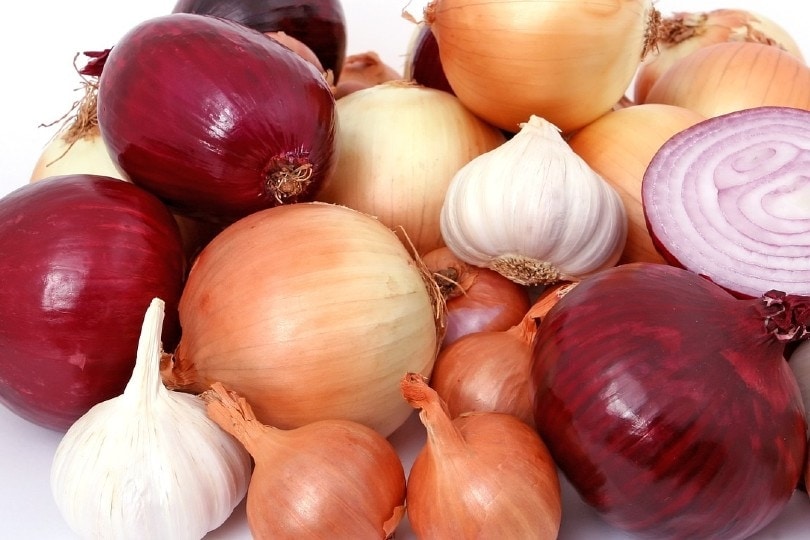
Onions, chives, and garlic are popular ingredients that are regularly used in cooking, but cats should not be given these foods. Onions, chives, and garlic are all members of the Allium family, which are toxic to cats due to chemicals found in the plant.
It’s best to avoid feeding these foods to cats altogether. In addition, other foods that are in the Allium family, such as scallions and leeks, should also be avoided. While cats may not be able to taste the difference between these foods, their bodies aren't able to process them properly, which can lead to toxicity. Allium poisoning symptoms may develop within a few days or even several days depending on how much was consumed. Common symptoms include vomiting, nausea, abdominal distress, anemia, and loss of appetite.
3. Chocolate and Caffeinated Products
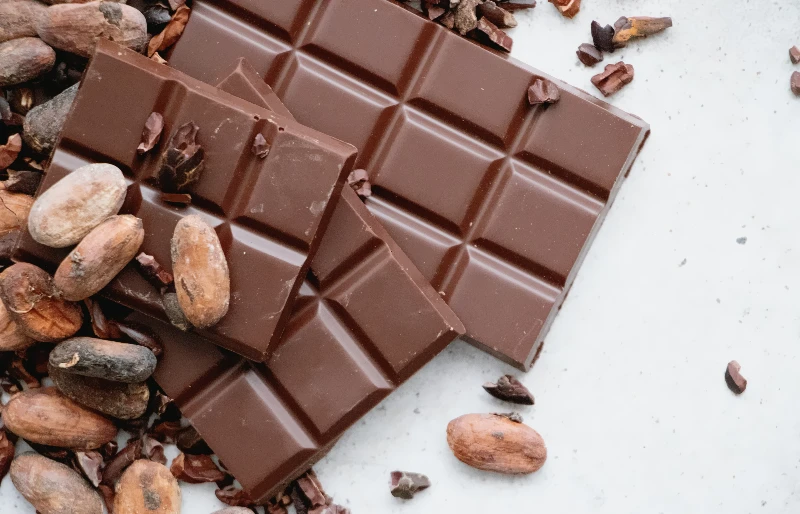
You may be surprised to learn that research shows that cocoa products are the most common food items that cause poisoning in pets. Chocolate poisoning can cause anything from mild illness such as stomach upset to more severe illness such as seizures, tummy aches, and even death. Chocolate contains theobromine, the toxic compound, as well as caffeine. These compounds can alter cell processes and overstimulate both the heart muscles and the central nervous system of cats (and dogs). Ingestion of toxic amounts can cause vomiting, diarrhea, hyperactivity, an increased heart rate, tremors, seizures, and can even be fatal if not treated promptly. Other products containing high amounts of caffeine, such as coffee, should also be avoided.
4. Grapes & Raisins
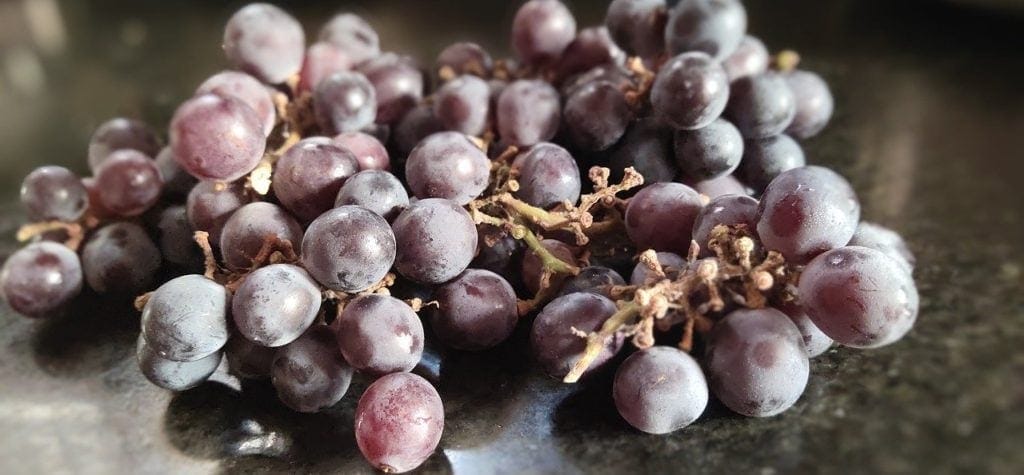
Grapes and raisins are well known to be toxic to dogs and there are anecdotal reports of cats being affected as well. The exact mechanism of the toxicity is unknown but in some cases even ingestion of small amounts can cause kidney failure. It is best to keep both grapes and raisins well out of your cat's way.
5. Salty Food and Snacks
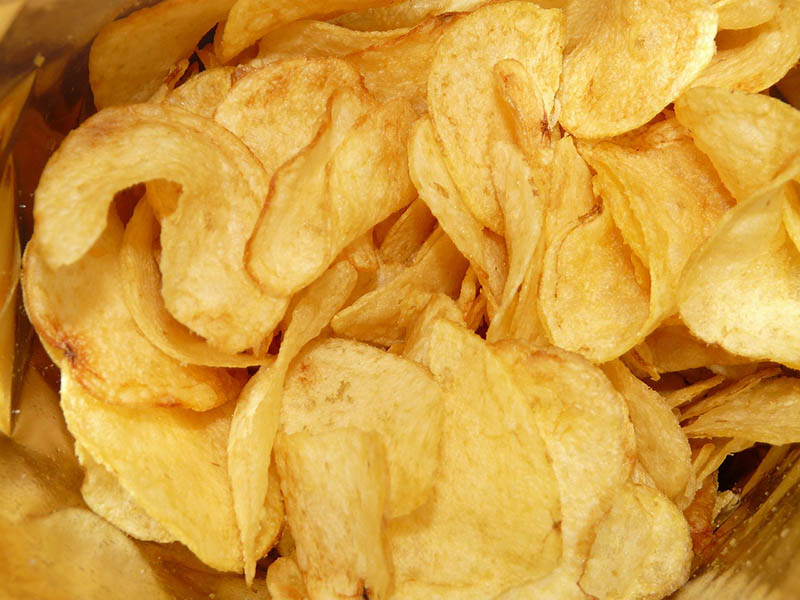
It’s best to avoid salty foods, such as corned beef or other cured meats, as well as salty snacks such as popcorn, potato chips, and pretzels, among others. Consuming excessive amounts of salt, or sodium, can lead to illness and can even lead to death from salt toxicity if large amounts are ingested. Some signs of consuming too much salt include vomiting and diarrhea, but they can be more severe and include things such as tremors, depression and seizures.
6. Milk
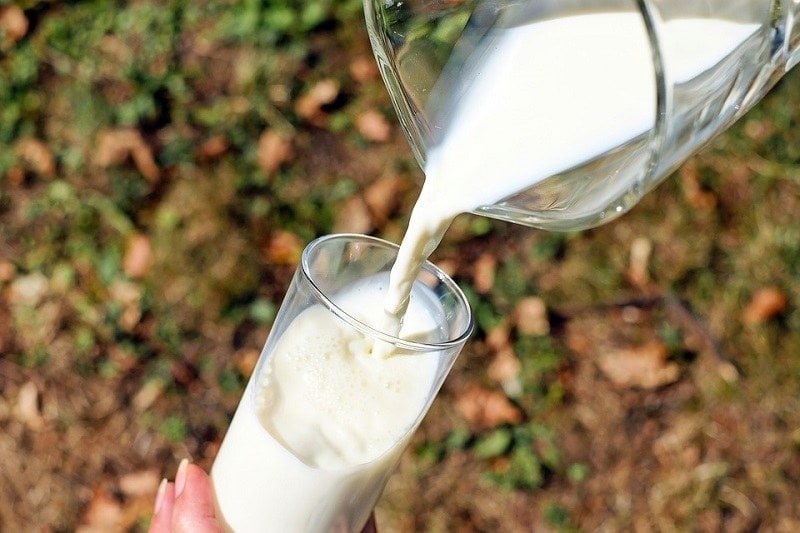
Finally, although not technically toxic, it is worth mentioning milk and dairy products. Most cats are lactose intolerant meaning they don’t have the lactase enzyme to digest the lactose sugar in milks. They can get vomiting , diarrhea and stomach pain from drinking it. Some cats are more tolerant of small amounts of milk but it’s generally best avoided.
Also Worth Mentioning… Houseplants
Though houseplants are not technically a food, some inquisitive cats don't see it that way and may be inclined to munch on them once they take a sniff. Some plants can be particularly dangerous for cats, as many of them contain toxins that can make cats ill or even prove fatal if eaten. That being stated, it helps to know what common houseplants are also poisonous to cats.
Lilies are especially toxic to cats. Eating just a small amount of any part of the plant including the leaves, flowers or even licking some pollen that has brushed onto their fur, can cause serious kidney damage and can even be fatal.
Other common houseplants such as monstera, philodendron, dieffenbachia, croton, ficus, and around Christmas, poinsettias, are also toxic to cats. You can see a full list of plants that are toxic to cats here.
What to Do if Your Cat Ingests a Toxic Food
If your cat ingests food that is toxic to them, it's important to act quickly to ensure their safety. The first thing you should do is call your veterinarian or the pet poison control helpline, as they'll be able to advise you on what to do. Additionally, it's critical to keep an eye on your cat and watch for any signs of poisoning. If your cat is vomiting or having trouble breathing, be sure to seek medical attention as soon as possible.
You should note the type of food (and approximate amount) your cat ingested. If you can determine what type of food and how much your cat ingested, it can help your veterinarian determine the best course of action.
Common Ways Veterinarians Treat Cat Poisoning
Once the cat's condition and source of poison has been assessed, the vet can administer proper treatments. Your vet will take into account what type of toxin your cat has come into contact with and how much, when it was ingested and the signs they are showing. In severe cases, the cat may need to be hospitalized to receive intravenous fluids and other supportive treatments.
Wrapping Things Up
Cats are known for their curiosity and impulsive behavior, and although perhaps less likely than our canine companions to eat things they shouldn’t, it does happen. So it's crucial to first be aware of the foods and plants that are toxic to cats and keep them out of reach and out of their cat bowls. That way, you can reduce the risks of your cat suffering from an accidental poisoning or digestive upset. Be sure to watch for any signs of poisoning and take your cat to the vet if you notice any changes in their behavior.
Sources
Featured Image Credit: Kolomenskaya Kseniya, Shutterstock
Get Hepper In Your Inbox


Pet care tips from our vets and experts, straight to your inbox.
You may opt-out at any time. View our Privacy Policy for more information.
Oliver (Ollie) Jones is a zoologist turned freelance animal writer living in South Australia with his partner Alex and their mini zoo consisting of many aquatic creatures, dog Pepper, and of course, cat Steve. Ollie is originally from the USA and holds a Master's degree in wildlife biology. He hopes to share his feline knowledge and expertise with people so they can share in his passion and help their cats live their best lives.
Join the conversation
Ask a question, share your story, or send private feedback.