Hepper is reader-supported. When you buy via links on our site, we may earn an affiliate commission at no cost to you. Learn more.
Can Cats Eat Edamame? Vet Reviewed Nutritional Facts & Safety Guide


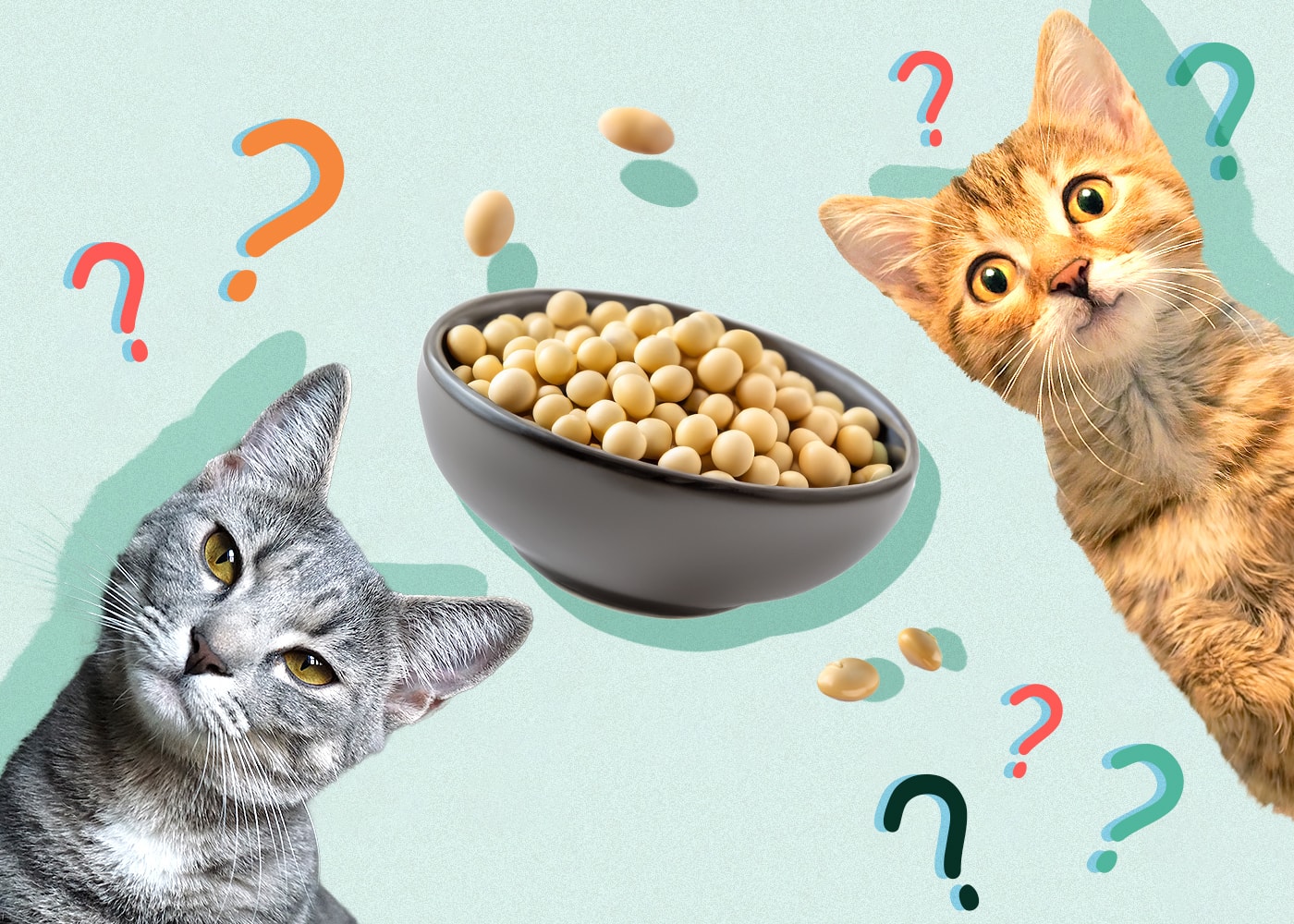
Edamame beans are popular in Asian cuisine and come in many preparations, including raw, fried, baked, and more. These beans are popular in many diets because they’re nutrient-dense and filling.
Your pet may be interested in sampling your meal, but can cats eat edamame? Yes, cats can eat edamame without a risk of toxicity, but they’re not a good choice as a regular part of a cat’s diet.

What Is Edamame?
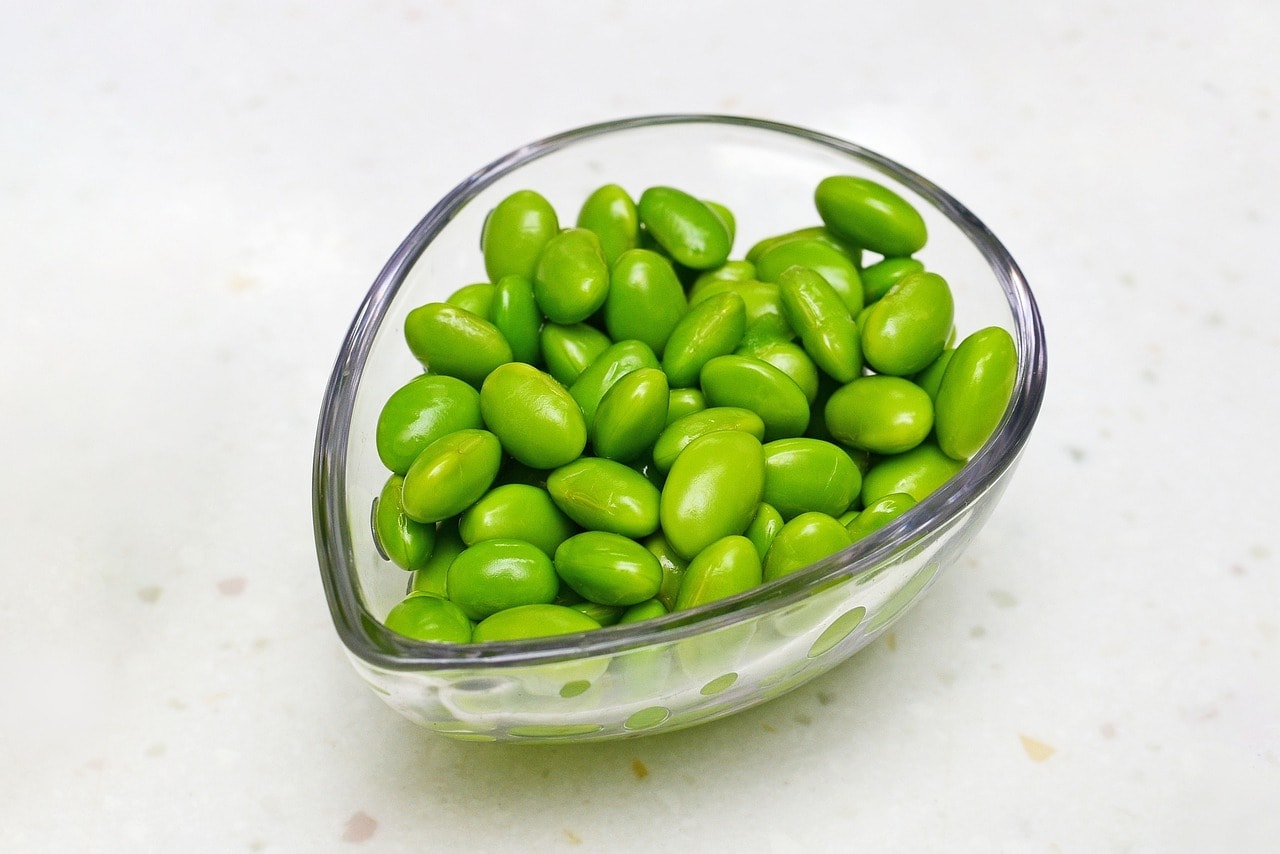
Edamame is simply soybeans that haven’t ripened yet. They’re common in East Asian cuisine but gained popularity all over the world for health benefits. They may also have different names in different parts of the world.
These beans are typically green and sold in their pods, then prepared several ways or used as an ingredient in other dishes, such as hummus.
One of the reasons for edamame’s popularity is its health benefits. The bean is a whole protein source with all nine essential amino acids. It’s also high in minerals like calcium and magnesium but low in sugar.
Edamame Benefits for Cats
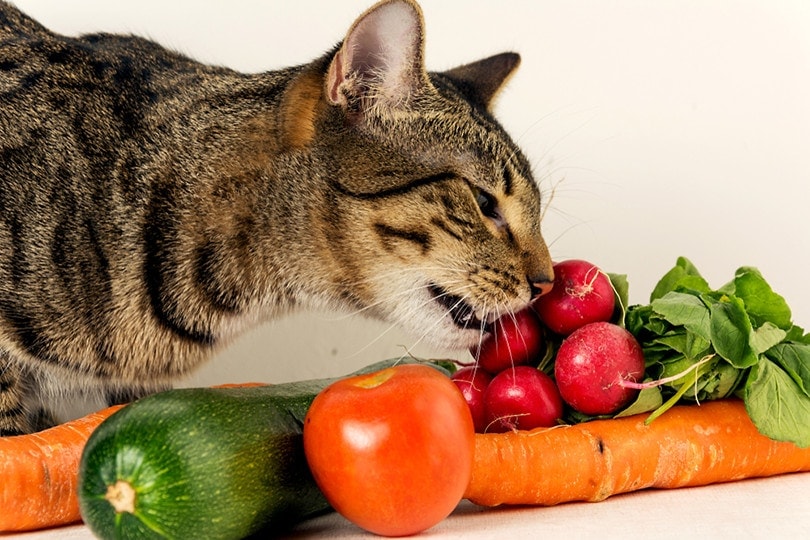
While edamame shouldn’t be considered part of your cat’s daily nutrition, it has many benefits as a snack in small quantities. Cats need protein-rich food with all the essential amino acids, so edamame offers a good dose of extra protein.
The minerals and nutrients in edamame are also beneficial to cats:
With its nutritional benefits, edamame is a good choice for a rare treat for your cat, but there are some things to consider.
Precautions for Feeding Edamame to Cats
If you choose to feed edamame to your cat, start small to ensure your cat doesn’t have an allergic reaction or digestive upset. If the edamame is well tolerated, you can feed it again in the future.
The nutritional benefits of edamame make it a healthy treat, but it needs to be exactly that – a treat. Cats have specialized nutritional requirements that are met through commercial cat food. If you try to replace some of your cat’s regular diet with edamame, it will miss vital nutrients and develop health problems.
To start, cats are obligate carnivores and need animal protein sources to survive. The extra protein in edamame doesn’t hurt, but it’s not a replacement for your cat’s protein-rich cat food.
Edamame is also high in fiber, which is great for keeping your cat’s digestive system moving along smoothly. However, large amounts of edamame can have the opposite effect and may lead to gas, bloating, diarrhea, or constipation.

How to Feed Edamame
The versatility of edamame is a big part of its appeal for human diets, but that’s not appropriate for your cat. Stick to small portions without a lot of creative cooking and preparation methods. Never feed your cat edamame that you’ve prepared with other foods.
Edamame should be given plain with no seasonings, salt, or spices. If possible, choose fresh or frozen edamame without any added ingredients. Avoid frying edamame for your cat or preparing it with other high-fat methods.
You can take edamame out of the shell as a food topper or solo treat. Don’t feed the whole edamame bean with the shell, however, because it can be a choking hazard or may lead to digestive problems.

Are Soybeans Safe for Cats?
If edamame is an immature soybean, then a soybean should be fine for a cat. This isn’t the case, however, since maturity makes all the difference.
Edamame beans are classified as green vegetables, while soybeans are classified as legumes. They not only have different nutritional profiles, but they may have different effects on your cat. Your cat could be allergic to soybeans but not edamame, and soy always must be cooked.
Though soybeans aren’t toxic to your cat, it’s better to stick with edamame and avoid soybeans altogether. Soy may be used in commercial cat food, but it undergoes extensive processing for digestibility. Raw soybeans may be hard on your cat’s stomach and difficult to digest, negating the possible benefits. Soybeans should be avoided in cats with hyperthyroidism.
If you’re set on feeding soybeans to your cat, make sure they’re cooked. Otherwise, follow the same guidelines as edamame and start slow, feed in small portions, and make it an occasional treat and not a regular part of the diet.
Now that you know what you can safely feed your cat, it’s just as important to find a bowl that supports their health and well-being. With whisker-friendly bowls and a wide tray to catch any spills, our Hepper NomNom Cat Bowl is our favorite option.

- NO MESS - The 360° tray on this cat food and water bowl set has a raised design to catch and contain stray crumbs and drips. Protect your indoors and floors from wet and messy meals!
- WHISKER FRIENDLY - Shallow and wide metal containers with flat bottoms ensure your kitty can enjoy mealtime free from whisker fatigue!
- CHEW-SAFE MATERIALS - Kittens and cats love chewing on silicone and soft rubber - but it's a choking hazard. Our cat feeding station materials are anti-chew for a 100% safe feeding frenzy!
Final Thoughts
Edamame is a popular food that you can give your cat as a treat with some added health benefits, including protein and minerals. While edamame may be better than junk food as a treat, it should be given only on occasion and never as a substitute for species-appropriate and balanced commercial food.
Related Reads:
Featured Image Credit: u_9vstifjx, Pixabay
Get Hepper In Your Inbox


Pet care tips from our vets and experts, straight to your inbox.
You may opt-out at any time. View our Privacy Policy for more information.
Nicole is a lover of animals of all sizes but is especially fascinated with the feline variety. She’s the proud mom of Baby, a Burmese, and works every day so he can relax in the sunshine or by the fire. She’s always had a cat in her home and has spent countless days with others, observing behaviors and softening up even the grouchiest of the lot. Nicole wants to share her kitty expertise with you so you and your cat can live happy, healthy, and care-free.
Join the conversation
Ask a question, share your story, or send private feedback.