Hepper is reader-supported. When you buy via links on our site, we may earn an affiliate commission at no cost to you. Learn more.
Can Cats Eat Bok Choy? Vet-Reviewed Risks & Benefits Explained

In this article
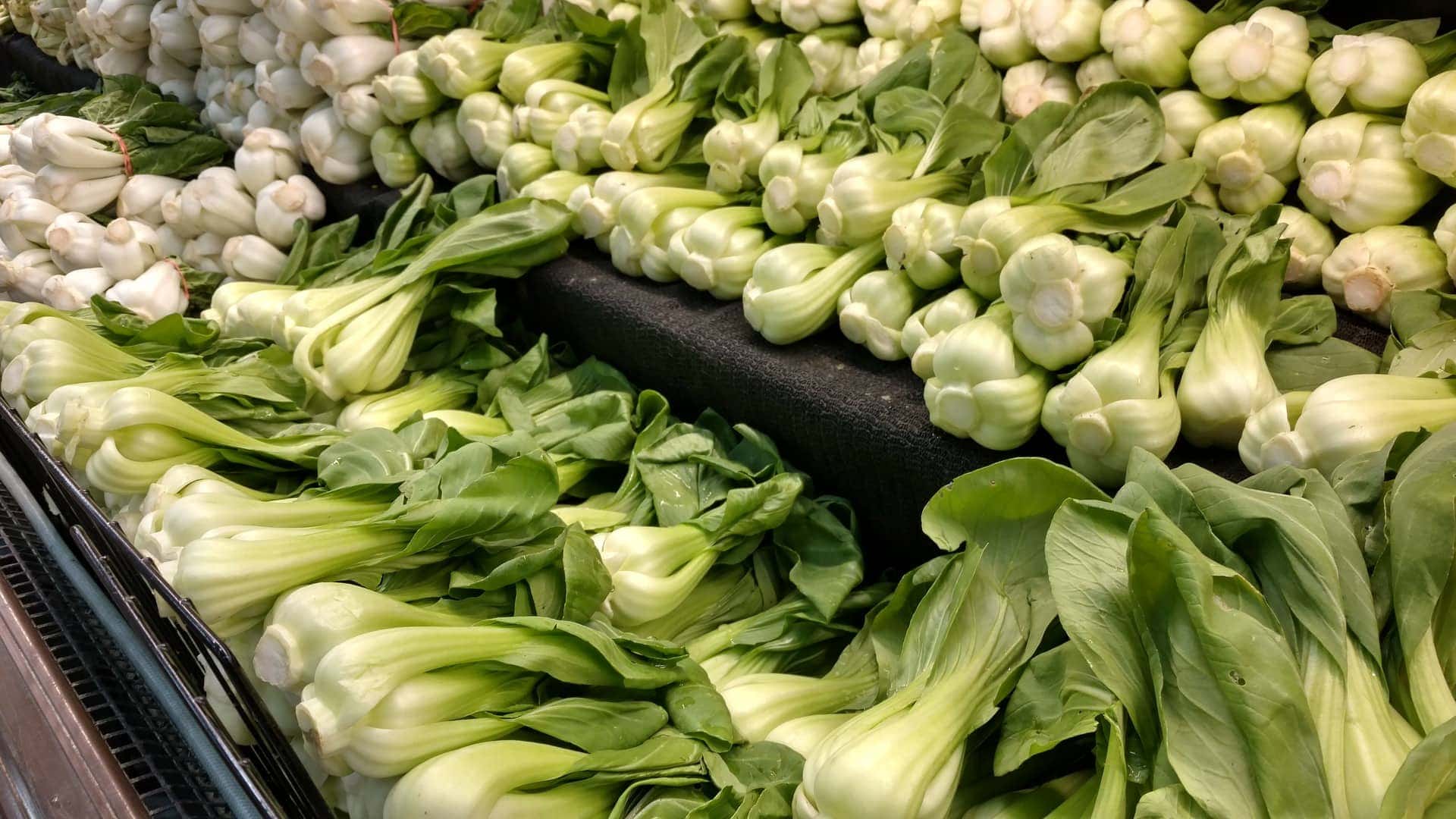
Most cat parents have gotten up from their dinner only to come back and find their cat face-first in their meal, leaving you scrambling to find out if what you were eating is toxic to your cat. Luckily, bok choy is non-toxic to cats. Cats may turn their noses up to it initially, and it may take some getting used to since bok choy is generally bitter, but this leafy green does contain nutrients that our cats use to live long, healthy lives.

What Should Cats Be Eating?
As obligate carnivores, cats need to eat a diet mainly composed of animal proteins. In the wild, cats usually eat 90% or more animal proteins from the creatures they hunt. Cats will consume all parts of the animals they hunt, including the bones. This process provides them with all the nutrients they need to survive.
However, the remaining portions of their diet can be made up of plant material foraged and ingested in the stomach of their prey.
Cats lack salivary amylase and have low levels of intestinal amylase compared to omnivores and herbivores, which is used to break down plant material starches into sugars. They can’t derive the same total nutrients that humans and dogs do when they eat plants; their nutrients come primarily from animal proteins because of this.
That doesn’t mean that the nutrients are entirely lost, though. Cats need many nutrients that they cannot get from animal proteins. Fiber is a necessary nutrient that plant matter is particularly dense in. Cats don’t usually have a considerable amount of fiber in their diet. However, this nutrient can help with proper digestion. It is believed that animal fiber such as hair or fur usually provides this function in whole prey diets in nature.
Benefits of Feeding Your Cat Bok Choy
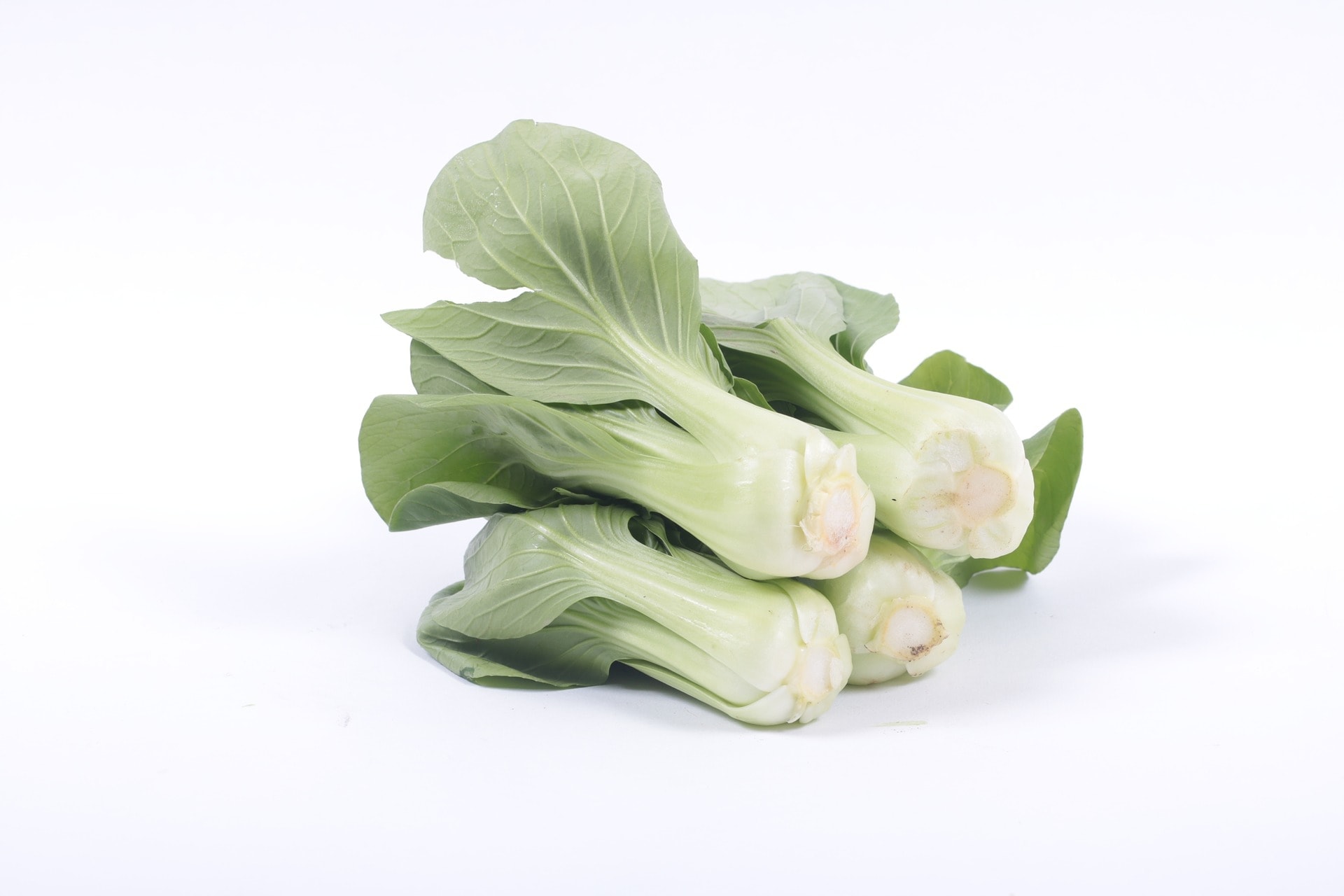
Bok choy is a fantastic source of nutrients for cats. This dark leafy green is packed with vitamins A, C, and K, calcium, and potassium. Additionally, this vegetable has a low caloric content, so it can help fill up your cat’s belly and keep them from gaining too much weight.
However, as we mentioned above, bok choy is very bitter, and cats may turn their nose up at it when first offered.
Risks of Feeding Your Cat Bok Choy
Bok choy can cause your cat to have gas, making them uncomfortable. Additionally, it is a cruciferous green, so if your cat has any issues with its thyroid, you’ll want to skip putting this veggie on its plate.
Other Vegetables You Can Feed Your Cat
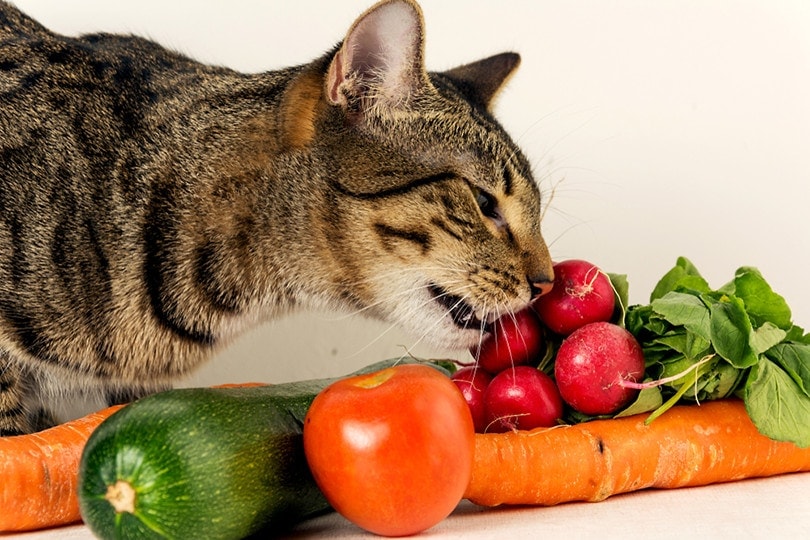
Bok choy isn’t the only veggie you can offer to your cat. Many veggies can adorn your cat’s meals that provide health benefits if your cat eats them. Because cats are naturally carnivorous, they may first look at you like, “What the hell is this?” However, with enough coaxing, you should be able to get your cats eating some veggies if they need the nutrients.
Green Beans
Green beans are an excellent option for pet parents who want to feed their cats some veggies. There are no inherent risks to your cat ingesting green beans, and they’re a great source of vitamins A, K, and C, as well as fiber and folates!

Bell Peppers
Make sure you remove the stem before serving these since it can be a choking hazard for animals. However, bell peppers also pose no inherent risk to your cat in terms of toxicity. They’re a fantastic source of fiber, beta-carotene, and antioxidants.
Zucchini
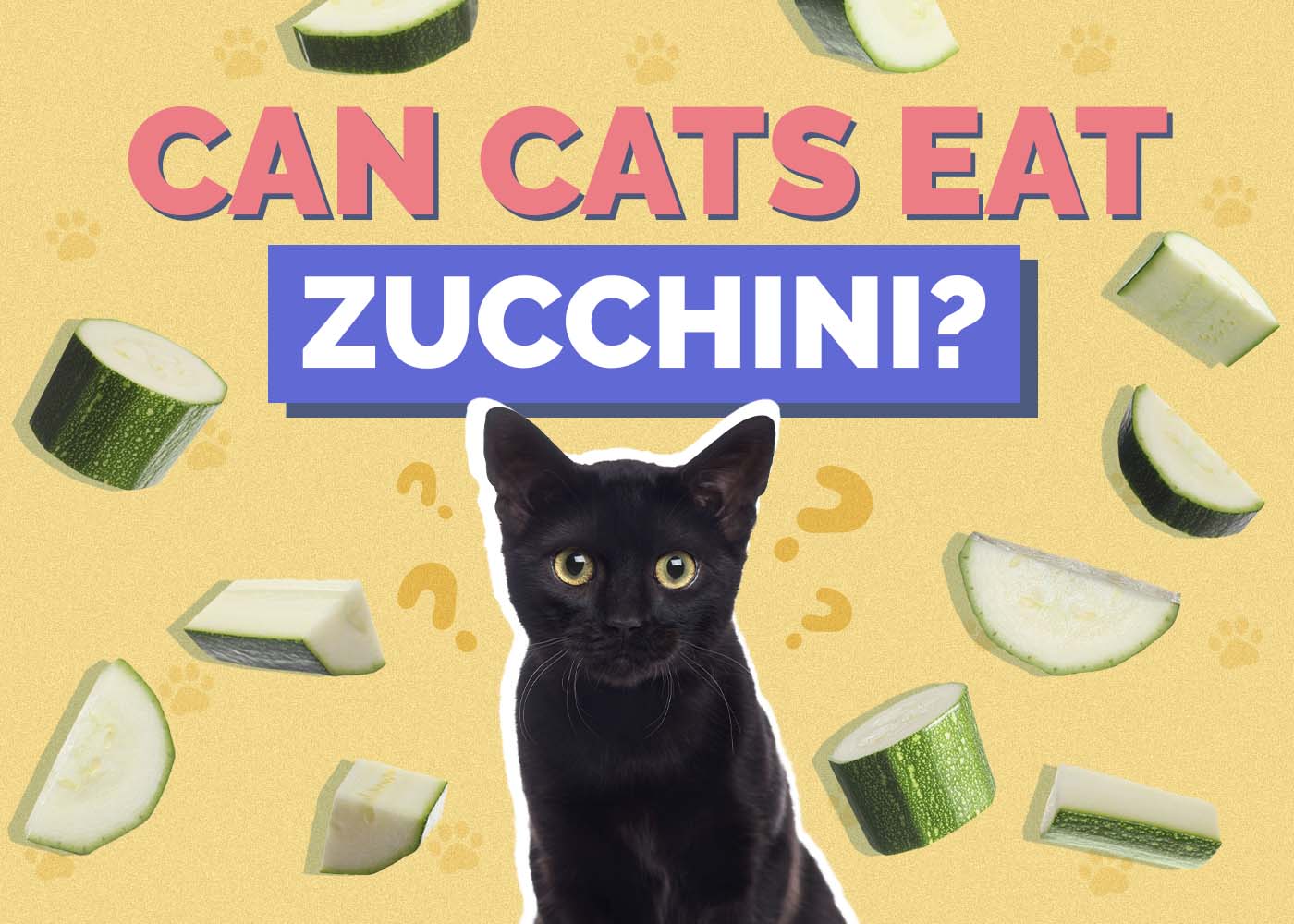
Zucchini will need to be peeled, chopped, and have the seeds removed before serving to cats, but this veggie is an excellent source of fiber, vitamins, and minerals. It’s also a low-calorie snack, so your cat can indulge without worrying about gaining weight.

Dark Lettuce
While iceberg lettuce can cause your cat to have runny diarrhea, dark lettuce, like romaine lettuce, can be a good source of fiber. Lettuce also adds water to your cat’s diet; something cats often need help with!
Cats don’t normally drink much water; they usually get water from their food. However, in captivity, cats can often forget to drink enough water. So, if they’re not getting enough water from their food, they can suffer from dehydration. Dark lettuce is a great way to get some water into your cat’s diet.
Vegetables That Are Dangerous for Cats
Not all veggies are suitable for cats; some are inherently toxic and should never be fed. Garlic, onions, scallions, chives, leeks, and shallots can cause gastrointestinal irritation and damage your cat’s red blood cells. Cats are particularly susceptible to toxicity from these veggies, and you should avoid your cat getting into them at all.
All nightshade plants, such as eggplants and tomatoes, and avocados, are also inherently toxic for cats.
Truthfully, more of the veggies we commonly eat are toxic than non-toxic when it comes to cats. It makes sense since they’re only biologically intended to break down animal proteins. Unless you know for sure that the veggies you’re feeding your cat are safe for them, it’s best to avoid giving any scraps to your cat.
Now that you know what you can safely feed your cat, it’s just as important to find a bowl that supports their health and well-being. With whisker-friendly bowls and a wide tray to catch any spills, our Hepper NomNom Cat Bowl is our favorite option.

- NO MESS - The 360° tray on this cat food and water bowl set has a raised design to catch and contain stray crumbs and drips. Protect your indoors and floors from wet and messy meals!
- WHISKER FRIENDLY - Shallow and wide metal containers with flat bottoms ensure your kitty can enjoy mealtime free from whisker fatigue!
- CHEW-SAFE MATERIALS - Kittens and cats love chewing on silicone and soft rubber - but it's a choking hazard. Our cat feeding station materials are anti-chew for a 100% safe feeding frenzy!
Final Thoughts
Cats are curious about everything around them, and vegetables aren’t excluded from their inquisitive natures. There are plenty of safe veggies that you can feed your cat if they want to see how the other side of the animal kingdom lives, but be careful since many of the things we would usually provide ourselves can be toxic when ingested by cats. It’s our job as their owners to make sure that our cats are being fed healthy foods that are safe for them.
As always, if you are unsure of what your cat has ingested or are worried about its health, the best course of action is to contact your veterinarian. Even if the main part of the food is safe for them, it may have been cooked with something toxic, and your cat may need veterinary attention. A veterinarian can best guide you whether you’re trying to introduce your cat to a new food or handle a potential poisoning.
Related Reads:
Featured Image Credit: Pixabay
Get Hepper In Your Inbox


Pet care tips from our vets and experts, straight to your inbox.
You may opt-out at any time. View our Privacy Policy for more information.
Luxifa is a freelance writer with a passion for animal science and technology. She loves to share the world of animal science with people to help them make informed decisions for themselves and their pets. Luxifa has worked in professional pet care for over six years and realised she could help change the world of pet care by bringing the information people needed to them in terms they could understand. Knowledge is power and she loves to help everyone become the most informed they can be.
Join the conversation
Ask a question, share your story, or send private feedback.