Hepper is reader-supported. When you buy via links on our site, we may earn an affiliate commission at no cost to you. Learn more.
Can Cats Eat Bean Sprouts? Vet-Approved Nutritional Info & Advice


It feels like every couple of years, we have a new lineup of superfoods that we can’t wait to get our hands on. Bean sprouts are nutrient-dense foods that are perfect for adding texture to a sandwich or stir-fry. If you share your home with a cat, you may wonder if it’s safe to share a little bit of bean sprouts with them as well.
While bean sprouts are technically safe for cats to eat, they should only consume them in moderation and on rare occasions. These plants are not poisonous and are generally safe for animals to eat. However, there is always a chance some cats may develop a stomach upset. Also, since they grow in warm and wet environments, sprouts can be contaminated with dangerous bacteria that could cause foodborne illnesses. If your cat does happen to get into the bean sprouts, consult your vet and watch them carefully over the next few days, and look for signs of illness.
It’s important to consult with your veterinarian before making any changes to your cat’s diet, particularly depending on their age, lifestyle, underlying health or ongoing medication. Even foods that are considered safe may still not be appropriate for all cats.

The Potential Benefits of Bean Sprouts
As cats are obligate carnivores, plants like bean sprouts, despite being dense in nutrients and having high amounts of proteins, antioxidants, vitamins, and minerals, will generally offer very limited to no real benefits to your cat. This is because cats do not need any plants in their diet, and will thrive on animal protein instead. They may eat grass in the wild, as an occasional habit, but this is not something they would rely on.
The amount of bean sprouts that should be offered to cats is quite small and should not become in any way a regular part of their diet. This limits their benefits, which are extrapolated from human nutrition and cannot be applied to cats in such a way. However, the fiber content may be useful in some cats, although it may also lead to a stomach upset if offered in excess or too frequently.
Cats are not equipped to handle too many veggies and generally do not need them as such. It is more helpful for them if they get a little bit of appropriately prepared sprouts as a treat here and there rather than consuming large amounts at a time. Your cat should be getting a complete and balanced veterinarian-approved diet, formulated according to AAFCO guidelines, based on animal protein with a moderate amount of fat and small percentage of carbs.
What Are the Risks of Feeding Cats Bean Sprouts?
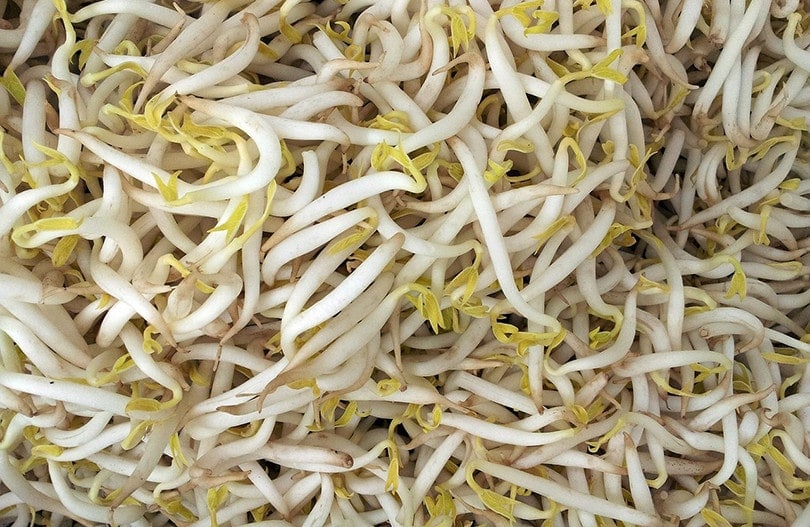
The biggest concern you should have with giving cats bean sprouts is contamination. Bean sprouts grow in moist, warm environments where it is easy for bacteria to thrive. Raw and undercooked sprouts especially have been associated with several foodborne illness outbreaks in people.
There are ways to sanitize the sprouts and reduce the chances of contamination. To do this, you must cook the sprouts thoroughly before giving them to your cat. If your cat does eat raw sprouts, consult with your vet and monitor them for any signs of a gastrointestinal upset, which may include:
- Vomiting
- Diarrhea
- Stomach pain
- Fever
- Lethargy
- Reduced appetite
Do Cats Need Vegetables in Their Diets?
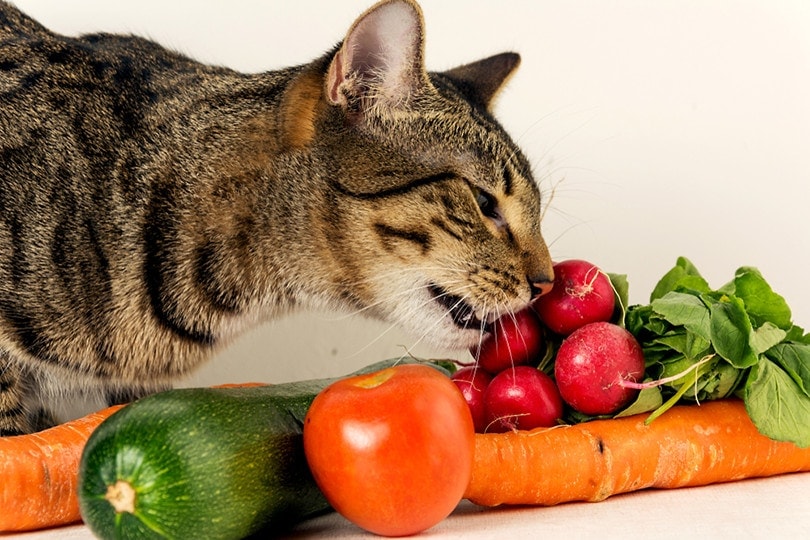
Cats do not require any fruits and vegetables in their diets to live healthy lives. There may be some cats that like to have some greens as an occasional treat, but that doesn’t mean that they’re going to perish without it. The main thing that they truly need to survive is animal protein.
Safe Plants for Cats
Nobody wants to accidentally cause any harm to their cat because they didn’t consult with their vet or do the proper research before feeding them something. There are some plants that cats might enjoy smelling or even munching on better than the foods that are on your plate. Let’s look at some of the top choices among cat owners.
Catnip is an all-around favorite among many felines. While not every cat responds to it, there are many that can’t get enough of it. Catnip gives some cats brief feelings of euphoria. Smelling, biting, and licking it makes some felines act more mellow and calm. If they do eat it, it shouldn’t cause them harm, but may lead to a stomach upset if a large amount was ingested.
Contrary to popular belief, cat grass and catnip are not the same. Cat grass usually includes grasses such as oat, wheat, rye, barley and alfalfa. Some cats love grass, and there are several possible reasons why cats indulge in this grass eating behavior, from expelling intestinal parasites, reaping some of the limited nutritional benefits, enjoying the taste and texture, or improving their digestion.
Now that you know what you can safely feed your cat, it’s just as important to find a bowl that supports their health and well-being. With whisker-friendly bowls and a wide tray to catch any spills, our Hepper NomNom Cat Bowl is our favorite option.

- NO MESS - The 360° tray on this cat food and water bowl set has a raised design to catch and contain stray crumbs and drips. Protect your indoors and floors from wet and messy meals!
- WHISKER FRIENDLY - Shallow and wide metal containers with flat bottoms ensure your kitty can enjoy mealtime free from whisker fatigue!
- CHEW-SAFE MATERIALS - Kittens and cats love chewing on silicone and soft rubber - but it's a choking hazard. Our cat feeding station materials are anti-chew for a 100% safe feeding frenzy!
Conclusion
While your cat might not need veggies to survive, there are some that are considered safe for cats to eat every now and then, in moderation. Bean sprouts can be considered as an occasional small treat for some cats so long as they aren’t contaminated with dangerous bacteria, and they have been adequately cooked. Do not offer your cat raw bean sprouts. In case of any gastrointestinal signs, consult your veterinarian.
Related Reads:
Featured Image Credit: hansbenn, Pixabay
Get Hepper In Your Inbox


Pet care tips from our vets and experts, straight to your inbox.
You may opt-out at any time. View our Privacy Policy for more information.
Hallie has been a proud nature and animal enthusiast since she was a little girl. She attributes her passion for the environment and all its creatures to her childhood when she was showing horses on weekends and spending her weeknights devoting her attention to her pets. Hallie is happiest when she is playing with her two rescue cats, Chewbacca and Lena, and her dog, Clayton. When Hallie isn’t writing about animals, you can probably find her curled up on the couch read a good books or watching a documentary.
Join the conversation
Ask a question, share your story, or send private feedback.