Hepper is reader-supported. When you buy via links on our site, we may earn an affiliate commission at no cost to you. Learn more.
Can Cats Eat Tofu? Vet-Verified Facts & Safety Guide


In this article
Vegan and plant-based diets are growing in popularity among human society for a variety of reasons including health and environmental concerns. As more and more people choose plant-based diets, it’s natural to wonder what types of vegan and plant-based foods are safe for our beloved pets.
Knowing which human foods are safe, and which could pose potential health risks to your feline family members is very important. Can our carnivorous cats eat tofu, the most common meat substitute? Cats can eat tofu as it’s non-toxic, but it offers no nutritional benefit to them and may even cause an upset stomach. Let’s further explore what tofu is and how it gels with felines.

What Is Tofu?
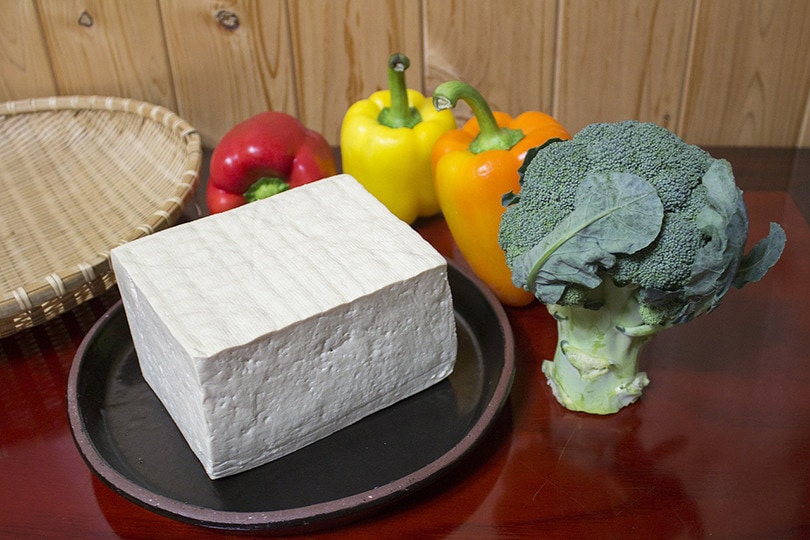
Tofu, also known as bean curd, was first developed in the eastern Chinese province of Anhui. Tofu is made from coagulated soy milk. The curds are pressed into solid blocks that vary in texture and softness.
Known for being high in protein and low in fat, tofu does have some beneficial nutrients for humans. Keep in mind though, just because a food has some health benefits for humans, does not mean they offer the same benefits for cats and other household pets.
Nutrients in Tofu
Antinutrients in Tofu
In addition to nutrients, tofu also contains antinutrients:
The effects of these anti-nutrients are likely minimal, but worth considering.
Cats and Tofu
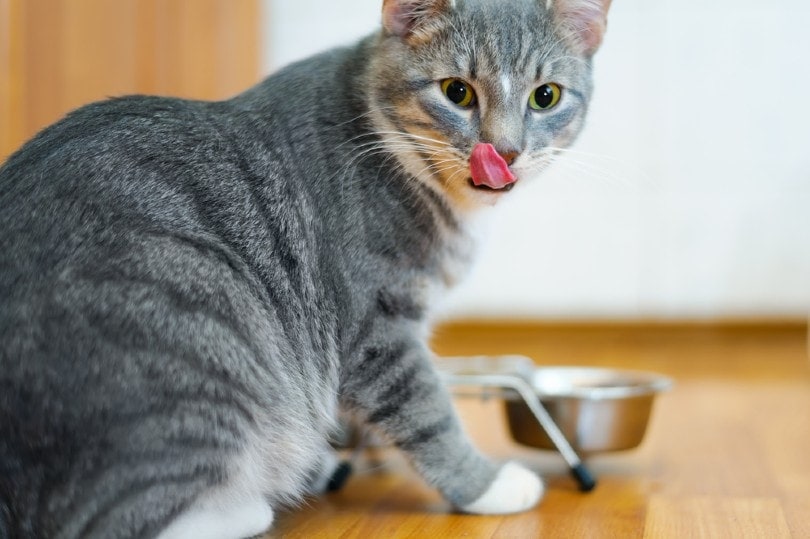
Now for the long-awaited answer. Thankfully, tofu is not of concern for toxicity in cats and there is no reason to sound the alarm if your cat gets into your tofu and sneaks a few bites. Tofu offers cats no nutritional benefits and should not be fed to your cat as part of their diet or even supplementation for their diet.
Tofu does have the potential to cause some digestive upset in cats, such as discomfort and diarrhea. It is important to note that most of the time, tofu does not stand alone. It is prepared with a wide variety of different seasonings and ingredients that can pose a threat to your cat.
For instance, garlic and onion are both highly toxic to cats and a lot of tofu recipes will include these delicious-to-human additions. You would not want your cat to get into any potentially poisonous substances while trying to grab a quick snack.
Can Cats Eat Soy?
Tofu is not the only soy-based food item out there. Nowadays, soy products are everywhere, from soy milk to soy protein supplements and much more. While there is no reason to offer tofu or soy milk to your cat, that does not mean that you must rule out soy entirely.
While the studies are limited and more research is needed regarding the benefits for animals, soy protein has been used in the management of many different health concerns in pets. This includes metabolic diseases, cancer, hormone-related health conditions, and weight management.
The soy protein is used because of the isoflavones in soy. These isoflavones have potential antioxidant, anticancer, antimicrobial, and anti-inflammatory properties. The soy protein geared toward animals typically comes already added into their food or within species-specific supplementations.
It is very important to talk to your veterinarian before adding any new substance, such as soy, into your cat’s diet. They will help you determine whether supplementation is even necessary for your cat and can provide guidance on proper diet and nutrition.
Proper Diet and Nutrition for Cats
Cats are obligate carnivores, meaning that they rely on nutrients found in prey animals, or animal products. These little carnivorous creatures are highly evolved hunters that by nature, consume prey that contains high protein, moderate fat, and minimal carbohydrates.
They may have been domesticated for centuries, but their dietary requirements haven’t changed much. Commercial foods on the market are designed to fit their dietary needs. All foods do not come with the same level of quality.
It is important to feed your cat high-quality cat food that does not contain any fillers, by-products, harmful chemicals, dyes, or other unnecessary additives. Speak to your veterinarian about the best diet plan for your cat. While most cats do not require supplementation, some may, and this is at the discretion of their vet.
Cats should be provided with fresh, clean water at all times. They can be offered the occasional treat, but it is highly recommended that treats are given in moderation to avoid obesity and the negative health issues associated. Treats should be meat-based and unsalted. Never offer raw meat, simply because of the risk of bacteria.
A Few Healthy Treat Options for Cats
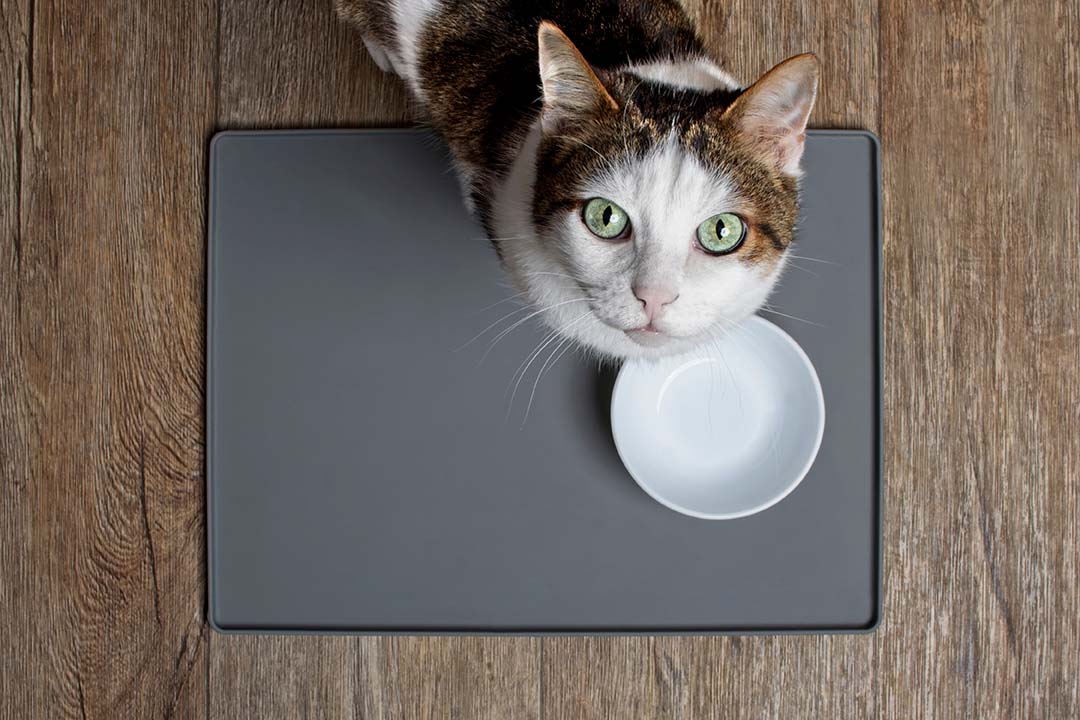
Now that you know what you can safely feed your cat, it’s just as important to find a bowl that supports their health and well-being. With whisker-friendly bowls and a wide tray to catch any spills, our Hepper NomNom Cat Bowl is our favorite option.

- NO MESS - The 360° tray on this cat food and water bowl set has a raised design to catch and contain stray crumbs and drips. Protect your indoors and floors from wet and messy meals!
- WHISKER FRIENDLY - Shallow and wide metal containers with flat bottoms ensure your kitty can enjoy mealtime free from whisker fatigue!
- CHEW-SAFE MATERIALS - Kittens and cats love chewing on silicone and soft rubber - but it's a choking hazard. Our cat feeding station materials are anti-chew for a 100% safe feeding frenzy!
Conclusion
While tofu is not toxic for felines, it can cause digestive upset and should not be fed to your cat. Most of the time, tofu is cooked with other ingredients that need to be avoided entirely. There is simply no reason to offer your cat tofu as a snack or supplement to their diet. While there are soy proteins in some commercial foods and treats, your cat gets all their needed nutrients directly from their cat food, unless otherwise noted by your veterinarian.
Related reads:
Featured Image Credit: allybally4b, Pixabay
Get Hepper In Your Inbox


Pet care tips from our vets and experts, straight to your inbox.
You may opt-out at any time. View our Privacy Policy for more information.
Lindsay is a wife, mother, nature enthusiast, animal lover, and business major. She was born and raised in the United States and now lives in Tulsa, Oklahoma. She shares her home with a German Shepherd, several snakes, tarantulas, and a couple of rescue cats.
Lindsay and her husband enjoy traveling the US with their children and photographing wildlife. Lindsey is passionate about proper animal care and education around it!
Join the conversation
Ask a question, share your story, or send private feedback.