Hepper is reader-supported. When you buy via links on our site, we may earn an affiliate commission at no cost to you. Learn more.
Can Cats Eat Mulberries? Vet-Reviewed Facts & Safety Guide


In this article
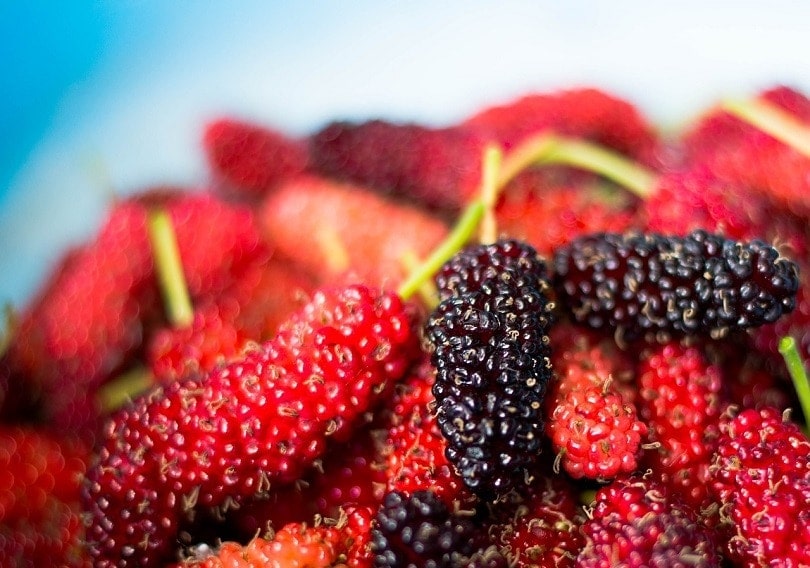
Mulberries are similar to blackberries and raspberries but with a slightly sweeter flavor. Although most cats are uninterested in this kind of flavor profile, an inquisitive feline might try one or two of the berries to fulfill their curiosity and their desire for answers. Fortunately, the ASPCA states that mulberries are non-toxic to cats and dogs, which means that cats can eat mulberries without too much danger of illness or poisoning.
However, as obligate carnivores, cats don’t need to eat a variety of fruits and vegetables to stay healthy like omnivores and herbivores do. In fact, they have changes to their gastrointestinal tracts that make them less suited to digesting these types of foods.

About Mulberries
The mulberry is related to the fig and comes from the mulberry tree. The tree is commonly grown in Asia and North America, although it's primarily grown for its leaves, which are used as food for silkworms. It can take several years for the tree to become established enough to produce fruit, and the berries are considered more delicate than other berries, like blackberries and raspberries. As such, your cat is far less likely to come across mulberries, but there is still a chance.
Are Mulberries Good for Cats?
Whether you have tracked mulberries down in the grocery store or you have successfully managed to grow your own, you don’t need to worry too much if your cat eats them. The ASPCA states that they are not toxic to cats or dogs, so eating one or two won’t cause illness or any major problems for your cat.
However, due to their meat-specialized digestive systems, they are not designed to process berries, so they will be getting little nutritional benefit from consuming this fruit despite filling them up and potentially causing them to eat fewer nutritional foods.

What Fruits Are Toxic to Cats?
Mulberries are non-toxic to cats, but this isn’t the case with all fruit and vegetables. Some are considered very toxic and incredibly dangerous for cats, including:
1. Apples
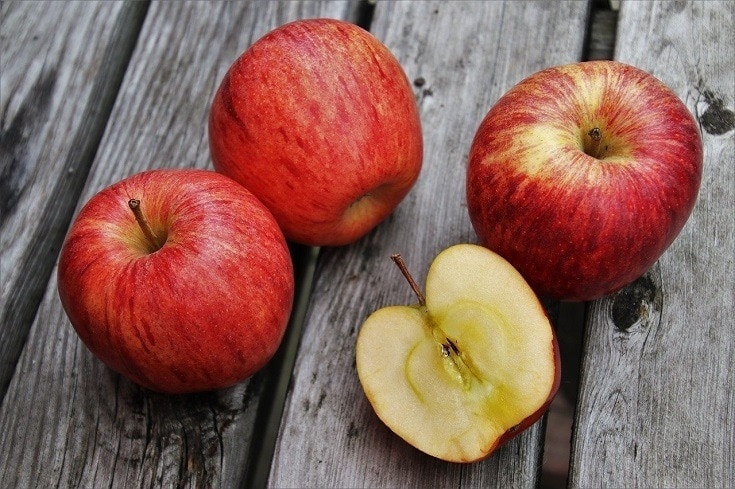
Strictly speaking, apples can be safe for cats, but there are caveats. The core should be removed, as the seeds contain amygdalin which, when chewed, can release cyanide. While the levels are unlikely to be dangerous for humans unless eaten in very large quantities, cats are smaller and it takes a lot less to cause cyanide poisoning. If you really want to feed apples to your cat, ensure that it is thoroughly washed and that you remove the stem, core, and seeds before feeding.
2. Grapes
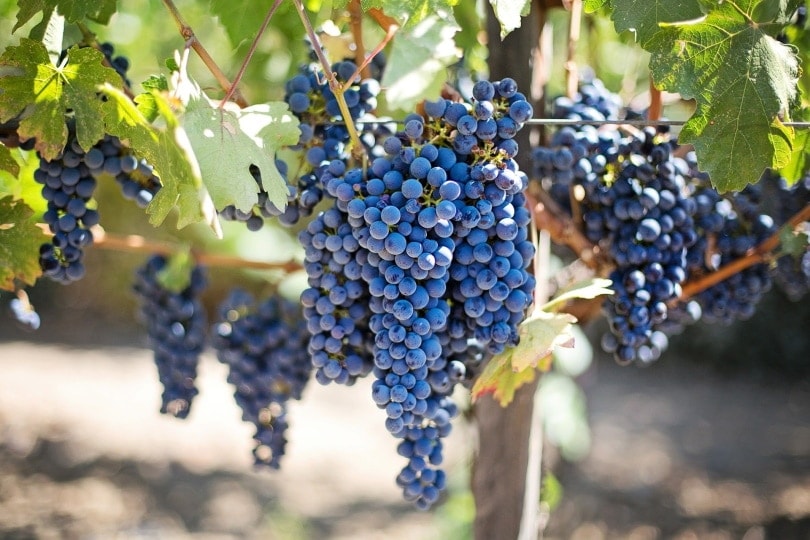
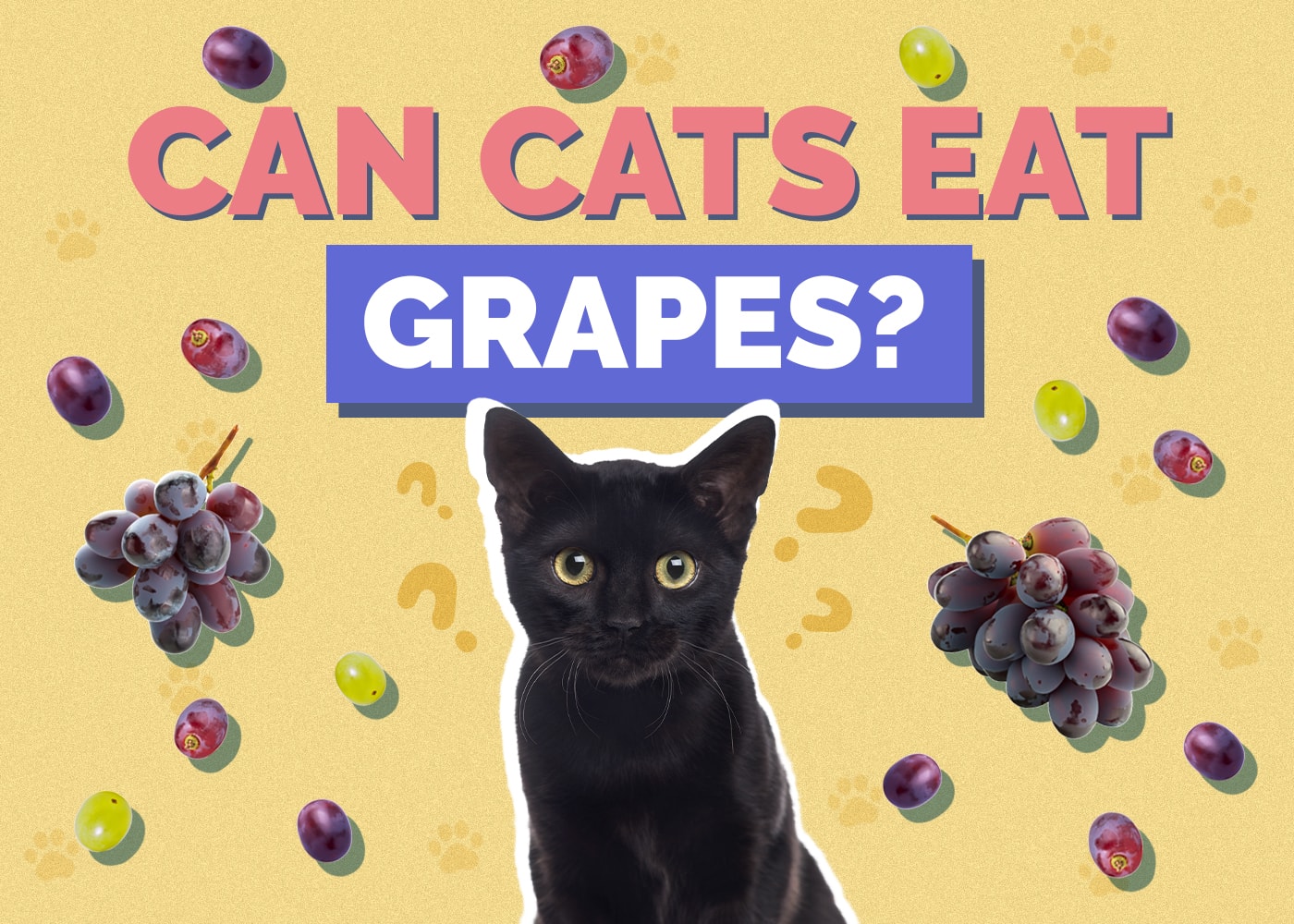
It is known that grapes and raisins are toxic to cats, although it is unclear exactly what toxic substance causes grape poisoning in cats. The ASPCA states that these fruits can cause kidney failure and that feeding them should be avoided.
3. Potatoes
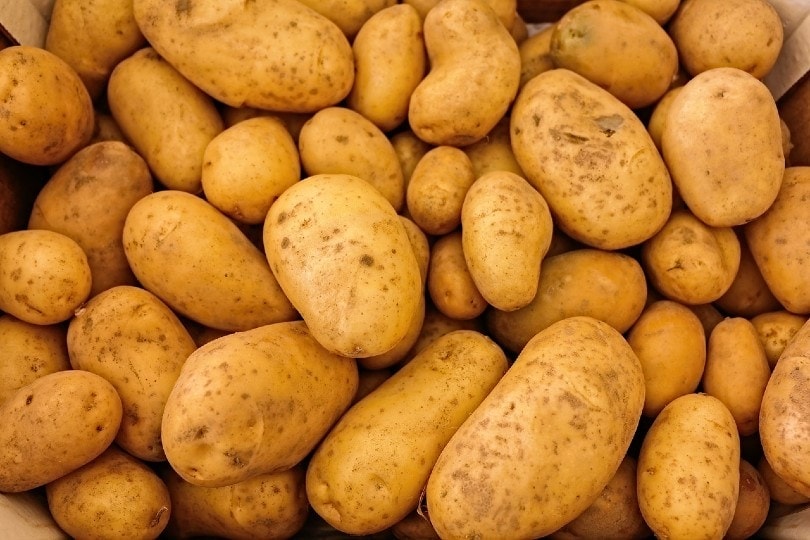
Raw potatoes should not be fed to cats because they can cause gastrointestinal distress. Similarly, green potatoes, whether raw or cooked, contain high levels of solanine. Solanine is a substance used by the potato to deter predators, and it can cause toxicity and illness. Cooked, plain potatoes that are not green should be fine, although you should not feed mashed potatoes because of the additional milk, butter, and salt that is usually added to the food. Solanine poisoning can cause depression, tremors, salivation, incoordination, and seizures.
4. Tomatoes
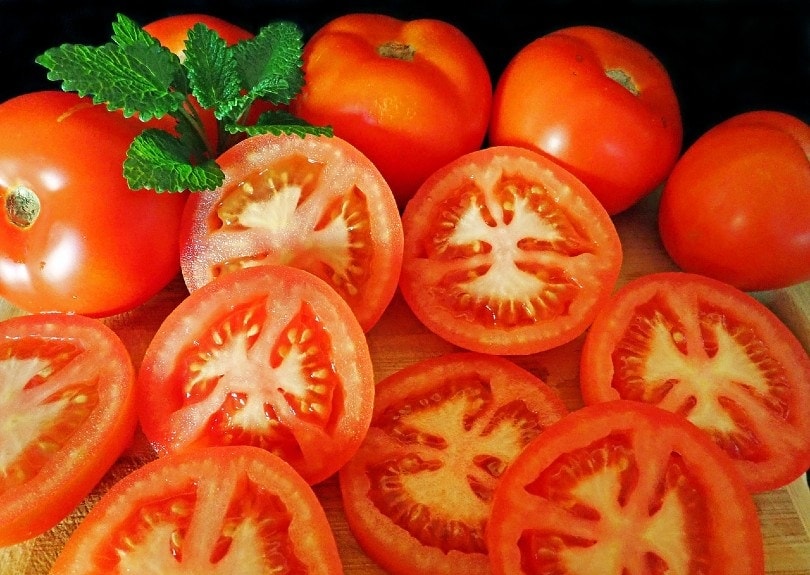
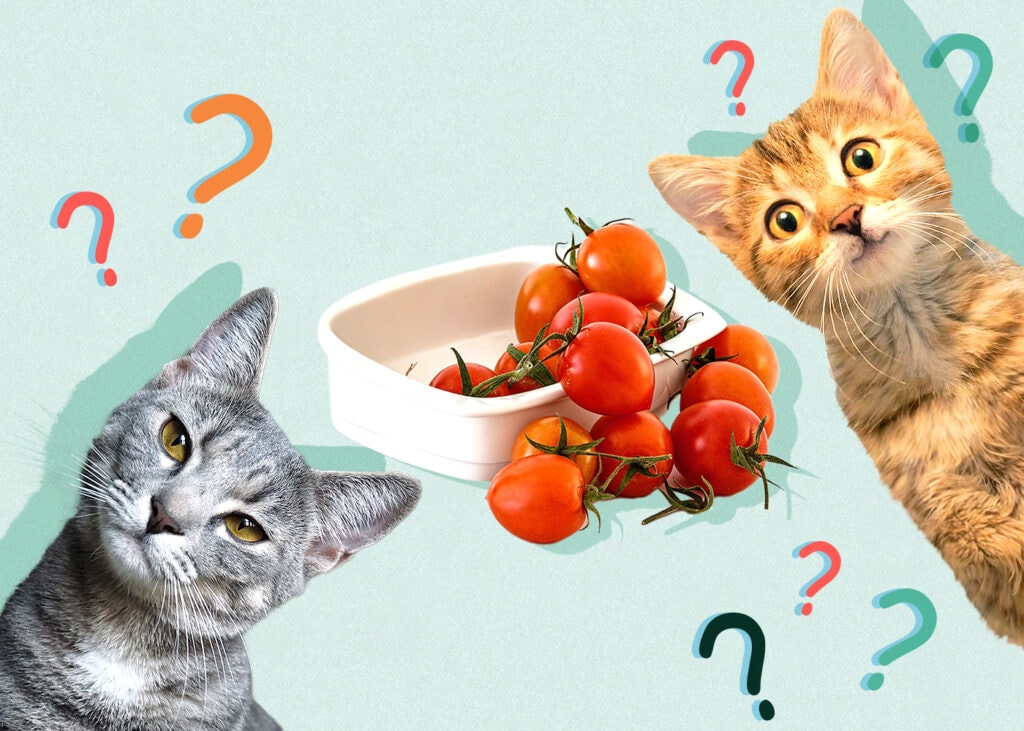
Similarly, the tomato plant contains tomatine, which is related to solanine, and if your cat eats even a relatively small amount of the tomato plant, they may experience vomiting and diarrhea. Very high doses could cause some more serious neurological signs. The ripe fruit of the tomato is considered safe and may offer some vitamins to your cat. Also, you may notice that tomato and tomato paste are listed as ingredients in cat food, but this usually means that the ripe fruit was used and it should be perfectly safe.
Now that you know what you can safely feed your cat, it’s just as important to find a bowl that supports their health and well-being. With whisker-friendly bowls and a wide tray to catch any spills, our Hepper NomNom Cat Bowl is our favorite option.

- NO MESS - The 360° tray on this cat food and water bowl set has a raised design to catch and contain stray crumbs and drips. Protect your indoors and floors from wet and messy meals!
- WHISKER FRIENDLY - Shallow and wide metal containers with flat bottoms ensure your kitty can enjoy mealtime free from whisker fatigue!
- CHEW-SAFE MATERIALS - Kittens and cats love chewing on silicone and soft rubber - but it's a choking hazard. Our cat feeding station materials are anti-chew for a 100% safe feeding frenzy!
Final Thoughts
Cats are obligate carnivores, which means that their diet should consist primarily of meat and animal products. They cannot digest plant-based ingredients as well as omnivores, so they will not reap the nutritional rewards that food like tomatoes offer to humans. What’s more, many plants can cause illness and even toxicity in cats, while some like potatoes are safe in certain forms but toxic when raw or green.
Generally, if you are unsure, the best approach is to avoid feeding these foods to your pets unless you have checked that they are genuinely safe for consumption. Stick to meat and regular cat food to avoid toxicity and ensure that your cat gets all the benefits they have to offer.
With that said, mulberries are not considered toxic, so if your cat does steal one from the bush outside or your plate, it should not cause illness or lead to any form of poisoning.
Featured Image Credit: chulmin1700, Pixabay
Get Hepper In Your Inbox


Pet care tips from our vets and experts, straight to your inbox.
You may opt-out at any time. View our Privacy Policy for more information.
Nicole is a lover of animals of all sizes but is especially fascinated with the feline variety. She’s the proud mom of Baby, a Burmese, and works every day so he can relax in the sunshine or by the fire. She’s always had a cat in her home and has spent countless days with others, observing behaviors and softening up even the grouchiest of the lot. Nicole wants to share her kitty expertise with you so you and your cat can live happy, healthy, and care-free.
Join the conversation
Ask a question, share your story, or send private feedback.