Hepper is reader-supported. When you buy via links on our site, we may earn an affiliate commission at no cost to you. Learn more.
Can Cats Eat Rhubarb? What You Need To Know


In this article
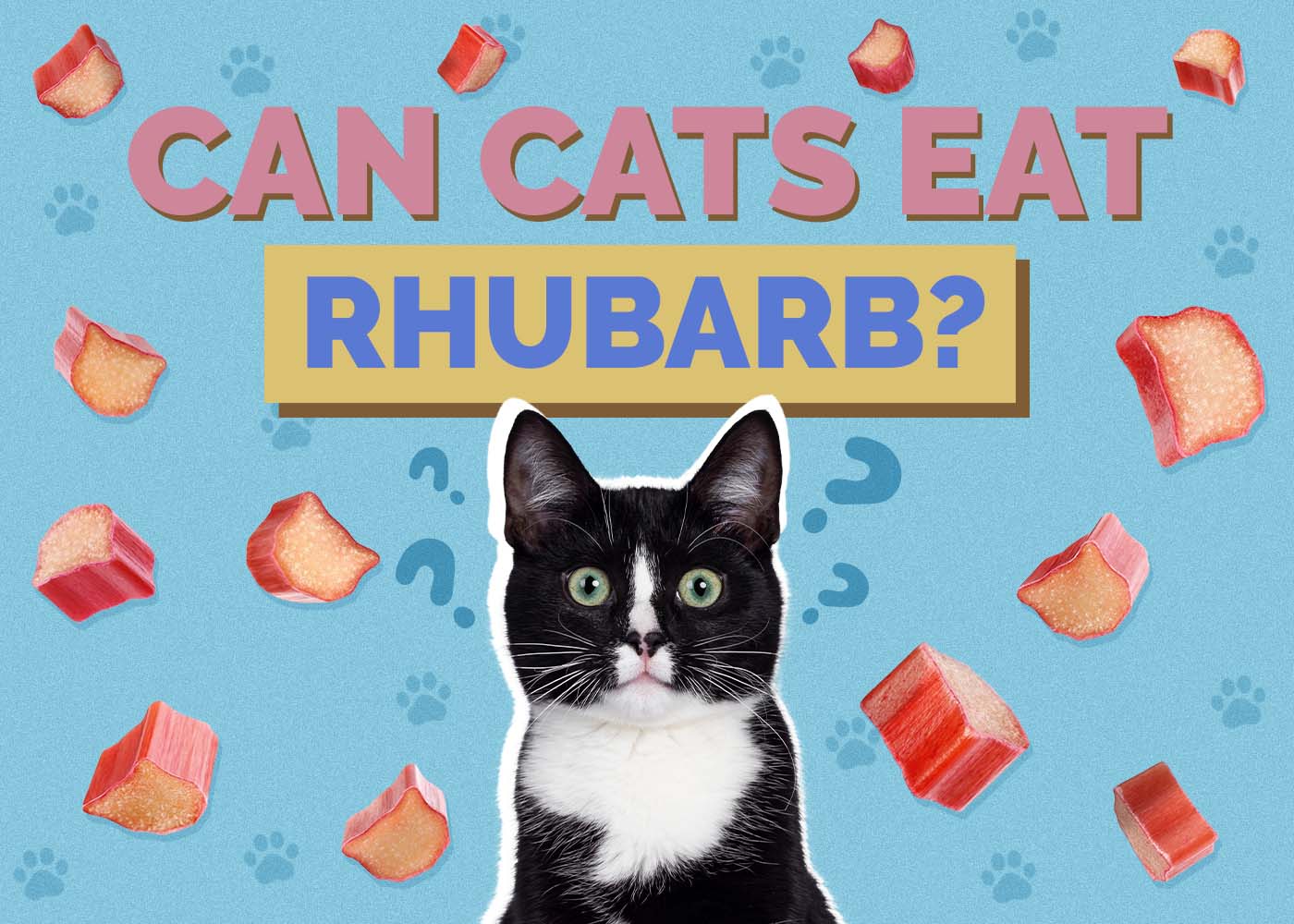
Rhubarb has a very sour taste with slightly sweet undertones. Fortunately, this combination of flavors is not appealing to most cats, because the leaves and the rest of the rhubarb plant are considered very toxic if eaten by cats. Mild symptoms include increased salivation, vomiting, and diarrhea. In the worst cases, it can cause crystals in the urinary tract leading to kidney failure. Rhubarb ingestion requires a visit to the veterinarian and may require hospitalization.

About Rhubarb
Although it is classified as a fruit by the US Department of Agriculture, it is actually a vegetable. It is rarely eaten raw, because of its sour taste, but it is popular in crumbles and stews. It is also easy to grow and can be found wild, so while you might not intentionally feed any to your cat, there is a chance that your feline friend could eat some while out of the house. A curious cat may also want to try your rhubarb and custard dessert.

Oxalate Crystals in Rhubarb
Rhubarb leaves are toxic to humans, as well as to cats. This is because they contain soluble oxalate crystals as well as insoluble calcium raphides. This compound is used by the plant as a natural defense to deter predators. These crystals are absorbed in the bowel and bind to calcium in the circulation causing low calcium levels. The oxalates also have an irritant effect on the bowel and can crystallize in the kidneys causing damage.
Signs Of Rhubarb Poisoning In Cats
Rhubarb is highly toxic to cats but the one positive point is that the symptoms are easy to spot and they come on early, giving you plenty of time to take swift action.
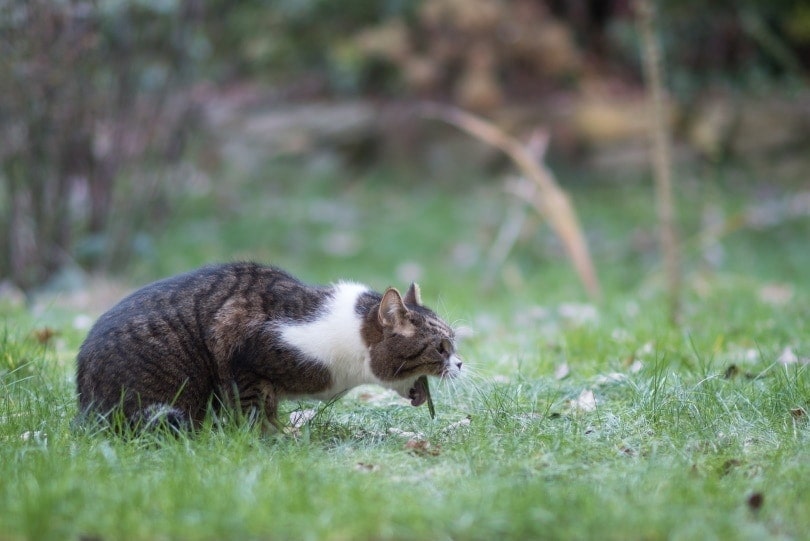
Early signs include salivation, vomiting, and nausea.
- If you notice that your cat is off its food, and this is unusual behavior, it could be a sign of illness. Cats seek privacy when they are ill, so if your otherwise friendly and loving feline is nowhere to be found or is hiding out in a secluded spot, this is a good sign that something is amiss.
- Rhubarb poisoning causes low levels of calcium in the body and can result in lethargy, muscle twitching, incoordination, seizures.
- Continued vomiting is bad for cats because it can lead to dehydration. It is also very difficult to persuade a cat to drink water and rehydrate.
- Eating rhubarb over a longer period of time can cause crystals in the urinary tract. Symptoms of this include painful urination and blood in the urine. Seek urgent medical help if you believe your cat is experiencing these symptoms.
Treatment
If you think your cat has consumed rhubarb, you should speak to a vet immediately. If symptoms are present, it is likely that your cat will be put on intravenous fluid therapy. This injects fluid into the body to help support blood pressure and protect the kidneys. Your cat may also be given calcium-containing products to bind the oxalates in the stomach and different ones to help correct the low calcium levels. Kaolin/pectin can also help bind the oxalates.
It may take two or three weeks for a cat to recover from rhubarb poisoning. During this time, you should ensure that there is plenty of fresh water available and you will need to feed a bland, plain diet or one prescribed by your vet. You will need to monitor your cat closely in this recovery phase.
The 3 Other Plants That Are Toxic to Cats
Rhubarb is a popular herbaceous plant in gardens and fields around the world because it is easy to grow and is a popular ingredient for cooking. There are other commonly grown and consumed plants that can be toxic to cats, and you should take care when growing them if you have a house full of felines.
1. Tomatoes
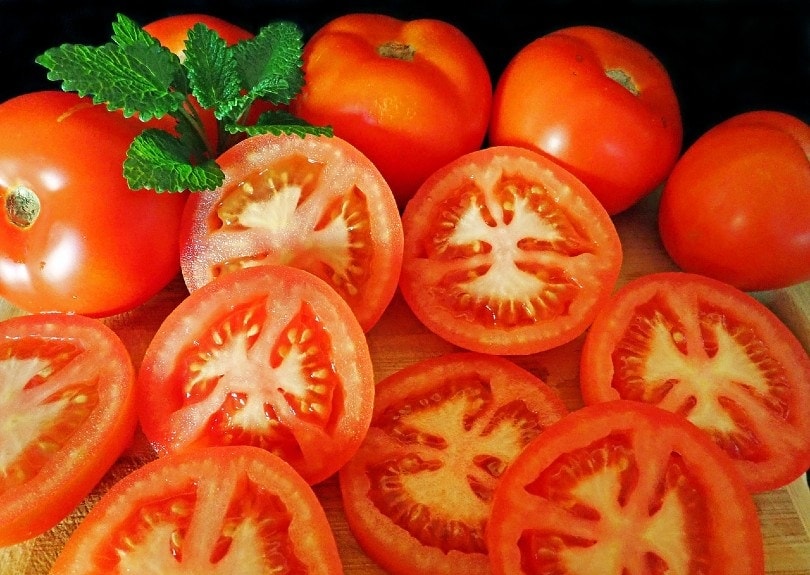
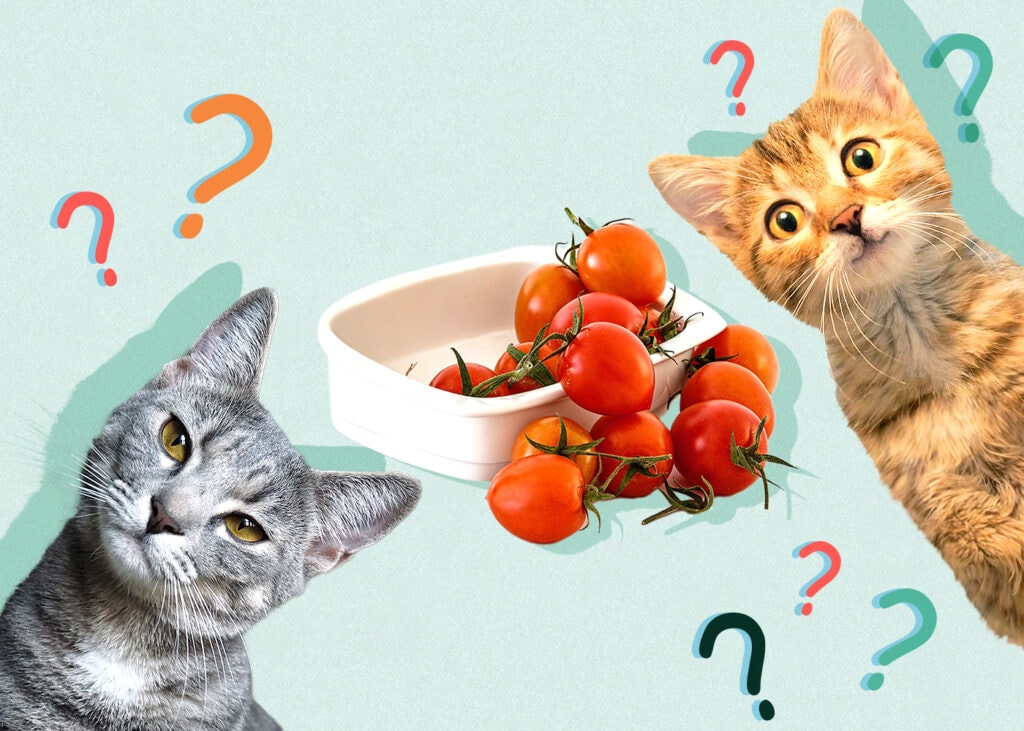
A member of the nightshade family, tomatoes contain a toxin called tomatine. Ingestion of unripe tomatoes may lead to stomach upsets, vomiting, diarrhea, and increased salivation. Your cat may also experience an elevated heart rate and show signs of a loss of coordination. Look for dilated pupils as well as other symptoms including confusion, tremors, and even seizures.
2. Avocados
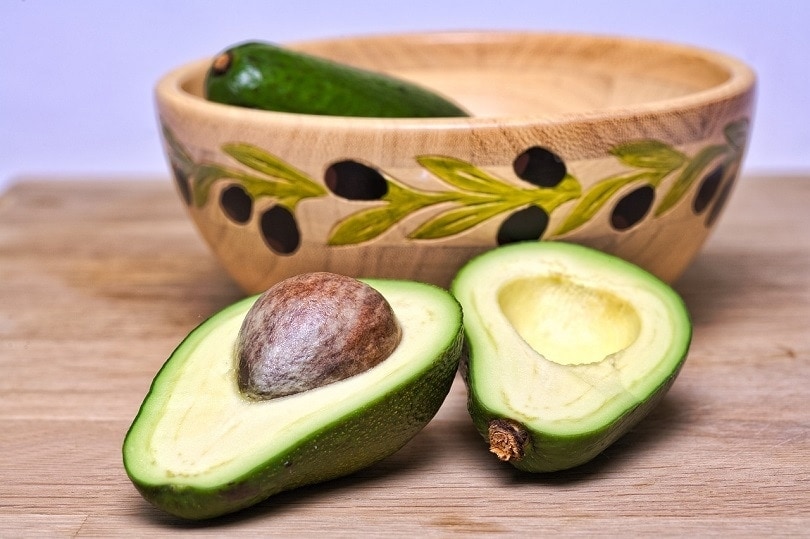
Avocados have become very popular with people thanks to the array of health benefits they offer, but they are, in fact, mildly toxic to cats and dogs. A small amount can prove fatal to birds, and some farm animals. Ingestion by cats can cause vomiting and diarrhea or possibly pancreatitis due to the high fat levels.
3. Garlic
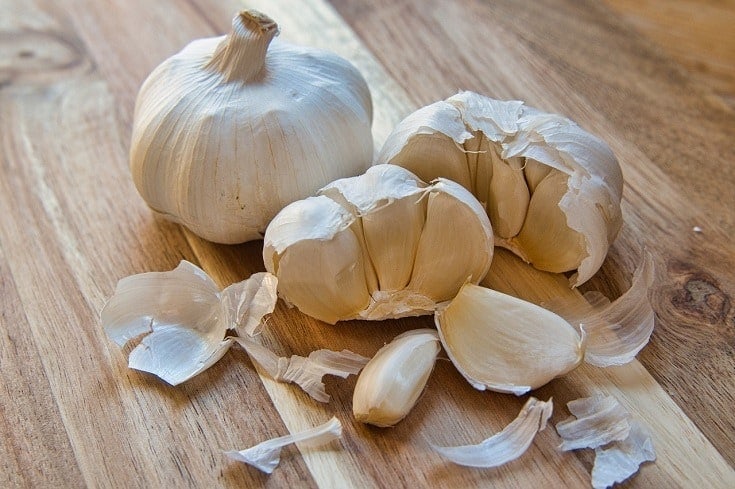
Garlic, as well as other members of the alum family, such as onions, are also highly toxic to pets. They can cause red blood cells to break down. Symptoms include pale gums and lethargy, as well as abdominal pain. Eventually, toxicity can lead to jaundice, anemia and collapse. More general symptoms such as vomiting and diarrhea, fast breathing, and heart rate are also seen.

Final Thoughts
Cats are generally quite good at avoiding plants, fruits, and vegetables, which are bad for them, but this isn’t always the case because they are also highly inquisitive animals. Rhubarb is one of several herbaceous plants that are regularly grown in gardens and found in the wild that can cause toxicity and poisoning.
In general, symptoms of plant toxicity include vomiting and diarrhea, while more severe symptoms might include lethargy, cardiac problems, and organ failure. If you believe your cat has ingested anything toxic, you should seek guidance from your vet as soon as possible, and they may require hospitalization to ensure recovery.
Related Reads:
Featured Image Credit: MikeGoad, Pixabay
Get Hepper In Your Inbox


Pet care tips from our vets and experts, straight to your inbox.
You may opt-out at any time. View our Privacy Policy for more information.
Oliver (Ollie) Jones is a zoologist turned freelance animal writer living in South Australia with his partner Alex and their mini zoo consisting of many aquatic creatures, dog Pepper, and of course, cat Steve. Ollie is originally from the USA and holds a Master's degree in wildlife biology. He hopes to share his feline knowledge and expertise with people so they can share in his passion and help their cats live their best lives.
Join the conversation
Ask a question, share your story, or send private feedback.