Hepper is reader-supported. When you buy via links on our site, we may earn an affiliate commission at no cost to you. Learn more.
Can Cats Eat Chives? Nutrition Facts & Potential Risks


In this article
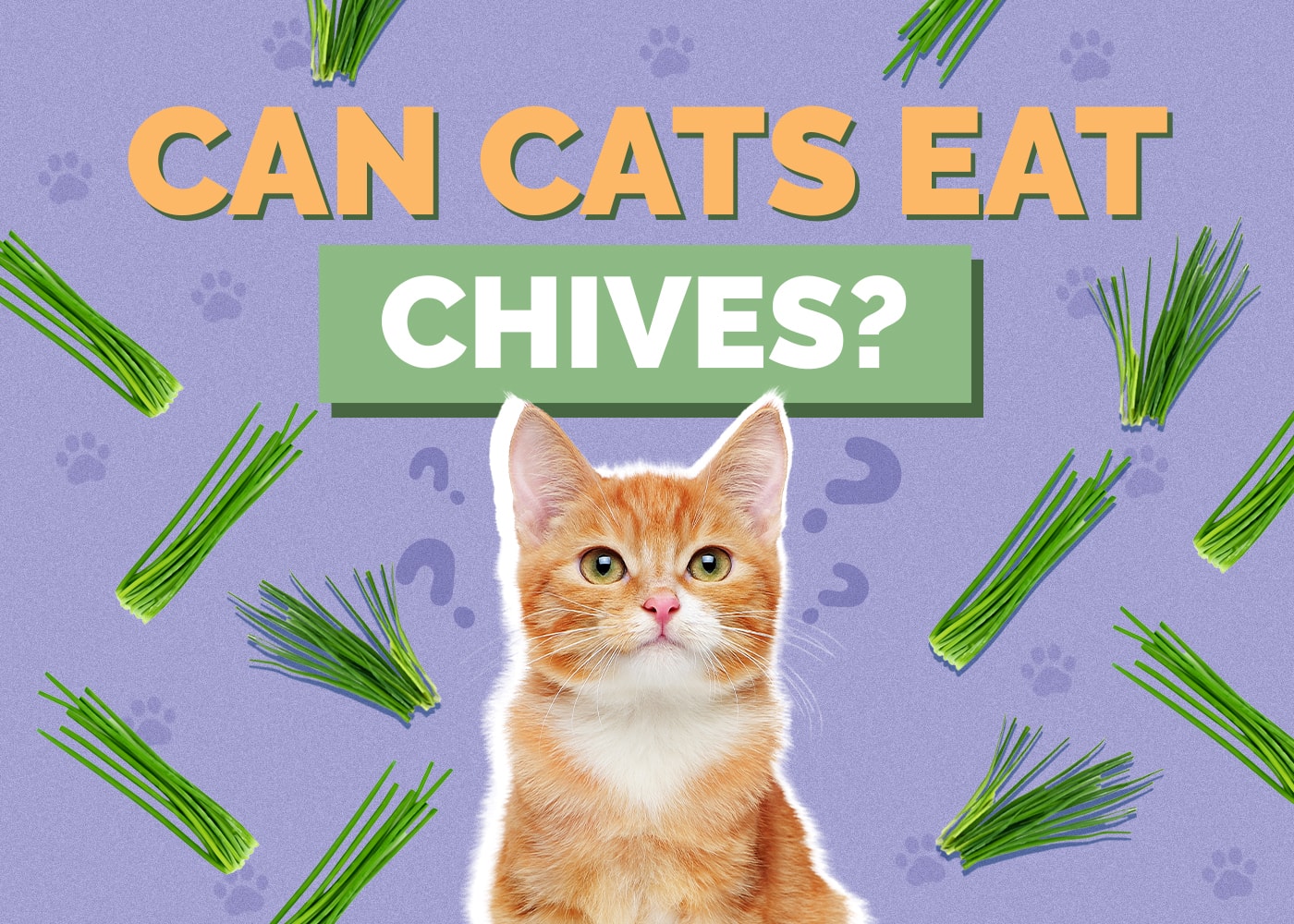
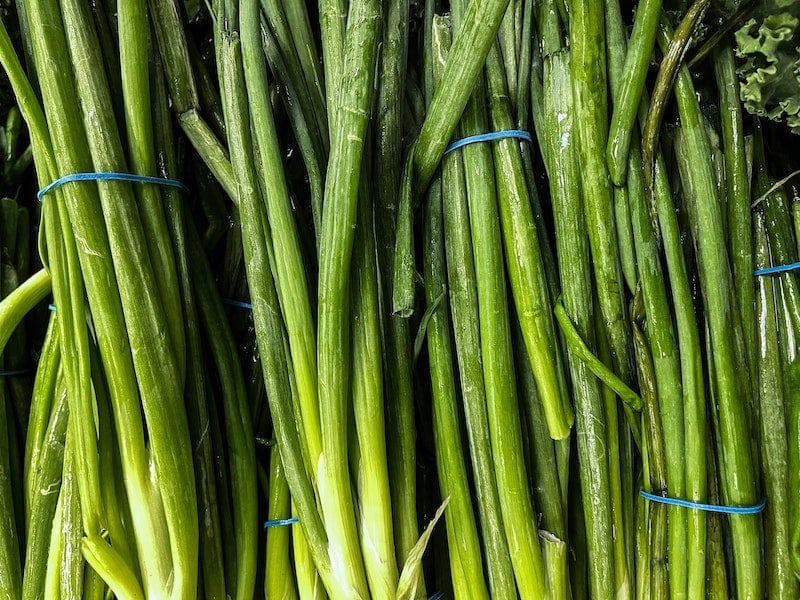
Chives are a pretty common ingredient found in our kitchens and used in dozens of tasty recipes. While your cat may be tempted to take a bite of these crispy green shoots from time to time, they are not suitable for your cat to snack on. Chives, along with other Allium family members, are toxic to cats. These types of foods include garlic, onions, and leeks.
Even humans can develop toxicity to chives if they eat too much, so cats—who are much smaller than us—should refrain from eating chives. They are a common topping for soups and dips and so it isn’t uncommon to have them in your home, but it’s best to put them in a place where your feline friend can’t reach them.

Are Chives Poisonous to Cats?
Chives are a plant with an oniony taste that belongs to the Allium family. This plant family includes onions, leeks, and garlic, all of which contain organosulfoxides. These compounds are usually harmless—until they are chewed up and converted to sulfur compounds. Too much sulfur can make your cat’s red blood cells break down, and while you’d think it would take a lot for this to happen, even small amounts can be poisonous and signs are seen within a couple of days.
What is Chive Poisoning?
The time that it takes for chive poisoning to develop isn’t an exact science. Symptoms could develop within twelve hours or a few days. The larger the dose that your cat consumes, the earlier the symptoms will appear. You may not even see symptoms until days later if smaller amounts are eaten.
There are also times when cats won’t show their signs of poisoning at all. Cats often hide their discomfort, and they could easily trick you into thinking they’re fine.
The first signs of chive poisoning are usually gastrointestinal. Look out for an upset stomach, drooling, vomiting, nausea, diarrhea, or abdominal pain. More serious signs include lethargy, increased breathing, pale gums, weakness, elevated heart rate, or collapse. If you do not treat chive poisoning, it could be fatal.

How to Treat Chive Poisoning
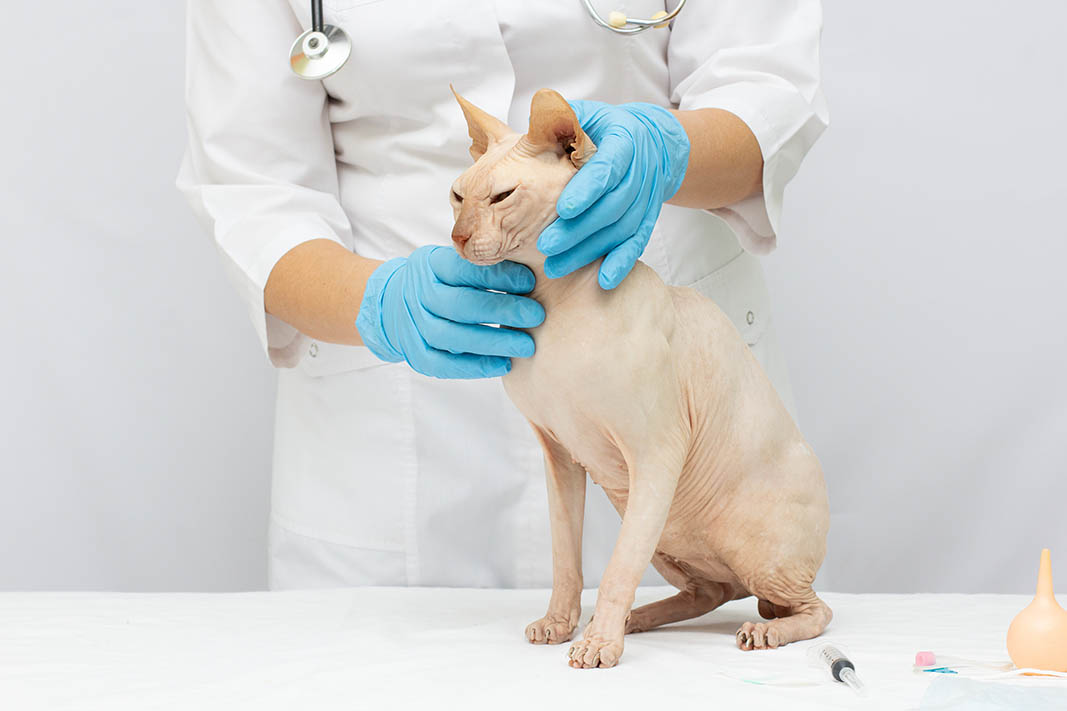
Chive poisoning needs to be taken care of as soon as possible. You might not see the signs right away, but the earlier you can treat them, the better chance your cat has of recovery. If your cat consumed chives recently and you’re concerned, the vet might have you come in so they can induce vomiting and get them out of your cat’s system.
If the vet cannot induce vomiting, they might use activated charcoal to keep your cat’s body from absorbing any more chives into their digestive tract. Depending on how long it’s been since they consumed the chives, they may need IV fluids and medication along with an overnight stay. Your vet will monitor your cat and wait for the toxins to move through the body until they are sure your cat is safe.
The Best Ways to Avoid Chive Poisoning in Cats
Accidents happen, and sometimes we leave things within reach of our pets without thinking about it. Whenever you bring home chives or any other potentially dangerous foods, be sure to put them in a place where your cat can’t reach them. All forms of chives, including fresh, dried, cooked, and liquid, are potentially harmful to cats, so it’s best to keep them stored in a closed cabinet that your cat can’t open or in the refrigerator.

Final Thoughts
Chives are toxic to cats and you should not be feeding them chives or foods that contain chives for any reason. If your cat does happen to ingest some chives, it is best to get them to a vet as soon as possible, within 2 hours. Remember, the sooner that you can get them seen by a professional, the more likely they are to recover from chive poisoning. Even if you’re unsure about how much they actually ate, it is always better to be safe rather than sorry.
See also:
Featured Image Credit to: artellliii72, Pixabay
Get Hepper In Your Inbox


Pet care tips from our vets and experts, straight to your inbox.
You may opt-out at any time. View our Privacy Policy for more information.
Hallie has been a proud nature and animal enthusiast since she was a little girl. She attributes her passion for the environment and all its creatures to her childhood when she was showing horses on weekends and spending her weeknights devoting her attention to her pets. Hallie is happiest when she is playing with her two rescue cats, Chewbacca and Lena, and her dog, Clayton. When Hallie isn’t writing about animals, you can probably find her curled up on the couch read a good books or watching a documentary.
Join the conversation
Ask a question, share your story, or send private feedback.