Hepper is reader-supported. When you buy via links on our site, we may earn an affiliate commission at no cost to you. Learn more.
Can Cats Eat Stevia? Health & Safety Guide
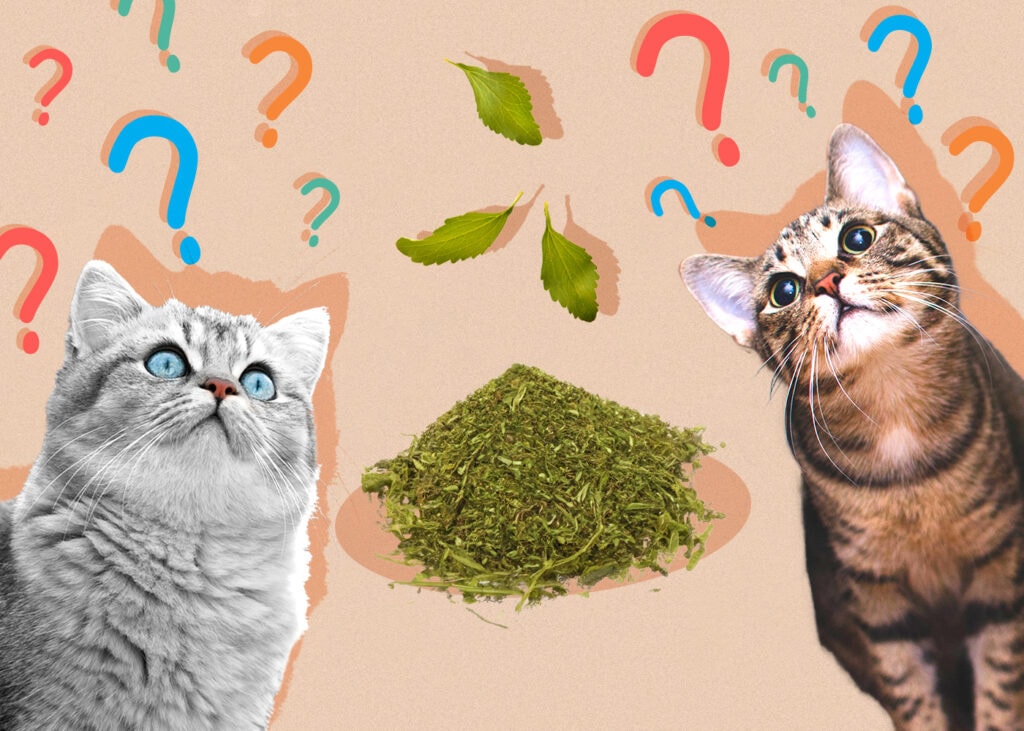
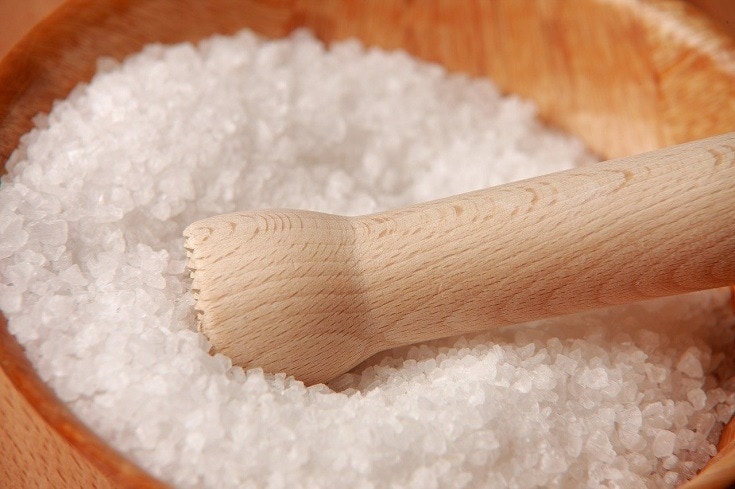
You might be thinking that your sweet cat deserves some sweet treats. But too much sugar isn’t healthy for anyone, especially cats. So, you might be wondering if sugar substitutes, such as stevia, are safe for cats to eat.
In short, cats can eat stevia. It’s safe for cats to consume a small amount, but too much stevia can cause an upset stomach and diarrhea. Here’s everything you need to know about stevia and if you should incorporate it into your cat’s diet.

What Is Stevia?
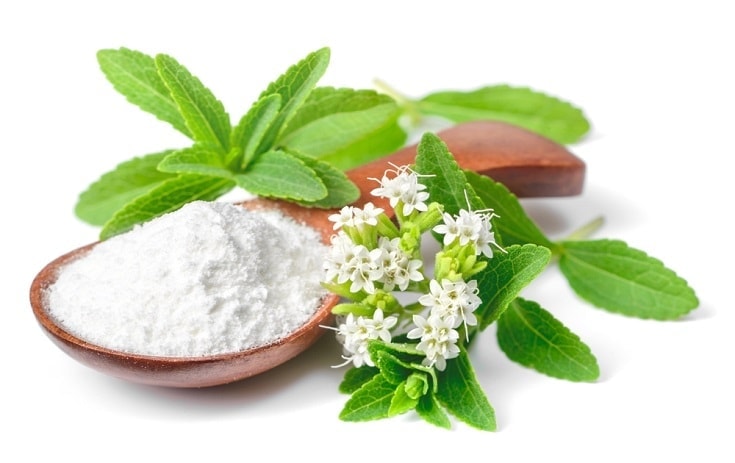
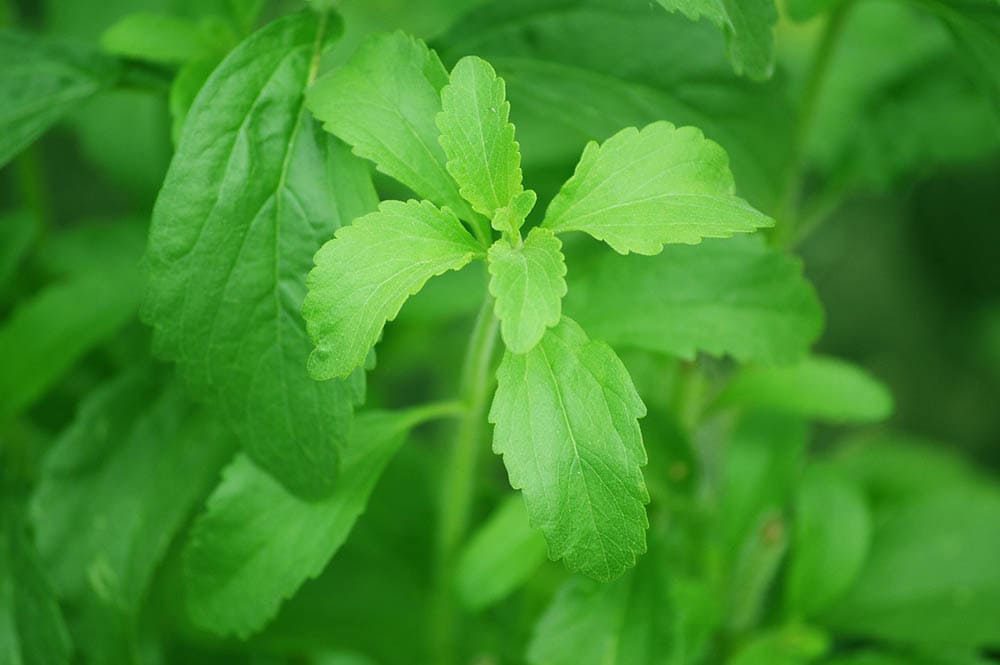
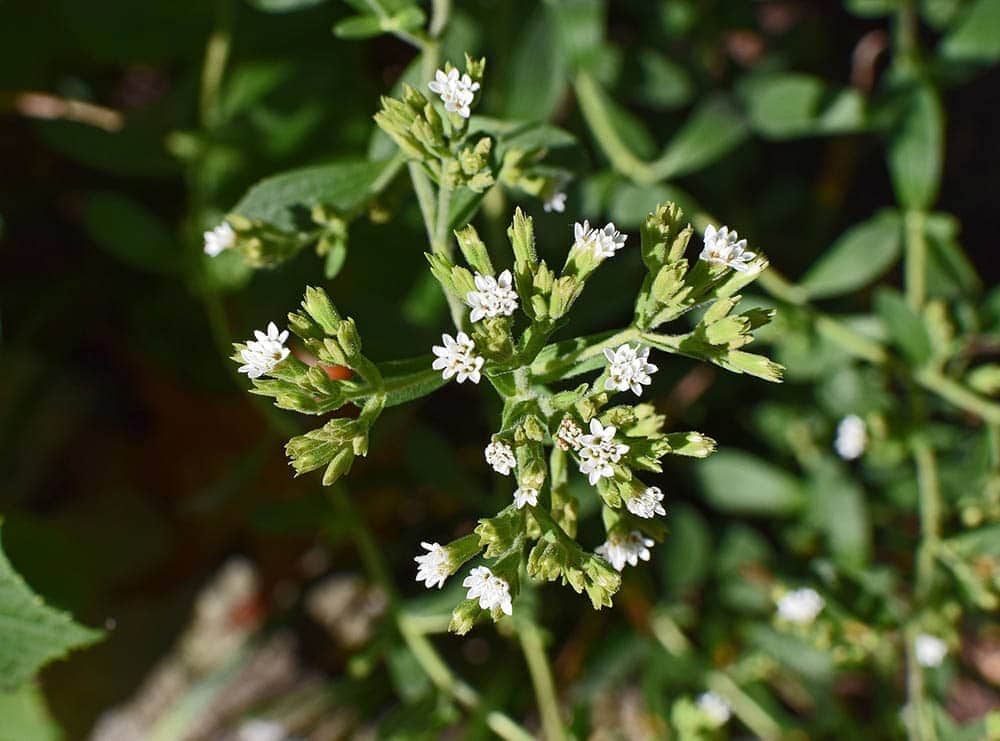
Stevia derives from the plant stevia rebaudiana. It’s a natural sweetener with little to no calories, and it’s a popular sugar substitute because it’s 100-300 times sweeter than table sugar.
Stevia contains antioxidants, particularly kaempferol, which can reduce the risk of pancreatic cancer. It may also play a role in lowering blood pressure.
Is Stevia Safe for Cats to Eat?
The American Society for the Prevention of Cruelty to Animals (ASPCA) labels stevia as non-toxic to cats. Cats can eat an appropriate amount of stevia and feel fine afterward. This sweetener also has a very low amount of carbohydrates, and it doesn’t affect glucose responses, so it’s safe for cats with diabetes to eat.
However, some brands or blends of stevia can also contain alcoholic sugars. Consuming high amounts of alcoholic sugars can lead to an upset stomach and other gastrointestinal issues. Therefore, make sure to check the labels of any stevia products to prevent your cat from eating alcoholic sugars.
Other Sweeteners That Are Safe for Cats
If you’re concerned about your cat’s safety, you can rest assured in knowing that most artificial sweeteners and sugar alternatives aren’t toxic for cats. Popular sweeteners that are also non-toxic to cats include monk fruit, erythritol, and xylitol.
Although erythritol is technically an alcoholic sugar, its effects aren’t as adverse because large quantities of it don’t ever reach the large intestine.
Also, it’s a commonly held belief that xylitol is harmful to cats. However, this belief is based on assumption because of its toxicity to dogs. A recent study in 2018 proved that xylitol is safe for cats.
Sweeteners To Avoid
Some sweeteners are safe for cats to eat, but too much can cause an upset stomach. Here are some sweeteners that will make cats feel sick if they consume large quantities:
Do Cats Like Stevia?
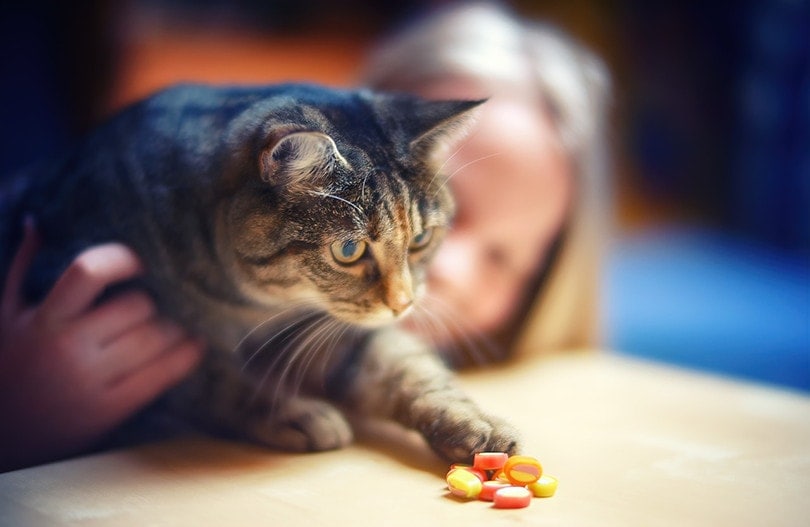
You might want to give your beloved cat some dessert after dinner. However, the truth is that your cat won’t appreciate your sweet sentiment as much as you think it might. Cats can’t taste sweetness because their tongues don’t have taste receptors that can detect this flavor.
Scientists believe that cats don’t have taste receptors for sweetness because they simply don’t need it. The purpose of tasting sweetness is to send a signal to the brain that a particular type of food contains carbohydrates. This signal is vital for omnivores and herbivores that need carbohydrates in their diets because it encourages them to keep eating food containing carbohydrates.
However, as cats are obligate carnivores, they don’t need as many carbohydrates. In fact, their gastrointestinal tract can’t process them very well.
A Cat’s Natural Diet
Carbohydrates play a minimal role in a cat’s diet. A healthy diet for cats will mainly consist of protein, healthy fats, and specific vitamins and minerals.
Protein
When it comes to healthy cat food, choose food that contains between 30%-40% protein. Any food with less than 26% protein will be detrimental to your cat’s health.
Cats cannot go on a plant-based diet because they need amino acids that come specifically from animal protein. For example, cats need taurine, but they can’t produce this amino acid themselves. Therefore, they need to consume taurine-rich foods, such as chicken, turkey, beef, and tuna.
There are synthetic versions of taurine that some cat food brands will include in their recipes. However, these versions aren’t digested as easily, so your cat’s digestive system won’t absorb them as effectively as the natural taurine found in meat protein.
Cats with a taurine deficiency can become severely ill and develop feline central retinal degeneration (FCRD) and dilated cardiomyopathy (DCM). When left untreated, FCRD will lead to permanent blindness, and DCM will lead to fatal heart failure.
Healthy Fats
Fat plays many important roles in a cat’s physical well-being. It’s one of the best sources of energy and it helps transport nutrients across cell membranes. It also helps the body absorb greater quantities of some fat-soluble vitamins, including vitamins A, D, E, and K.
Another vital component of fat is that it contains essential fatty acids. Cats, in particular, require omega-6 fatty acids.
A cat’s diet should consist of 20%-24% fat. Most cat food formulas will include healthy oils such as the following:
Vitamins and Minerals
Cats have essential vitamins and minerals that they need to consume regularly for healthy bodily functioning. High-quality cat food will contain adequate amounts of these vitamins and minerals, so you don’t have to worry about buying additional supplements.
If your cat has special dietary needs, such as food sensitivities or weight management, you might have to use supplements to ensure that they’re consuming enough nutrients. Always keep your veterinarian in the loop with special diets so that you can both monitor your cat’s health and adjust as needed.

Final Thoughts
Cats can safely eat stevia and most sweeteners, so you don’t have to worry if they accidentally eat some of them. However, they won’t appreciate them for their taste because they can’t detect sweetness. Also, much research still needs to be done to determine the specific and concrete health benefits of sweeteners for cats.
For the time being, there are many other treats that you can give your cat that are nutritional and tasty. So, why not give your cats something they can actually taste? Although it may not be a sweet treat, your sweet cats will appreciate the love you show them with a delicious, savory snack.
Featured Image Credit: Pixabay
Get Hepper In Your Inbox


Pet care tips from our vets and experts, straight to your inbox.
You may opt-out at any time. View our Privacy Policy for more information.

Nicole is a lover of animals of all sizes but is especially fascinated with the feline variety. She’s the proud mom of Baby, a Burmese, and works every day so he can relax in the sunshine or by the fire. She’s always had a cat in her home and has spent countless days with others, observing behaviors and softening up even the grouchiest of the lot. Nicole wants to share her kitty expertise with you so you and your cat can live happy, healthy, and care-free.
Join the conversation
Ask a question, share your story, or send private feedback.