Hepper is reader-supported. When you buy via links on our site, we may earn an affiliate commission at no cost to you. Learn more.
Can Cats Eat Lollipops? Vet-Approved Facts & Potential Health Hazards


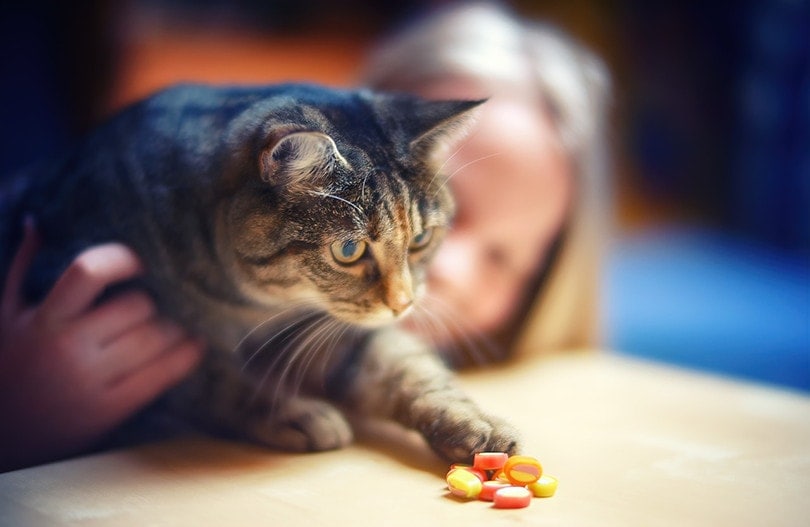
Humans have a sweet tooth—and sharing sweets is one way we show love. So, if you’re eating a lollipop and your kitty comes sniffing around, you might be tempted to share, but that’s definitely not a good idea. Cats should not eat candy, and the same applies to lollipops.
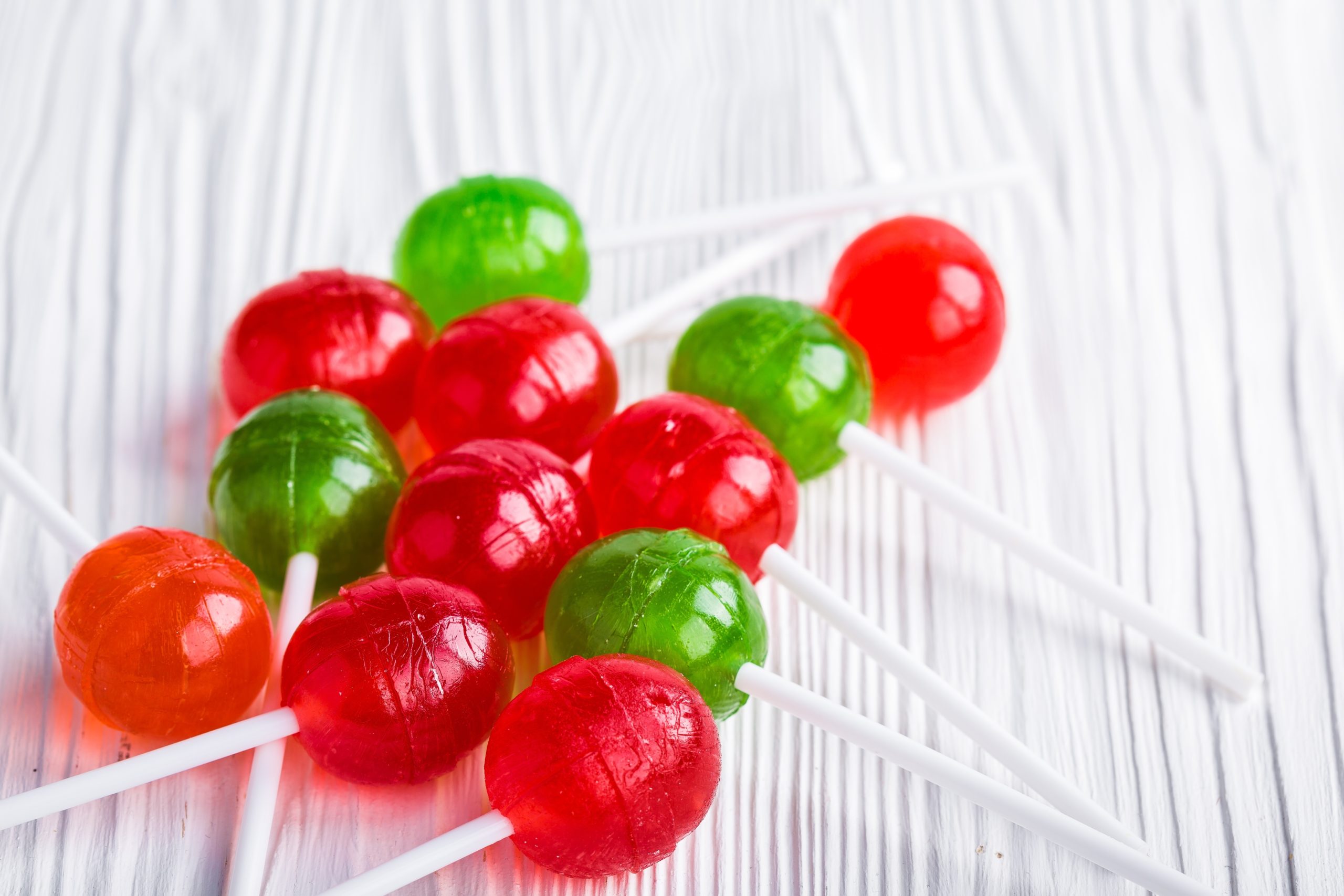
Hard candies like lollipops are usually made of sweeteners like sugar, xylitol, water, flavorings, and food colorings. It’s hard to know what specific chemicals are used to get your lollipop’s flavor and what effect it will have on your cat’s health. Some ingredients may even be toxic. Even if there are no dangerous compounds in your lollipop, sugar isn’t very good for your cat. Your cat probably won’t like sweets anyway.


The 4 Possible Hazards in Lollipops
1. Sugar
The most common ingredient in lollipops is sugar. Sugar isn’t generally toxic to cats, although they can’t taste sweetness the way that humans can. Cats actually lack the sweet taste receptors.1 But sugar—especially the highly processed sugars found in candy—can lead to other issues, such as digestive upset and obesity. Unlike in humans, where eating sugary foods can lead to dental disease, the same is not actually true for cats.2
Cats are carnivores, and their diet should be based on animal protein. There’s also conjecture that a carb-heavy diet leads to obesity, which can predispose some cats for feline diabetes type II. Overweight cats have a 4.6 times higher risk of developing diabetes than cats in ideal body condition.
2. Xylitol
A more dangerous ingredient in many sweets may be Xylitol. For humans, Xylitol is a sweet, low-carb compound used to make sugar-free foods, including candies. Xylitol is very toxic for dogs and may lead to signs of low blood sugar and liver failure, but it doesn’t seem to cause the same serious issues in cats, according to the ASPCA, and for them, it is not considered as toxic as it is in dogs. However, there just aren’t enough studies on cats to say whether it actually may be toxic and in what amount, so this compound should be avoided altogether.
3. Flavorings and Colorings
The biggest wild cards in a lollipop are the flavorings and colorings. Most lollipops use artificial flavors and colors, and these haven’t been tested on animals. Because of this, any ingestion of human candies could be dangerous or may lead to a stomach upset. More severe issues are less likely as the amounts a cat may accidentally ingest tend to be quite small. It’s important to consult with your vet, who can check particular ingredients and their safety or potential toxic effects for your cat. Monitor your cat closely for any signs of illness, and be ready to take your cat to a vet.
4. Choking Hazards
Even if a particular lollipop doesn’t have any toxic ingredients, it can still lead to choking if the cat tries to swallow a larger chunk. The wrapper itself can also cause several issues. Plastic or paper wrappers can be a choking hazard for cats. Your cat might get it stuck at the back of their throat or may even suffocate trying to play with the wrapper, and if they successfully eat it, it might cause an obstruction in their stomach or intestines. Lollipop sticks can also be a choking hazard for cats.
But if Cats Don’t Like Sugar, Why Is Mine Interested?
If your cat is getting into your sweets, it probably isn’t the sugar they’re after! Some cats are fascinated by things their humans eat and want to be in the middle of things. If you’re eating a lollipop and your cat wants a lick, she’s probably just curious. Cats might also be attracted to the sound of crinkling wrappers or the smell of certain additives.
What to Do if a Cat Eats Hard Candy

If your cat eats hard candy, the most important thing to do is to contact your vet for advice and monitor your cat closely over the next few days. In case of toxic ingredients, such as chocolate, your vet will recommend appropriate and prompt treatment.
It’s hard to know what other chemicals are in a hard candy that your cat might react to. It’s also important to read the label and discuss it with your vet. They have access to resources you may not have and will be able to check each ingredient. Signs of minor reactions include diarrhea and vomiting. If your cat has one bout of vomiting and diarrhea and then appears to recover, you probably don’t need to go to the vet, but they will advise you on what to do. More serious signs that may indicate a gastrointestinal blockage, such as vomiting, drooling, lethargy, reduced appetite, and abdominal pain, will need urgent treatment.
The Best Treats for Sharing
So, if you can’t share sweets with your cat, what can you share? The best treats for cats are similar to the things they eat in the wild. Most cooked lean meat without additives or spices is safe for cats and humans to share. Cooked eggs and occasional low-lactose dairy products like hard cheeses are good in small amounts, too. Avoid highly salty or fatty foods and look for high-protein foods. And remember, a treat is only healthy when it stays a treat—for regular meals, your cat should be having formulated and balanced cat food.
See also:
Sources
Featured Image Credit: Skitterphoto, Pixabay
Get Hepper In Your Inbox


Pet care tips from our vets and experts, straight to your inbox.
You may opt-out at any time. View our Privacy Policy for more information.
Chelsea Flake Mortensen is a writer with a passion for pets. She grew up around everything from cats to chameleons and loves working with all kinds of animals. Chelsea has a BA in English and Creative Writing from Brigham Young University.
Chelsea loves reading, writing, sewing, and board games. She's lived in half a dozen US states and two countries. She is currently living in New England with her husband. Her articles have been featured in various magazines and literary journals for children and adults. Her writing has been translated into over 40 languages.
Join the conversation
Ask a question, share your story, or send private feedback.