Hepper is reader-supported. When you buy via links on our site, we may earn an affiliate commission at no cost to you. Learn more.
Can Cats Eat Sugar? Vet-Verified Facts & Safety Guide


In this article
Whether it’s granulated, brown, or powdered, sugar is one of the fundamental ingredients in so many of our favorite treats and desserts. If your cat steals a bite from the sugar bowl while you’re baking, should you be worried? Can cats eat sugar?
Cats can eat plain sugar safely—no matter what type—but it’s not very healthy for them, nor can they even taste sweet flavors. However, many foods that contain sugar may also include other ingredients that are not only unhealthy but unsafe as well. We’ll go over some of these later in this article, as well as discuss some common sugar substitutes and whether they are safe or not.

Why Sugar Is Unhealthy For Cats
To be fair, sugar is unhealthy for both humans and cats. However, because cats are obligate carnivores, they have even less use for a plant-based carbohydrate like sugar than we do. With no nutrition to be found in sugar, your cat is just consuming empty calories.
With about half of all adult pet cats in America suffering from obesity, the last thing they need is extra calories that offer nothing of benefit nutritionally. While the occasional taste of sugar won’t hurt your cat, they shouldn’t be eating a lot of it.
Cats Don’t Have Sweet Tooths
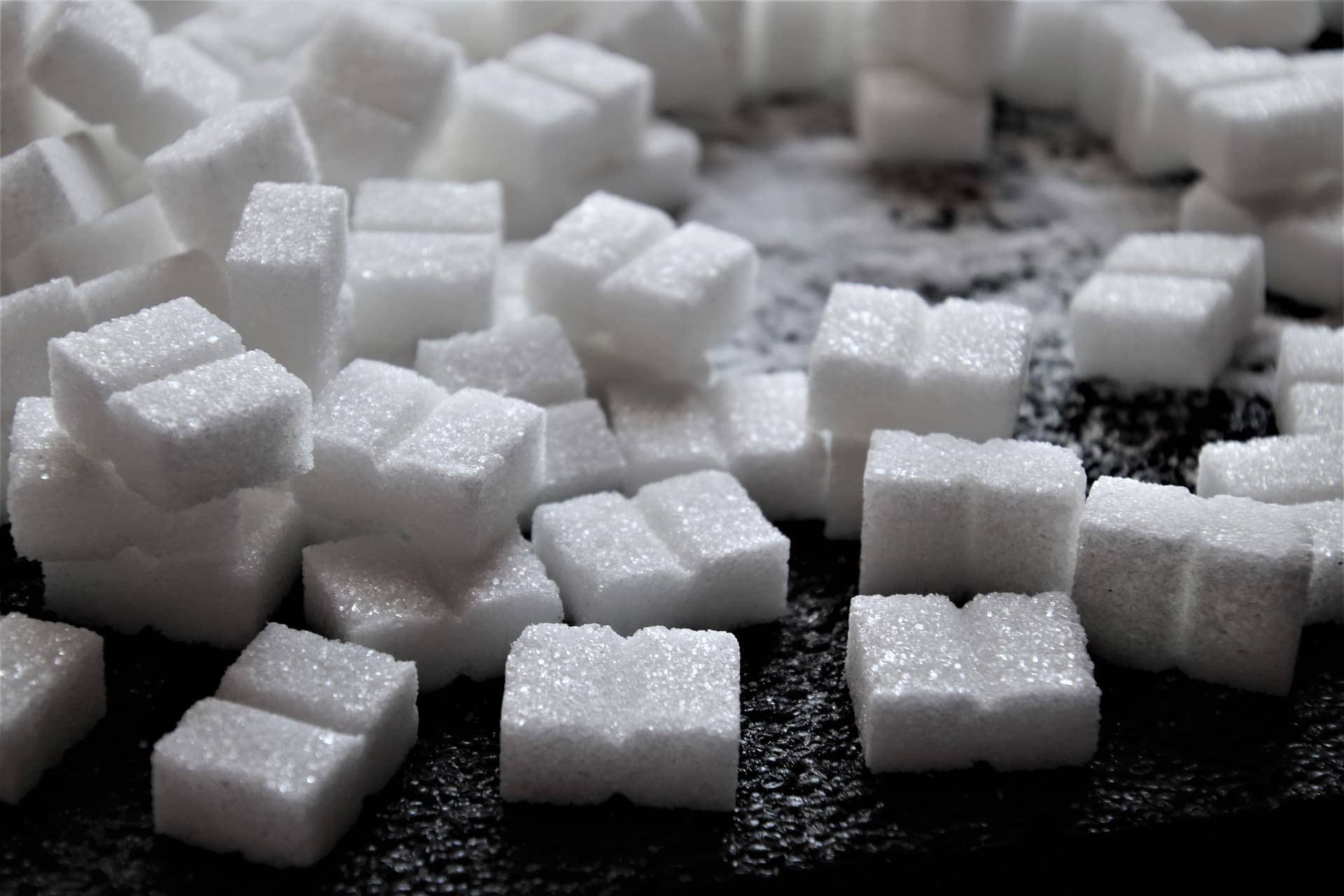
The good news is, your cat probably won't be interested in eating much of anything sweet like sugar anyway. The reason for this is simple: Cats can’t taste sweet flavors.
A cat’s sense of taste is already one of their least well-developed senses. After all, a cat doesn’t need to be able to discern the subtle balance of flavors in a well-composed dish at a five-star restaurant. Compared to the thousands of taste buds we humans possess, cats have only a few hundred.
Of the taste receptors they do have, cats completely lack any that recognize sweet flavors. Cats that do eat sugar are more likely attracted to texture or just plain curious rather than satisfying a craving for sweets.

Sugary Treats To Avoid Feeding Cats
Again, while it’s not particularly healthy for them, your cat can sample a variety of sugary treats and baked goods so long as they don’t contain any other dangerous ingredients. Unfortunately for you both, some extremely common baking ingredients could prove deadly to your cat.
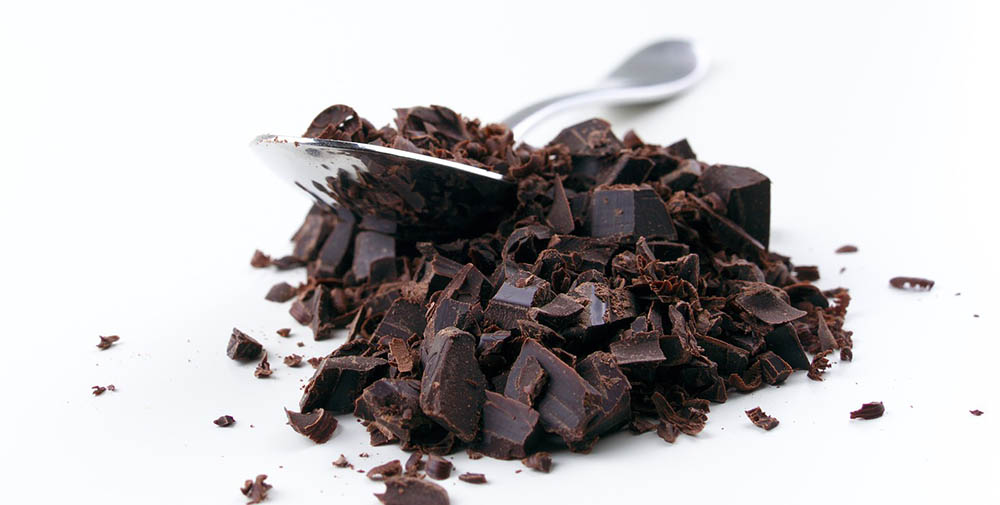
Any food containing chocolate is an automatic no-no for your cat. Chocolate is one of the most common causes of toxicity in dogs and cats. Depending on how much chocolate your cat eats, they could suffer from vomiting, diarrhea, or more serious issues like trouble breathing or heart rhythm abnormalities.
Raisins are also toxic to cats. Ingesting raisins can cause kidney issues or even kidney failure in cats.
In addition, common baking spices like nutmeg, cloves, allspice, and cinnamon are dangerous to cats.
Because sugary foods are often also high in fat, eating too much of them could cause your cat to develop a painful condition called pancreatitis which is more common in cats with diabetes.
What About Sugar Substitutes?
Especially with the recent popularity of low-carb and keto diets, many households are turning to sugar substitutes to sweeten their food. So how safe are sugar substitutes for your cat?
Most of the most common sugar substitutes--including monk fruit and erythritol--are not usually toxic to pets but may cause some digestive upset.
The exception to this is the artificial sweetener, xylitol, commonly used to flavor sugar-free gum and candy, as well as some liquid medications. Xylitol is highly toxic to dogs, causing liver damage and dangerously low blood sugar levels. The effect of xylitol on cats is less clear, but most veterinarians still recommend that you avoid letting them ingest it.
What Should My Cat Be Eating in a Healthy Diet?
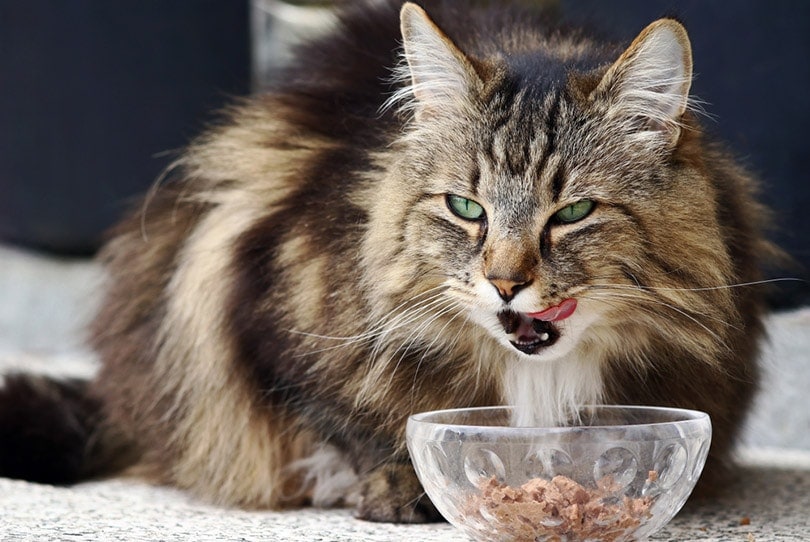
Healthy cats should primarily eat a nutritionally-balanced commercial diet formulated for their specific life stage: kitten, adult, or senior. Cats with special health needs may require prescription food, recommended by your veterinarian.
Some owners prefer to offer their cats homemade diets, which are more time-consuming to prepare and should be formulated with the help of your vet to ensure they are correctly balanced. Cats need certain essential amino acids, like taurine, in their diet.
Supplements are generally not required for healthy cats, and you should check with your veterinarian before adding anything to your cat's diet. Besides food, your cat also needs access to plenty of clean, fresh water.
You may offer your cat treats if you wish but only in moderation to help keep them at a healthy weight.
Now that you know what you can safely feed your cat, it’s just as important to find a bowl that supports their health and well-being. With whisker-friendly bowls and a wide tray to catch any spills, our Hepper NomNom Cat Bowl is our favorite option.

- NO MESS - The 360° tray on this cat food and water bowl set has a raised design to catch and contain stray crumbs and drips. Protect your indoors and floors from wet and messy meals!
- WHISKER FRIENDLY - Shallow and wide metal containers with flat bottoms ensure your kitty can enjoy mealtime free from whisker fatigue!
- CHEW-SAFE MATERIALS - Kittens and cats love chewing on silicone and soft rubber - but it's a choking hazard. Our cat feeding station materials are anti-chew for a 100% safe feeding frenzy!
Conclusion
Unlike humans, cats don't have a natural sweet tooth. As we learned, the opposite is actually true! So your cat probably won't be interested in eating sugar, but if they do, you can feel better knowing it isn't dangerous for them. However, if your cat consumes a sugary treat containing other ingredients known to be toxic, contact your veterinarian right away. The sooner treatment can begin, the better off your cat will be.
Related Reads:
Featured Image Credit: feelphotoz, Pixabay
Get Hepper In Your Inbox


Pet care tips from our vets and experts, straight to your inbox.
You may opt-out at any time. View our Privacy Policy for more information.
A lifelong lover of all creatures great and small, Elizabeth got her first cat at 5 years old and at 14, she started working for her local veterinarian. After spending more than 20 years working as a veterinary nurse, Elizabeth decided to step away to become a stay-at-home parent to her daughter. Now, she is excited to share her knowledge with our pet parents. Elizabeth lives in Iowa with her family, including her two fur kids, Linnard, a husky mix and Algernon, the worldʻs most patient cat. When not writing, she enjoys reading, watching soccer, and spending time outdoors with her family.
Join the conversation
Ask a question, share your story, or send private feedback.