Hepper is reader-supported. When you buy via links on our site, we may earn an affiliate commission at no cost to you. Learn more.
Can Cats Eat Stink Bugs? Vet-Verified Facts & Safety Guide


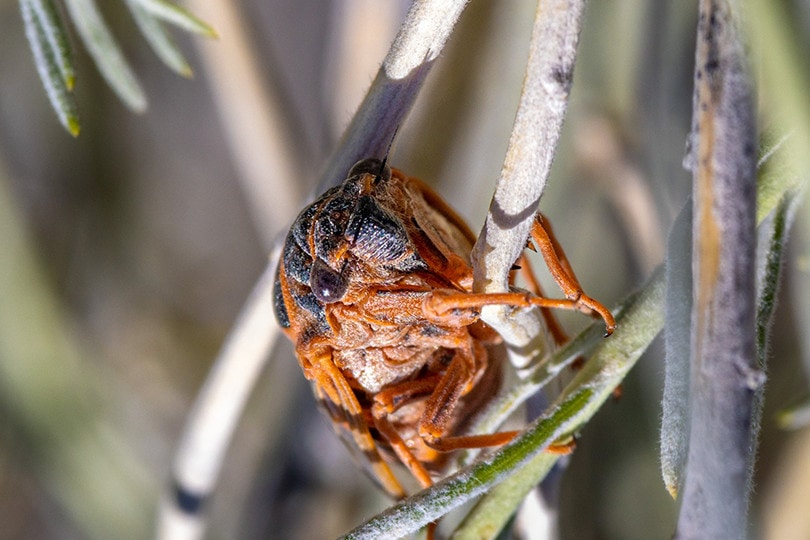
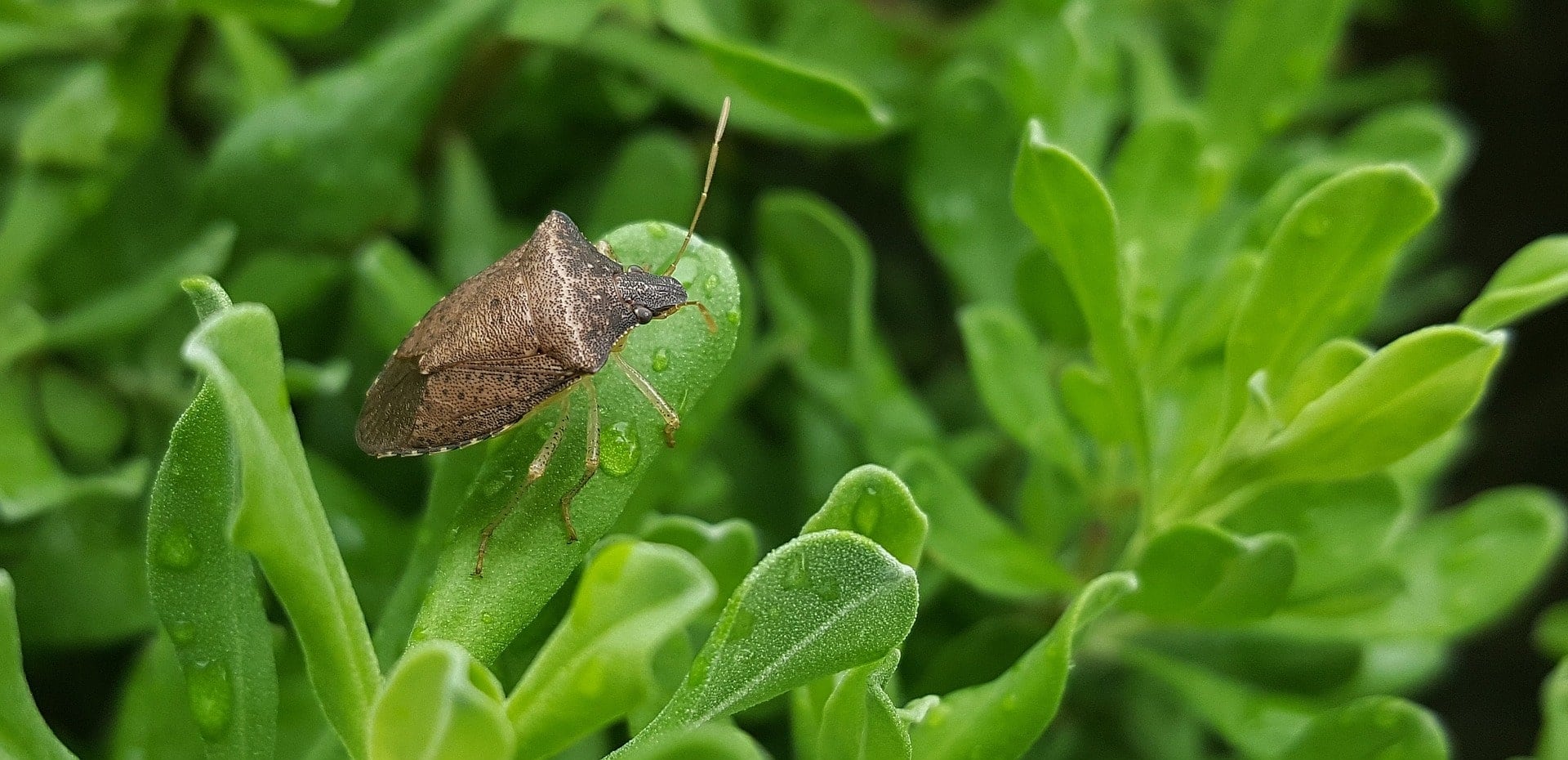
The stink bug is an insect found in Asia but is causing widespread issues with its invasive status, including in the US. Not only do they cause severe damage to the agricultural industry, but they are also, quite simply, incredibly annoying!
Many homeowners will know the awful experience of being infested by stink bugs, who live up to their names by emitting foul odors in defense (much like a skunk!), and their ability to occur in large numbers.
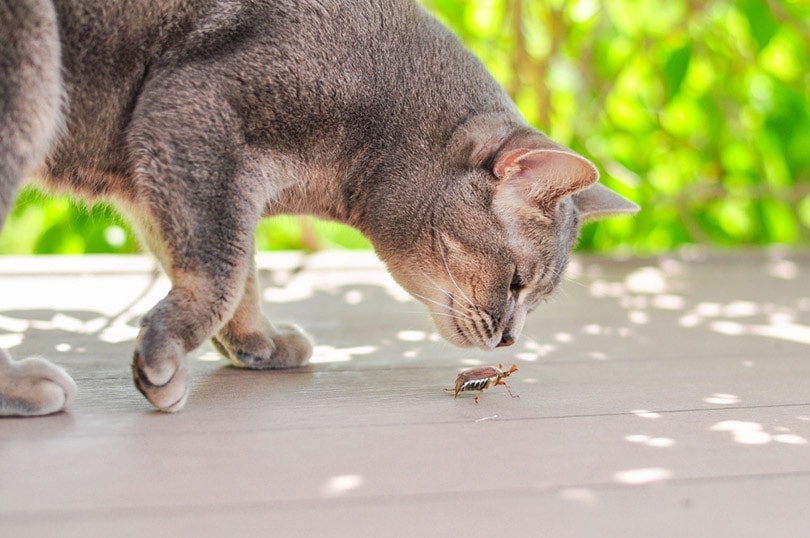
Stink bugs can be a pest around the home, but these flying insects also attract the attention of our cats, who love to chase and hunt them. You may even see your cat trying to eat them and become very worried! Could something so smelly be safe for cats?
Stink bugs are not toxic for cats, so don’t panic if your cat eats them. However, the ingestion of stink bugs does come at some risk, so you should try to keep your cat away from them the best you can.

Are Stink Bugs Safe for Cats to Eat?
Digestive Irritation
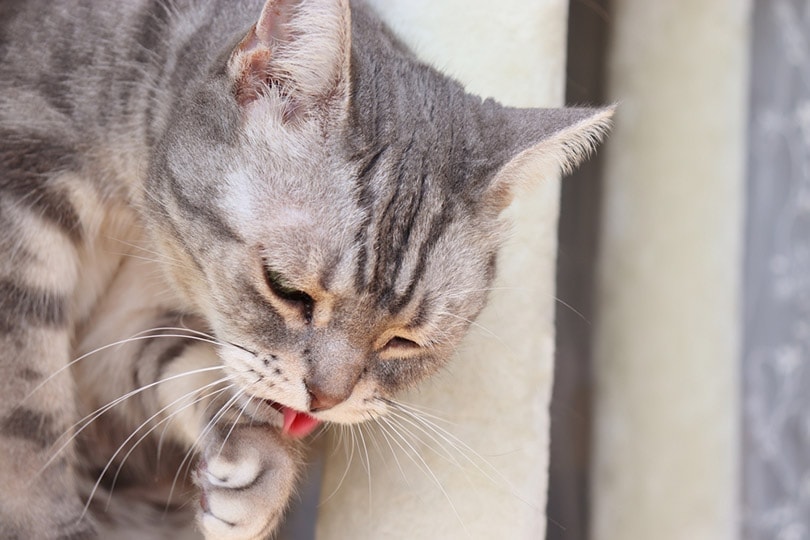
Stink bugs aren’t toxic, but they do give off smelly secretions that can irritate your cat. These secretions could irritate your cat's digestive system starting from the mouth onwards.
Secretions in the mouth could cause redness or swelling on the tongue, gums, cheeks, or lips. It can also irritate the esophagus as it goes down. Inside the stomach and intestine, stink bugs can interfere with digestion.
Additionally, the hard exoskeletons of stink bugs contain chitin which is difficult to break down. These exoskeletons can cause damage to the sensitive intestinal lining. In the worst-case scenario, excess stink bugs may cause a hard mass of undigested chitin, which may require surgery to remove.
Some signs of gastrointestinal upset include:
Eye Irritation
Before a stink bug gets eaten by your cat, it will likely be subject to some chasing and tormenting. At this time, stink bugs will feel threatened and likely activate the defense mechanism that they are named after—a stinky secretion.
Your cat’s eyes can be in the firing line of this secretion, which can cause irritation. While there is no evidence that stink bug secretion will cause permanent damage, it possibly will cause short-term pain.
Signs of eye irritation include:
Affected eyes should be gently wiped with a clean cloth or cotton ball and saline solution or eye rinse. If your cat’s eye issues do not resolve with home treatment, contact your vet.
Pesticide Poisoning
As mentioned, stink bugs are pests. They disrupt the agricultural industries and the local ecosystem and are also simply not welcome in the home. As a result, there are a lot of pesticides used in homes or areas with stink bug infestations to get rid of them.
Stink bugs can carry this pesticide in their bodies and remain alive, but these chemicals can be transferred to the cat’s body when eaten by a pet cat. One pesticide-filled stink bug likely won’t cause much damage, but a lot of them may!
Why Does My Cat Eat Stink Bugs?
Your cat's bowl is full of nutritious food perfectly balanced to meet their every need. So why are they outside chasing and eating bugs?
Cats are obligate carnivores, meaning they eat mainly meat. Insects are not part of their natural diet, but they contain large protein portions! Insects can provide some nutritional top-up for cats, which may be why they are drawn to them.
This urge, however, is not strong. The natural urge your cat has for chasing bugs is likely something much more straightforward: it's fun! Cats love to run, chase, hunt, and stalk any moving things. These behaviors are part of their natural hunting behavior.
Bugs, like stink bugs, make great playthings for cats due to their seemingly erratic behavior and quick movements. Your cat eating stink bugs after catching them is the equivalent of them enjoying their prey in the wild.
Now that you know what you can safely feed your cat, it’s just as important to find a bowl that supports their health and well-being. With whisker-friendly bowls and a wide tray to catch any spills, our Hepper NomNom Cat Bowl is our favorite option.

- NO MESS - The 360° tray on this cat food and water bowl set has a raised design to catch and contain stray crumbs and drips. Protect your indoors and floors from wet and messy meals!
- WHISKER FRIENDLY - Shallow and wide metal containers with flat bottoms ensure your kitty can enjoy mealtime free from whisker fatigue!
- CHEW-SAFE MATERIALS - Kittens and cats love chewing on silicone and soft rubber - but it's a choking hazard. Our cat feeding station materials are anti-chew for a 100% safe feeding frenzy!
Final Thoughts
Your fearsome felines might be adept at patrolling the home for invaded stink bugs, but you should be aware that eating too many stink bugs does come with some risk to your cat. If their stink bug snacking gets out of hand, you should do your best to control them. Eradicating stink bugs from your property is a challenging task but likely much easier than reasoning with your cat, right?
Related Reads:
Featured Image Credit: Pixabay
Get Hepper In Your Inbox


Pet care tips from our vets and experts, straight to your inbox.
You may opt-out at any time. View our Privacy Policy for more information.
After an early start in the veterinary industry and as a conservation educator at Disney’s Animal Kingdom in Florida, Sophie has since been a successful Zookeeper and Conservationist, specializing in native New Zealand species. When she’s not bird watching in native forests or crawling through the underbrush at midnight searching for rare frog species, she can be found with her farmer husband on their sheep and beef station, far from civilization. Alongside them, they have 2 cats, 9 chickens, and 11 dogs (most notably, her sidekick, a black Labrador aptly named Jellybean). Sophie enjoys her writing career as it provides opportunities to help and support pet owners of all kinds to give animals the best welfare possible. The only downside is the long list of strange searches in her internet history!
Join the conversation
Ask a question, share your story, or send private feedback.