Hepper blog

Search our database of over 9,984 posts with up-to-date information from our experts and veterinarians.

Hepper is reader-supported. When you buy via links on our site, we may earn an affiliate commission at no cost to you. Learn more.

Are Cicadas Poisonous to Cats? Vet-Reviewed Safety Facts

By Chantelle Fowler · Reviewed & fact-checked by Dr. Tabitha HensonVet Approved
Dr. Tabitha Henson
Reviewed & Fact-Checked byDr. Tabitha HensonDVM (Veterinarian)
Dr. Tabitha Henson graduated from Midwestern University in 2021. She practices small and occasionally exotic animal medicine. Her clinical interests include internal medicine, dentistry and rehabilitation. She is working on becoming a certified canine rehabilitation practitioner (CCRP). In her free time she enjoys being in nature and spending time with her golden retriever.View authorThe information is current and up-to-date in accordance with the latest veterinarian research. Read about our vets
Share
Ask us a question in the comments
Cicadas

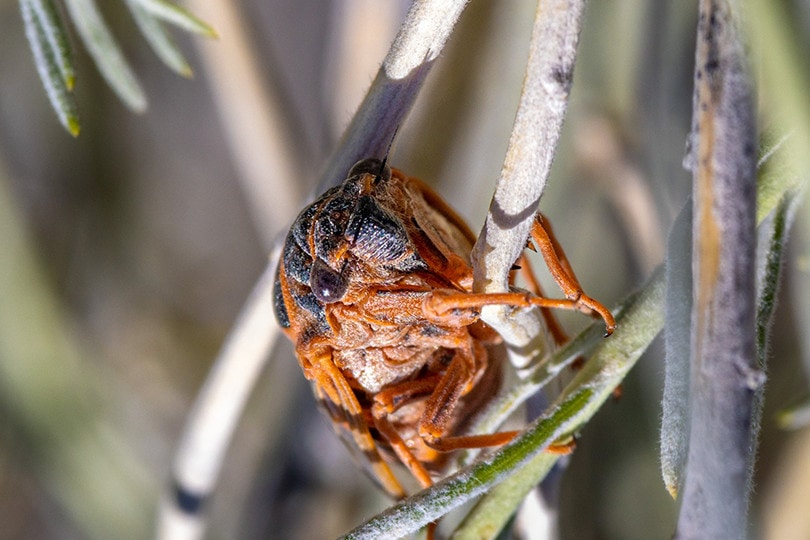
Cicadas are creepy little insects with large eyes and stout bodies. They’re destructive pests that can wreak havoc on young trees and vines. Female cicadas can lay up to 600 eggs, so you can imagine the damage these pests can do when they are out in full force. If they can hurt trees, they must also be capable of hurting our cats, right? Wrong.

Cicadas are actually non-toxic for most cats most of the time. The keyword here is most. While a cicada here and there's unlikely to cause any harm to your cat, eating too many can cause issues, and eating even one can be a huge problem if your cat is allergic to them.

Keep reading to learn more.

Are Cicadas Poisonous to Cats?

Cicadas themselves are non-toxic for both cats and dogs. That said, they aren’t entirely innocuous, and the main problem lies with the quantity of cicadas eaten.

If they’re not part of your pet’s usual diet (which they wouldn’t be since they’re not present all year round), large helpings of cicadas could cause your kitty to experience gastrointestinal upset. Remember, cats have very sensitive digestive systems. Even switching their usual food out for a new brand or flavor can cause vomiting or diarrhea.

Cicadas also have a tough exoskeleton which may be difficult for cats to digest. This can lead to stomach upset. If your pet has eaten quite a few cicadas in a short time frame, a visit to the vet may be in order. Some cats may need intravenous fluids or pain medication to help mitigate the effects of cicada ingestion.

Rarely, cicada ingestion can cause an allergic reaction thanks to the chitin (exoskeleton material). If your kitty is part of the unfortunate few who do have this allergy, you will notice symptoms such as facial swelling, body hives, and itching.
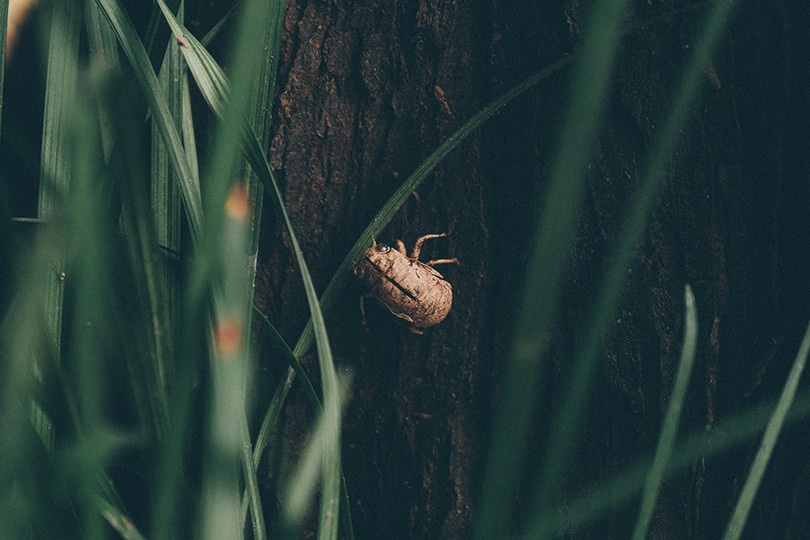
Cicadas Insect
Photo Credit: Ellicia, Unsplash

Why Do Cats Eat Bugs?

It’s normal for cats to eat bugs as it’s part of their natural hunting instinct. Insects provide your little hunter with fiber and protein and even some vitamins like the B vitamins and vitamin C, but your cat is likely eating bugs for the thrill of the chase.

Insects aren’t going to be your cat’s main source of food, but most are an okay snack.

Is It Dangerous to Let My Cat Eat Bugs?

Most bugs are just fine for cats to eat on occasion, including cicadas. That said, some bugs can actually be toxic for cats when ingested, so it’s good to know which to be cautious of.

Potentially toxic bugs include:

  • Poisonous spiders such as the brown recluse
  • Wasps
  • Bees
  • Some moths like the garden tiger moth
  • Caterpillars with hair or spikes
  • Some centipedes like the Texas redheaded centipede
  • Scorpions
  • Fire ants
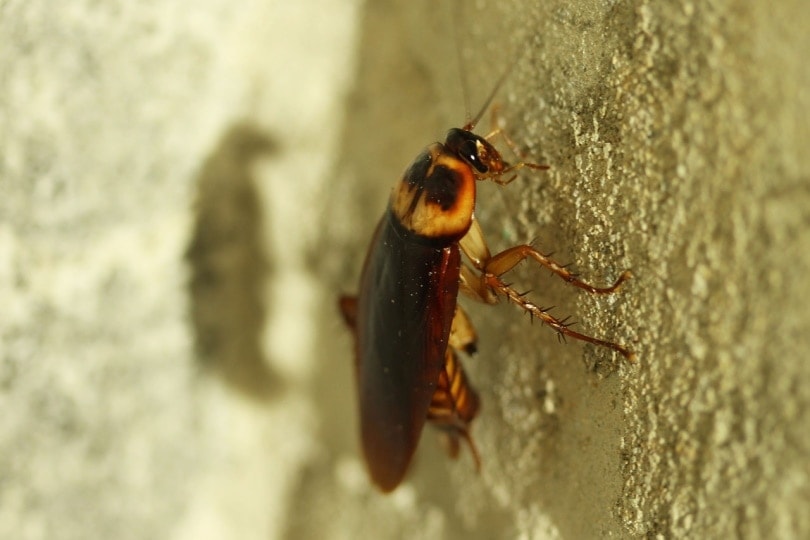
  • Roaches

Some of the bugs above can put up quite a fight which may also put your pet at risk of bites and stings. While anaphylaxis is rare in cats, it can occur when an allergic cat has received a sting or bite from an insect. Unfortunately, there’s no way to know in advance if your cat has an allergy to insects, but there are some symptoms you can be on the lookout for if you know your cat has been eating bugs:

  • Difficulty breathing
  • Swelling
  • Itchiness
  • Drooling
  • Poor coordination
  • Vomiting
  • Diarrhea
Cute cat has fleas and itching. cat diseases. red tabby kitten
Image Credit: Ph.artgraf,Shutterstock

Final Thoughts

It’s perfectly normal and safe for your cat to be interested in hunting insects. It’s ingrained in their DNA to be natural hunters after all. The problem is when your cat decides to eat the fruits of his labor, especially if it’s something new his digestive system isn’t used to.

If you can deter your cat from eating cicadas in large quantities, do so. If you know your kitty has been munching down on these insects and they begin exhibiting unusual systems, it’s best to take them to the vet for examination.

Related Reads:

Sources

Featured Image Credit: Ross Stone, Unsplash

Get Hepper In Your Inbox

Pet care tips from our vets and experts, straight to your inbox.

List

Select all that apply.

You may opt-out at any time. View our Privacy Policy for more information.

Chantelle Fowler
Authored by

Chantelle Fowler

Join the conversation

Ask a question, share your story, or send private feedback.
Rate this post
Required to post. Only our editors see your rating.
Who should see this?

A human reviews every comment before it appears. Your email is never published.

Picked to go with this article

Can Cats Eat Bugs? Vet-Reviewed Health & Safety Guide

Can Cats Eat Bugs? Vet-Reviewed Health & Safety Guide

Cats may not eat everything they come across like dogs do, but they do sometimes eat things that make us go, “Eww!” Take bugs, for example. You’ve likely seen…

Misty Layne
By Misty Layne ·
Are Ladybugs Poisonous to Cats? Keeping Your Cat Safe

Are Ladybugs Poisonous to Cats? Keeping Your Cat Safe

A cat’s fascination with ladybugs and other winged or six-legged beasts can be endearing. When frenzied chattering at a ladybug on the window becomes chasing a…

Kit Copson
By Kit Copson ·
Can Dogs Eat Cicadas? Vet Approved Facts & FAQ

Can Dogs Eat Cicadas? Vet Approved Facts & FAQ

You may be walking with your dog, enjoying the beautiful nature around you, when suddenly, your dog darts to the side and snatches up a cicada in its mouth. It…

Jordyn Alger
By Jordyn Alger ·
Do Cats Eat Bugs & Insects? Nutrition Facts & FAQ (Vet Answer)

Do Cats Eat Bugs & Insects? Nutrition Facts & FAQ (Vet Answer)

Just the thought of bugs may make your skin crawl! Cats, however, love to chase, catch, and sometimes eat these creepy crawlies. In the wild, insects form a no…

Dr. Lindsay Bisset
By Dr. Lindsay Bisset ·

Keep reading

More stories you might like

My Cat Ate a Fly, What Should I Do? Vet Approved Advice

Cats are natural predators that will catch and eat all sorts of small critters. If your cat just ate a fly and you’re worried, the first thing to do is stay ca…

Gregory Iacono
By Gregory Iacono ·
My Cat Ate a Fly, What Should I Do? Vet Approved Advice

Can Cats Eat Grasshoppers? Nutritional Facts & Safety Guide

Insects might be creepy to us, but to our cats, they make a challenging hunt and tasty snacks. Grasshoppers, despite their hard exoskeleton, are no exception.…

Nicole Cosgrove
By Nicole Cosgrove ·
Can Cats Eat Grasshoppers? Nutritional Facts & Safety Guide

Are Lightning Bugs Poisonous to Cats? Vet-Reviewed Toxicity & Facts

Lightning bugs are highly toxic to our reptile and amphibian friends, but less so to larger pets like dogs and cats. But that doesn’t mean you should let your…

Brooke Billingsley
By Brooke Billingsley ·
Are Lightning Bugs Poisonous to Cats? Vet-Reviewed Toxicity & Facts

Do Cats Eat Bees? What You Need to Know

As cat owners, we know our furry felines can get into quite a bit of mischief, as they like to chase around anything, including dangerous animals like snakes a…

Ed Malaker
By Ed Malaker ·
Do Cats Eat Bees? What You Need to Know

Can Cats Eat Moths? Vet-Reviewed Facts & FAQ

Just like their wild counterparts, domestic cats are natural-born hunters and killers. The desire to stalk, chase, and pounce is innate, and that can mean chas…

Nicole Cosgrove
By Nicole Cosgrove ·
Can Cats Eat Moths? Vet-Reviewed Facts & FAQ

Insect Based Cat Food: What It Is & Why It Might Be Beneficial

Have you heard the buzz? Insects are the protein of the future! At least, that’s what some are saying about cat food. Interest in cricket protein, fly larvae,…

Chelsea Mortensen
By Chelsea Mortensen ·
Insect Based Cat Food: What It Is & Why It Might Be Beneficial

Will a Cat Keep Roaches Away? Vet-Reviewed Facts & FAQ

Cats have a reputation as excellent mousers, and they’ve been used for centuries to help control the pest population in homes and food storage areas. If you’ve…

Kathryn Copeland
By Kathryn Copeland ·
Will a Cat Keep Roaches Away? Vet-Reviewed Facts & FAQ

Can Cats Eat Spiders? Nutrition Facts & Safety Guide

Despite the many benefits spiders provide, these eight-legged invertebrates are often a source of fear and terror for many people. Cats may not be able to shar…

Elizabeth Gray
By Elizabeth Gray ·
Can Cats Eat Spiders? Nutrition Facts & Safety Guide