Hepper is reader-supported. When you buy via links on our site, we may earn an affiliate commission at no cost to you. Learn more.
Can Dogs Be Autistic? Causes, Signs & What to Do
In this article
Autism is a serious problem among humans, but few people know it can also occur in dogs. Although rare, autism can occur in dogs, and the effects can vary from barely noticeable to quite serious. If you think your dog might have autism, keep reading while we look at why your pet could have it, what the symptoms are, and what you can do to understand your dog’s needs so you can provide a better quality of life.

Causes of Autism in Dogs
The cause of autism in most dogs is idiopathic, which means that scientists aren’t sure what causes it, and it might even be a spontaneous disease that affects random dogs. Experts believe that it can also be hereditary, transferred through genes from parents to puppies.


The 7 Signs of Autism in Dogs
Unfortunately, the symptoms of autism can be quite subtle in dogs, and many dogs likely go undiagnosed every year.
1. Dysfunction
Your pet may be dysfunctional when interacting with other pets, and its behavior might be unpredictable.
2. Limited Behavior
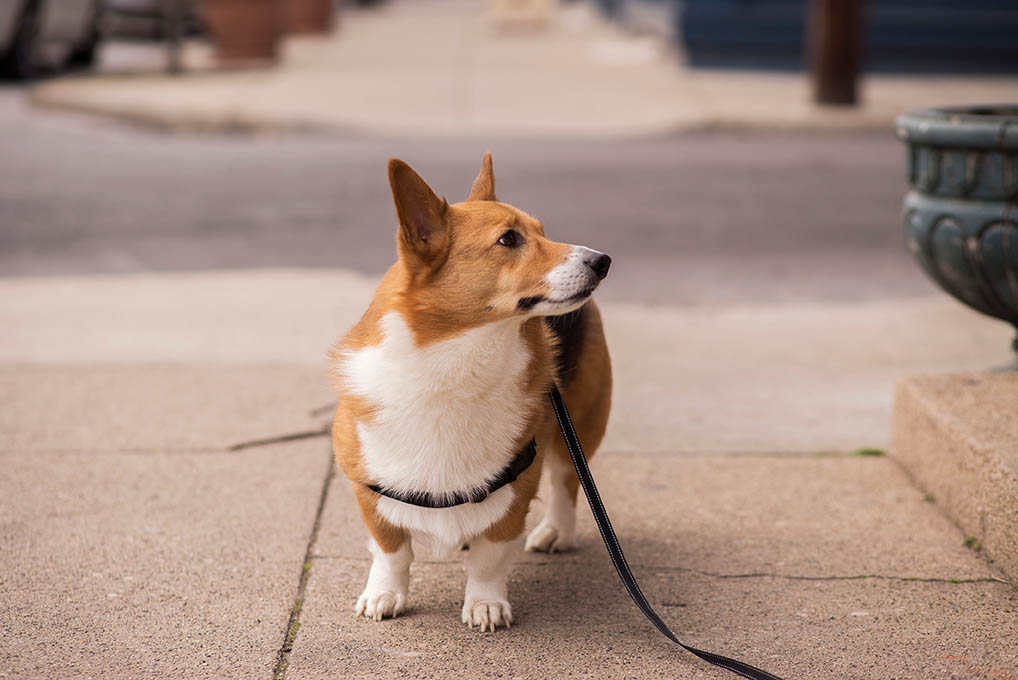
Dogs with autism may limit their behavior. Autistic dogs may insist on sticking to the same walking track and refuse to change. These dogs will also usually only play specific games, refusing to try anything new.
3. Routine
Dogs affected with autism will often follow a strict routine with very little deviation. These dogs will want to walk, eat, and play games in a specific order. Attempting to change this routine can lead to dysfunctional behavior that can break house training.
4. Apathy
Autistic dogs might not show the range of emotions that you will see with other dogs. These dogs will not usually get as excited when you get home from work or are getting ready to go for a walk. They may not beg for food like other pets do at dinner time.
5. Low Energy

You will likely notice that an autistic dog isn’t as active as other dogs. You will rarely find them chasing squirrels or looking to get family members to play. They won’t run from window to window when someone comes on the porch and may not even bark at strangers. They will usually prefer to stick to their schedule and lounge around.
6. Isolation
Some autistic dogs may prefer to keep to themselves, especially if there are kids around that might try to get them to play. They will often find out of the way corners, or hide under the bed, depending on how big they are.
7. Organization
Another curious behavior autistic dogs may exhibit is a need to organize things, similar to the way autism presents in humans. You may notice your dog keeping certain toys in one place and a different set of toys in another. If you mix them up, the dog will sort them again properly.
8. Diet

You may also notice that your autistic dog is extremely picky when it comes to the food they will eat. These dogs will often only eat one kind of food and one treat if you are lucky. They will not look to get your dinner the way most dogs do.
Helping Your Dog Live With Autism
Unfortunately, there is no cure for autism, so you will need to do your best to help your pet live with it. If you notice your dog displaying the symptoms of autism, we recommend taking them to the vet and getting them checked out. The vet can rule out other illnesses, and you will get a professional opinion and advice on how to proceed. You will need to introduce new things to your dog slowly and give them time to adjust. Be patient and try not to show disappointment, which might upset your dog. You may also need to make special arrangements to allow your dog to stick to their strict schedule so they can eat, walk, and play at the same time each day and not trigger an episode.
You shouldn’t consider a dog with autism to have a disease. They are not sick, and your dog could live a long and healthy life like any other. A pet counselor or dog trainer might be able to help your dog open up more and can even teach you some tricks for improving their quality of life.


Summary: Autistic Dogs
While dog autism is very rare, it can occur in any dog breed. While many experts think it might be hereditary, others believe it could occur spontaneously. It’s not life-threatening or contagious, so you don’t need to worry if you see your pet exhibiting some of the symptoms. Autistic dogs are still wonderful pets and only require a little variation in care and method of interaction. Some dogs may not even show any symptoms. If you think your pet may be autistic, we recommend taking them to the vet to get checked. If your fears are confirmed, a pet counselor can be a lifesaver for both of you and allow you to get on the fast track to managing this condition.
We hope you have enjoyed reading and have found the answers you need. If we have helped you understand this condition better, please share this guide to what you need to know about autistic dogs on Facebook and Twitter.
Related Reads:
Featured Image Credit: Wichatsurin, Shutterstock
Get Hepper In Your Inbox


Pet care tips from our vets and experts, straight to your inbox.
You may opt-out at any time. View our Privacy Policy for more information.

Nicole is a lover of animals of all sizes but is especially fascinated with the feline variety. She’s the proud mom of Baby, a Burmese, and works every day so he can relax in the sunshine or by the fire. She’s always had a cat in her home and has spent countless days with others, observing behaviors and softening up even the grouchiest of the lot. Nicole wants to share her kitty expertise with you so you and your cat can live happy, healthy, and care-free.
Join the conversation
Ask a question, share your story, or send private feedback.