Hepper is reader-supported. When you buy via links on our site, we may earn an affiliate commission at no cost to you. Learn more.
Can Dogs Eat Banana Bread? Nutirition Facts & Safety Guide

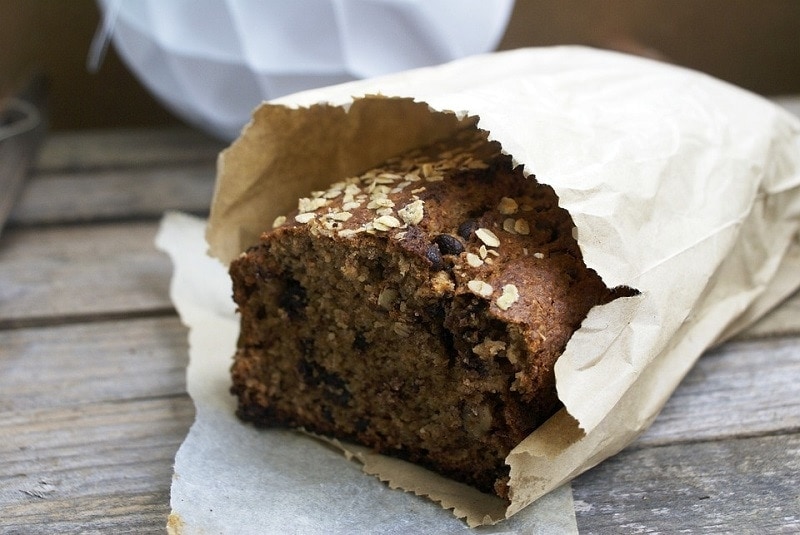
What good is a snack if you can’t share with your dog, right? Some owners are strict diet planners who allow no human food while others love tossing a bite their dog’s way. If you’re enjoying a moist slice of delicious banana bread, you may wonder—can dogs eat banana bread?
The answer is a small chunk of banana bread isn't harmful, but your pup shouldn't eat a lot or eat it very often.
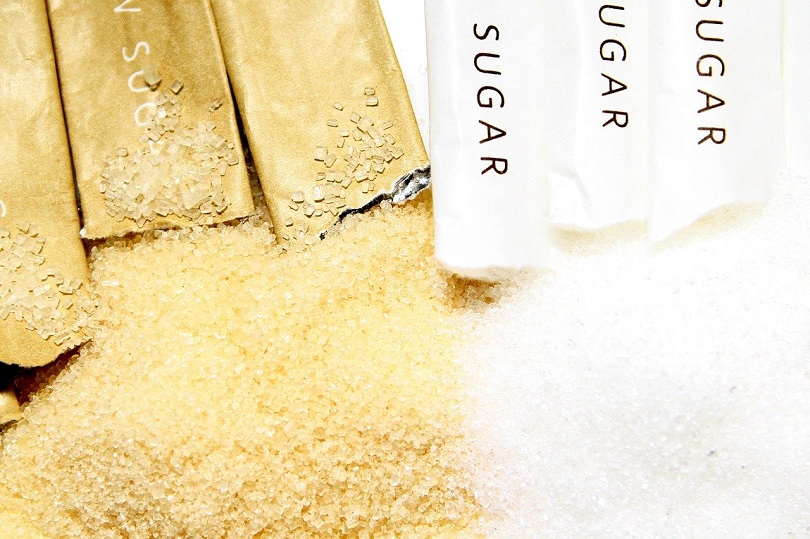
The problem isn't bananas, it's the sugar and other ingredients that are very harmful for your dogs, so you have to know what’s in the mix. Let’s see what makes banana bread edible or inedible for your furry buddy.

What’s Good About Dogs and Banana Bread?
Bananas are an incredibly healthy snack for your dog. In fact, it’s one of the best fruits you can give them. So, it's okay to give your dog a banana—occasionally. Why? That’s an easy answer.
Bananas are chock full of:
When it comes to banana bread, wheat flour is another main ingredient. Some dogs may have sensitivities or allergies to grain, but those who don’t can reap the nutritional benefits.
Wheat flour has lots of:
What’s Not-So-Good About It?
Like a great deal of human food, banana bread has its downfalls. We shouldn't be eating it on a regular basis. Here and there it will do no harm, but too much of a good thing is a bad thing.
Banana bread has:

Watch for Dangerous Ingredients
Depending on where you get the banana bread, it can have potentially harmful—even deadly—ingredients. You need to be aware of these, so you don’t wind up at the vet with a very sick pooch.
Look out for:
If you suspect your dog ate any banana bread with one or more of these ingredients, it’s imperative that you act fast. Take them to your veterinarian right away so that they can be treated accordingly.

Wheat Allergies and Grain Sensitivities
If you have a dog who suffers from wheat allergies or gluten sensitivities, steer clear of banana bread—even in small doses. While you may already be aware of this condition, it could still be under the radar for some. Good news—there are signs that should set off some alarms.
If you aren’t sure, look for visual cues to guide you.
Typically, sensitivities and allergies cause:
If you think your dog might have an issue with grain or gluten, consult with your veterinarian before you make any real dietary changes.
Store-Bought vs Homemade
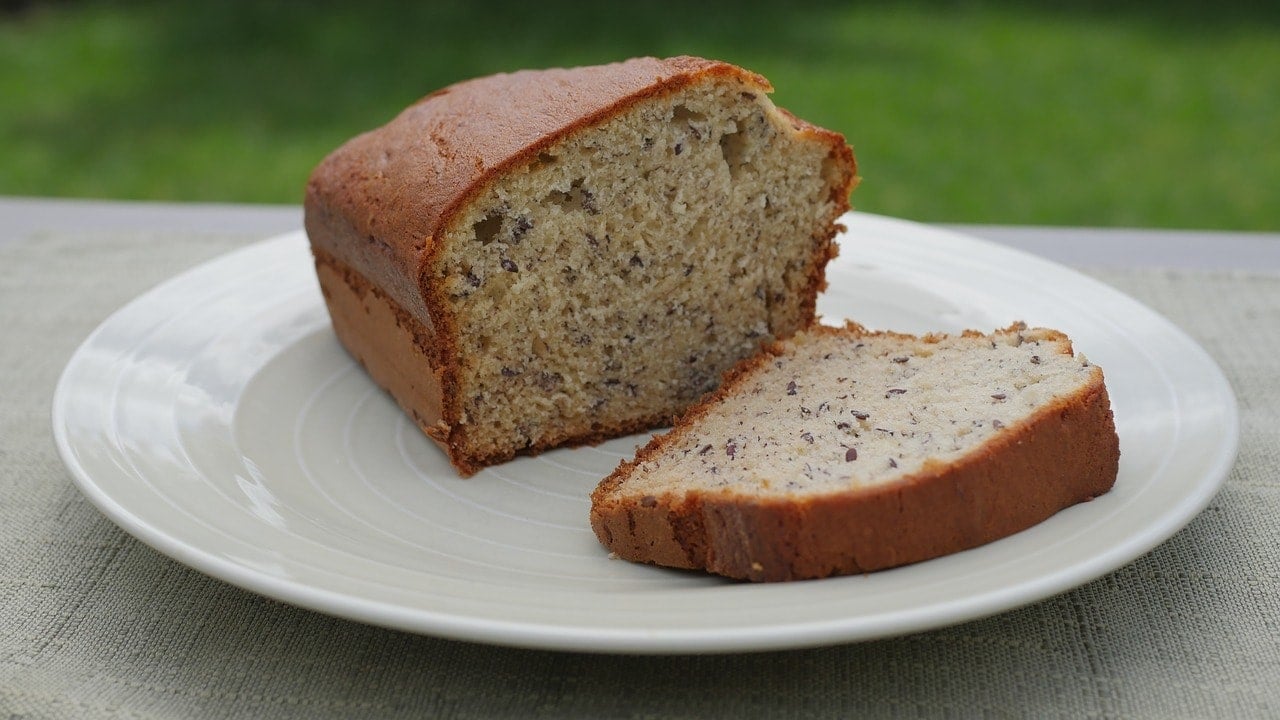
If you can, stay away from store-bought banana bread altogether. There will be tons of ingredients that you might not even be able to pronounce, so it’s best to leave that for the humans and offer only homemade bread to your dog.
Certain spices, sweeteners, and other parts of the recipe might not agree with your dog’s stomach. At the very least, you might be dealing with a case of vomiting, diarrhea, or overall discomfort.
With homemade bread, you control exactly what ingredients you add to ensure it’s safe for your pup to eat. The more you can pinpoint what’s in it, the better off your dog will be. Simplicity is better—and if you’re unsure of the safety of an ingredient, it’s worth a quick Google before you hand it over.

Dogs and Banana Bread: Final Thoughts
Regardless of where you got the banana bread, your dog doesn’t need to munch on it all the time. It should be something you might offer as a reward or if you want them to share, but nothing more. At least you know that it is typically safe for your dog—barring any allergies.
If your dog got into your banana bread stash, they should be fine—even if they ate it in large quantities. Unless, of course, it contains one of the dangerous ingredients listed above. And remember, when it comes to feeding your pup, half of a ripe banana is better than baked bread.
Related Reads:
Featured Image Credit: Biea, Pixabay
Get Hepper In Your Inbox


Pet care tips from our vets and experts, straight to your inbox.
You may opt-out at any time. View our Privacy Policy for more information.

Nicole is a lover of animals of all sizes but is especially fascinated with the feline variety. She’s the proud mom of Baby, a Burmese, and works every day so he can relax in the sunshine or by the fire. She’s always had a cat in her home and has spent countless days with others, observing behaviors and softening up even the grouchiest of the lot. Nicole wants to share her kitty expertise with you so you and your cat can live happy, healthy, and care-free.
Join the conversation
Ask a question, share your story, or send private feedback.