Hepper blog

Search our database of over 9,984 posts with up-to-date information from our experts and veterinarians.

Hepper is reader-supported. When you buy via links on our site, we may earn an affiliate commission at no cost to you. Learn more.

Can Dogs Eat Bran Flakes? Vet-Approved Nutritional Facts & FAQ

By Codee Chessher · Reviewed & fact-checked by Dr. Karyn KanowskiVet Approved
Dr. Karyn Kanowski
Reviewed & Fact-Checked byDr. Karyn KanowskiVeterinarian
Karyn has lived in the UK for the past 10 years after moving from Queensland, Australia. In 2010, she graduated from The University of Queensland School of Veterinary Science, and also holds a Bachelor’s degree in Zoology. Karyn is passionate about using evidence, experience, and owner collaboration to provide the best solutions for pets, and believes in making reliable information about animal health accessible to all. She shares her home with 5 cats, 4 dogs, and 1 husband, and when she is not practising as a veterinary surgeon, she spends her time writing, gardening, and cleaning up pet hair!View authorThe information is current and up-to-date in accordance with the latest veterinarian research. Read about our vets
Share
Can Dogs Eat Bran Flakes

Bran Flakes are a healthy breakfast choice for humans, so it is only natural you’d think about sharing with your favorite four-legged buddy when you pour yourself a bowl in the morning. Is It safe, though, and can dogs reap the health benefits of bran flakes like us?

Yes, dogs can eat bran flakes, but you’ll want to skip the milk. Bran adds valuable dietary fiber that can help regulate your dog’s digestion, and it’s a fine low-sugar snack for canines.

If you’re interested in more details about how bran flakes are healthy for your dog, how to safely serve them, and some other fiber-rich foods you can share with your favorite four-legged friend, you’re not alone. Scroll down to get all that info and more!

Nutritional Content & Benefits of Bran Flakes for Dogs

Bran flakes are known for being healthy, but have you ever really read their label? They are a little high in calories for dogs, but in small servings, the other nutrients like protein and iron are well worth the risk. Plus, this shouldn’t be an issue if you only offer it as a small treat on rare occasions. Let’s take a closer peek at exactly what’s in a serving of bran flakes and what it does for your dog.

Nutritional Content & Benefits of Bran Flakes (1.5 ounce/45g serving):

  • 158 calories: This is fairly high, making portion control important when sharing bran flakes with your dog.
  • 6.4g fiber: Made from whole grains, bran flakes are rich in dietary fiber that aids digestion and is good for heart health.
  • 1.3g fat: Bran flakes are very low in harmful saturated fats.
  • 4.3g protein: Protein is essential for dogs and bran flakes are a surprisingly rich source of the stuff!
  • 13mg iron: Bran flakes are a rich source of iron for dogs, helping keep their red blood cells and circulatory system healthy.

The main benefit of adding fiber to your dog’s diet is to aid in the production of healthy, formed stools. This is particularly helpful if your dog suffers from anal gland problems.
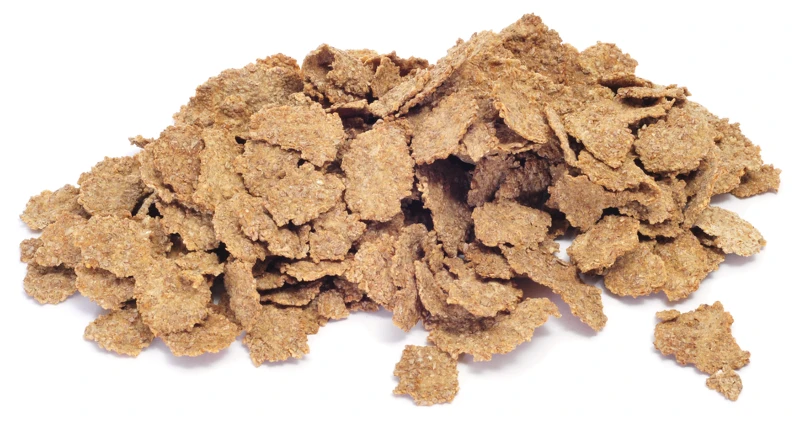
pile of bran flakes on white background
Image Credit: nito, Shutterstock

When to Avoid Bran Flakes for Dogs

Bran flakes are healthy in small amounts to streamline your dog’s digestion and keep their bowels regular, but they are not really for dogs. They’re fine as a little treat or to add a little fiber to their diet, but in reality, bran flakes aren’t the best choice for your dog to eat regularly. Let’s look at a few situations when to not feed your dog bran flakes.

When to Avoid Feeding Your Dog Bran Flakes:

  • If your dog has a sensitive stomach
  • If your dog suffers from dehydration or constipation
  • If the bran flakes contain added raisins, sugar, or unhealthy artificial sweeteners
  • If your dog is obese

Bran Flakes Serving Tips

woman feeding her dalmatian dog
Image Credit: Africa Studio, Shutterstock

Don’t just dump flakes into your dog’s bowl and call it a day. They need their food prepared in a way that keeps their dietary needs in mind. To help your dog enjoy bran flakes more safely, follow some of our serving tips below.

Serving Tips:

  • Choose plain flakes: Opt for plain bran flakes without added sugar, raisins 1, artificial sweeteners like xylitol 2, or other potentially harmful preservatives.
  • Moisten the flakes before serving: Dampen the flakes with warm water to mitigate the risk of choking and to help your dog digest the flakes more easily.
  • Start small: Offer a small amount of moist bran flakes either by themselves as a snack or mixed in with dry/wet dog food at mealtimes. First, see if they tolerate it well, and then you can make it an occasional treat.

What Other High Fiber Foods Can My Dog Eat?

If you’re looking for ways to add fiber to your dog’s diet and help their digestive system, bran flakes are a reasonably good way to do that. Of course, there are plenty of other fiber-rich foods that you can switch out with bran flakes to add variety to their diet without skimping on dietary fiber. Check a few of those out below.

High Fiber Foods for Dogs:

  • Carrots: Chopped carrots are a great natural dental treat that keeps your dog’s teeth clean, provides plenty of fiber, and also contains healthy antioxidants like beta-carotene.
  • Zucchini: Diced zucchini adds a unique sweet twist to your dog’s mealtime along with lots of fiber, vitamins A, C, and K, and other trace minerals, like potassium and magnesium.
  • Green beans: Cooked green beans are a great source of protein, iron, and fiber that helps keep your dog fuller for longer after mealtime.
  • Apples: Low in sugar and calories, apples are a delicious sweet treat for dogs with high fiber and vitamin C content. Be sure to skip the seeds, core, and stems, though!
  • Pumpkin: This is a tasty vegetable that is great for adding fiber and improving intestinal function.

How Else Can I Add Fiber To My Dog’s Diet?
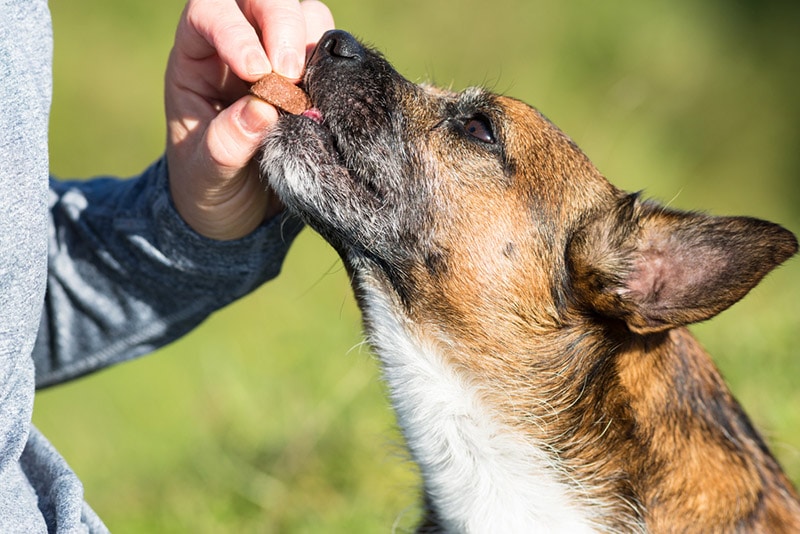
dog getting a supplement
Image Credit: Rob kemp, Shutterstock

If you are looking for a way to improve the quality of your dog’s bowel movements, reduce bloating or gassiness, or aid in the normal expression of their anal glands, there are a few other things you can add to their food.

  • Fiber supplements: products such as Glandex or Pumpkin powder are designed to help dogs with anal gland issues, and have the right ingredients and measures for dogs.
  • Psyllium husk: a common ingredient in many fiber supplements, including Metamucil for humans. It absorbs moisture, and can form a sort of gel-like consistency in liquid. Start with a small amount mixed into their food; 1-2 teaspoons a day is usually enough for the average dog, but starting too quickly can cause abdominal discomfort.

Final Thoughts

Dogs can eat small amounts of bran flakes regularly to add some fiber to their diet, but make sure you choose a plain brand and moisten the flakes before serving them. Some other high-fiber foods you can mix in are carrots, apples, and pumpkin, or check out some fiber supplements to keep your dog’s bowels happy and healthy.


Featured Image Credit: BestPhotoStudio, Shutterstock

Get Hepper In Your Inbox

Pet care tips from our vets and experts, straight to your inbox.

List

Select all that apply.

You may opt-out at any time. View our Privacy Policy for more information.

Codee Chessher
Authored by

Codee Chessher

Join the conversation

Ask a question, share your story, or send private feedback.

Rate this post
Required to post. Only our editors see your rating.
Who should see this?

A human reviews every comment before it appears. Your email is never published.

Picked to go with this article

Can Dogs Eat Cereal? Is Cereal Safe for Dogs?

Can Dogs Eat Cereal? Is Cereal Safe for Dogs?

Few things are more enjoyable to us than the crunch of a good cereal, and the sound of your morning munching might make your dog come running for his share. Be…

Nicole Cosgrove
By Nicole Cosgrove ·
11 Good Fiber Sources for Your Dog: Vet-Verified Nutrition Facts

11 Good Fiber Sources for Your Dog: Vet-Verified Nutrition Facts

Similar to humans, dogs need an adequate amount of fiber in their diet to stay healthy. It aids in their digestion and acts as a prebiotic for their beneficial…

Nicole Cosgrove
By Nicole Cosgrove ·
Can Dogs Eat Granola? Vet Reviewed Nutrition Facts & Safety Guide

Can Dogs Eat Granola? Vet Reviewed Nutrition Facts & Safety Guide

With a laundry list of healthy ingredients like oats, whole grains, dried fruit, and nuts, granola probably sounds like the perfect healthy snack for dogs and…

Chantelle Fowler
By Chantelle Fowler ·
5 Benefits of Pumpkin for Dogs (Based on Science)

5 Benefits of Pumpkin for Dogs (Based on Science)

If you're looking for a way to enhance your dog's diet with some type of supplement, you might have run across pumpkin. Pumpkin has numerous health benefits fo…

Ashley Bates
By Ashley Bates ·

Keep reading

More stories you might like

Can Dogs Eat Cream of Wheat? Vet Approved Advice

As dog lovers, we should always be aware of what people's foods pose a risk to our beloved companions and which ones are safe for them to eat. Cream of Wheat i…

Lindsey Lawson
By Lindsey Lawson ·
Can Dogs Eat Cream of Wheat? Vet Approved Advice

Can Dogs Eat Bread? Vet-Reviewed Facts & FAQ

If your household is like most, there is probably always a loaf of bread sitting around on the counter or in the fridge. Bread is the perfect addition to meals…

Nicole Cosgrove
By Nicole Cosgrove ·
Can Dogs Eat Bread? Vet-Reviewed Facts & FAQ

Can Dogs Eat Pancakes? Vet-Reviewed Facts, Considerations & Alternatives

For most of us, our dogs are beloved members of the family. We don’t like for them to feel left out, so we often share scraps of our meals with our four legged…

Nicole Cosgrove
By Nicole Cosgrove ·
Can Dogs Eat Pancakes? Vet-Reviewed Facts, Considerations & Alternatives

Can Dogs Eat Fruit Snacks? Vet Reviewed Facts You Need to Know!

Fruit Snacks are a popular candy choice, often coming in the form of a gummy with a fruit flavor. They are a fun treat for adults and kids alike. They come in…

Nicole Cosgrove
By Nicole Cosgrove ·
Can Dogs Eat Fruit Snacks? Vet Reviewed Facts You Need to Know!

Can Dogs Eat Captain Crunch? Vet-Reviewed Advice

If you have a dog, you know how it feels when they’re begging you for food or when they get into something when you’re not around. But should you feed them Cap…

Adam Mann
By Adam Mann ·
Can Dogs Eat Captain Crunch? Vet-Reviewed Advice

13 Fruits Dogs Can Eat Safely: Vet-Approved Types (With Pictures)

Fruits make a tasty, sweet treat for us to eat, and many fruits are extremely affordable. If you live near a grocery store, they are also usually widely availa…

Brooke Billingsley
By Brooke Billingsley ·
13 Fruits Dogs Can Eat Safely: Vet-Approved Types (With Pictures)

Can Dogs Eat Pineapple? Vet-Approved Feeding Tips

Pineapple is a delicious tropical fruit, especially in summer when its juiciness offers thirst-quenching qualities. But is this tasty tropical treat something…

Chantelle Fowler
By Chantelle Fowler ·
Can Dogs Eat Pineapple? Vet-Approved Feeding Tips

Can Dogs Eat Flaxseed? Vet-Reviewed Nutrition Facts & FAQ

If you take your dog's health seriously, you might have seen buzz in the natural foods world talking about the benefits of flaxseed for dogs. If you know very…

Ashley Bates
By Ashley Bates ·
Can Dogs Eat Flaxseed? Vet-Reviewed Nutrition Facts & FAQ