Hepper is reader-supported. When you buy via links on our site, we may earn an affiliate commission at no cost to you. Learn more.
Why Do Dogs’ Anal Glands Fill Up? Vet-Verified Facts & FAQ

In this article
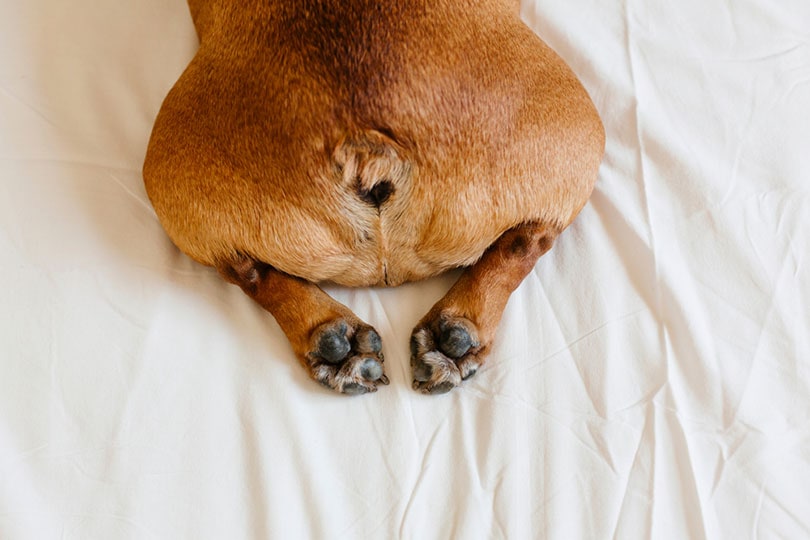
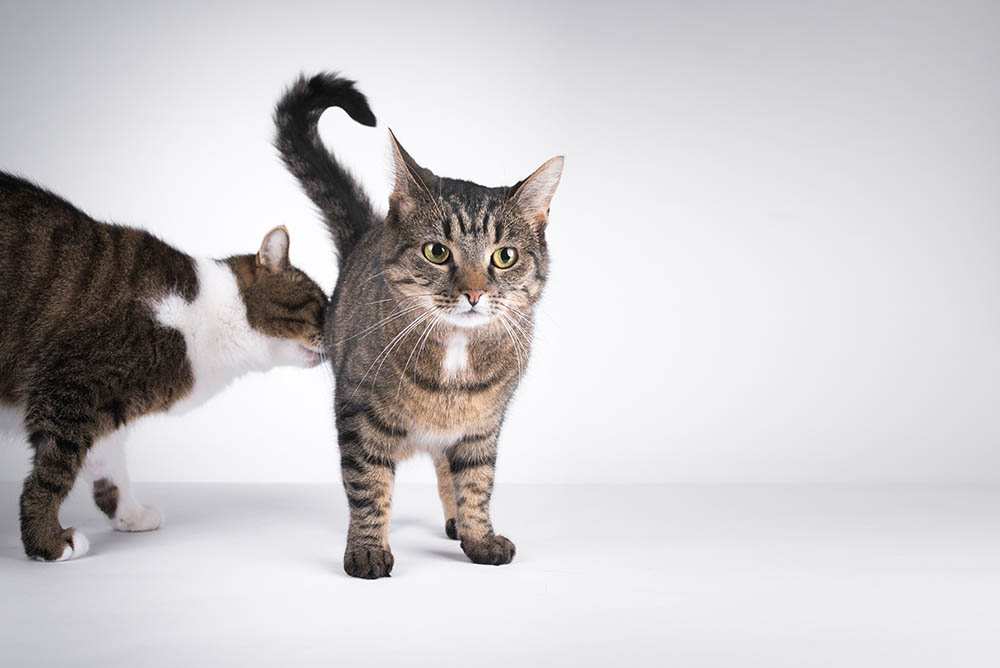
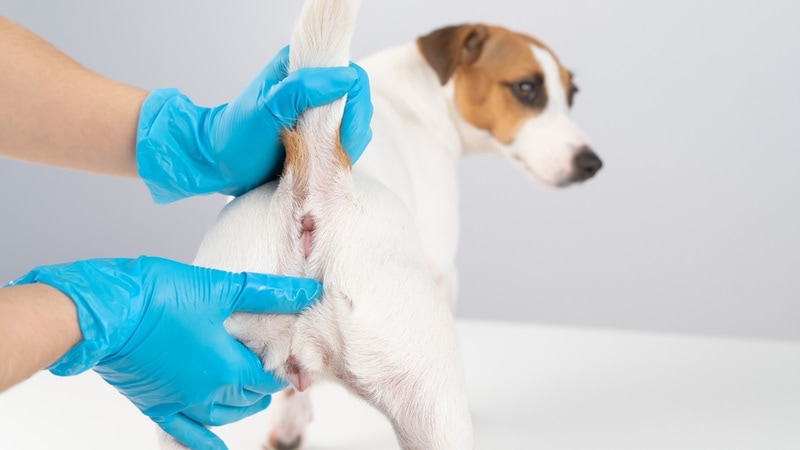
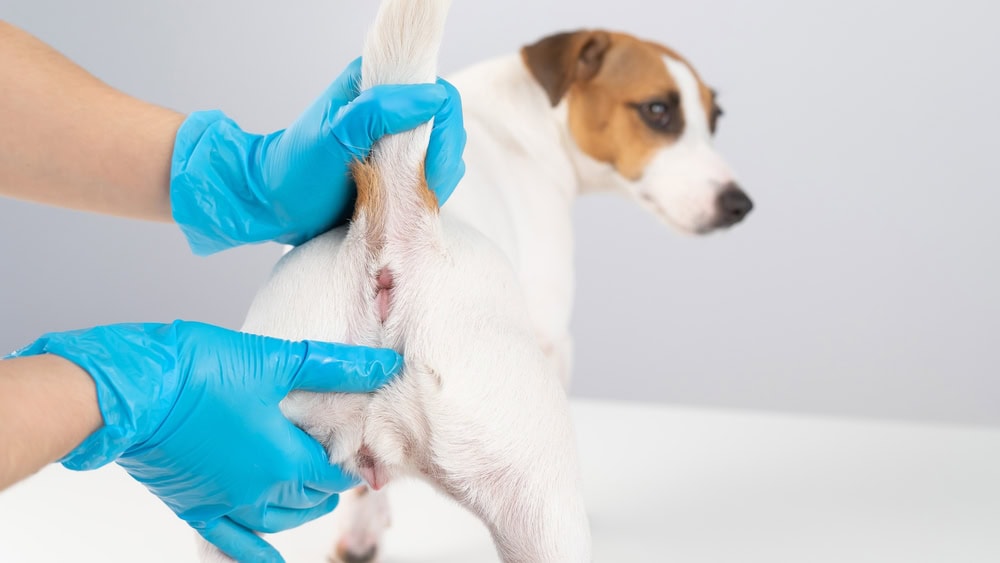
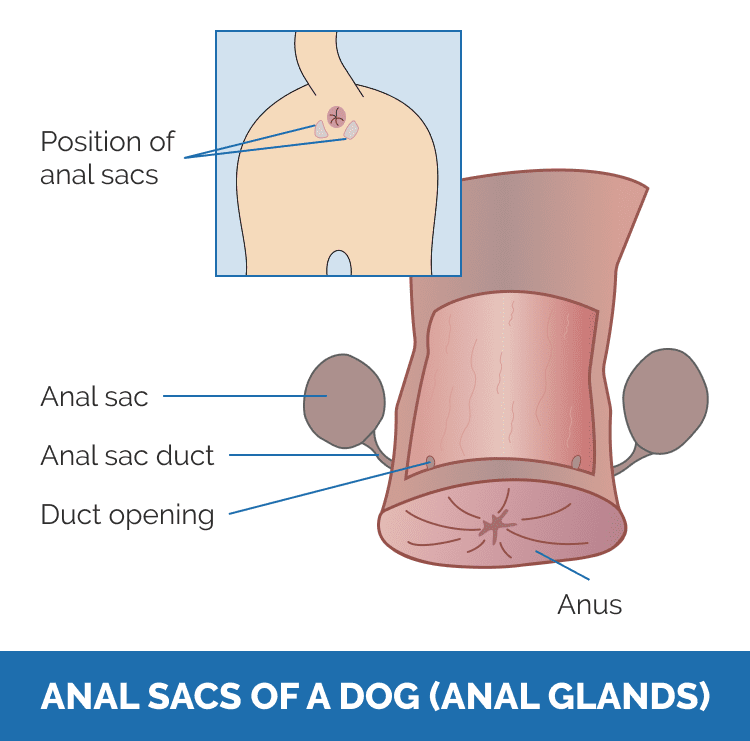
The pair of tiny sacs located just inside your dog’s anus are known as the anal glands, or the anal sacs. They have a strong-smelling liquid inside that is used as a form of communication between dogs. When dogs poop, healthy anal glands empty.
So, why do dogs anal glands fill up? Many factors can cause anal glands to fill, but the most common one is when there hasn't been enough pressure to force the glands to empty, and this often occurs after periods of diarrhea.1
When glands are not emptied correctly, they are likely to become swollen, blocked, or impacted. If they are impacted for a long time, they can develop infections, which cause inflammation, pain, and sometimes even fever and abscesses.

How Can You Tell If Your Dog’s Anal Glands Are Full?
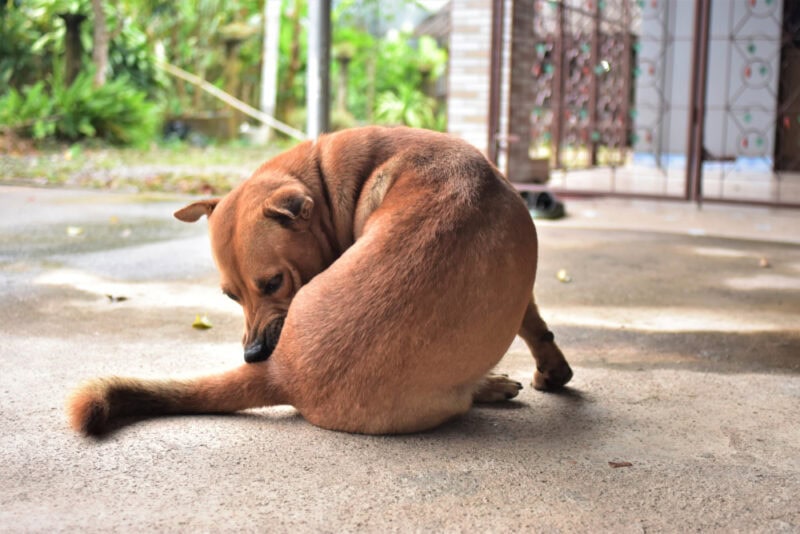
The anal glands of dogs frequently fill up if the bowels haven't been properly emptied or after several days of passing mushy stools. Firm stools assist the glands in releasing liquid because of the pressure they exert. Therefore, in order to determine whether your dog's anal glands are full, checking their feces is a good idea. You also need to watch out for additional warning signs indicating that the anal glands are blocked.
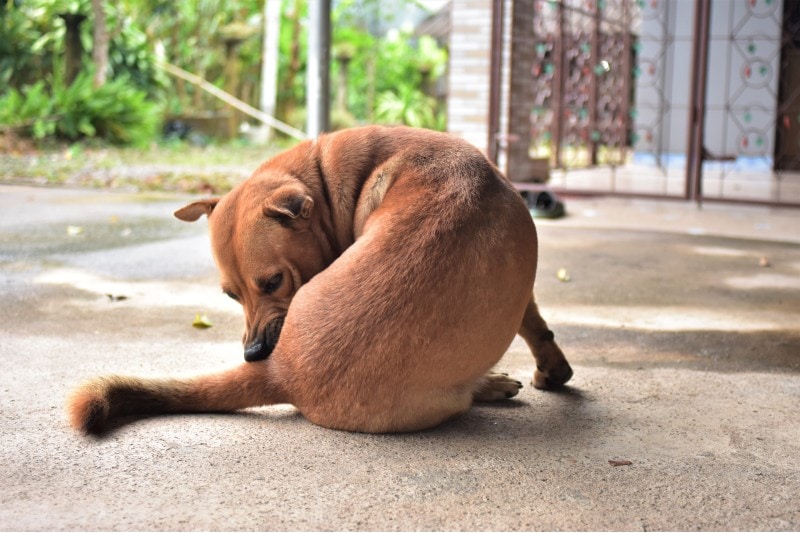
For dogs, blocked anal glands are unpleasant and uncomfortable. Have you ever seen your furry friend scooting or dragging their bottom along the ground? You should schedule an appointment with your local veterinarian because, unfortunately, that's one of the most typical indicators that they may have blocked anal glands.
Other signs to watch for include:
Treatment for Blocked Anal Glands
It is usually easy to treat blocked anal glands in dogs, but it’s essential to consult with your veterinarian.
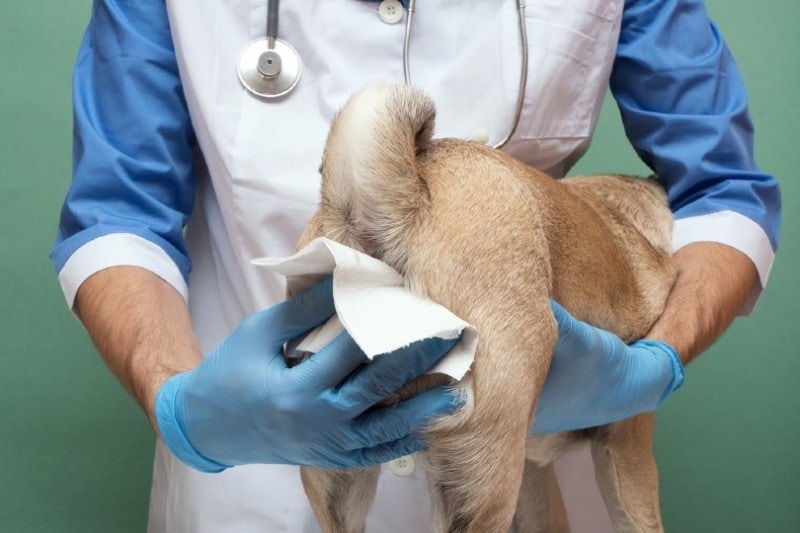
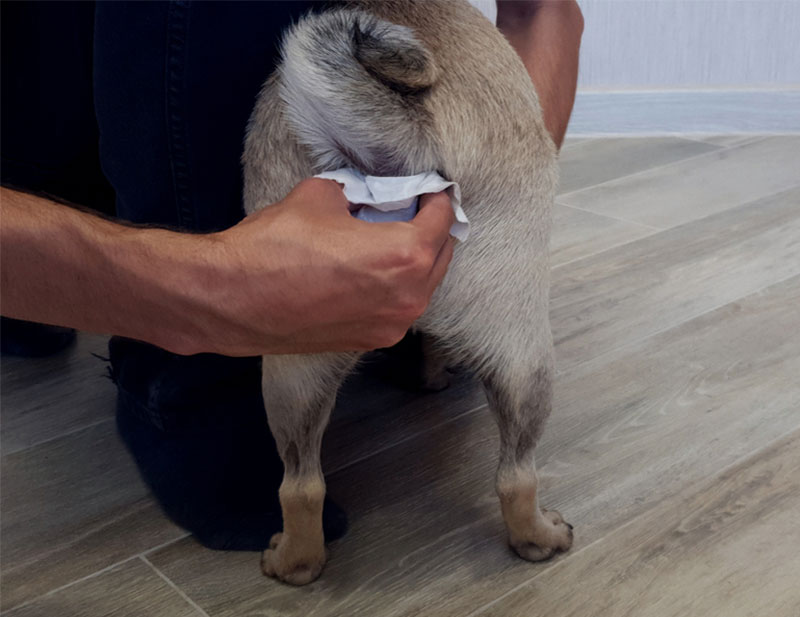
- Manual Emptying: It’s best for a vet to empty your dog’s anal glands if they are full. Anal glands can be damaged if they are pressed too hard or in the wrong way, so never try to do this yourself unless your veterinarian has given you the go-ahead and you are confident performing it.
- Supplementation: Some dogs with recurrent anal gland problems do great on specifically designed supplements to support healthy anal gland function and sac emptying and expression.
- Medication: Medications like antibiotics and anti-inflammatories are often required if your furry friend's glands cannot be unblocked manually, are excruciatingly painful, or have resulted in an infection or abscess.
- Anesthesia: Your veterinarian may advise flushing your dog's anal glands under anesthesia if the condition of the glands is chronic and cannot be resolved by emptying or medication.
- Surgery: In some cases, if the case of impacted anal glands is recurring or a tumor, such as an adenocarcinoma, has been diagnosed, surgical removal of the glands may be necessary.
- A Word of Caution: If your dog’s groomer includes anal gland expression in their grooming packages, please tell them not to do it. These delicate sacs can lose their function with this type of external expression. The practice also increases the risk of anal sac rupture and infections. A healthy anal sac will empty naturally, and if a dog does need manual expression, it should be performed under veterinary supervision.
Tips for Keeping Your Pet’s Anal Glands Healthy
Fiber encourages correct stool formation and a healthy digestive system. So, adequate fiber consumption will support the health of your pet's anal glands. During bowel movements, the bulky, firm stool can exert pressure on the rectum wall close to the anus, enabling the anal glands to express.
Your pet's weight can also influence the health of their anal glands. Overweight dogs are more likely to develop anal gland problems because the fat around the anus makes it harder for normal emptying during bowel movements. You may want to ask your veterinarian for advice on a weight-loss strategy if your animal companion is overweight. Other reasons behind anal gland disease include skin problems, allergies, and genetics.
In some cases, adding fiber to their diet and using nutritional supplements will lower their risk of developing anal sac illness. Supplements containing fish oil and omega-3 fatty acids include natural anti-inflammatory characteristics that can help to lessen irritation near an inflamed anal gland. Probiotics that have fiber in their formulation also aid in promoting intestinal health. However, before you change your dog's diet in any way, talk to your veterinarian.
The Best Dog Foods for Anal Gland Issues
The best canine foods for issues relating to the anal gland are those with a high fiber content. Fiber enhances digestion, promotes gut health, and produces well-formed feces that promote normal anal gland emptying.
Do you want to stop your dog from scooting and experiencing other uncomfortable signs of anal gland distress? Speak to your vet about your dog’s diet, and consider feeding your dog things that include the following ingredients:
- Sweet potato
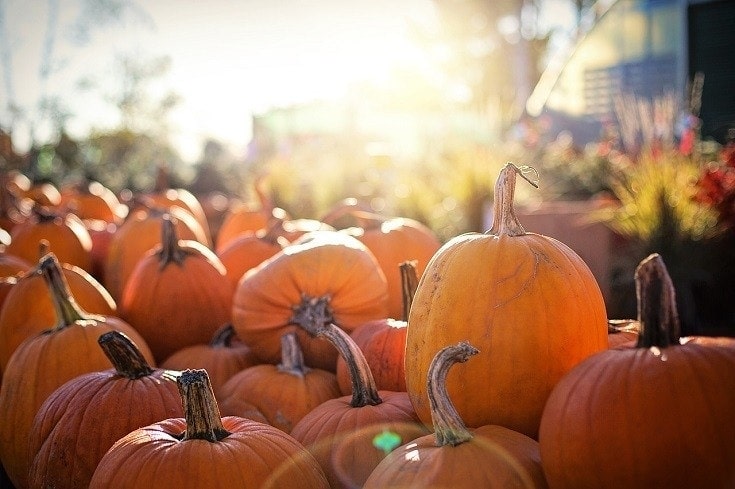
- Pumpkin
- Apple
- Carrots
- Wheat germ
- Flaxseed
- Rice bran
Conclusion
Any dog can have blocked anal glands. However, it happens more frequently in those with narrow anal gland openings (which make emptying difficult), overweight canines (due to fat deposition around the bottom), and pets with persistent soft stools or diarrhea (anal glands rely on firm stools to push past and empty them).
A dog’s anal glands may have a foul odor, but in many cases, assisting canines in expressing their glands is quite simple and affordable and is crucial to the well-being of your best friend. Untreated blocked anal glands could end up causing more severe issues like infections and abscesses.
See Also:
Sources
Featured Image Credit: Reshetnikov_art, Shutterstock
Get Hepper In Your Inbox


Pet care tips from our vets and experts, straight to your inbox.
You may opt-out at any time. View our Privacy Policy for more information.
Hanh is a freelance writer living in Vietnam. She has a big love for working online and writing about animals, especially dogs. She finds happiness in helping pet parents across the globe have a fulfilling life with their pets by sharing her knowledge and that of other experts. When not writing, she enjoys traveling and experiencing different cultures.
Join the conversation
Ask a question, share your story, or send private feedback.