Hepper is reader-supported. When you buy via links on our site, we may earn an affiliate commission at no cost to you. Learn more.
Can Dogs Eat Cashews? What You Need to Know!
We all know how much dogs love peanuts. They like them alone, in treats, in butter form, and pretty much any way they can get them. Do you ever wonder, however, whether dogs can eat all nuts? What about cashews? The short answer to this is yes! In the article below, we will not only give you the complete answer to that question, but we will also give you all the info you need to make the right decision for your pet’s diet.

Are Cashews Safe for Dogs?
You can give your pooch cashews as they are not toxic to canines like other nuts. Of course, there are some quid pro quos with this snack – namely, moderation. As the old saying goes, too much of a good thing...is a bad thing.
Cashews have many health benefits that can improve your dog’s overall health, yet they also have some downsides you should be aware of before serving them up as a snack. There is also something to be said about how you serve them.
First and foremost, though, you only want to give your pup a small amount of these tasty nuts at a time. Unlike the macadamia fruit (yes, it’s a fruit), cashews won’t cause toxicity, but they can have other issues that cause health problems.
Health Benefits of Cashews
It is unfortunate to note that there is not a lot of research about the benefits and health concerns of cashews as they relate to canines like there is with other nuts. One thing is clear, however. Dogs seem to like the soft, buttery treat.
As mentioned, a few cashews given as a treat are okay for your pup and can have some positive benefits. Let’s take a look at some of the positives.
Antioxidants
According to the VCA Hospital, antioxidants protect against cellular damage from reactive oxygen species such as free radicals. To put it in simple terms, antioxidants boost the immune system and help it fight off infections. You can find this anti-inflammatory in supplements like vitamins C and E, plus you can find it in food such as cashews.
Although these things sound great, there are still more specific reasons why this supplement is good for your pooch. First, two common ailments that dogs suffer from are arthritis and skin allergies; both of which cause inflammation. When the body is fighting these illnesses, inflammation occurs to repair and protect itself.
As you can imagine, the body’s natural antioxidants only last for so long. This is where foods like cashews come in to help replenish these little bacteria-fighting soldiers. You will find antioxidants in a lot of dog food brands, and treats, and it’s recommended for pups with allergies and arthritis.
Vitamin K
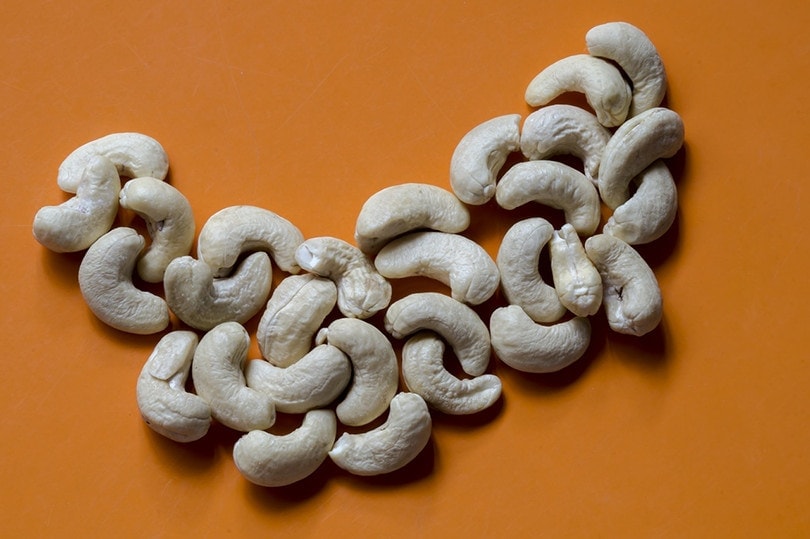
Vitamin K has become known as a superfood for its benefits in humans and canines. Without getting too technical, there are two types of vitamin K and two important benefits. First, you will find vitamins K1 and K2. Both work in similar ways, yet K2 tends to be more beneficial.
Both vitamin K1 and 2 aid in the same ailments, but in different ways. The first benefit they provide is boosting the effect of calcium on your pet’s teeth and bones. Second, they help with blood coagulation. This makes the supplement a good option for dogs with osteoporosis and blood-related illnesses.
Additionally, this vitamin is given as a supplement if your pet accidentally ingests rat poison. It can also prevent heart disease by getting rid of calcium deposits in the arteries. Although cashews have higher levels of K1, both types have similar effects.
Omega-3 Fatty Acids
This is an ingredient you are probably more familiar with as it is found in most dog foods. Omega-3 fatty acids help keep your dog’s skin and fur healthy. Not only that, but it can also help repair their skin and fur.
If your pup has dry, flaky, and itchy skin, doses of omega-3 will help soothe irritation and strengthen both the hair and skin. In fact, fatty acids work this way across the board. For example, you can find omega 3 in cashews, yet it is also abundant in fish oil.

Other Benefits
Besides the vitamins and supplements mentioned above, cashews have a few other pros in their favor. Take a look at the other minerals you can find in this healthy snack:
As you can see, there are a lot of positives packed into this small nut. Before you start handing them over to your fur baby, however, you also want to take a look at some other considerations.

Possible Side Effects of Cashews on Your Dog
With all the benefits to your pet’s health, you may wonder about possible side effects. There are six issues associated with cashews, and they vary from serious and rare to mild due to overindulgence. First, let’s take a look at the three problems related to overdoing it.
Giving Your Dog Too Many Cashews
As we mentioned above, moderation is key when it comes to cashews and your dog. When they are allowed to have too many, they can run the risk of developing health ailments that range from mild to life-threatening. Take a look at these three risks:
Other Side Effects
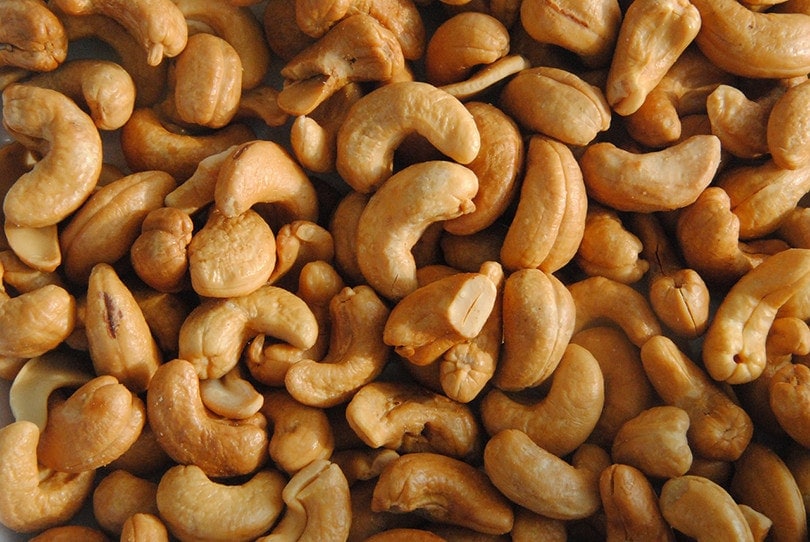
Unfortunately, there are still other issues that can occur from feeding your pet these nuts. Although these issues may not be as common, they are a lot more serious and can have devastating effects.
The last issue brings us to our next topic…

How to Feed Your Dog Cashews
If you decide the benefits outweigh the risks, you need to be careful about how you feed your pup cashews. How they are served, when they are given, and in what form are just a handful of the possibilities. Take a look below for some cashew cuisine questions:
Can My Dog Eat Raw Cashews?
Yes, your dog can eat raw cashews, but there are a few things you need to be on the lookout for first. Two things we have already mentioned. First, even if you are enjoying a brand-new can of nuts, you need to inspect them carefully for mold as it can cause serious illness.
Second, most store-bought cashews are salted or have other spices or flavorings. This is where you need to be careful. Your pet should be given plain and unsalted nuts. Besides salt, other ingredients like cinnamon can be harmful to your pet.
Should My Dog Eat Whole Cashews or Pieces?
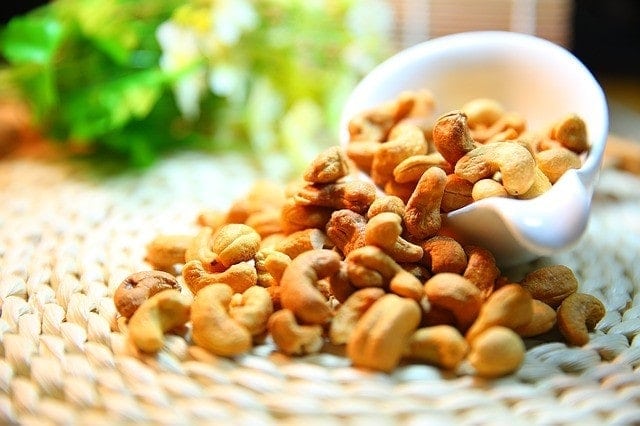
Generally speaking, cashew pieces or whole cashews are both okay. What you need to be careful of is a choking hazard. As cashews are medium-sized nut, they can get caught in the throat of smaller dogs. Make sure you monitor your pup carefully when eating this treat.
Can My Dog Eat Cashew Butter or Other Foods with Cashews?
Unless you are making “canine recipe” cashew cookies, you should steer clear of giving your pet foods that contain cashews; this includes cashew butter. The reason for this is the other ingredients in the recipe. The butter, for example, contains high levels of sugar and salt, two things that are not good for your pet. The same goes for cookies or other snacks.
You also want to stay away from mixed nuts. Although cashews are not toxic to dogs, other nuts are so you should stay away from giving them foods that contain other nuts.
Can I Make Cashew Dog Treats?
As mentioned, if you can control the ingredients in a homemade treat containing cashews, you will most likely be okay. Just keep in mind that moderation is key. Dog biscuits should be made with only a couple for the entire recipe.

Conclusion
In conclusion, you can feed your dog cashews. The real question, however, is whether or not it is worth giving your pet this treat. These nuts indeed have several health benefits, but it is not anything that they are not already getting from their daily meals and other treats.
It is also true that some of the risks are rare and less likely to occur, but they can still happen. What’s more, issues such as obesity and upset stomachs are more common. Though you can correct the problems, are they worth it?
There are also a few issues that were not mentioned above. For example, unsalted cashews are the least appetizing for humans, so are you willing to purchase them so your pup can have some? Not only that, but cashews are on the more expensive side when it comes to snacks…
Overall, cashews are not toxic to canines, but feeding them this food is probably not something to get into the habit of doing. If you happen to have some around, and they end up with one, chances are they will be fine. As far as a regular snack, your pup will be better off with a dog-approved treat.
References
Reisen, Jan, “expert-advice/nutrition/can-dogs-eat-macadamia-nuts” American Kennel Club (AKC), 2017.
Marsden, Steve DVM, Messonnier, Shawn DVM, Yuill, Cheryl DVM, “vcahospitals.com/know-your-pet/antioxidants” VCA Hospitals, 2009.
Cohraine, Sarah PhM, “nextgendog.com/vitamin-k-for-dogs” Nextgendog.com, 2018.
Saxon, Bill DVM, Kintzer, Peter DVM, “dog-health/dog-diseases/acute-pancreatitis-dogs” Pet Health NetWork, 2014.
Lang S, Susan, “news.cornell.dogs-keep-dying-many-owners-remain-unaware-toxic-dog-fo” Cornell Chronicle, 2006.
Pet Poison Hotline, “https://www.petpoisonhelpline.com/poison/salt” Pet Poison Hotline.
Featured Image By: u11116, Pixabay
Get Hepper In Your Inbox


Pet care tips from our vets and experts, straight to your inbox.
You may opt-out at any time. View our Privacy Policy for more information.

Nicole is a lover of animals of all sizes but is especially fascinated with the feline variety. She’s the proud mom of Baby, a Burmese, and works every day so he can relax in the sunshine or by the fire. She’s always had a cat in her home and has spent countless days with others, observing behaviors and softening up even the grouchiest of the lot. Nicole wants to share her kitty expertise with you so you and your cat can live happy, healthy, and care-free.
Join the conversation
Ask a question, share your story, or send private feedback.