Hepper blog

Search our database of over 9,984 posts with up-to-date information from our experts and veterinarians.

Hepper is reader-supported. When you buy via links on our site, we may earn an affiliate commission at no cost to you. Learn more.

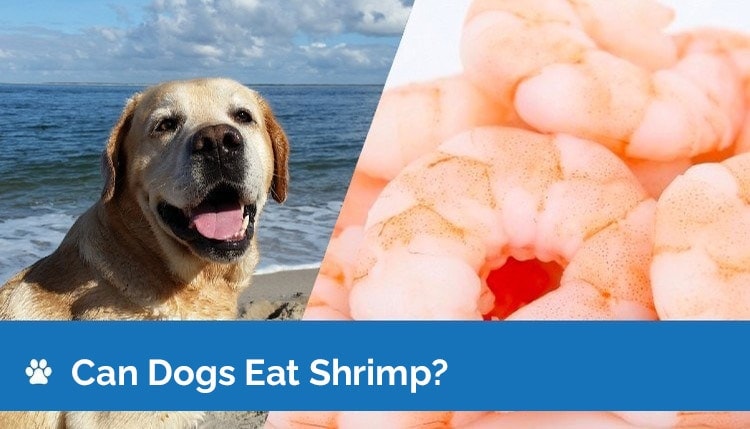
Can Dogs Eat Shrimp? Vet-Reviewed Health & Nutrition Facts

By Nicole Cosgrove · Reviewed & fact-checked by Dr. Marta Vidal-AbarcaVet Approved
Dr. Marta Vidal-Abarca
Reviewed & Fact-Checked byDr. Marta Vidal-AbarcaVeterinarian
Marta has been a veterinarian for over sixteen years working across the UK and Spain and as a remote veterinary consultant. She has wide experience in small animal internal medicine and surgery with a soft spot for cats.View authorThe information is current and up-to-date in accordance with the latest veterinarian research. Read about our vets
Share
Ask us a question in the comments
can dogs eat shrimp

We’re always being told the virtues of eating more seafood, and fish carries many of the same benefits for our dogs as it does for us. In particular, shrimps are rich in high-quality protein. They are also a good source of omega-3 fatty acids, and they are packed with antioxidants, too. This tasty seafood treat is also a known allergen and may harbor bacteria if not cooked properly.

While cooked shrimp is considered relatively safe for dogs in moderation, you shouldn’t give your dog the shell or tails, and you must ensure that it is fully cooked before feeding.

Benefits of Shrimp

Shrimp is a member of the crustacean family. People are encouraged to eat more foods like this because of its health benefits. Dogs, too, can benefit from eating a little shrimp.

Shih-Tzu, Pomeranian and Poodle sitting at wooden table outdoor restaurant waiting to eat a prawn fried shrimp_pongmoji_shutterstock
Image Credit: Pongmoji, Shutterstock

In particular, your dog will benefit in the following ways:

  • Niacin – Vitamin B3 can help improve and protect your dog’s coat and skin. It is also used to break sugars and fats into energy; therefore, it ensures that your dog gets plenty of energy from the food they eat.
  • Vitamin B12 – Essential to your dog’s digestive system, vitamin B12 also aids in good brain and cognitive function while helping maintain your dog’s nervous system. Although most dogs get adequate levels of B12 in their diet, a deficiency can be damaging to your dog’s health.
  • Antioxidants – Free radicals roam the body, looking to pair up with other electrons and potentially wreak havoc on cells, proteins, and even DNA. Antioxidants neutralize free radicals by sacrificing their own electrons, leaving essential electrons to perform their required jobs. Shrimp is naturally high in antioxidants.
  • Phosphorous – Along with calcium and protein, this nutrient helps maintain good bone strength and ensures that the joints are strong and healthy: vital to the physical function of your dog.
  • Glucosamine – Derived from the shell of the fish, glucosamine is naturally also found in the shrimp shell. This also helps maintain joints and enables the cartilage to stay strong and healthy.
  • Omega-3 – Fatty acids aid dogs in their brain and eye development, and also help protect their coat. Shrimp has a high omega-3 to omega-6 fatty acid ratio and is a great source of this essential nutrient.

So, shrimp contains a lot of goodness that your dog can benefit from. The shrimp itself is not toxic to your dog, as long as it has been prepared properly.

Don’t Feed Raw

Raw shrimp can cause paralytic shellfish poisoning. This can be fatal, but it is most often caused when dogs eat raw shellfish on the beach. Raw shellfish can also contain bacteria, including Salmonella, that are harmful to your dog. As such, you must ensure that it has been properly cooked. Even slightly undercooked shrimp can lead to illness.

Therefore, if your dog has eaten a small amount of raw shrimp, you should monitor them and call your veterinarian for advice.

Don’t Feed Shells or Tails

While it is generally considered safe for dogs to eat shrimp, you do need to ensure that it is fully shelled and the tails have been removed before cooking. The shell and tail are hard and brittle. They are very difficult to chew and can easily get stuck in the throat of your dog. The only way to prevent this choking hazard is to fully remove these sections.

Don’t Feed Processed Shrimp

Processed food is rarely good for dogs. The nutrients and goodness have been removed during the preparation, and most processed foods are high in salt and preservatives. A lot of seafood dishes also contain garlic and onion, which are toxic to dogs, especially in powder form. It’s best to avoid these at all costs when it comes to giving your pup a treat.

shrimps pixabay
Image Credit: manfredrichter, Pixabay

How to Prepare Shrimp

The simplest way to give your dog shrimp is to buy it cooked and frozen. Ensure that the shrimp is not prepared in any sauce or with other ingredients. This is especially true of garlic and onion, both of which are toxic to dogs and can cause them to become seriously ill.

Alternatively, buy fresh shrimp, and ensure that they are fully shelled and deveined. Then boil them in hot water until they are pink and opaque.

How Much Shrimp Should Dogs Eat?

There is no set amount of shrimp to feed your dog. Generally, it is better to reserve this as a very occasional treat, and always err on the side of caution when it comes to portion size. Try feeding a few at any one time. Shrimp is quite rich, so even if your dog does not suffer any long-term negative effects, it can end up with an upset stomach, which is not great for them or you.

Alternatives to Shrimp

Although it is relatively safe to feed shrimp to your dog, these are other alternatives that you can also consider and that still offer the same possible health benefits to your dog:

  • Sardines are small and inexpensive. There is no shell or claw risk, and they are a great source of protein and omega-3 fatty acids.
  • Salmon is commonly used in dog food recipes. Serve it cooked and remove the bones.
  • Green-lipped mussels are found in some premium foods because they not only contain a lot of fatty acids but also glycosaminoglycans and their anti-inflammatory properties help to reduce the pain in arthritic dogs.
Cocker Spaniel puppy eating dog food
Image Credit: Switlana Sonyashna, Shutterstock

Final Thoughts

Shrimp is safe for dogs, but there are risks. As such, it may be a good idea to avoid feeding these and other shellfish and crustaceans if you have any reason to believe they may put your pup at risk of feeling sick. Similar and safer alternatives include salmon and green-lipped mussels.

If you do feed your dog shrimp, ensure that you have removed the shell and claws, that the food is thoroughly cooked, and that you do not feed them too much at a time.

See also:


Featured Image Credit: Shutterbug75, Pixabay

Get Hepper In Your Inbox

Pet care tips from our vets and experts, straight to your inbox.

List

Select all that apply.

You may opt-out at any time. View our Privacy Policy for more information.

Nicole Cosgrove
Authored by

Nicole Cosgrove

Join the conversation

Ask a question, share your story, or send private feedback.
Rate this post
Required to post. Only our editors see your rating.
Who should see this?

A human reviews every comment before it appears. Your email is never published.

Picked to go with this article

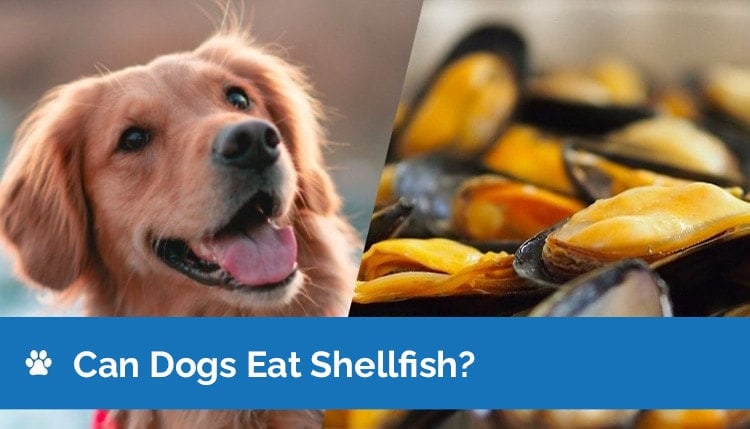
Can Dogs Eat Shellfish? Vet-Verified Nutrition Facts & FAQ

Can Dogs Eat Shellfish? Vet-Verified Nutrition Facts & FAQ

If you’ve just polished off a delicious shellfish dinner but couldn’t quite finish those last few mouthfuls, is it okay to give the leftovers to your dog (who,…

Emma Stenhouse
By Emma Stenhouse ·
Can Dogs Eat Fish? Is Fish Safe for Dogs? Vet-Approved Facts

Can Dogs Eat Fish? Is Fish Safe for Dogs? Vet-Approved Facts

Have you ever looked at your dog’s food bag ingredient list? There’s a good chance that you’re going to find fish somewhere on the menu. And there’s a good rea…

Nicole Cosgrove
By Nicole Cosgrove ·
Can Dogs Eat Crawfish? Health Benefits & Risks Explained

Can Dogs Eat Crawfish? Health Benefits & Risks Explained

Crawfish is a favorite shellfish to add to all sorts of recipes, and if you have a dog, you have probably been subject to pleading puppy eyes when you’re eatin…

Nicole Cosgrove
By Nicole Cosgrove ·
Can Dogs Eat Clams? Facts & Safety Guide (Vet Answer)

Can Dogs Eat Clams? Facts & Safety Guide (Vet Answer)

Can your dog eat clams? The short and simple answer is yes, they can, in very small amounts, if cooked and prepared adequately. However, there are several impo…

Dr. Maja Platisa
By Dr. Maja Platisa ·

Keep reading

More stories you might like

Can Dogs Eat Salmon? Vet Approved Nutrition Facts & Recommendations

Have you ever cooked yourself a nice filet of salmon and noticed a hungry face wagging their tail nearby? If so, you may have asked yourself whether or not sal…

Nicole Cosgrove
By Nicole Cosgrove ·
Can Dogs Eat Salmon? Vet Approved Nutrition Facts & Recommendations

Can Dogs Eat Chicken? Vet-Reviewed Nutrition Facts & FAQ

Dogs are one of our favorite four-legged companions. They need a balanced diet of protein, fat, and carbs, along with micronutrients to live a healthy lifestyl…

Nicole Cosgrove
By Nicole Cosgrove ·
Can Dogs Eat Chicken? Vet-Reviewed Nutrition Facts & FAQ

Can Dogs Eat Seaweed? Vet Approved Nutrition Facts & FAQ

Seaweed: a uniquely flavored snack. Some people love it, some people hate it, but most have an opinion about it either way. Is seaweed safe for dogs? Have you…

Nicole Cosgrove
By Nicole Cosgrove ·
Can Dogs Eat Seaweed? Vet Approved Nutrition Facts & FAQ

Can You Put Bacon Grease on Dog Food? What You Need to Know!

As a dog parent who likes to treat their canine kids every now and again, it is normal to want to know which human foods you can safely feed them. Some human f…

Kit Copson
By Kit Copson ·
Can You Put Bacon Grease on Dog Food? What You Need to Know!

Member’s Mark vs Kirkland Dog Food: What Should I Choose?

Member’s Mark and Kirkland dog foods are quite similar. Both are sold at wholesale stores for reasonable prices. These stores each offer memberships that must…

Jessica Rossetti
By Jessica Rossetti ·
Member’s Mark vs Kirkland Dog Food: What Should I Choose?

Fromm vs. Blue Buffalo Dog Food: Our 2026 In-Depth Comparison

If you're a dog owner, you know that choosing the right food for your furry friend is important. There are many different brands of dog food on the market, so…

Nicole Cosgrove
By Nicole Cosgrove ·
Fromm vs. Blue Buffalo Dog Food: Our 2026 In-Depth Comparison

What Is Raw Dog Food? Benefits, Cons & FAQ

If you are a dog owner, you’ve likely heard about raw dog food. It’s one of the latest trends that stresses the importance of dogs eating a similar diet to the…

Kathryn Copeland
By Kathryn Copeland ·
What Is Raw Dog Food? Benefits, Cons & FAQ