Hepper is reader-supported. When you buy via links on our site, we may earn an affiliate commission at no cost to you. Learn more.
Can Dogs Eat Crab Apples? Health Concerns Explained (Vet Answer)


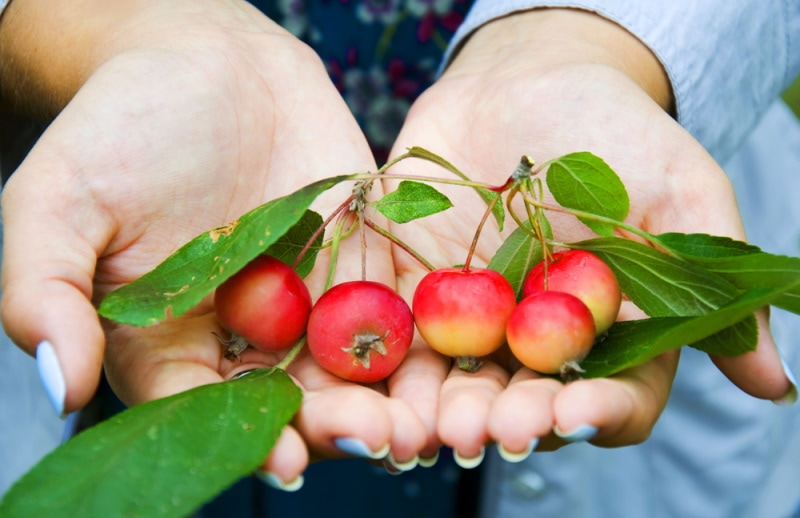
Crab apples (Malus sylvestris) are the ancient ancestors of cultivated apple species native to Europe. The crab apple is typically smaller and much more tart than the sweet apples we’ve come to love. These little fruits are often found on the ground when you're walking with your dog in the fall, and you may wonder whether they’re okay to let your pup investigate.
The good news is that crab apples are not really toxic for your dog. You may have heard that apples, specifically apple seeds, contain cyanide. Although this is technically true, it is not a real risk to our dogs. However, you still shouldn’t let your dog go crazy over these windblown treats, as it’s a feast they will likely regret. Let’s take a closer look.

Are Crab Apples Poisonous?
Like all apples, the seeds of crab apples contain a substance called amygdalin which, when chewed, digested, and metabolized by the liver, converts into hydrogen cyanide. However, the amount of cyanide produced is so tiny that the average dog would need to consume around 200 apple’s worth of seeds to receive a toxic dose. The risk of this is pretty unlikely! So unlikely, that most pet poison lists don’t even include apples.
Do Crab Apples Have Any Benefits for Dogs?
Crab apples can be a healthy snack for our dogs, but like all treats, should be given in moderation. Fruit is relatively high in sugar, so eating too much can lead to obesity and all the other health problems it entails. However, if we compare the nutritional value of the humble crab apple to that of the more commonly consumed Red Delicious variety, we can see they actually have one advantage:
| Crab Apple | Red Delicious | |
| Carbohydrates | 19% | 14.8% |
| Sugar | 7.5% | 12.2% |
| Fiber | 1.26% | 2% |
| Fat | 0.36% | 0.21% |
| Protein | 0.43% | 0.19% |
Crab apples contain 40% less sugar than their much sweeter cousins. However, this also makes them somewhat less palatable.
Like all apples, crab apples contain many beneficial vitamins and minerals, but not enough to be a significant source for our dogs.
Should I Feed My Dog Crab Apples?
There’s no specific need to offer your dog a crab apple, but if you would like to give them a taste of this fruit, we would suggest cutting the apple into pieces big enough to bite, but not so small they can be swallowed whole - this can pose a choking hazard.
Although we know that the seeds are not going to cause toxicity, we would still recommend removing the apple core, and this could potentially get stuck in the digestive tract and cause a blockage. This applies to all apples, not just the crab type.
Why Are Crab Apples Not Good for Dogs?
Although lower in sugar than other apple types, crab apples still have more sugar than is ideal for our dogs. However, there is no reason your dog couldn’t enjoy some fruit occasionally. The main reason we would recommend steering your dog away from the carpet of juicy fruits beneath a crab apple tree is that if they eat too many, they are likely to end up with a pretty painful tummy, followed by a nasty case of diarrhea.
The other risk of eating a lot of fallen fruit is that there is a risk of mold, contamination, and spoilage, as well as the possibility of the apple core becoming an obstruction.
What Should I Do if My Dog Eats Crab Apples?
Don’t panic. Unless your dog has managed to eat their way through 100+ crab apples, there is virtually no risk of cyanide poisoning. If they have eaten this many, you should definitely phone the vet!
Most of the time, your dog will suffer no ill effects from eating a few crab apples, but they might get an upset stomach and diarrhea. We would recommend offering plenty of water and a small amount of bland food, and make sure they take it easy for the next 24 hours.
If your dog shows ANY of the following signs after eating crab apples, contact your vet immediately:
- lethargy
- painful, firm abdomen
- excessive vomiting, unable to keep water down, blood in vomit
- excessive diarrhea, blood in stool
- difficulty moving or walking
If you are worried that your dog has eaten a lot of crab apples, speak to your vet. They might suggest making your dog vomit to reduce the amount of stomach upset, or some other tips to help your dog digest them comfortably.

Conclusion
Crab apples are the smaller, tarter ancestors of the big, sweet apples we find in stores today. The flesh of the crab apple is not toxic, and the amount of cyanide that can be produced by their seeds is negligible unless consumed in excessive volume.
This doesn’t mean that we recommend giving your dog lots of crab apples, or letting them go on a free-for-all under the crab apple tree, as they can still cause your dog quite the stomach upset. If you would like to offer your dog a bit of this fruit, you can certainly offer them a few slices, but it is better to remove the core, as this could get stuck in their digestive tract.
Sources
Featured Image Credit: Steve JM Hamilton, Shutterstock
Get Hepper In Your Inbox


Pet care tips from our vets and experts, straight to your inbox.
You may opt-out at any time. View our Privacy Policy for more information.
Karyn has lived in the UK for the past 10 years after moving from Queensland, Australia. In 2010, she graduated from The University of Queensland School of Veterinary Science, and also holds a Bachelor’s degree in Zoology. Karyn is passionate about using evidence, experience, and owner collaboration to provide the best solutions for pets, and believes in making reliable information about animal health accessible to all. She shares her home with 5 cats, 4 dogs, and 1 husband, and when she is not practising as a veterinary surgeon, she spends her time writing, gardening, and cleaning up pet hair!
Karyn comes from Queensland, Australia, but has lived in the UK for the past 10 years. She is passionate about using evidence, experience, and owner collaboration to provide the best solutions for pets, and believes in making reliable information about animal health accessible to all.
She shares her home with 5 cats, 4 dogs and 1 husband, and when she is not practising as a veterinary surgeon, she spends her time writing, gardening, and cleaning up pet hair!
Education
In 2010, Karyn graduated from The University of Queensland School of Veterinary Science and also holds a Bachelor’s degree in Zoology.
Experience
Dr. Kanowski has worked in small animal practice, both in Australia and the UK, and she will be very happy if she never has to see another post-Brexit Animal Export Certificate again! Karyn has special interests in acupuncture and canine behavior and loves challenging surgical cases.
Join the conversation
Ask a question, share your story, or send private feedback.