Hepper is reader-supported. When you buy via links on our site, we may earn an affiliate commission at no cost to you. Learn more.
Should I Make My Dog Throw Up? Our Vet Explains


In this article
Picture this: it’s Saturday evening, you’ve just finished dinner, and now you are waiting for that delicious-looking chocolate cake to cool down so you can cut yourself a slice. The doorbell rings, and by the time you come back, your adorable and very mischievous, Cockapoo is standing on the table over the remains of your cake. What do you do?
You might jump onto the internet and ask the question: should I make my dog throw up? Although it may surprise you, no, you should not try to make your dog throw up at home. Continue to find out why...

How to Make a Dog Throw Up
Alarmingly, there are several sites and articles that will give you tips and advice on just how to do that. There are instructions on making salt paste solutions, hydrogen peroxide dilutions, and sodium crystal infusions. In many cases, the best way to deal with an ingested toxin is to send it back out the way it came in, but there are some major reasons why you should stop Googling methods of emesis and contact your vet instead.
Why Shouldn’t I Make My Dog Vomit at Home?
You might be asking yourself this, being that inducing vomiting is usually the first step to dealing with an ingested toxin, and there are a number of reasons why we do not advise doing this at home.
- It may not be necessary: while things like chocolate, onions, some plants, and human medications can be toxic for dogs, the exact type and the amount can make a huge difference. For example, a few pieces of dark chocolate can be dangerous for a small dog, but half a bar of milk chocolate might only cause a mild tummy upset in a large breed.
- Some toxins are caustic, which means they can cause more damage coming back up. In cases like these, the best treatment might be gastric lavage, intravenous fluids, and medications to deal with the side effects.
- If used incorrectly, home ingredients used to induce vomiting can be just as harmful as the toxin itself.
- If your dog is experiencing any effects of toxicity, they could aspirate (breathe in) what they vomit, which could lead to more complications.
There may be some exceptions or cases when inducing vomiting at home will be recommended. For example, people who live more than 2 hours from their nearest veterinary practice or do not have transportation. In cases like these, the advice is still to contact a veterinarian who can assess the situation and talk you through any instructions to induce vomiting if needed.

My Dog Has Eaten Something Toxic — What Should I Do?
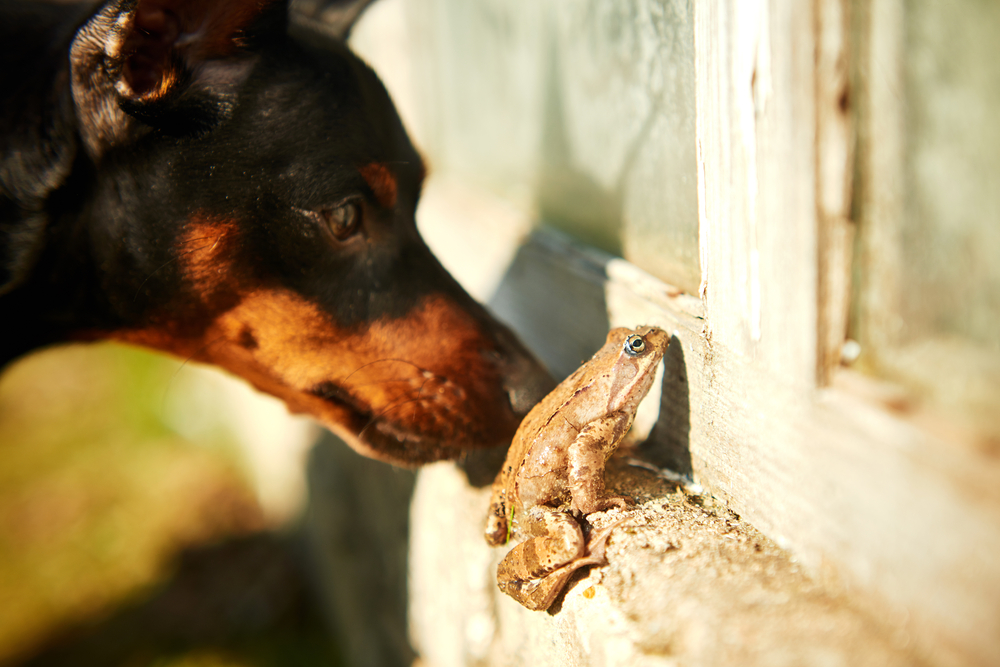
In a world that seems mostly edible to dogs, it is almost inevitable that you will, at some point, find yourself dealing with a dog that has eaten something it shouldn’t have. Some toxins are mild and will result in an upset stomach, while others can be severely damaging or even fatal. With that in mind, let’s take a look at our checklist of what to do if your dog has eaten something toxic.
- Don’t Panic! Identify what your dog has eaten, when they ate it, and how much was consumed. If you didn’t see them eat it, narrow down a timeline of when they might have ingested it.
- Call the relevant animal poison hotline for advice. They will likely direct you to contact your vet, but they can also give additional advice and information about the toxin that you can provide to your vet.
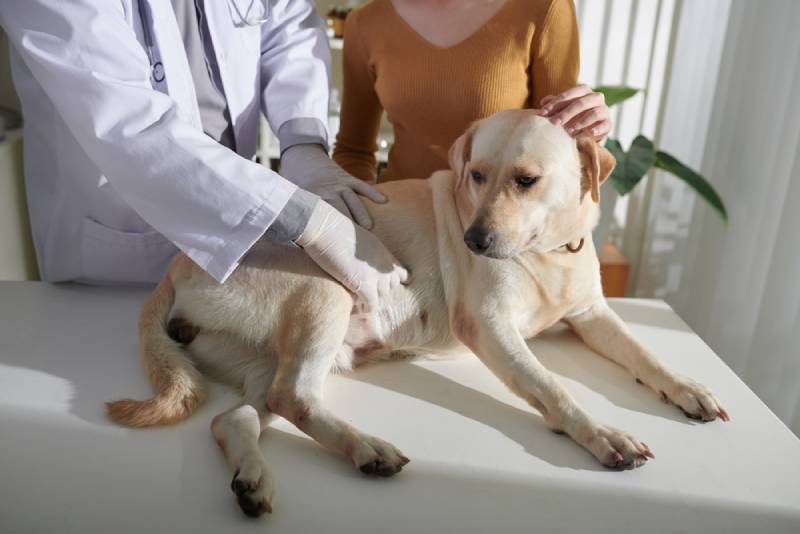
- Contact your vet. They will be able to advise you as to whether or not you need to bring your dog in for treatment.
My Dog Has Eaten Something Toxic — What Will Happen Now?
The Poison Hotline or your vet will help determine if the substance or the amount means that your dog needs veterinary treatment. For some foods or plants, they may advise you just to keep your dog hydrated and monitor them for any deterioration. In cases involving more serious toxins, such as xylitol, rodenticide, antifreeze, grapes, or human medications, they will ask you to bring your dog in for emergency treatment.
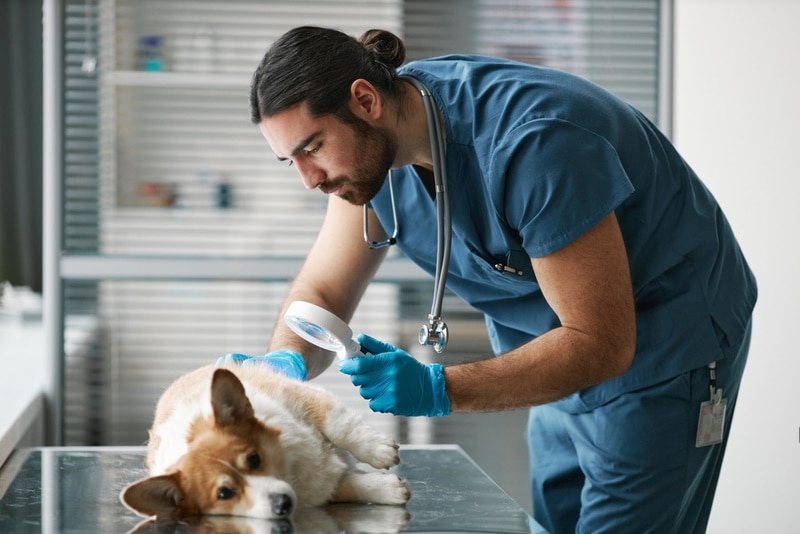
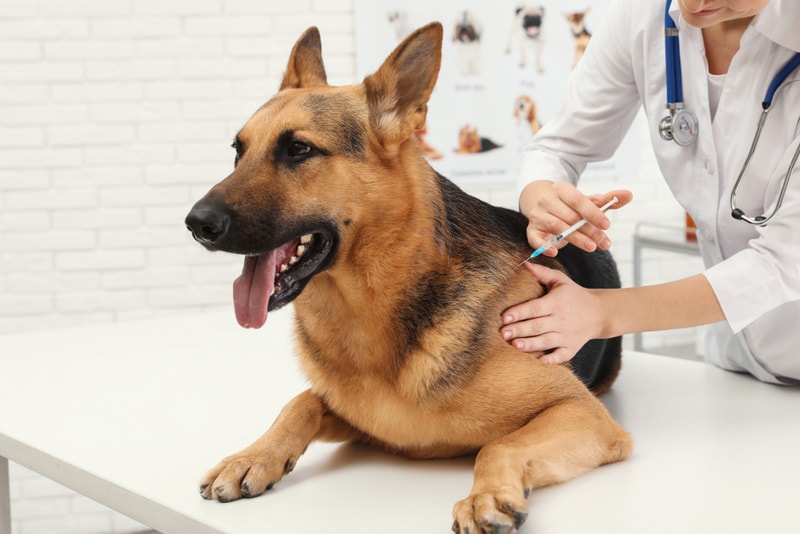
In many cases, the first step in that treatment will be to induce emesis (make them vomit), but this will depend on the type of toxin and how long ago it was eaten. Your vet will usually use a drug called Apomorphine, which is injected under the skin to cause vomiting within a matter of 5–10 minutes. Once they are happy that your dog has completely emptied their stomach, they may give them another injection to help them recover from the nausea.
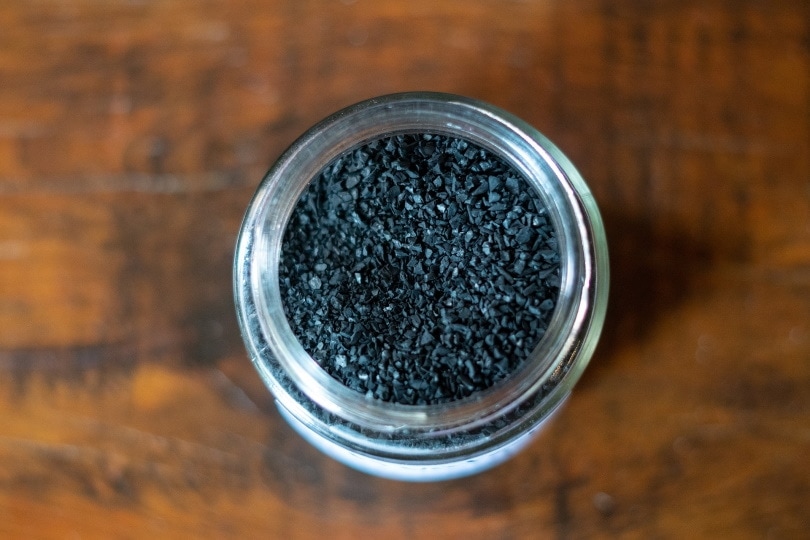
Often, your dog will also be fed activated charcoal to help absorb the toxin from the digestive tract and be placed on intravenous fluids to help flush the toxin from their system. Your vet may recommend blood tests which, in some cases, will need to be repeated after a few hours or days.
In the majority of cases, dogs treated early for toxin ingestion will recover well.
Expert Tips for Preventing Poisoning
Prevention is always better than cure, although with dogs often being the curious rascals they are, it is not always possible. Here are some tips for prevention and preparation when it comes to keeping your pup safe from toxins:
- Familiarize yourself with common household toxins for dogs. Remove any plants from your garden that are particularly toxic (e.g., oleander, mistletoe, and lilies).
- Assume your dog will consider anything to be edible. Keep all potential poisons like cleaning materials, rat poison, antifreeze, medications, grapes, fruitcake, and chocolate out of harm’s way. If they can reach it, they might eat it.
- Make sure you have the phone number of your veterinarian and the pet poison hotline stored in your phone.
Final Thoughts
We love our dogs and hate the idea of anything ever happening to them. When something does go wrong, we want to make things right as quickly as we can, but sometimes, the quickest solution may not be the best one. If your dog eats something that can harm them, it may seem logical to want to make your dog vomit as quickly as you can, but the time it takes to phone your vet is time worth taking. If you’re not sure that what they have eaten is toxic, the animal poison hotline is available 24 hours a day, 365 days a year.
We cannot always stop our dogs from eating things they shouldn’t, but if we are aware of potential risks and are prepared for when things go wrong, our canine friends will be as safe as they can be.
Poison Hotlines
Animal Poisons Hotline - USA
Pet Poison Helpline - USA
Veterinary Poisons Information Service - UK, Ireland, Australia, Germany, Netherlands, Sweden, Denmark
Animal Poison Line - UK
Australian Animal Poisons Helpline - Australia and New Zealand
Featured Image Credit: Mylene2401, Pixabay
Get Hepper In Your Inbox


Pet care tips from our vets and experts, straight to your inbox.
You may opt-out at any time. View our Privacy Policy for more information.
Karyn has lived in the UK for the past 10 years after moving from Queensland, Australia. In 2010, she graduated from The University of Queensland School of Veterinary Science, and also holds a Bachelor’s degree in Zoology. Karyn is passionate about using evidence, experience, and owner collaboration to provide the best solutions for pets, and believes in making reliable information about animal health accessible to all. She shares her home with 5 cats, 4 dogs, and 1 husband, and when she is not practising as a veterinary surgeon, she spends her time writing, gardening, and cleaning up pet hair!
Karyn comes from Queensland, Australia, but has lived in the UK for the past 10 years. She is passionate about using evidence, experience, and owner collaboration to provide the best solutions for pets, and believes in making reliable information about animal health accessible to all.
She shares her home with 5 cats, 4 dogs and 1 husband, and when she is not practising as a veterinary surgeon, she spends her time writing, gardening, and cleaning up pet hair!
Education
In 2010, Karyn graduated from The University of Queensland School of Veterinary Science and also holds a Bachelor’s degree in Zoology.
Experience
Dr. Kanowski has worked in small animal practice, both in Australia and the UK, and she will be very happy if she never has to see another post-Brexit Animal Export Certificate again! Karyn has special interests in acupuncture and canine behavior and loves challenging surgical cases.
Join the conversation
Ask a question, share your story, or send private feedback.