Hepper is reader-supported. When you buy via links on our site, we may earn an affiliate commission at no cost to you. Learn more.
Can Dogs Eat Fruity Pebbles? Vet Reviewed Facts & FAQ


In this article
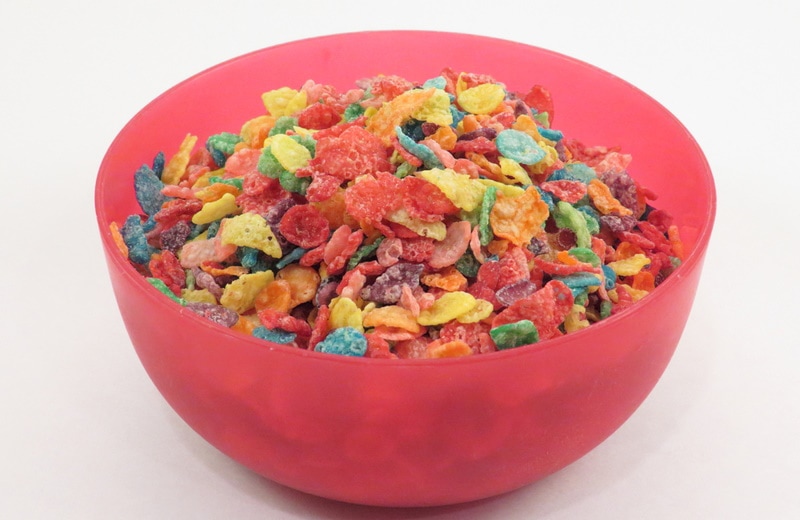
While it’s not the end of the world if your dog eats a few Fruity Pebbles, it’s not the food you want to share with your dog at breakfast! There are a few different reasons for this that we’ll go over, but just as importantly, we’ll highlight some great treat options that you can give your dog.
So, keep reading and we’ll highlight why you shouldn’t feed your dog Fruity Pebbles and what you can give them instead.

Why Shouldn’t You Feed Your Dog Fruity Pebbles?
While it’s not a huge deal if your dog eats some Fruity Pebbles, there are a few reasons you shouldn’t give it to them the next time you’re sitting down for breakfast. We’ve highlighted two of these reasons for you here:
Sugar
This is by far the most notable reason you shouldn’t feed your dog Fruity Pebbles. Fruity Pebbles contain a ton of sugar (around 33 grams per 100 grams), and it’s not natural sugar. Too much sugar in your dog’s diet can cause all sorts of digestive irritation, so don’t be surprised if they experience some diarrhea or vomiting after consuming them.
If your pooch is consuming too much sugar long term, this can predispose them to obesity. Obesity can then lead to insulin resistance and impaired glucose metabolism,1 increasing the risk for diabetes.2 Dogs that are overweight also have a 1.3 times higher risk of developing pancreatitis, which can lead to a serious stomach upset and will require veterinary attention. So too much sugar is not a good idea when it comes to your dog!
Unhealthy Ingredients
While sugar is the primary concern if your dog eats Fruity Pebbles, there are a few more unhealthy ingredients in Fruity Pebbles that your dog shouldn’t eat. Those ingredients include dyes and hydrogenated oil. Both ingredients can cause digestive problems in dogs (vomiting, diarrhea, dehydration, and pancreatitis), although it’s not quite as severe or as common as the problems caused by too much sugar.
Hydrogenation is a popular technique in the processed food industry because it allows fats to last longer before they spoil,3 but that’s bad news for our bodies, as it damages the cells. In people, this can lead to inflammation, skin problems, learning disabilities, heart disease, allergies, and more. The biggest culprit of trans fatty acids is partially hydrogenated vegetable oil, and if processed pet foods are exposed to high temperatures in their cooking process, trans fats can be formed. There is still not enough information or research to say if and how this might impact the dog’s health, but we should avoid foods that contain hydrogenated oils.
What to Do if Your Dog Eats Fruity Pebbles
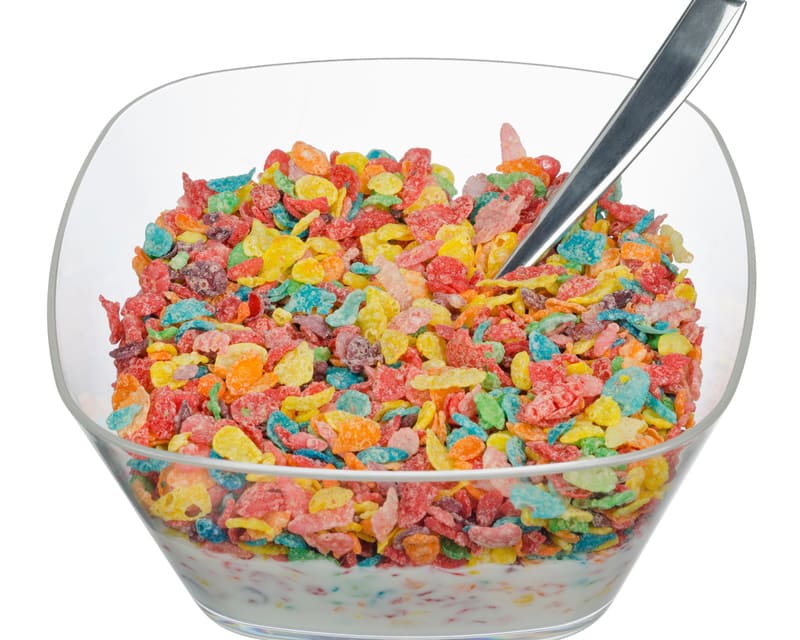
If your dog eats one or two Fruity Pebbles, you don’t need to rush to the vet. However, if your dog has eaten an excessive amount or is very small and starts feeling unwell, vomiting, shaking, or experiencing other signs of obvious discomfort, it is recommended you contact your vet.
When in doubt, trust your gut. You know how your dog usually behaves, and if they’re not acting normal, you’ll want to take them to the vet so they can check everything out and ensure they’re happy and healthy.

Top 5 Treat Options for Your Dog
While you shouldn’t feed your dog Fruity Pebbles, there are plenty of different treat options you can feed them. Below, we’ve highlighted five different treat options you can safely feed your dog in moderation. Don’t let treats exceed more than 10% of their daily caloric intake, though.
1. Apples
Apples are an outstanding treat option that many dogs love. Remove the seeds and core before feeding them to your dog since they contain cyanide, which is toxic, but don’t stress out too much if a seed or two slip through. According to veterinary toxicologists (specialists who study the effects of toxic substances on animals), it requires many pits to cause signs of concern. The exact number required to produce cyanide toxicity depends on the size of the dog and whether the dog chews through the pit.
Apples contain a lot of important nutrients, such as minerals, vitamins C, A, and K, fatty acids, and fibers. Again it’s best to give apples in moderation, as they do have a high fiber content, but also sugar (10 grams/100 grams), so large amounts can give your dog an upset stomach. Also make sure to cut the apple in pieces, especially if your dog is a “swallower” rather than a “chewer”, as they might swallow large pieces of apple, which can then get stuck in their throat or esophagus and need veterinary attention.

2. Bananas
Many dogs love bananas, and they come with tons of beneficial nutrients, such as fiber, potassium, vitamin B6, and vitamin C. Just keep in mind that they are a bit high in natural sugars, so only feed them to your dog in moderation. Dogs should not eat banana peels. Although banana peels are not toxic to your dog, they don't easily digest because of their high fiber content. Eating the peels may cause a blockage in their digestive tract or an upset stomach and result in vomiting and diarrhea that will need treatment.
3. Carrots
Whether you want to feed your dog cooked or raw carrots, both are extremely nutritious options for your pooch, containing fiber, vitamin A, and potassium while being low in calories. If you’re feeding your dog raw carrots, make sure that you finely cut them up or shred them so they don’t choke while they’re trying to swallow them. Make sure you have washed the carrots in case of any pesticides before offering them to your dog.

4. Cooked Chicken
Some dogs simply don’t like snacking on fruits and vegetables, and for those dogs, a bit of cooked chicken is an outstanding choice. When cooking the chicken, don’t add any additional seasonings or oils. Your dog will love it either way, and these additional seasonings and oils can create health problems for your dog, so it’s best to avoid them. Also, to be on the side of caution, we recommend against giving either raw or cooked chicken bones, as there are many hazards associated with them. These include choking or getting a piece of bone stuck in the mouth or at the back of the throat, as cooked bones become brittle and break easily, leaving sharp pieces. These can damage the gastrointestinal tract, causing tears or blockages, or give your dog an upset stomach and pancreatitis. Raw chicken bones (and chicken meat) can potentially contain bacteria, most often Salmonella, that can cause serious stomach upset in your pooch.
5. Cooked Salmon
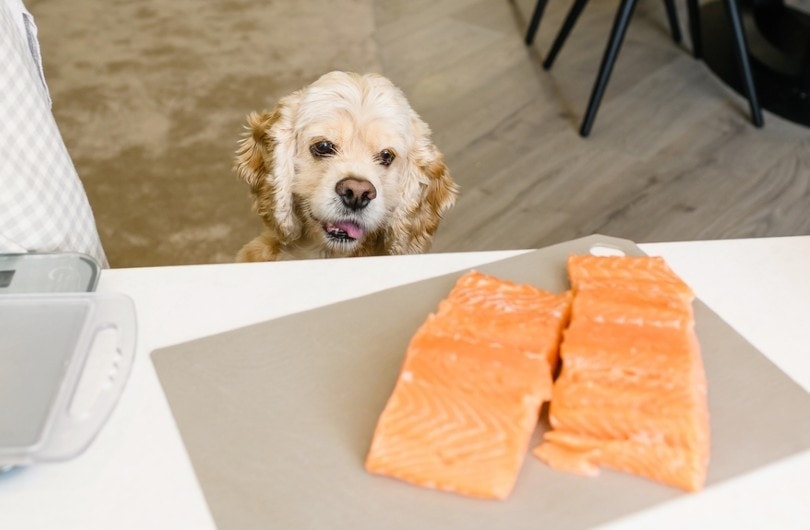
Salmon is a bit pricier than chicken, but if you want to mix things up, it’s another outstanding choice. Once again, don’t add any additional seasonings or oils, as these can be detrimental to your dog’s health. But if you keep it bland and cook it thoroughly, it will likely be one of your dog’s favorite treats! But remember to never give your dog raw or undercooked salmon. It can contain a bacteria called Neorickettsia helminthoeca, which causes salmon poisoning disease, marked by fever, vomiting, diarrhea, dehydration, weakness, swollen lymph nodes, and a reduced number of platelets that can lead to excessive bruising and bleeding tendencies within 14 days of eating it. Without appropriate treatment, this disease can be fatal. In addition, raw salmon contains lots of small bones, which are brittle and can cause choking or get stuck in the dog’s stomach or intestines.

Final Thoughts
While you shouldn’t give your dog a full bowl of Fruity Pebbles each morning, if they accidentally eat a few bites, it’s usually not a huge deal. There are plenty of healthy treat options you can give your dog instead. All it takes is a little preparation, and you’ll have something to give them the next time they’re looking up at you with pleading puppy eyes!
Featured Image Credit: Leslie Weisgerber, Shutterstock
Get Hepper In Your Inbox


Pet care tips from our vets and experts, straight to your inbox.
You may opt-out at any time. View our Privacy Policy for more information.
Adam, a dedicated freelance writer and animal advocate, has a long history of rescuing animals and creating compelling written content. For over ten years, he has worked as a freelance writer, and his passion for rescuing animals extends even further back. Adam is also a proud father of three, always ready for a challenge and eager to embark on new adventures.
Join the conversation
Ask a question, share your story, or send private feedback.