Hepper is reader-supported. When you buy via links on our site, we may earn an affiliate commission at no cost to you. Learn more.
Hiking With Small Dogs: 12 Essential Tips
In this article
Nothing feels quite as rewarding as doing some fun, challenging stuff with your dog. This is especially true for physical activities like walking, jogging, or playing tug-of-war. And let’s not forget about hiking! If you’re the proud owner of an energetic, playful, and ready-to-rumble small doggo, hiking will quickly turn into your favorite pastime.
However, before you hop on your next hiking adventure, make sure the two of you are all set and ready for the trip. First, pick a dog-friendly trail. Secondly, pack enough snacks and water for the pup. Also, remember to take frequent breaks to let the dog catch its breath. There’s a lot more to hiking, of course. Read on to find out!

The 12 Tips for Hiking With Small Dogs
1. Start Slow and Do Some Pre-Hike Training
If you walk a popular trail, you’ll likely meet fellow two- and four-legged hikers on the road. And it would be best if the doggo is well-socialized and happy to make new friends. You can ensure that by taking the pet to a dog park or beach to help it get used to new faces and odors. Also, don’t rush straight into a hike if your dog is a couch potato.
Some trails can be quite challenging, especially if they involve navigating and overcoming obstacles. Therefore, take the dog for short walks to build up its strength and then do some agility training with it. And one more thing: puppies and older dogs aren’t the best hiking companions. So, talk to a vet first before starting any hiking trips with minors or seniors.
2. Work on the Dog’s Focus and Recall
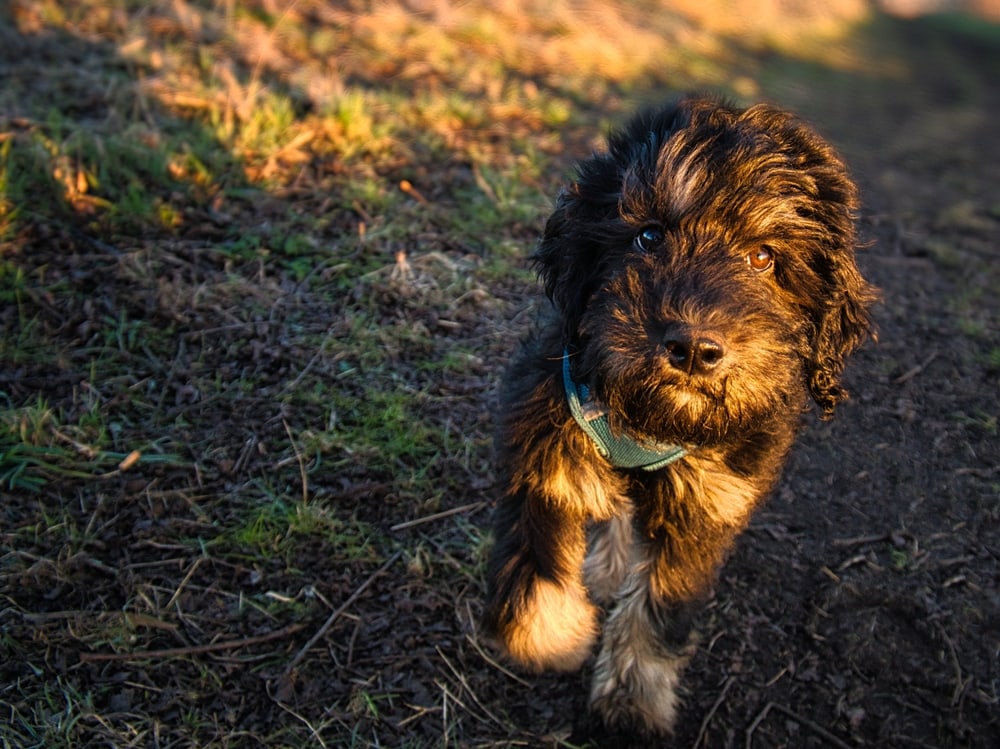
Dogs are curious creatures and get carried away easily. That’s why it’s so important for a pup to have a strong focus on the task at hand. The same goes for its recall. Otherwise, the fur baby will chase after a squirrel or a smell that’s coming from miles away. The lack of focus will also make it harder for you to settle potential quarrels when the pet meets fellow dogs.
In other scenarios, it might wander off deep into the wilderness and eat something it’s not supposed to. At the very least, the dog should know basic commands like “sit”, “stay”, “come”, and “leave it”. If it doesn’t, we would advise against including it on your next hike or even walk around the block.
3. Make Sure It’s a Dog-Friendly Trail
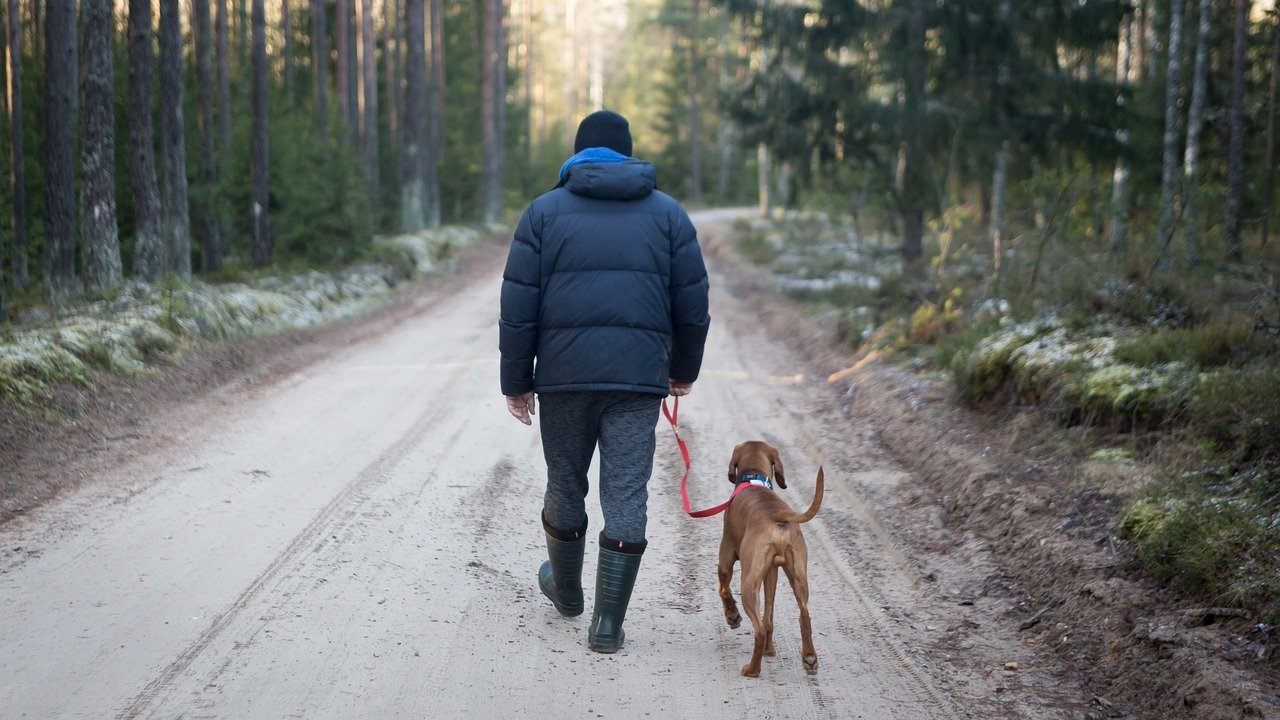
Sadly, many government-owned national parks and other recreational areas don’t let dogs in. So, before you pack the gear and food and hop on a long drive, check ahead! These restrictions are there for a reason, though. They are meant to protect the local wildlife and to keep our pets safe. Oh, and if the trail does welcome animal companions, it might ask you to put a leash on the pup.
Always read the rules and regulations to avoid hefty tickets and stay away from trails with overly steep hills, dangerous slopes, and rocky terrain.
4. Watch Out for “Dangerous Predator” Signs
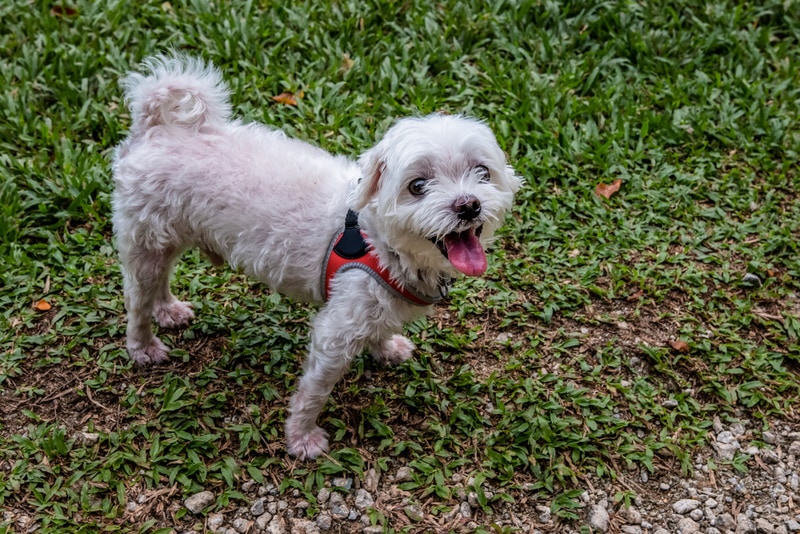
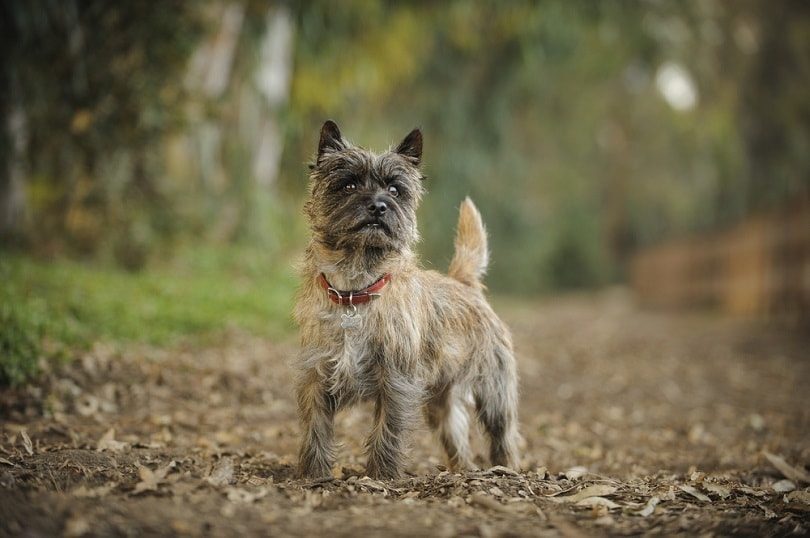
These signs are often neglected by amateur hikers, but they should be taken seriously. Now, a giant dog like a Saint Bernard can scare most predators away, but for a small pup, even a coyote or a wild boar can be too much to handle, not to mention alligators. To keep your fluffy family member out of trouble, use a leash/harness.
5. Don’t Forget to Take a Breather!
It’s as simple as that: let the four-legged companion rest and gather its strength. Loyal, eager-to-please pups are ready to follow you to the end of the Earth, but they might get hurt in the process. A dog that’s panting, dragging its legs, or falling behind is a dog that needs a break. On average, small breeds only need 30–40 minutes of activity per day.
And if it’s rough terrain with steep climbs, you should break that down into several 15- or 10-minute “sessions”. True, a high-energy breed will easily handle up to 60–90 minutes of exercise. However, Bulldogs, Pugs, Shih Tzus, and other brachycephalic dogs that are prone to overheating will need a break every 5–10 minutes.
6. Teach the Dog to Carry Its Own Bags
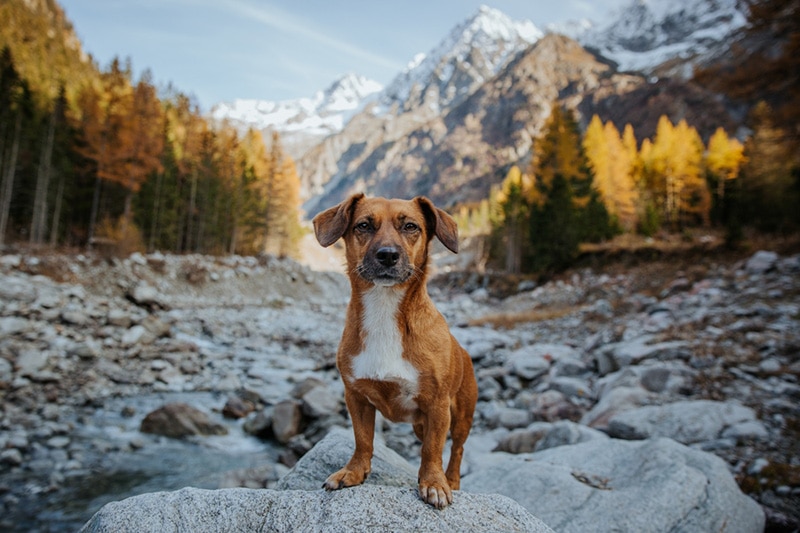
Consult with a vet first to make sure the doggo is healthy. If the doc allows it, let the pet carry some stuff, but only make it about 25% of the pup’s weight. This applies to adult dogs in their prime. Puppies and seniors won’t be able to carry that high of a load (only 10–15%). Also, always give the pooch some time to get used to the pack on its back. Start with small weights and go from there.
Most dogs get physical and mental stimulation from wearing a pack. On top of that, backpacks are known to have a therapeutic effect on canines and help them overcome anxiety.
7. Invest in a Bag, Harness, Bear Bell, and Tracker
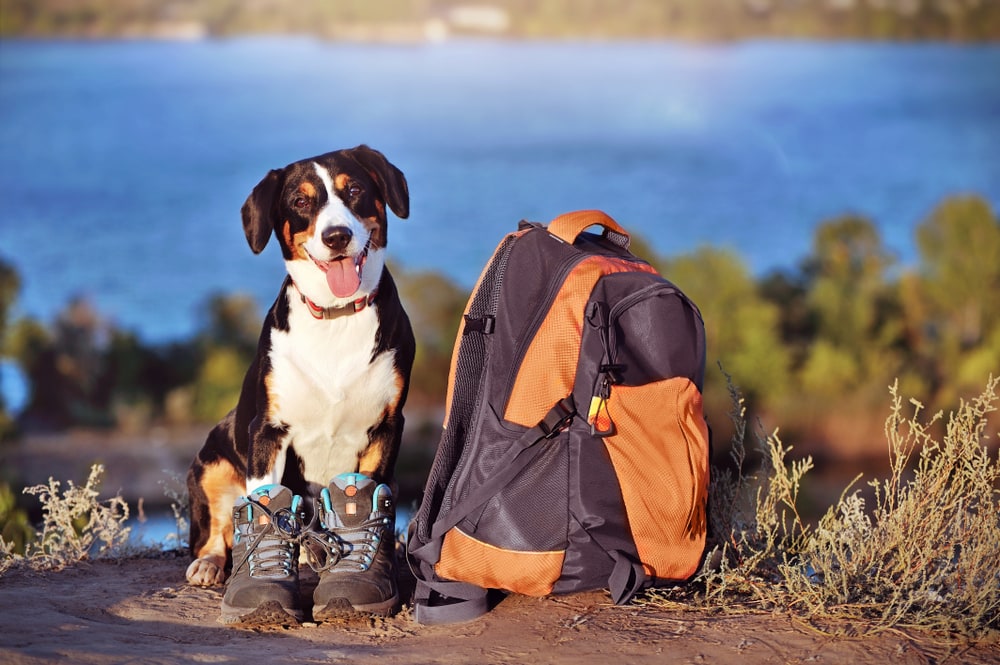
A harness is an excellent “tool” for hiking, but if you want to give the dog some freedom, you should put a bear bell on it. This way, you’ll always know where the furry bud is. As a bonus, the noises made by that bell will spook wild animals on the trail. As for the bag, you can use it to carry the doggo when it gets tired. Sometimes, no matter how well you plan everything, the dog runs out of steam before completing the hike.
Or it gets hurt while trying to catch up. In either case, a bag is a must. Tags and a GPS collar, in turn, will help you find the dog if it gets lost.
8. Take Plenty of Food/Water for the Road
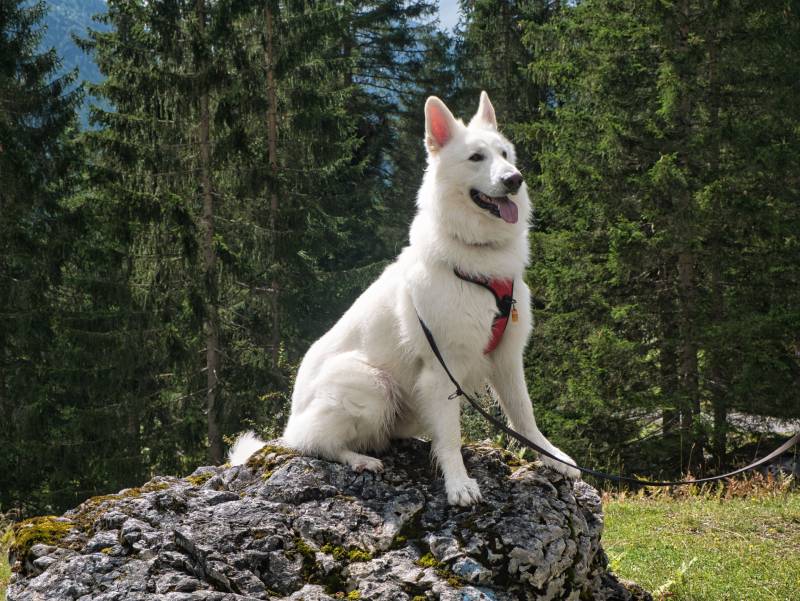
Running out of water or snacks in the middle of nowhere is no fun at all! So, always pack extra. Now, you might meet fellow hikers on the road (or come across a campsite), but you should still pack enough food and water (plus collapsible bowls) for yourself and the doggo. Water is especially important for hiking. For example, if the fur baby overheats, you can quickly cool it off.
That said, it’s not recommended to let a dog drink from a puddle or pond, as it might get infected with pathogens/bacteria like leptospirosis and giardia.
9. Always Pick Up After the Furry Bud
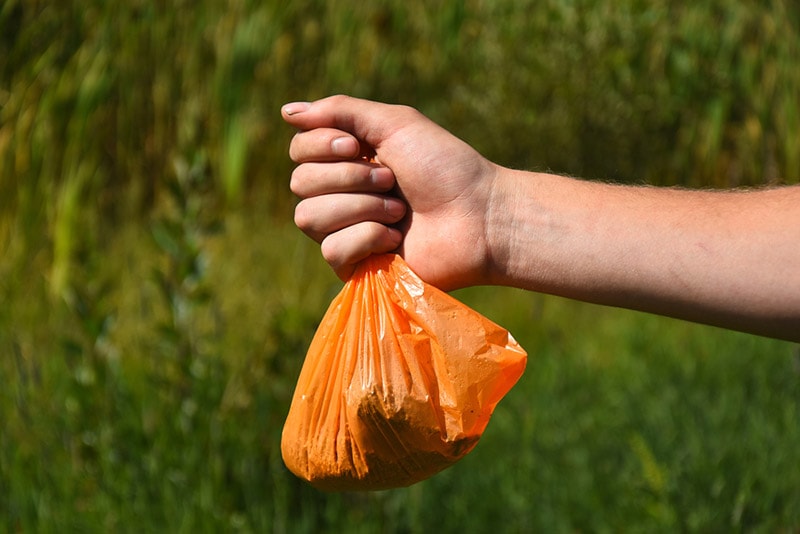
It might be tempting to turn a blind eye when your animal friend does its business on the road. But we encourage you to follow the hiking etiquette and clean up after the pup. And for that, you’ll need a pack of plastic bags for picking up the dog’s poop. Or you can bring a shovel and, well, bury the dog’s waste (6–8 inches deep, 200–300 feet away from water, trails, and camping spots).
Also, try to keep the dog away from delicate flowers/plants so that it doesn’t ruin them.
10. Carry Some Clothes and a Med Kit
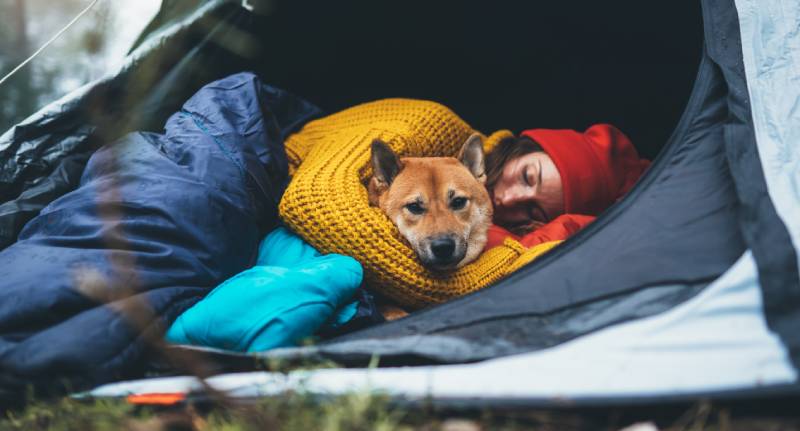
If it’s chilly outside, the pup might catch the cold on the road. And even if the sun is up and the weather is perfect, that might change in an hour or two. That’s why it’s so important to come prepared and pack a sweater or jacket for the doggo. While the pooch probably won’t need any of it during the day, if you decide to spend the night in the wilderness, those clothes will come in handy.
A first-aid kit for the canine would be of great use as well. It should include bandages, cotton balls, hydrogen peroxide, a pillbox, a towel, and a dog-friendly bug repellent. And what about some doggie boots, you might ask? They can, indeed, protect the paws from debris and damage, but it usually takes dogs quite some time to get used to them.
11. Stay Positive and Encourage the Pet
Dogs are incredibly smart creatures and can “pick up” on your emotions easily. More than that, most pups tend to adapt to the mood of their human parents. Thus, if you’re not very happy about the hike and are just waiting for it to be over, chances are, the doggo feels the same way about it! So, make sure you’re excited about the trip and cheer the furry bud up with hugs, praise, and treats.
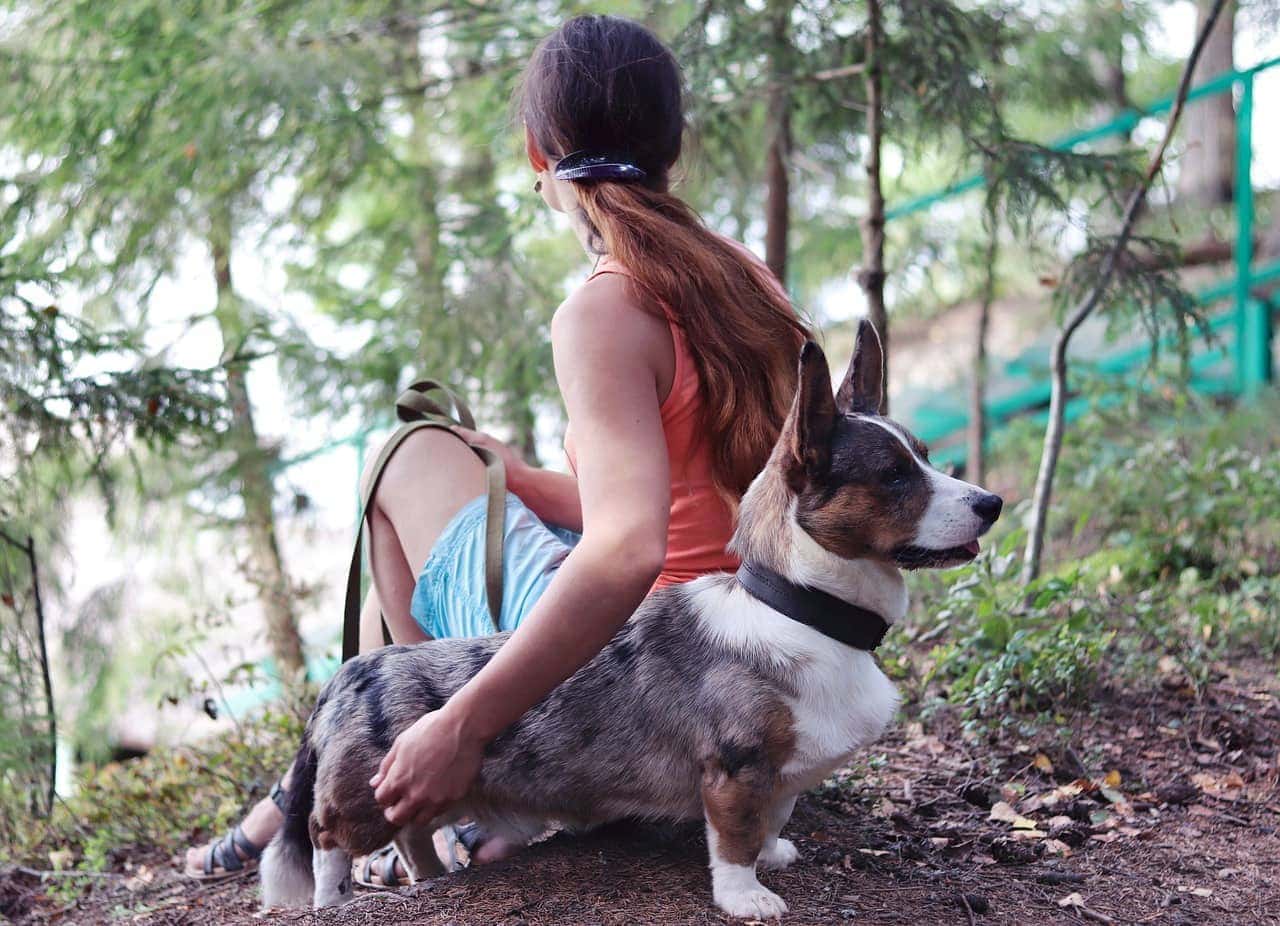
Small dogs can be a bit hesitant about climbing a steep track, jumping over a log, or entering a crowded area (which are often found on hiking trails). That means they need your help to take that leap of faith. However, if it’s a corgi or dachshund, it would be better to just carry the dog over, as the jump may put unnecessary pressure on its fragile spine.
12. Check the Dog Once the Hike Is Over
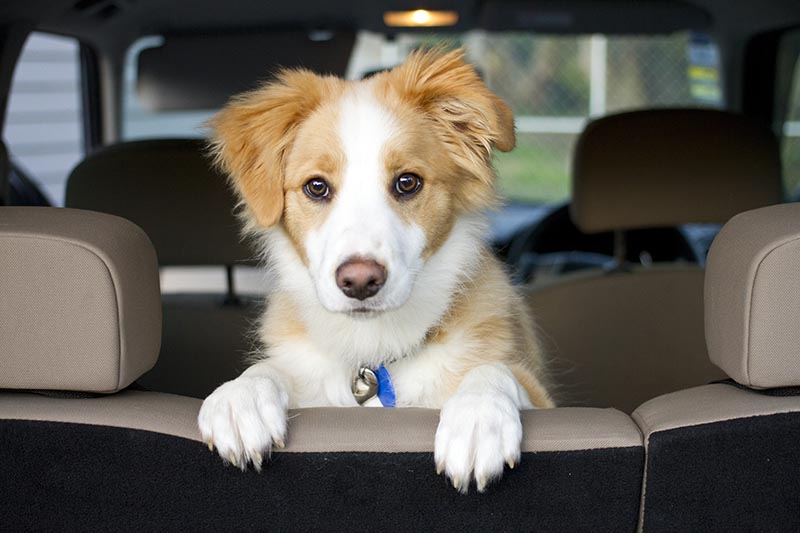
Before you get into the car and drive back home, offer the dog to have a snack and drink some water. Next, carefully remove the bag and the leash. See that the pup doesn’t have any scratches or bruises on its feet. You should also look for signs of bites (like from a tick): this happens all the time on hiking adventures. And to keep the car seats clean, cover them with an old towel/blanket.
If the pup is limping or showing other signs of discomfort, drive straight to a veterinarian to have it thoroughly examined. It might be that the dog had put a bit too much pressure on one of its joints and needs medical attention. A vet-approved tick and flea preventative and a proper bath need to be a part of the post-hike routine as well.
Do Small Pups Make Good Hiking Buds?
Yes, they can be excellent companions. Small breeds are active, energetic, and eager to follow commands. Plus, they like to spend time with their owners, doing fun stuff in the great outdoors. But this is only true if you pack enough food, water, and special equipment and make sure that the dog is up to the task. Next, keep the sessions brief instead of pushing the dog to its limit.
Small dogs have short legs and can’t travel long distances. Furthermore, they’re not as good at overcoming obstacles as some of the bigger breeds due to their size. On the bright side, frequent breaks, positive reinforcement, and some pre-hike training will help you turn a hike into an amazing bonding experience!
Which Small Dog Breeds Are Perfect for Hiking?
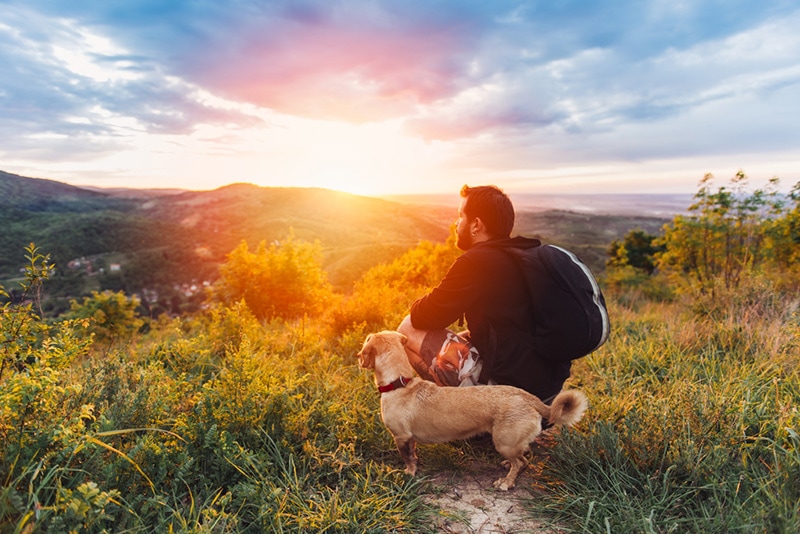
Athletic, dexterous, and enduring—these are the best qualities in a dog for recreational activities. As long as the pup is energetic and inquisitive, it can be considered a great hiking mate. A fur baby that loves adventures and excels in agility training will be an even better pick. Here’s a quick look at some of the best small dogs for hiking:
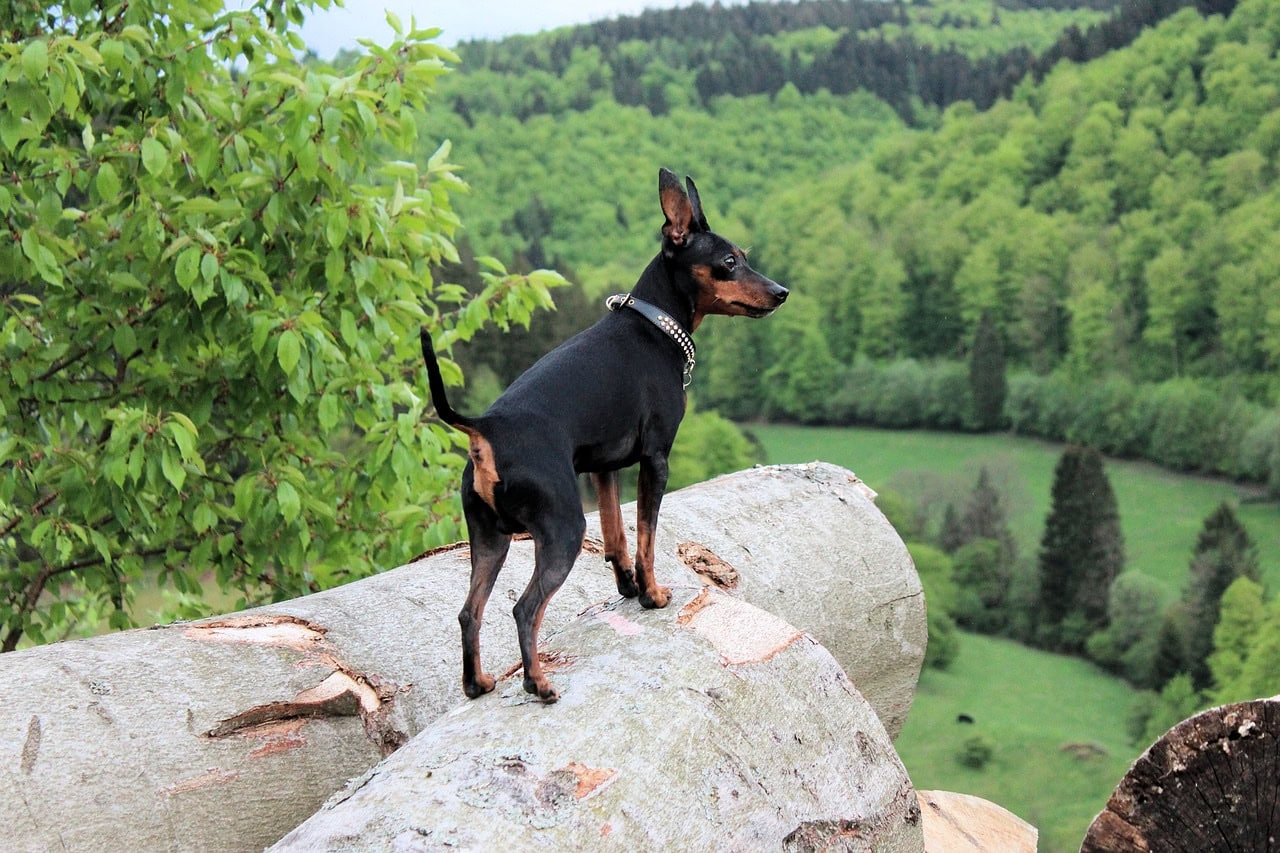
- Miniature Pinscher (energetic, loves adventures, strong prey drive)
- Beagle (bred to hunt/track, ideal for hiking, but can be a bit slow)
- Westie (enduring, perfect for long trails, friendly with strangers)
- Yorkie (tiny, yet energetic, good for average-length hikes)
- Chihuahua (active, inquisitive, fits in a bag, but can be aggressive)
- Jack Russell Terrier (high-energy, fox-hunting dog, powerful prey drive)
- Cairn Terrier (strong, friendly, yet slow and not very energetic)
- Miniature Schnauzer (sturdy, relatively active, aloof toward strangers)
- Alaskan Klee Kai (high-energy, agile, good at tracking, standoffish)
- Norwegian Lundehund (agile, great at navigation, handles tight spaces)
- Pomeranian (curious, upbeat, low-weight, moderately energetic)
Benefits of Hiking With a Dog
Outdoor activities are necessary for our fur babies to avoid medical issues like obesity, diabetes, and heart/liver/respiratory diseases and stay fit. Regular exercise also helps dogs avoid tummy problems, sleep better, and build confidence. In addition, dogs are big fans of spending time with their favorite humans.
And what better way to do that than on a hike? Exercises provide an excellent opportunity to create a strong bond with your pet. By nature, dogs are meant to be active during the day: walk, run, play, and socialize with fellow canines. That’s how they get in shape, learn new things, and stay mentally healthy.
Conclusion
Small dogs need daily exercise to stay in shape. And they are often more energetic than larger breeds. That’s why it’s so important for your fur baby to get its fair share of daily activity. If you live in a rural area and have quick access to a hiking trail, it will be the perfect way to spend some quality time with the doggo.
However, while hiking is, indeed, fun, if you fail to prepare for it properly, you might end up running out of food and water, hurting the dog’s joints, or making it anxious and uncomfortable. So, make sure to follow the tips and tricks from today’s guide to get the best out of the next trip!
Related Reads:
Sources
https://www.1800petmeds.com/education/how-much-exercise-does-a-dog-need-every-day.html
https://vcahospitals.com/know-your-pet/brachycephalic-airway-syndrome-in-dogs
https://www.orvis.com/how-to-train-your-dog-to-wear-a-pack.html
https://www.petmd.com/dog/pet-lover/how-much-dogs-personality-comes-their-owner
https://www.aspcapetinsurance.com/resources/how-much-exercise-does-my-dog-need/
Featured Image Credit: Spiky and I, Shutterstock
Get Hepper In Your Inbox


Pet care tips from our vets and experts, straight to your inbox.
You may opt-out at any time. View our Privacy Policy for more information.

Nicole is a lover of animals of all sizes but is especially fascinated with the feline variety. She’s the proud mom of Baby, a Burmese, and works every day so he can relax in the sunshine or by the fire. She’s always had a cat in her home and has spent countless days with others, observing behaviors and softening up even the grouchiest of the lot. Nicole wants to share her kitty expertise with you so you and your cat can live happy, healthy, and care-free.
Join the conversation
Ask a question, share your story, or send private feedback.