Hepper is reader-supported. When you buy via links on our site, we may earn an affiliate commission at no cost to you. Learn more.
Can Dogs Eat Hush Puppies? Vet Reviewed Nutrition Facts & Suggestions


In this article
When you sit down to eat, you can't avoid the pleading puppy eyes your dog gives you. But just because your dog wants something doesn't mean you should give it to them, and they're counting on you to keep them safe.
That's certainly the case with hush puppies. While a dog will happily gobble them up if you let them, hush puppies are not a good option for your dog. You shouldn't have to rush your dog to the vet if they eat one or two hush puppies, but you need to do your best to keep these snacks away from your dog.

The 5 Reasons Why Dogs Shouldn't Eat Hush Puppies
While hush puppies aren't toxic for your dog unless they eat them in extremely large quantities, there are more than a few reasons you shouldn't feed them to your dog. Below, we've highlighted five reasons you shouldn't feed hush puppies to your dog.
1. High Fat Content
Hush puppies contain tons of fat. A single hush puppy that weighs around 22 grams can contain 13.5% fat, or more depending on the recipe.1 Sure, cooking them in less oil can help, but no matter how you cook them, a hush puppy will have too much fat. Not only that, but they have a ton of calories, so it won't take many hush puppies for your dog to start showing it on the scale.
Excessive fat in your dog’s food can lead to an upset stomach (vomiting and diarrhea) and long-term obesity, which is a risk factor for diabetes. Historically, fatty food has been associated with an increased risk of pancreatitis (inflammation of the pancreas) in dogs,2 but current studies have not yet identified a clear causal connection between the two. Obesity though and the high content of fat in an animal’s abdomen is linked to an increased risk for pancreatitis. Diets with 10 to 15% fat are considered to contain a moderate amount of fat. Foods with more than 20% fat are considered high fat.

2. Sodium Content
The sodium content inside hush puppies isn't great for people, but it's even worse for dogs. Dogs' bodies are smaller than ours, and because of this, smaller concentrations of sodium can lead to bigger problems.
While you might be able to find some hush puppies with lower sodium content than others, they likely all have too much sodium for dogs. One hush puppy contains 147 mg of sodium.3 The “official” minimum daily requirement for sodium in dogs is between 5-13.3 mg/kg of body weight. This means that a 10 kg dog needs at least 50 to 133 mg of sodium daily, which equals the salt content of one-third to almost one whole hush puppy. Poisoning from too much salt may occur with dogs eating 2000-3000 mg/kg of sodium.4 Consumption of 4000 mg/kg can be fatal. Based on this, a medium-sized dog would need to eat a large number of hush puppies before ingesting enough salt to cause an issue. However, remember that your pooch is also getting salt from other food sources, so it can be easy to overdose them by offering treats with high salt content, especially for small and miniature breeds.
3. Oils
Oils are terrible for dogs, and since you cook hush puppies directly in oil, there's a lot of it in there. Oils can create all sorts of digestive problems in dogs, especially diarrhea, even in small quantities.
4. Digestive Problems
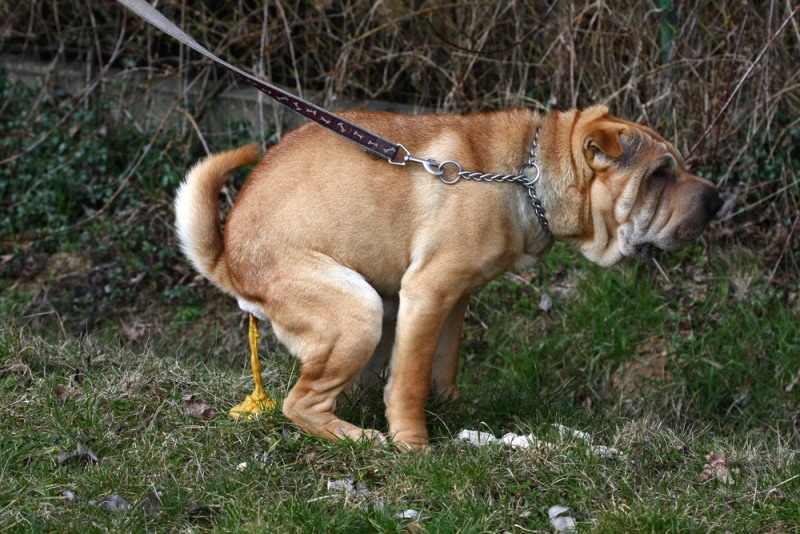
With all the different ingredients in a hush puppy that a dog shouldn't have, it's no surprise that they can lead to all sorts of digestive problems. A single hush puppy can cause diarrhea and vomiting, and that's an extremely unpleasant experience for your dog. If this happens, it is best to contact your vet straight away.
5. Pancreatitis
While your dog isn't likely to develop pancreatitis from eating a single hush puppy, if you make it a habit to feed them table scraps, it's a very serious and likely outcome. Dogs develop pancreatitis when they routinely eat too many foods high in fats and oils, as we already mentioned, and hush puppies fit both of those categories.

Top 10 Better Treat Options for Dogs
Just because you shouldn't feed your dog a hush puppy doesn't mean you can't indulge them with the occasional treat. Any of these treat options are outstanding choices for your dog, and we're sure your pup will love them too!
Just ensure treats don't make up more than 10% of your dog's daily caloric intake. Otherwise, the treats can inhibit them from getting the balanced diet they need.

Chicken
Chicken makes a delicious treat option for your dog. Small pieces of boiled skinless chicken breast or various commercial chicken products can be used for training or as tasty rewards. Cooked skinless chicken breast is a good source of lean protein, essential amino acids, and glucosamine, which are important for healthy muscles and bones, and is low in calories and fat. It contains omega-6 fatty acids that help sustain healthy skin and shiny coats. Avoid feeding raw chicken to your dog as it can be a source of Salmonella and can lead to signs of food poisoning and upset stomach in your dog.
Beef Patties
Cooked lean ground beef, without any seasoning or salt, can make a great treat for your dog as it’s rich in essential amino acids, minerals, and vitamins. Amino acids are building blocks of the body and they are crucial for building and repairing muscles and tissues, providing energy, and keeping a healthy and strong immune system. Still, always make sure you cook the meat sufficiently, as raw meat may contain Salmonella or other bacteria that could be harmful to you and your pet.
Bully Sticks
Bully sticks can be a great option for some dogs. They are easily digestible, don’t splinter like some of the other treats, are made from high-protein beef muscle, and are fairly durable and long-lasting. They can help to keep your dog’s teeth clean due to all the chewing and gnawing on the stick, but they are not a replacement for daily toothbrushing in any way. Bully sticks come as straight, braided, or ring-shaped to suit your dog’s chewing habits. Make sure you offer your pup plenty of water and do not give more than one chew per day. If your dog is greedy or tends to swallow large chunks of their treats rather than chew through them gradually, it is best to supervise them during chewing to minimize the risk of choking.

Turkey
Cooked turkey meat, without the skin, fatty parts, or bones, can also make a tasty treat option for your dog. Boiled turkey is a great source of protein, minerals, and vitamins, but make sure you do not add any seasonings or salt to the turkey meat intended for your dog, as these might be harmful. Do not give your dog turkey lunch meat or smoked turkey as these are rich in sodium and often contain many additives that are toxic for dogs.
Beef or Chicken Liver
The liver is a rich source of many essential nutrients such as amino acids and essential fatty acids, vitamins and minerals such as vitamins A, B6, B12, C, and D, riboflavin, niacin, folate, zinc, iron, antioxidants, and many more, all crucial for your dog’s health. Both chicken liver and beef liver can make a tasty treat for your dog, in moderation and not every day. The reason for this is the high content of vitamin A in the actual liver. If your dog consumes this vitamin too frequently or in overly large amounts, it can lead to signs of toxicity. Also, liver is best served boiled or baked as hydrolyzed liver treats because raw liver carries the risk of bacterial contamination that can lead to food poisoning in both you and your dog.
Fish
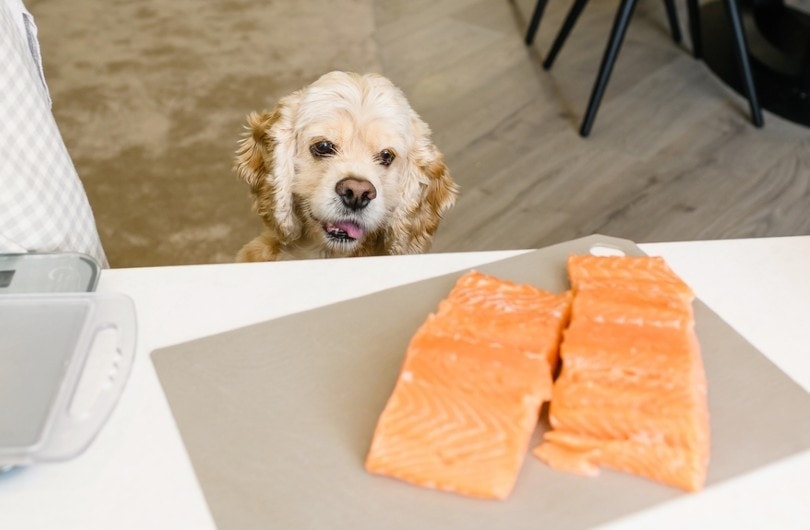
Cooked fish provides a great source of protein, is relatively low in saturated fats, and is easily digestible. Some types of fish that you can give your dog safely are Whitefish, Flounder, Salmon, Herring, Catfish, Cod, Sardines, and Whiting, as these fish are generally less likely to contain high doses of mercury or parasites that could harm your dog. Make sure that these fish are not seasoned and do not contain added salts. Uncooked fish skin and bones should be avoided as well. Tuna should not be given to dogs, raw or canned, as it contains high levels of mercury that are dangerous for your dog. Other fish types that you should never give your dog are Shark, Tilefish, Swordfish, King mackerel, and Albacore tuna.
Watermelon
Watermelon is sweet and dogs love it. Just ensure you remove the rind (which can cause an upset stomach) and the seeds (so your dog can't choke on them). The fruit itself is low in calories and rich in nutrients - vitamins A, B6, and C, and potassium. Watermelon contains 92% water, so it’s great for hydration!
Carrots
Carrots are another treat that dogs love and you can feed them carrots either cooked or raw. But when feeding them raw carrots, ensure they're in small, bite-sized pieces so your dog won't choke on them. Not only will your dog love eating them, but they also have tons of carotene, fiber, vitamins, and potassium while being low in calories. Make sure you wash the carrots first in case they have been sprayed with a pesticide.
Blueberries
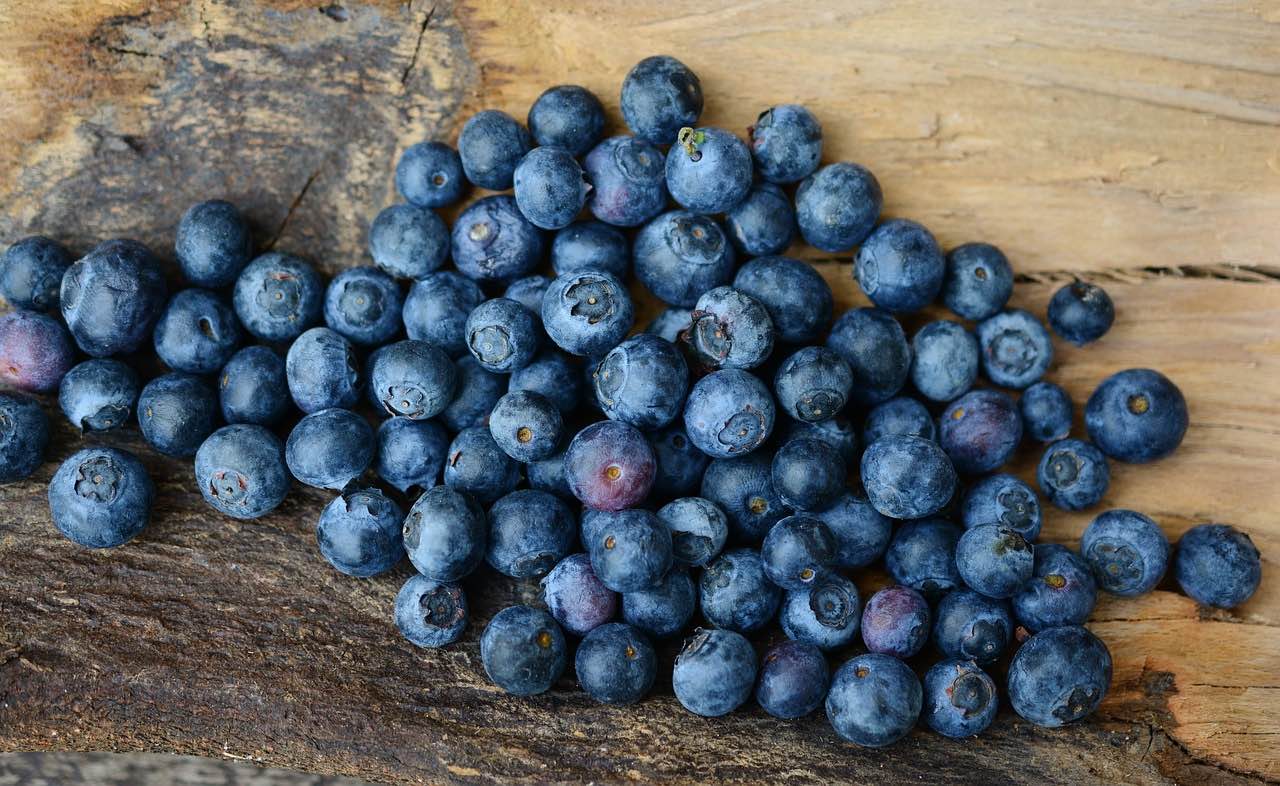
Blueberries are an excellent treat for your dog, and after you wash them, they're easy to feed your dog without giving them too many. It's a bite-sized treat that your best friend will devour. Blueberries contain phytochemicals, compounds that have many beneficial effects in fighting various diseases and cancers. They contain vitamin C and antioxidants that neutralize harmful molecules in the body. Blueberries are low in calories and high in fiber. They help prevent cell damage, can improve night vision, and can even help promote mental function in senior animals and people. However, if your dog has diabetes, food sensitivities, or is on a special diet, they should not be fed blueberries due to their moderate sugar content. There is also a potential choking hazard with blueberries, particularly in small dogs.
Bananas
Bananas are sweet, healthy treats that have a ton of nutrients your dog can use. Just ensure you're only feeding bananas to your dog in moderation because of the high sugar content in them. Otherwise, they are rich in fiber, potassium, vitamin B6, and vitamin C. Dogs should not eat banana peels. They are not toxic to your dog, but they don't easily digest because of their high fiber content. Eating the peels may cause a blockage in their digestive tract or an upset stomach and could result in vomiting and diarrhea that will need treatment.
Cooked Sweet Potatoes
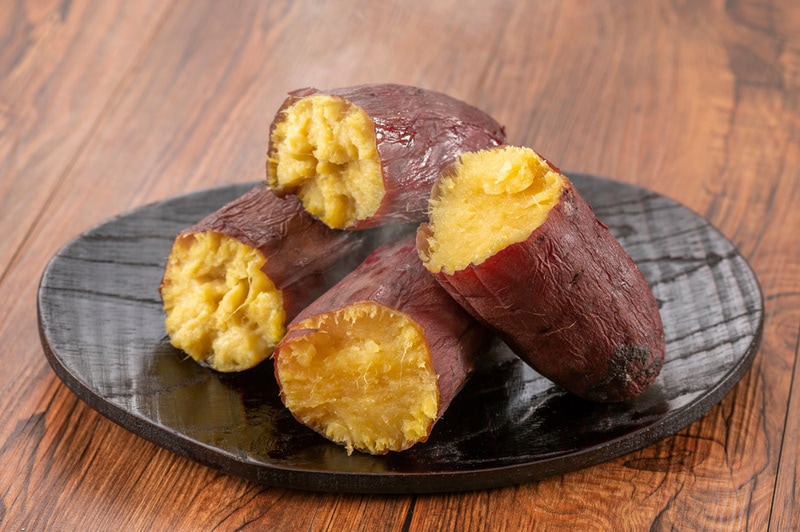
Cooked sweet potatoes might not be the easiest thing for you to pull out of your pantry and feed your dog, but it might be their favorite healthy snack. When cooking the sweet potatoes, don't add any additional seasonings or flavorings.
However, you can store cooked sweet potatoes in the fridge for a few days as an easy snack option for your dog. But do not feed your dog any raw sweet potatoes, as they can cause an upset stomach. They are difficult to chew and, if swallowed whole, can get stuck at the back of the throat or in the dog’s esophagus, or even lead to a blockage in the stomach or intestines. All of these will require veterinary attention.
Final Thoughts
Although you should not feed your dog hush puppies, if they accidentally consume one, they will likely be okay because they're not toxic. Just don't make them a regular part of your dog's diet and do your best to keep your dog away from them.
While it shouldn't require a trip to the vet if your dog eats one, it can lead to some discomfort and irritation, and if you have any concerns, it's best to contact your vet.
See Also:
Sources
Featured Image Credit: The Image Party, Shutterstock
Get Hepper In Your Inbox


Pet care tips from our vets and experts, straight to your inbox.
You may opt-out at any time. View our Privacy Policy for more information.
Adam, a dedicated freelance writer and animal advocate, has a long history of rescuing animals and creating compelling written content. For over ten years, he has worked as a freelance writer, and his passion for rescuing animals extends even further back. Adam is also a proud father of three, always ready for a challenge and eager to embark on new adventures.
Join the conversation
Ask a question, share your story, or send private feedback.